Introduction
Many children recognize numerals and recite counting sequences long before their hands possess the fine motor strength required to form those digits on paper. According to the American Occupational Therapy Association, foundational hand strength and pencil control develop progressively through purposeful daily mark-making activities. Bridging this cognitive understanding of quantity with physical handwriting production requires thoughtful, structured early math resources. The free printable count and write 1 to 15 number worksheet for nur bridges this gap by combining counting practice with foundational numeral formation. It sounds simple, and that is the exact point of early childhood motor skill design. When children count objects and immediately trace the corresponding digit, the brain builds dual pathways for mathematical comprehension and kinesthetic memory. Resources housed within collections like Tracing Number provide the targeted repetition young learners need to build confidence before moving on to complex equations.
💡 Educational Key Takeaways:
- Core Skill: Structured Count And Write 1 To 15 Number Worksheet For Nur focused on developing pencil grip, stroke control, and early literacy/math confidence.
- Target Scope: Suited for homeschoolers, preschool, kindergarten, and elementary learners.
- Best Recommendation: Practice 10–15 minutes daily with ergonomic writing tools to reinforce muscle memory without hand fatigue.
What This Worksheet Covers
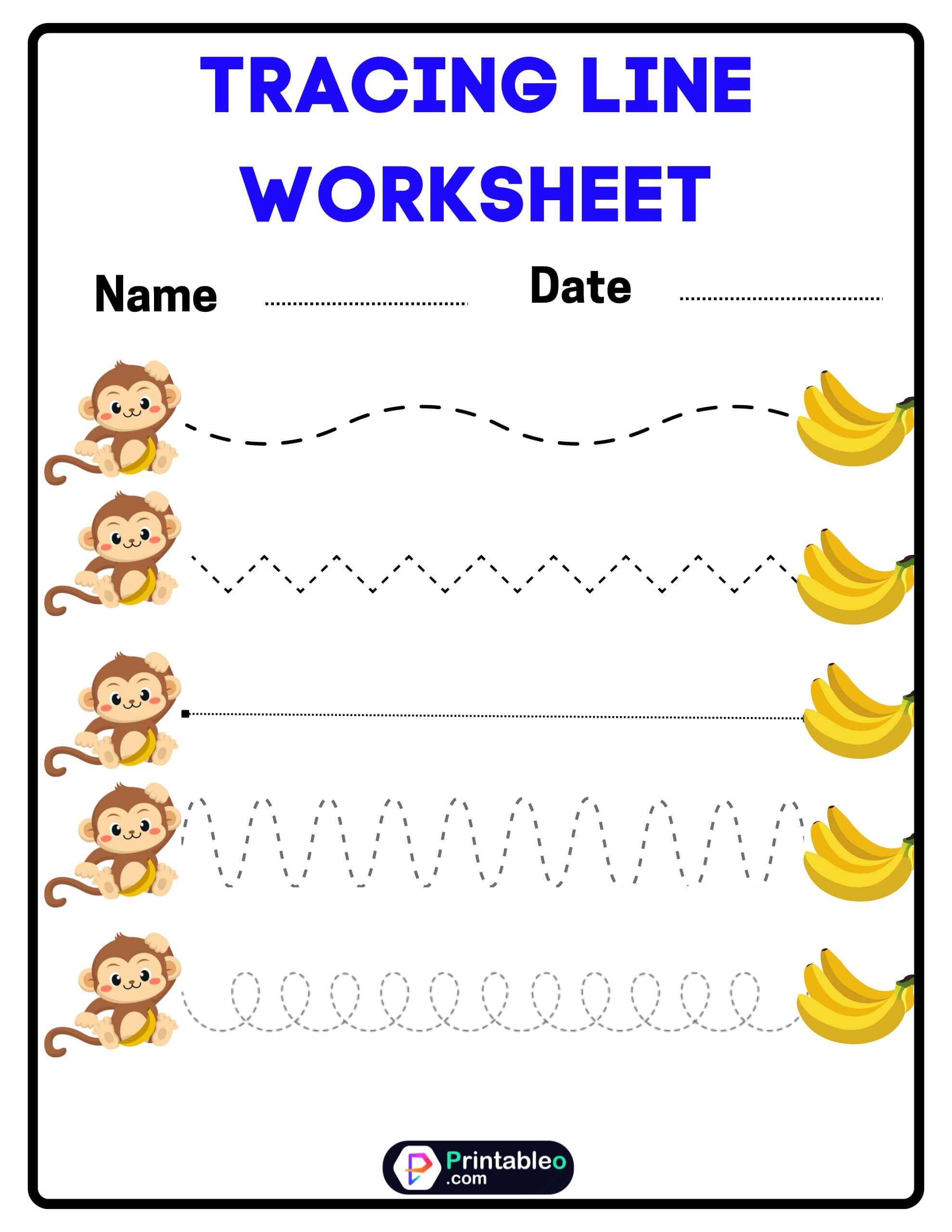
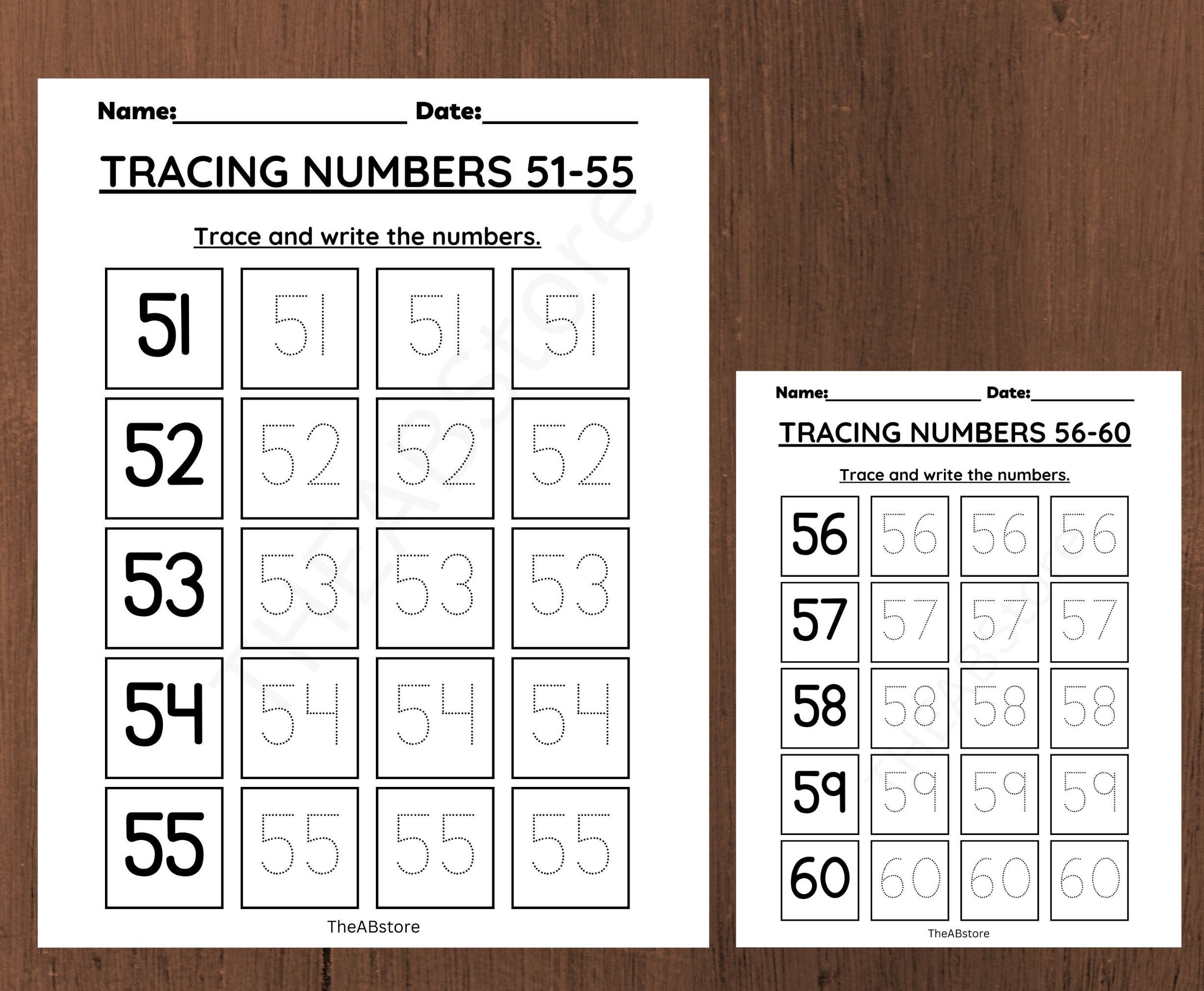
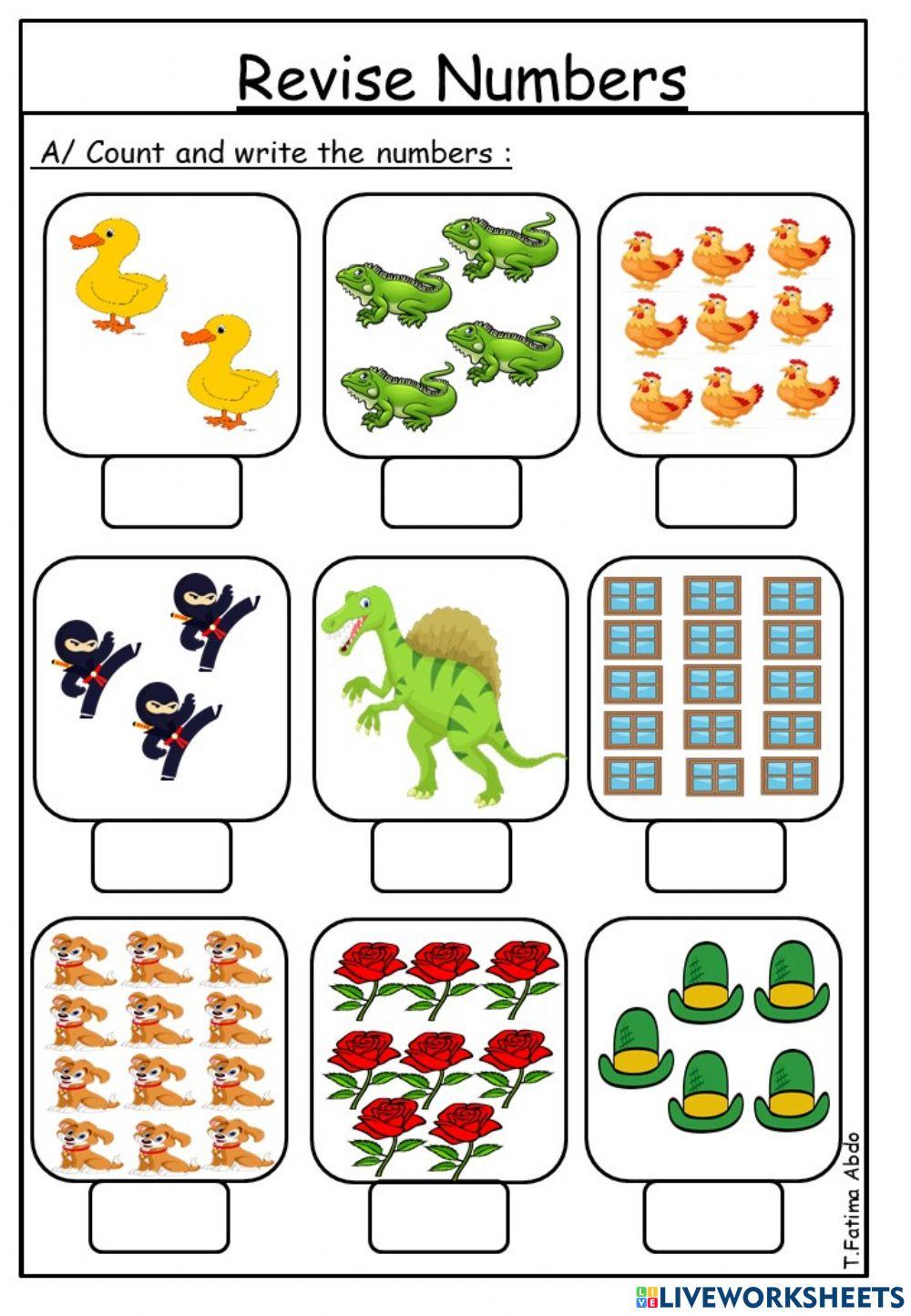
This printable resource focuses on building early number sense alongside essential pre-writing control. Counting up to fifteen introduces children to quantities beyond the basic single-digit threshold, demanding careful visual tracking and one-to-one correspondence. Each section pairs countable visual icons with dotted numeral formations that guide the hand through correct stroke directionality. It is common to observe a child who can easily count a row of fifteen objects stumble when trying to keep their pencil on a narrow tracing line. This worksheet addresses that exact discrepancy by providing appropriately sized font blocks and distinct starting dots for every digit from one through fifteen. Additional support can be found by exploring Alphabet And Numbers Tracing to maintain consistency in stroke patterns across different types of early academic worksheets.
Key Learning Outcomes
Learners engaging with this printable build multiple core competencies simultaneously. First, children strengthen one-to-one correspondence by tallying groups of objects up to fifteen without skipping items or double-counting. Second, spatial awareness improves as little fingers learn to navigate within structured boxes and stay inside primary writing lines. Third, muscle memory solidifies through repetitive tracing of dotted lines, which reinforces correct top-to-bottom and left-to-right stroke habits. Finally, visual-motor integration links the abstract concept of numeric quantity directly to the physical act of writing, setting the stage for future mathematical success.
How to Use This Worksheet
Successful implementation relies on keeping the experience low-stress and highly engaging for young learners. Begin by having the child point to each object while counting aloud, ensuring their finger matches the rhythm of the spoken numbers before ever picking up a writing tool. Once the counting phase is complete, introduce the writing portion by demonstrating the correct pencil grip and showing where the pencil should touch the paper first. It helps to use broken crayons or short pencils, as these natural adaptations force an efficient tripod grasp by preventing the child from wrapping extra fingers around the shaft. Guidance on foundational grip mechanics can be reinforced using resources found under Fine Motor and Pre-Writing Skills.
Practical Tips for Parents and Teachers
Adults can scaffold the activity by lightly holding the child’s hand for the first few digits to model the physical rhythm of the stroke. As confidence grows, step back and encourage independent attempts, praising effort and proper starting points over absolute neatness. According to the National Association for the Education of Young Children, young children learn best through active, hands-on engagement paired with positive adult interaction during foundational skill building. If a child grows frustrated or starts pressing the pencil into the paper with excessive force, pause the session and incorporate gross motor hand squeezes or playdough manipulation to release hand tension.
Age-Appropriate Recommendations
For children ages two to four, the focus should remain heavily on oral counting, pointing to objects, and large pre-writing strokes rather than perfect numeral formation. At this developmental stage, aligning with the guidelines of the National Association for the Education of Young Children Developmentally Appropriate Practice ensures that expectations match physical maturity. For children ages five to eight, the expectations shift toward accurate pencil pressure, correct stroke sequencing, and independent completion of the entire one-to-fifteen sequence without adult prompting.
Foundational hand strength and pencil control develop progressively through purposeful daily mark-making activities. — American Occupational Therapy Association
Frequently Asked Questions
Answers to common questions regarding printing, skill development, and developmental standards for early number worksheets.
Explore More Free Printable Tracing Worksheets
Supporting a child through early literacy and numeracy is a rewarding journey that benefits from a diverse toolkit of practice materials. The complete library at KidTraces.com offers hundreds of parent and teacher-approved resources designed to make skill acquisition enjoyable. Whether looking for seasonal practice sheets or foundational skill builders, every printable is crafted with developmental milestones in mind to ensure children stay confident and eager to learn.
Developmental Milestone & Activity Table
| Development Stage | Recommended Daily Duration | Primary Learning Objective |
|---|---|---|
| Preschool & Pre-K | 10 – 15 Minutes | Pencil grip development & basic pre-stroke lines |
| Kindergarten | 15 – 20 Minutes | Letter/number formation & spatial line awareness |
| Early Elementary (Grade 1–2) | 20 – 30 Minutes | Fluency, sentence construction & neatness |
Images References