Introduction
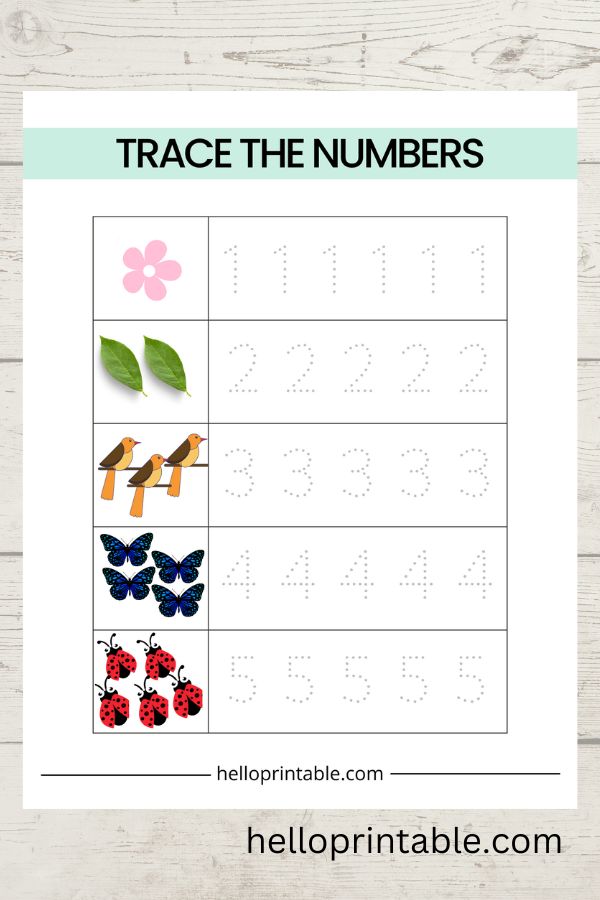
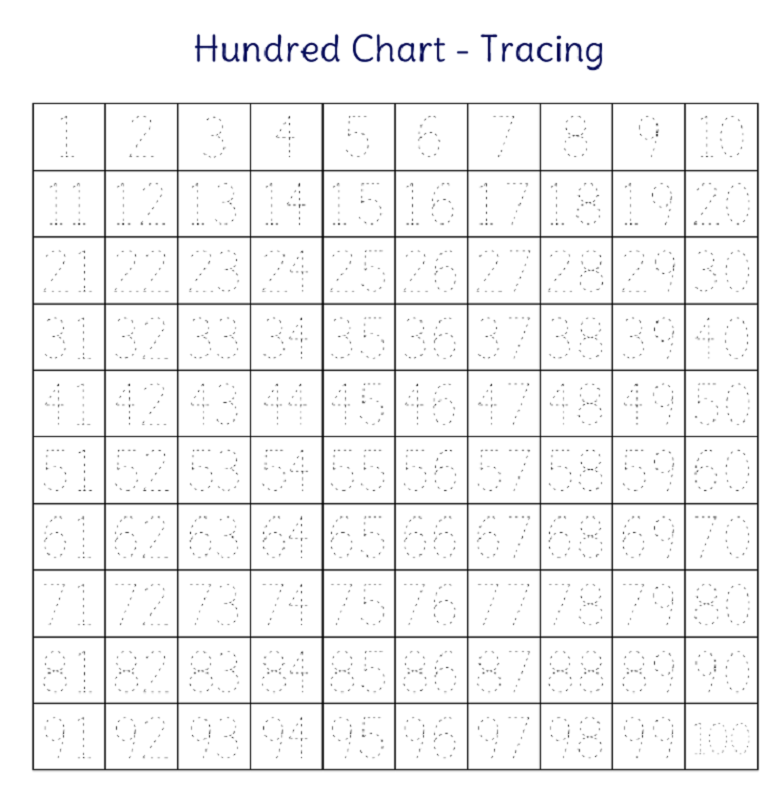
Many children recognize numerals and point out house numbers or grocery prices long before their tiny hand muscles possess the endurance or dexterity to form those same digits on paper. According to the American Occupational Therapy Association, foundational fine motor control and bilateral hand coordination must develop through play and sensory exploration before children can master formal pencil tasks. Sitting down with a toddler to explore early mathematics often reveals an eagerness to engage with symbols, yet translating that cognitive awareness into physical pencil control requires careful, scaffolding support. Free printable 3 years old kids numbers tracing activities bridge that exact gap, offering playful, low-pressure paths for little fingers to begin tracing the structural shapes of early numbers. It sounds simple, and that’s the point: purposeful stroke practice builds foundational neural pathways without overwhelming an emerging writer.
💡 Educational Key Takeaways:
- Core Skill: Structured 3 Years Old Kids Numbers Tracing Activities focused on developing pencil grip, stroke control, and early literacy/math confidence.
- Target Scope: Suited for homeschoolers, preschool, kindergarten, and elementary learners.
- Best Recommendation: Practice 10–15 minutes daily with ergonomic writing tools to reinforce muscle memory without hand fatigue.
What This Worksheet Covers
Designed specifically for the developmental realities of early childhood, these tracing pages target numeral formation, stroke order, and visual-motor integration. Here’s what makes this worksheet different: instead of demanding rigid perfection, the layout focuses on large, friendly paths that accommodate the immature grasp patterns typical of a three-year-old child. Children encounter bold starting points, directional arrows, and dotted lines that encourage top-to-bottom and left-to-right habits essential for later writing success. Furthermore, the visual cues help connect the abstract concept of a number quantity with its physical representation on the page. Exploring these foundational sheets sets the stage for broader numeral mastery found throughout collections like Tracing Number resources.
Key Learning Outcomes
Engaging regularly with early numeral sheets fosters several critical developmental milestones across physical and cognitive domains. First, children strengthen the intrinsic hand muscles required for a functional grip by guiding a crayon or thick marker along structured tracks. Second, spatial awareness improves as learners observe how lines intersect, curve, and stop within designated boundary spaces. Third, cognitive mapping solidifies the mental connection between the spoken name of a digit, its visual shape, and its actual quantitative value. Finally, sustaining attention through a short tracing session builds crucial self-regulation skills, preparing restless minds for future structured learning environments found in broader Tracing Worksheets collections.
How to Use This Worksheet
Success with early writing tasks depends heavily on the physical setup and the emotional atmosphere established by the adult. Introducing these pages should feel like an invitation rather than a chore, perhaps pairing the paper with thick crayons, chunky markers, or even finger paint to keep sensory engagement high. Adults can slide the sheets into heavy-duty plastic sleeves and offer dry-erase markers, allowing children to wipe away mistakes and try again without frustration. When children lose interest after two minutes, stop immediately; short, positive exposures build intrinsic motivation far better than forced repetition. For additional practice with foundational pencil control, explore resources focused on Shape and Line Tracing.
Practical Tips for Parents and Teachers
Guiding a young learner requires observing hand placement and offering gentle, physical prompts rather than verbal corrections. Modeling the correct grip using broken crayons or short writing tools naturally forces fingers into a tripod or modified grasp instead of a heavy fist. Adults should point out the starting dot and use playful verbal cues, such as racing a toy car down the track, to demonstrate the correct downward directionality. Scaffolding the activity means initially holding the child’s hand to guide the first stroke, then gradually fading physical assistance until the child completes the motion independently. Pairing these sheets with manipulatives like counting bears or playdough snakes transforms a flat page into a multi-sensory math adventure.
Age-Appropriate Expectations
According to the National Association for the Education of Young Children developmentally appropriate practice guidelines, three-year-olds are typically refining their palmar and digital pronate grasps while learning to imitate vertical and horizontal strokes. Expecting precise pencil grip or flawless numeral formation at this stage contradicts physical anatomy, as hand bones and arches are still actively developing. Instead of demanding perfection, educators celebrate intentional marks, random scribbles inside boundaries, and enthusiastic participation. By age four and five, children transition into more controlled finger movements, gradually aligning with structured programs like Handwriting Without Tears that emphasize clear, step-by-step formation rules.
Fine motor control and bilateral coordination develop sequentially, requiring playful sensory and pre-writing experiences before formal handwriting tasks. — American Occupational Therapy Association
Frequently Asked Questions
Navigating early childhood writing milestones often brings up questions regarding readiness, materials, and pacing. Below are answers to common inquiries from educators and families supporting young learners.
Explore More Free Printable Tracing Worksheets
Supporting a young child’s journey toward writing fluency is an ongoing adventure that benefits from a rich variety of engaging materials. Beyond numerical practice, children thrive when exploring pre-writing curves, letter shapes, and seasonal themes that capture their natural curiosity. Discover a vast, supportive library designed by educators and therapists to foster joyful learning at every developmental stage by visiting KidTraces.com for all printing needs.
Developmental Milestone & Activity Table
| Development Stage | Recommended Daily Duration | Primary Learning Objective |
|---|---|---|
| Preschool & Pre-K | 10 – 15 Minutes | Pencil grip development & basic pre-stroke lines |
| Kindergarten | 15 – 20 Minutes | Letter/number formation & spatial line awareness |
| Early Elementary (Grade 1–2) | 20 – 30 Minutes | Fluency, sentence construction & neatness |
Images References