Introduction
Many children recognize numerals long before their fine motor skills can comfortably form them on paper. According to the American Occupational Therapy Association, foundational upper body stability and tactile feedback must mature alongside visual-motor integration for successful handwriting acquisition. Bridging that cognitive and physical gap requires intentional scaffolding, especially for learners with diverse developmental needs. The free printable teach numbers 1-10 for special needs tracing offers a structured, accessible pathway to mastering early math and pencil control. By combining visual prompts with adapted stroke patterns, this resource supports meaningful motor learning without causing frustration.
💡 Educational Key Takeaways:
- Core Skill: Structured Teach Numbers 1-10 For Special Needs Tracing focused on developing pencil grip, stroke control, and early literacy/math confidence.
- Target Scope: Suited for homeschoolers, preschool, kindergarten, and elementary learners.
- Best Recommendation: Practice 10–15 minutes daily with ergonomic writing tools to reinforce muscle memory without hand fatigue.
What This Worksheet Covers
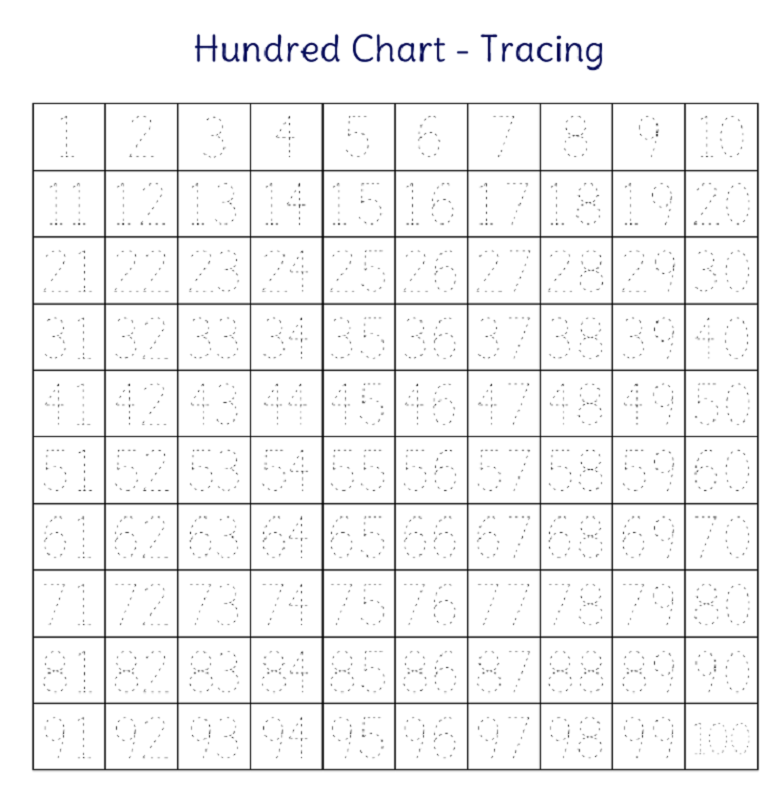
Targeting foundational numeral formation, this specific tracing layout focuses heavily on directional movement, proportional sizing, and spatial awareness on the page. Traditional worksheets often overwhelm learners with clutter, but this adapted format strips away visual distractions to highlight the start and stop points for each digit from one through ten. The design explicitly addresses common motor challenges, such as reversing digits or pressing too lightly with the writing utensil. Through repeated, guided exposures, children build the muscle memory required to transition from tracing thick dotted lines to independently writing numbers across the Tracing Number section of a daily curriculum.
Key Learning Outcomes
Learners using these specialized sheets consistently demonstrate improved stroke order and directional consistency when forming digits. Hand-eye coordination strengthens as tiny fingers learn to anchor the paper with one hand while the dominant hand executes controlled line and curve trajectories. Furthermore, tactile discrimination improves because the visual cues reinforce mathematical quantity alongside physical motion, directly supporting broader educational growth found in the Tracing Worksheets archive. Children also develop crucial postural endurance, learning how to maintain trunk stability and wrist extension over extended writing intervals.
How to Use This Worksheet
Success with adapted tracing materials relies heavily on presentation and pacing rather than sheer repetition. Start by placing the sheet on a slightly slanted writing surface to naturally encourage an ergonomic wrist posture and proper pencil grasp. It often helps to laminate the page or slip it into a dry-erase sleeve, allowing learners to practice the same numeral multiple times without the anxiety of permanent mistakes. Tracing with a finger or a chunky crayon before switching to a standard pencil activates tactile pathways in the brain, priming the hand for finer control during subsequent passes.
Practical Tips for Parents and Teachers
Adults play a vital role as physical facilitators during these early writing sessions. Model the correct starting point for each digit aloud, using engaging verbal cues like pulling straight down for the number one or curving around for the number two. Scaffold the experience by guiding the child’s hand gently through the first few strokes before fading physical assistance entirely. For learners experiencing low hand strength, short segments of practice combined with multi-sensory tools like tracing numbers in a shallow tray of sand or salt will reinforce the exact same motor patterns without hand fatigue.
Age-Appropriate Recommendations
According to the National Association for the Education of Young Children guidelines for developmentally appropriate practice, toddlers and preschoolers between ages two and four benefit most from gross-motor integration and large-scale pre-writing strokes before tackling precision numeral work. Educators can seamlessly transition older children ages five through eight into this targeted resource to support kindergarten and early elementary math standards. During these foundational years, pairing numeral tracing with tactile counting objects ensures that children connect the physical stroke patterns to actual mathematical value, creating a robust framework for long-term academic success.
Foundational upper body stability and tactile feedback must mature alongside visual-motor integration for successful handwriting acquisition. — American Occupational Therapy Association
Frequently Asked Questions
Navigating specialized learning materials often brings up practical questions regarding setup, implementation, and developmental readiness. The answers below address the most common inquiries from parents, therapists, and educators implementing these printable resources in home and classroom environments.
Explore More Free Printable Tracing Worksheets
Expanding a child’s skill set involves exploring diverse layouts, themes, and developmental domains. Practitioners seeking complementary resources to build comprehensive motor proficiency will find a wealth of options across the entire library at KidTraces.com. Whether transitioning from early finger paths to structured Shape and Line Tracing or introducing playful motifs through Seasonal and Fun Themes, every printable is designed to make learning engaging, accessible, and developmentally sound for every unique learner.
Developmental Milestone & Activity Table
| Development Stage | Recommended Daily Duration | Primary Learning Objective |
|---|---|---|
| Preschool & Pre-K | 10 – 15 Minutes | Pencil grip development & basic pre-stroke lines |
| Kindergarten | 15 – 20 Minutes | Letter/number formation & spatial line awareness |
| Early Elementary (Grade 1–2) | 20 – 30 Minutes | Fluency, sentence construction & neatness |
Images References