Introduction
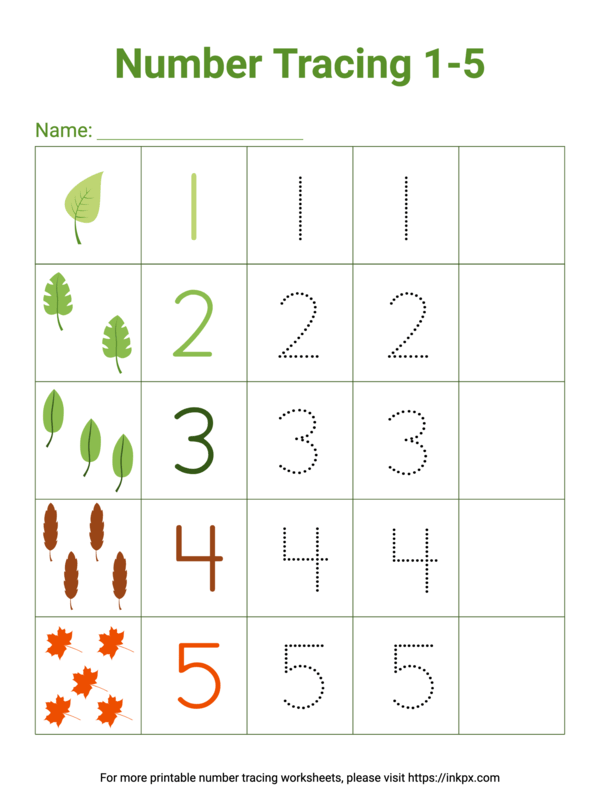
Young children routinely recognize and name numbers long before their delicate hand muscles have matured enough to form them on paper. According to the American Occupational Therapy Association, foundational fine motor control requires adequate postural stability, bilateral coordination, and intrinsic hand strength before a child can master controlled pencil movements. Many adults assume that pencil-to-paper readiness happens naturally with age, yet the physical mechanics of writing demand intentional scaffolding. Bridging this developmental gap requires thoughtful tools that transform abstract mathematical concepts into tactile, manageable movements. Enter the free printable trace number 1-5 worksheet, a carefully engineered resource designed to support early numeracy alongside essential pencil control. It sounds simple, and that’s the point.
💡 Technical Key Takeaways:
- Core Focus: Diagnostic schematic and terminal connection layout for Trace Number 1-5.
- Target Scope: Field technicians, automotive DIYers, and residential/commercial electricians.
- Safety Rule: Always disconnect the primary power source/battery terminal and verify zero voltage with a multimeter before touching wires.
What This Worksheet Covers
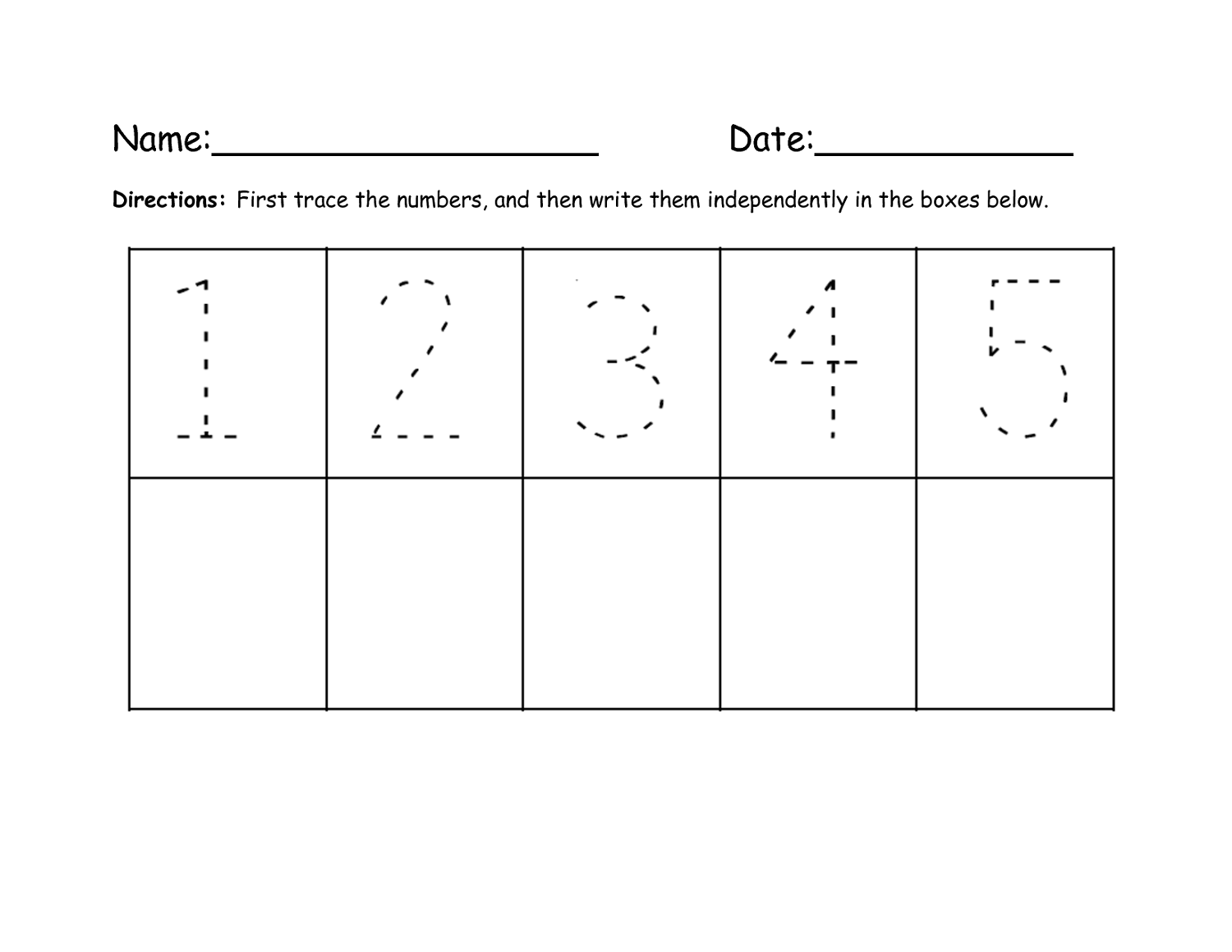
This targeted resource focuses exclusively on the foundational digits one through five, providing generous writing spaces and clear visual cues for young learners. Each numeral is broken down into deliberate, directional strokes that teach children where to start, where to pause, and how to change direction without lifting the writing utensil prematurely. Dotted pathways guide the hand gently across the page, reducing cognitive overload so the child can focus entirely on spatial awareness and line continuity. Beyond basic numeral recognition, the layout introduces directional arrows and starting dots that establish lifelong habits of efficient stroke order, preventing the formation of awkward and fatiguing compensatory pencil grasps later in elementary school.
Key Learning Outcomes
Engaging systematically with these targeted digits fosters precise numeral formation, correct stroke sequencing, and foundational pre-writing control. Children develop heightened visual-spatial awareness as they learn to keep their pencil tips within defined boundaries and scale their hand movements appropriately on the page. Furthermore, repeated practice reinforces exact number recognition by linking the visual symbol of the digit directly to physical muscle memory. This multi-sensory reinforcement builds cognitive confidence, setting the stage for more advanced mathematical operations and fluid handwriting execution across all subjects.
How to Use This Worksheet
Successful implementation relies heavily on creating a low-stress environment where experimentation is celebrated just as much as precision. Adults should introduce the page during calm, focused periods of the day, ensuring the child is seated with feet flat on the floor and hips at a ninety-degree angle to promote optimal core stability. Placing the paper on a slight slant matching the angle of the child’s forearm can also significantly improve wrist posture and visibility. It is often helpful to start with a multisensory warm-up, such as forming the numbers in a tray of salt or tracing oversized examples in the air before bringing the pencil down to the paper.
Practical Tips for Parents and Teachers
Adults play a vital role by actively modeling the correct tripod or quadrapod pencil grasp rather than simply correcting mistakes after they happen. Using short, stubby crayons or broken chalk pieces can naturally encourage developing fingers to pinch the tool correctly instead of reverting to a tight fist grasp. Scaffolding the activity means starting with larger, finger-guided traces before expecting independent pencil control, while extending the exercise might involve having the child count physical objects that match each traced numeral. When a child struggles with a particular curve or straight line, gentle hand-over-hand guidance provides the necessary proprioceptive feedback to help the nervous system register the correct movement pathway. For additional ways to build foundational dexterity, browse through the dedicated collection of Fine Motor and Pre-Writing Skills resources.
Age-Appropriate Recommendations
Children between the ages of two and four benefit most from using thick markers or chunky crayons on these sheets, focusing primarily on large muscle movements and general top-to-bottom stroke awareness. According to the National Association for the Education of Young Children guidelines for developmentally appropriate practice, toddlers and preschoolers thrive when learning is hands-on, playful, and responsive to their individual physical maturity levels. By ages five through eight, children transition toward finer writing utensils like standard pencils or thin felt-tip markers, refining their precision to meet early elementary handwriting standards. Educators and parents seeking complementary numeral materials will find wonderful options within the broader Tracing Number selection.
Foundational fine motor control requires adequate postural stability, bilateral coordination, and intrinsic hand strength before a child can master controlled pencil movements. — American Occupational Therapy Association
Frequently Asked Questions
Getting started with these printable sheets is straightforward and accessible for any home or classroom environment. Below are answers to common questions regarding downloading, printing, and the developmental benefits of structured tracing practice.
Explore More Free Printable Tracing Worksheets
Supporting a child’s journey toward confident writing and early math proficiency is an ongoing, rewarding process that benefits from a wide variety of engaging practice materials. Exploring the full library of educational printables available at KidTraces.com provides endless opportunities to keep young learners motivated and challenged. Whether expanding into letter formation with Dotted Letters For Tracing or discovering creative seasonal concepts, having access to reliable resources makes all the difference. Print today and watch confidence grow one stroke at a time.
Quick Wiring Specifications & Terminal Guide
| Component / Circuit | Standard Wire Gauge | Recommended Protection |
|---|---|---|
| Control & Trigger Signals | 18 – 20 AWG | 5A – 7.5A Inline Fuse |
| Standard Auxiliary Load | 14 – 16 AWG | 15A – 20A Circuit Breaker |
| Main Power Feed / Supply | 10 – 12 AWG | 30A – 40A Heavy-Duty Relay |
Images References