Introduction
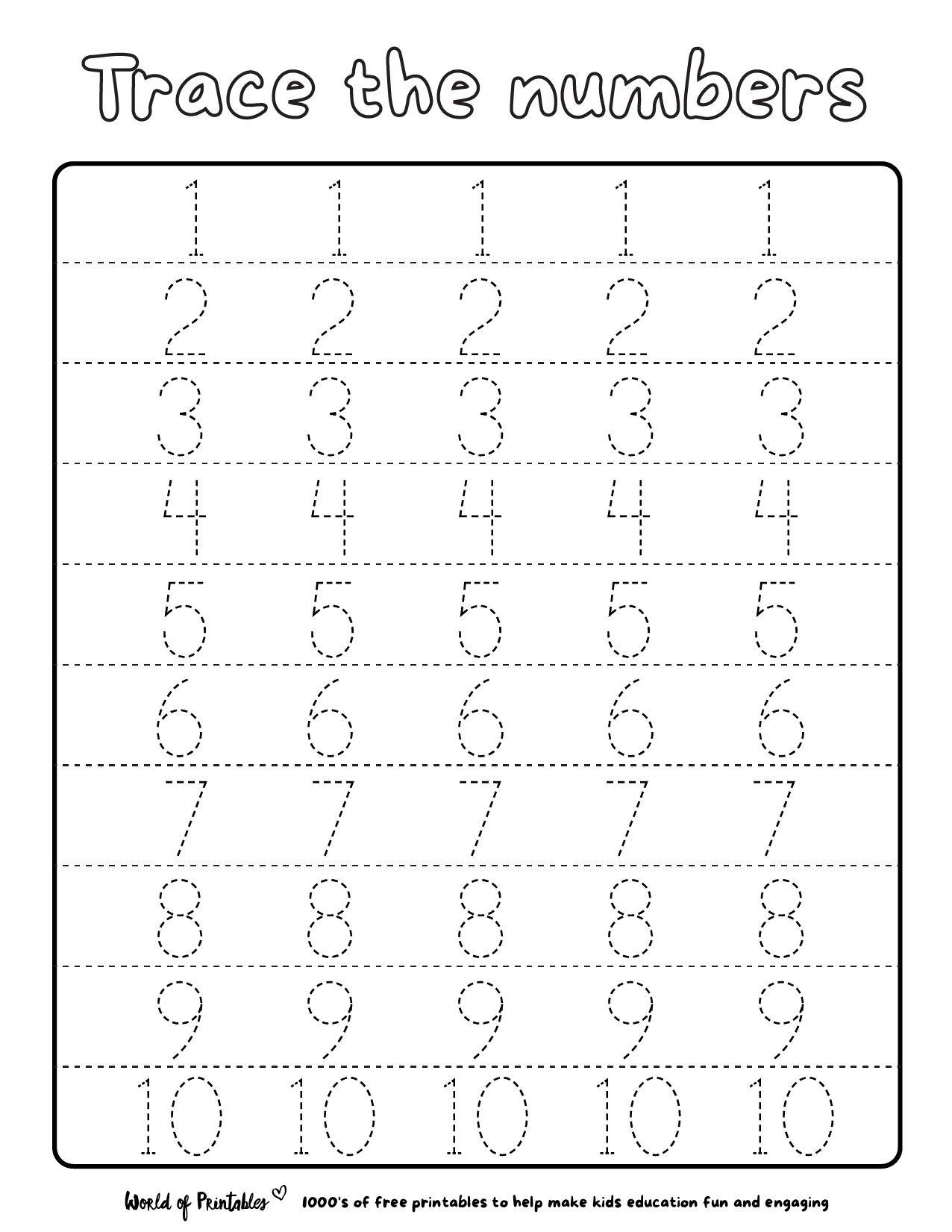
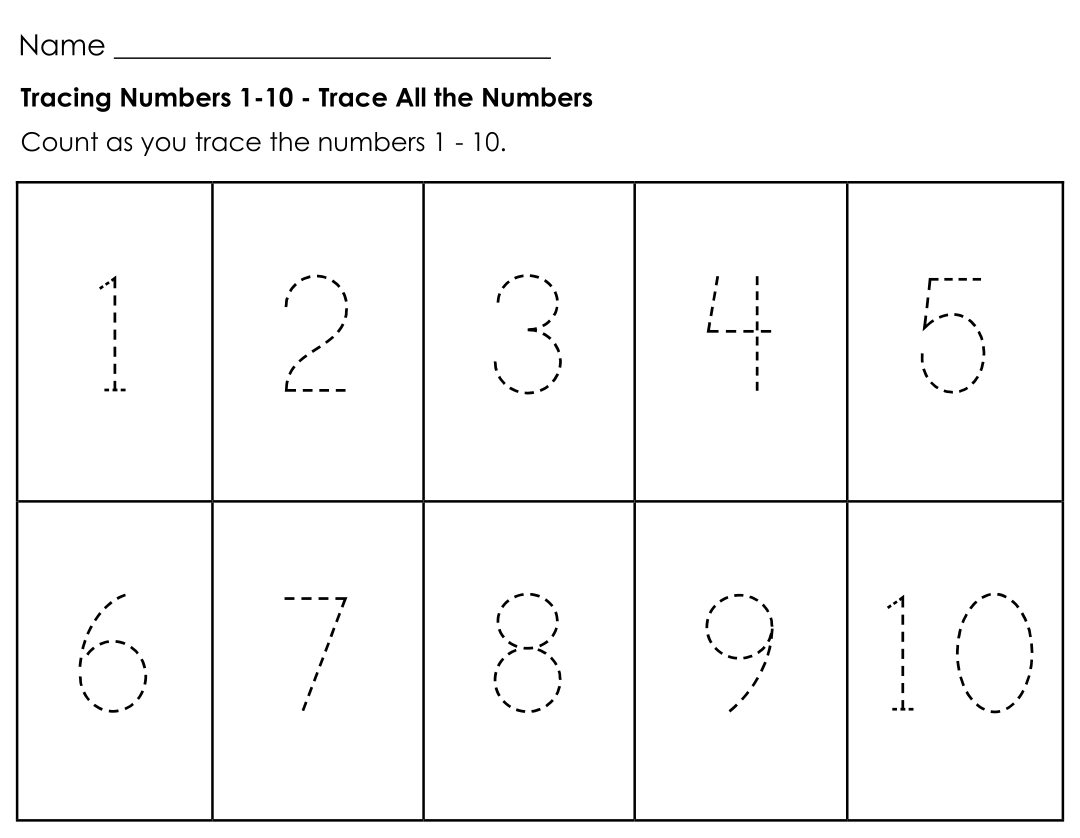
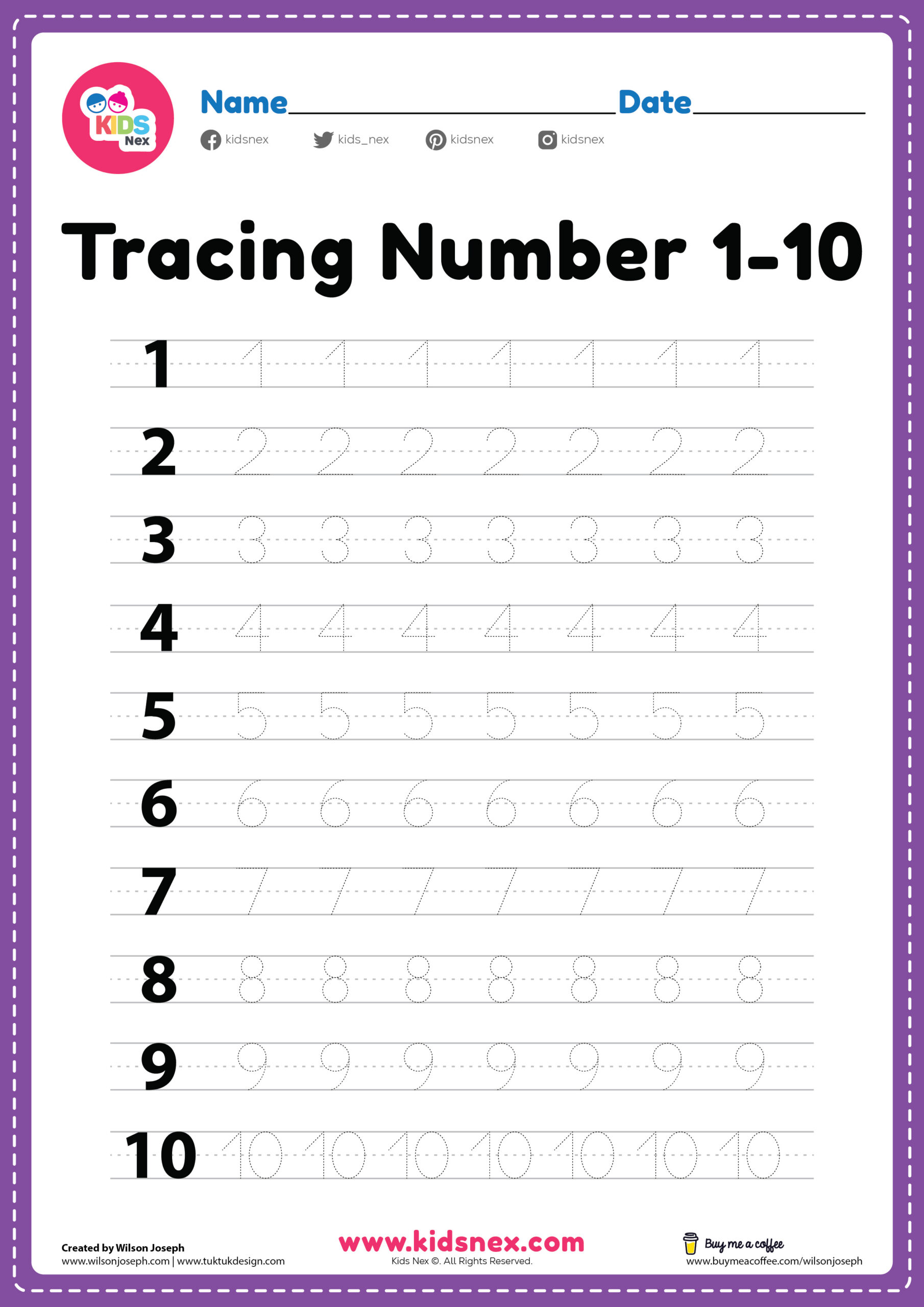
Many children recognize numerals and letters long before their fine motor coordination and hand strength allow them to cleanly form them on paper. According to the American Occupational Therapy Association, foundational fine motor control and tactile feedback are essential precursors to functional handwriting and numeral formation. Bridging this gap requires targeted, frustration-free practice that builds muscle memory without inducing hand fatigue. The free printable tracing numbers 1-10 resource provides an accessible bridge for young learners. It sounds simple, and that is precisely the point. By focusing on intentional stroke order and directional guidance, this tool supports early numeracy and pencil control simultaneously.
💡 Educational Key Takeaways:
- Core Skill: Structured Tracing Numbers 1-10 focused on developing pencil grip, stroke control, and early literacy/math confidence.
- Target Scope: Suited for homeschoolers, preschool, kindergarten, and elementary learners.
- Best Recommendation: Practice 10–15 minutes daily with ergonomic writing tools to reinforce muscle memory without hand fatigue.
What This Worksheet Covers
Mastering numeric symbols involves understanding both spatial orientation and continuous line control. Every numeral from one to ten presents unique biomechanical challenges, from the straight diagonal stroke of the number one to the sweeping curves of the number three or eight. This printable breaks down each digit into manageable visual steps, utilizing directional arrows and clear starting points to teach proper formation habits. Children transition from basic pre-writing strokes into concrete mathematical symbols, anchoring abstract math concepts in physical movement. Establishing correct stroke habits early prevents awkward pen grips and slow writing speeds later in the elementary grades.
Key Learning Outcomes
Engaging with structured numeral tracing fosters several interrelated developmental milestones. Learners build bilateral coordination by stabilizing the paper with one hand while manipulating the writing tool with the other. Visual-motor integration improves as children match the visual cue of the dotted line with the physical output of the hand. Numerical literacy deepens concurrently, linking the visual symbol of the digit to its quantitative value through repetition. Finally, sustained focus and self-regulation grow as children complete the sequence from one to ten, experiencing a tangible sense of academic accomplishment. For more related activities, check out our Maths Rhymes For Number Formation Tracks.
How to Use This Worksheet
Effective implementation relies on meeting the child at the current developmental stage rather than forcing rigid compliance. Begin by reviewing the sheet together, pointing to each numeral and naming it aloud before any pencil touches the paper. Encourage finger-tracing first, allowing tactile pathways to imprint in the brain before introducing resistance from a writing utensil. Keep practice sessions brief, ending long before frustration sets in. High-quality engagement for five minutes yields significantly better results than thirty minutes of forced, fatigued repetition.
Practical Tips for Parents and Teachers
Adult facilitation makes a profound difference in long-term skill acquisition. Model a functional tripod grasp consistently, ensuring the thumb, index, and middle fingers share the workload rather than locking into a tight fist. Scaffolding the activity can involve starting with oversized crayons or short pencils, which naturally encourage correct finger positioning and limit over-gripping. According to Reading Rockets, multisensory strategies that incorporate verbal descriptions of strokes—such as saying “around and back down” for the number two—greatly enhance memory retention. Extend the learning by asking children to count physical objects around the room that match the numeral currently being traced on the page.
Age-Appropriate Recommendations
Developmental readiness dictates how children interact with numeric worksheets across the early childhood span. For toddlers and preschoolers ages two through four, aligning with the National Association for the Education of Young Children Developmentally Appropriate Practice guidelines means keeping expectations flexible. Younger children benefit most from finger-tracing, sensory tray writing, or oversized markers on laminated sheets where mistakes wipe away instantly. Kindergarteners and early elementary students ages five through eight transition naturally to standard pencils on paper, focusing on precision, sizing, line adherence, and automaticity as outlined in foundational educational frameworks.
Foundational fine motor control and tactile feedback are essential precursors to functional handwriting and numeral formation. — American Occupational Therapy Association
Frequently Asked Questions
Navigating early childhood writing tools can raise questions for educators and families alike. The following answers address common inquiries regarding printing, motor development, and expert recommendations for numeral tracing success.
Explore More Free Printable Tracing Worksheets
Expanding a child’s pencil control toolkit requires exposure to diverse lines, shapes, and thematic templates. Exploring options beyond numbers helps maintain high motivation and engagement throughout the school year. For instance, practicing linear pathways can be found within Shape and Line Tracing collections, while letter formation is supported through Dotted Letters For Tracing exercises. General fine motor strength is cultivated via Fine Motor and Pre-Writing Skills activities. Seasonal variations offer fresh motivation, available in Seasonal and Fun Themes. Every free resource supports independent learning and school readiness. Discover the complete library of printables by visiting KidTraces.com today.
Developmental Milestone & Activity Table
| Development Stage | Recommended Daily Duration | Primary Learning Objective |
|---|---|---|
| Preschool & Pre-K | 10 – 15 Minutes | Pencil grip development & basic pre-stroke lines |
| Kindergarten | 15 – 20 Minutes | Letter/number formation & spatial line awareness |
| Early Elementary (Grade 1–2) | 20 – 30 Minutes | Fluency, sentence construction & neatness |
Images References