Introduction
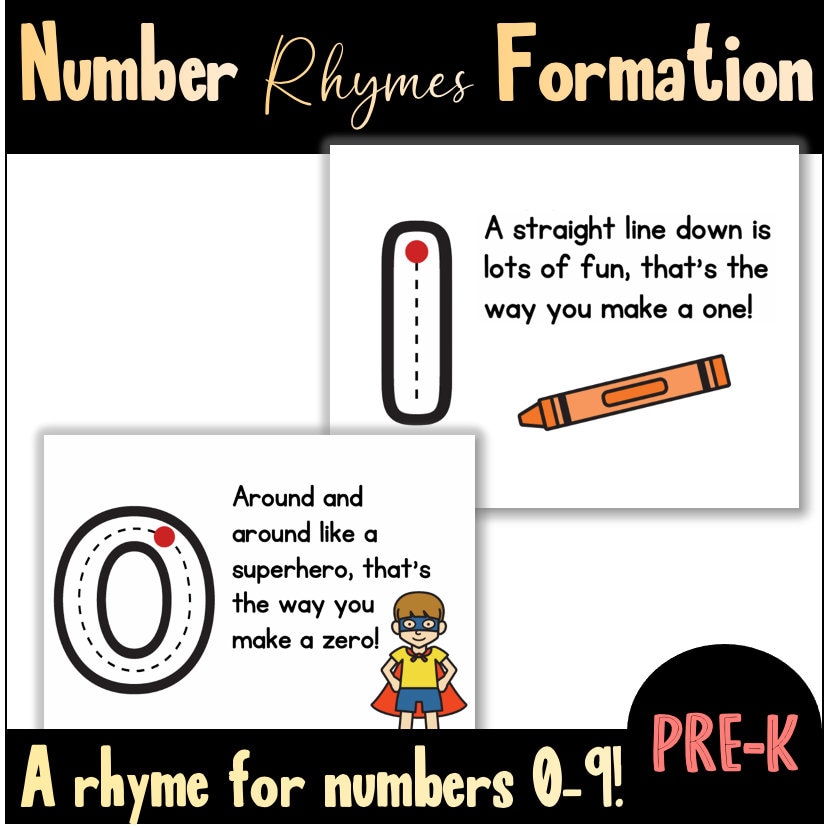
Many children recognize numerals long before their hands possess the refined intrinsic strength required to form them on paper. According to Reading Rockets, early number and letter formation relies heavily on visual-motor integration, bridging the gap between what the mind visualizes and what the hand executes. The free printable maths rhymes for number formation tracks bridge this exact gap by combining auditory rhythm with tactile visual guides. It sounds simple, and that is the point. When children chant a catchy rhyme while tracing a structured path, physical movement becomes anchored to memory, turning abstract mathematics into tangible muscle memory. Hand muscles require intentional scaffolding to build endurance, and multisensory worksheets provide the exact repetition needed for lasting neurological pathways.
💡 Educational Key Takeaways:
- Core Skill: Structured Maths Rhymes For Number Formation Tracks focused on developing pencil grip, stroke control, and early literacy/math confidence.
- Target Scope: Suited for homeschoolers, preschool, kindergarten, and elementary learners.
- Best Recommendation: Practice 10–15 minutes daily with ergonomic writing tools to reinforce muscle memory without hand fatigue.
What This Worksheet Covers
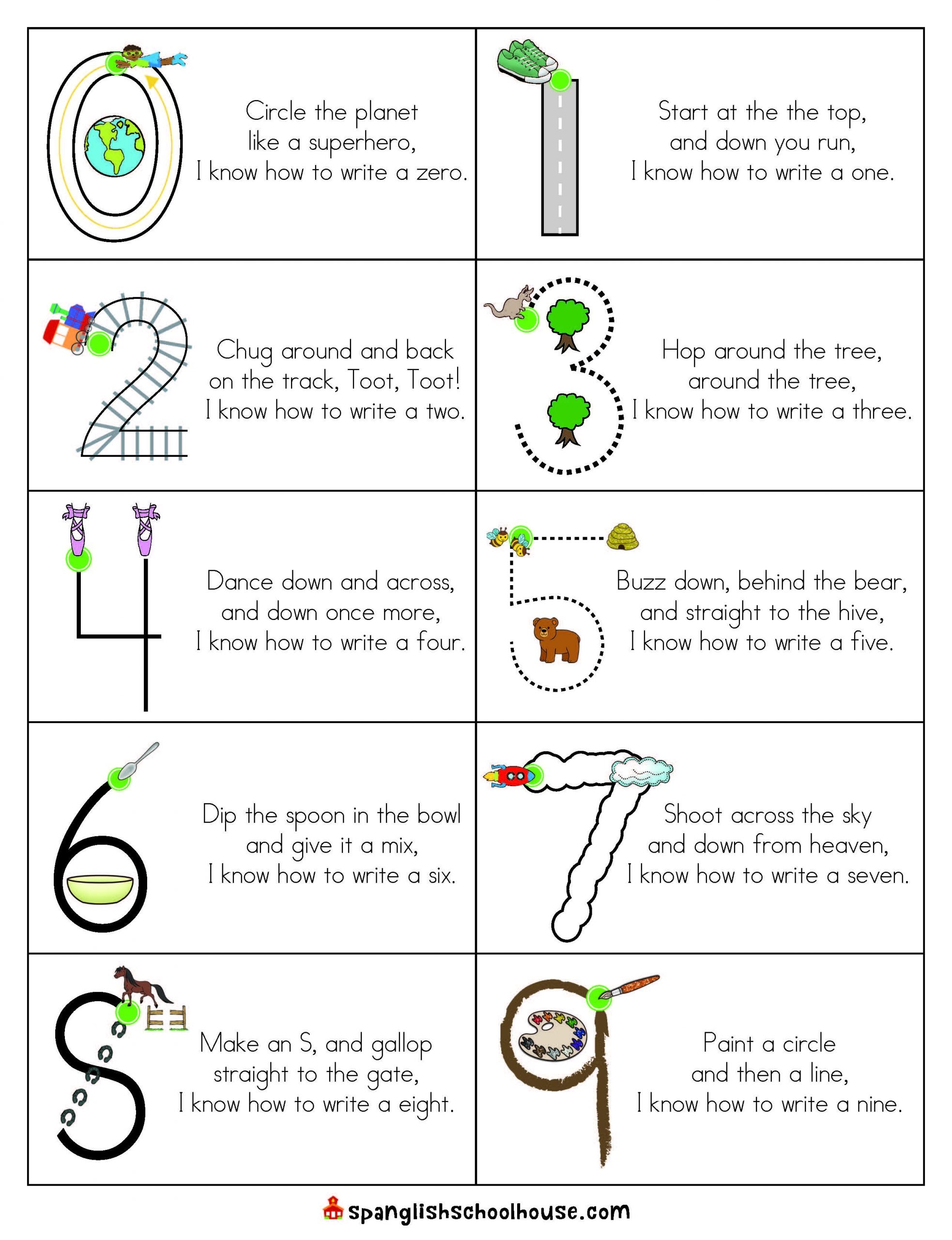
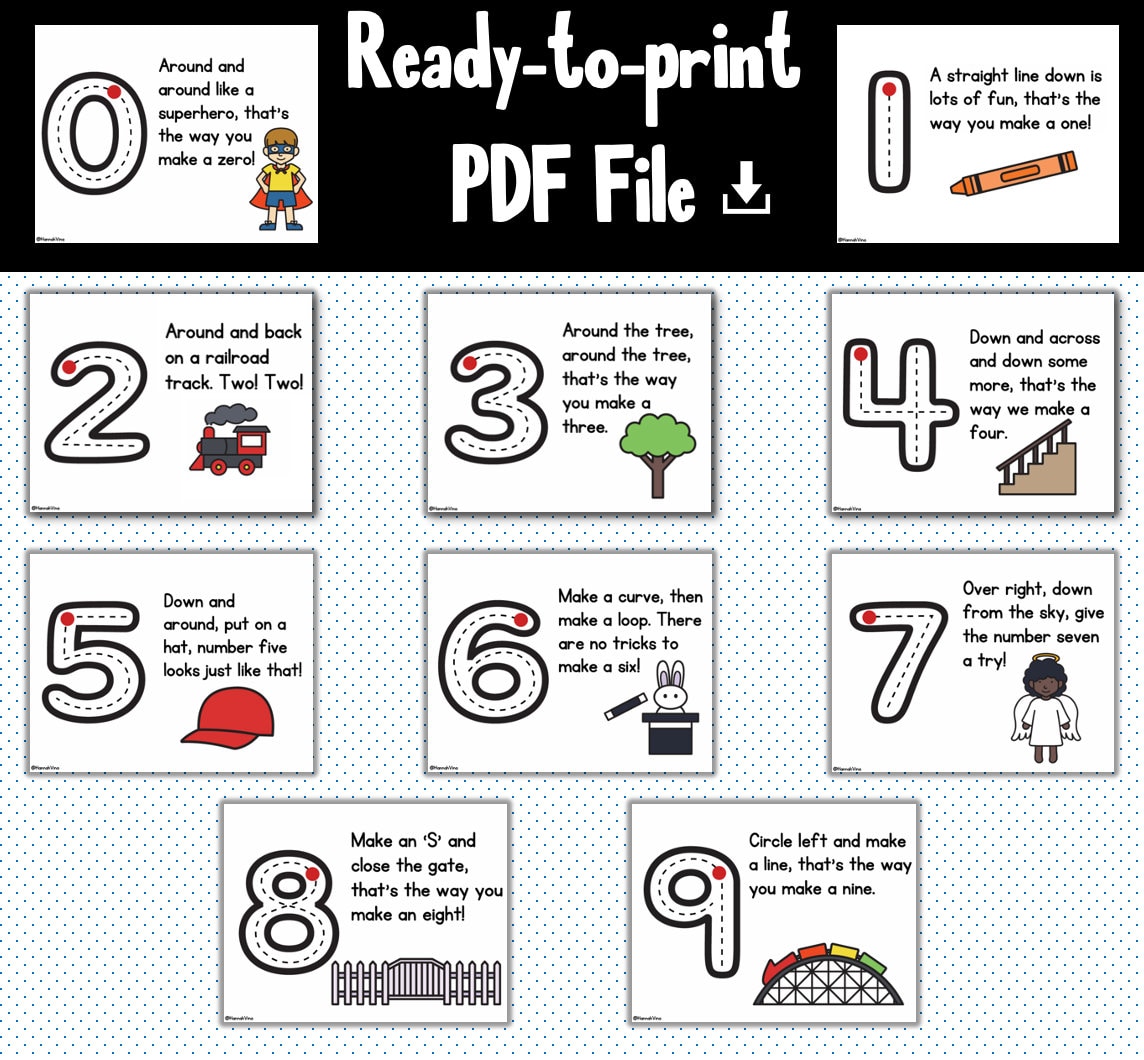
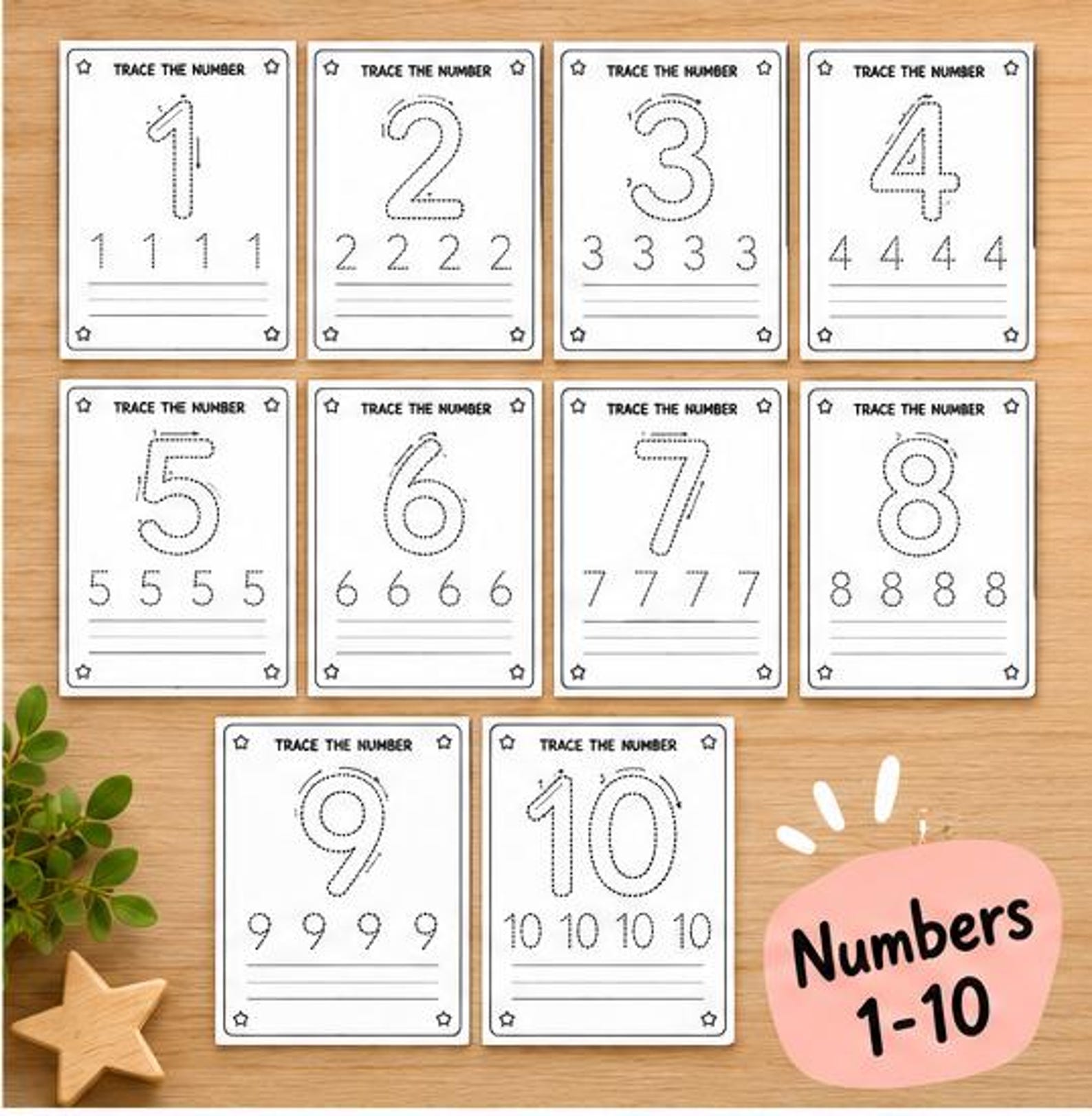
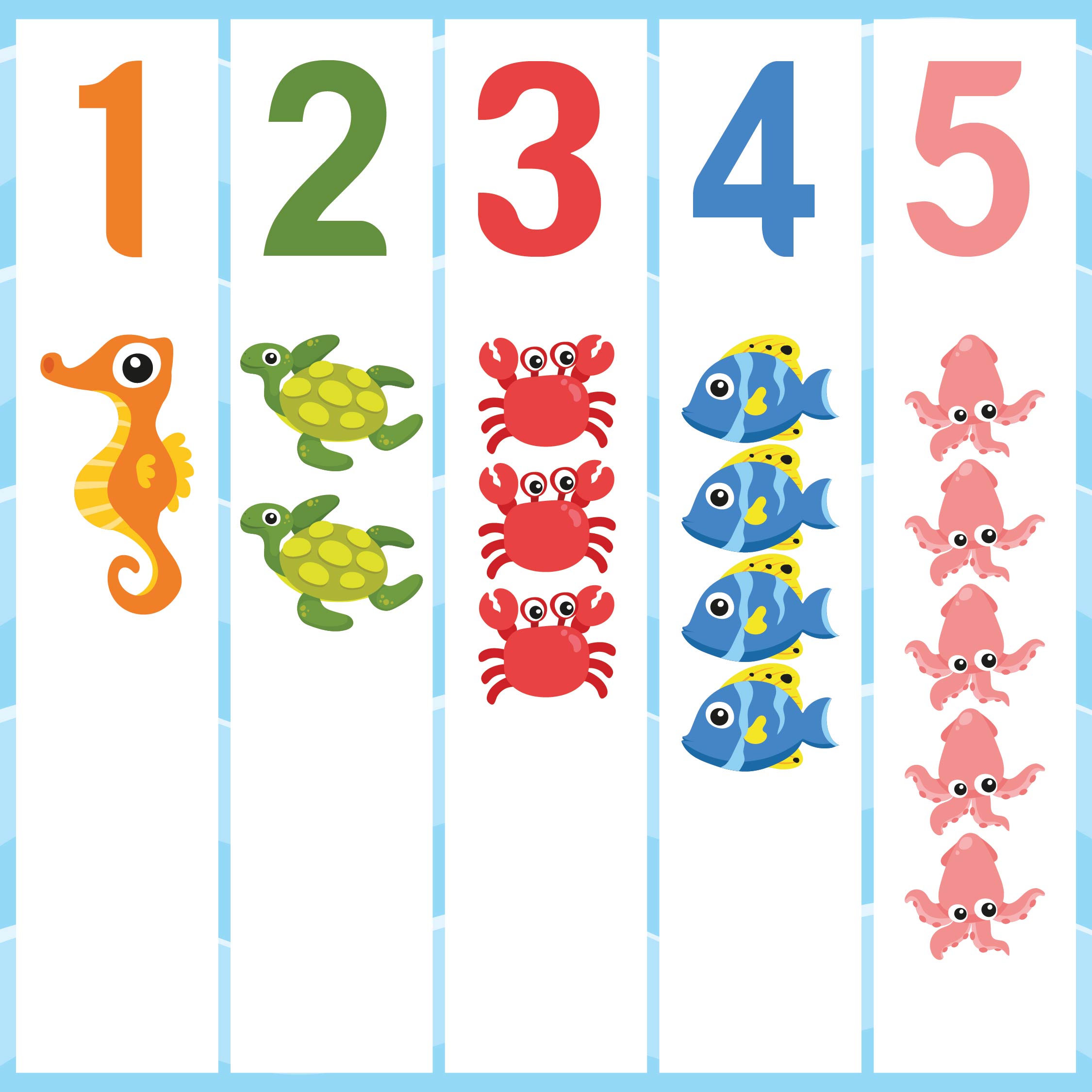
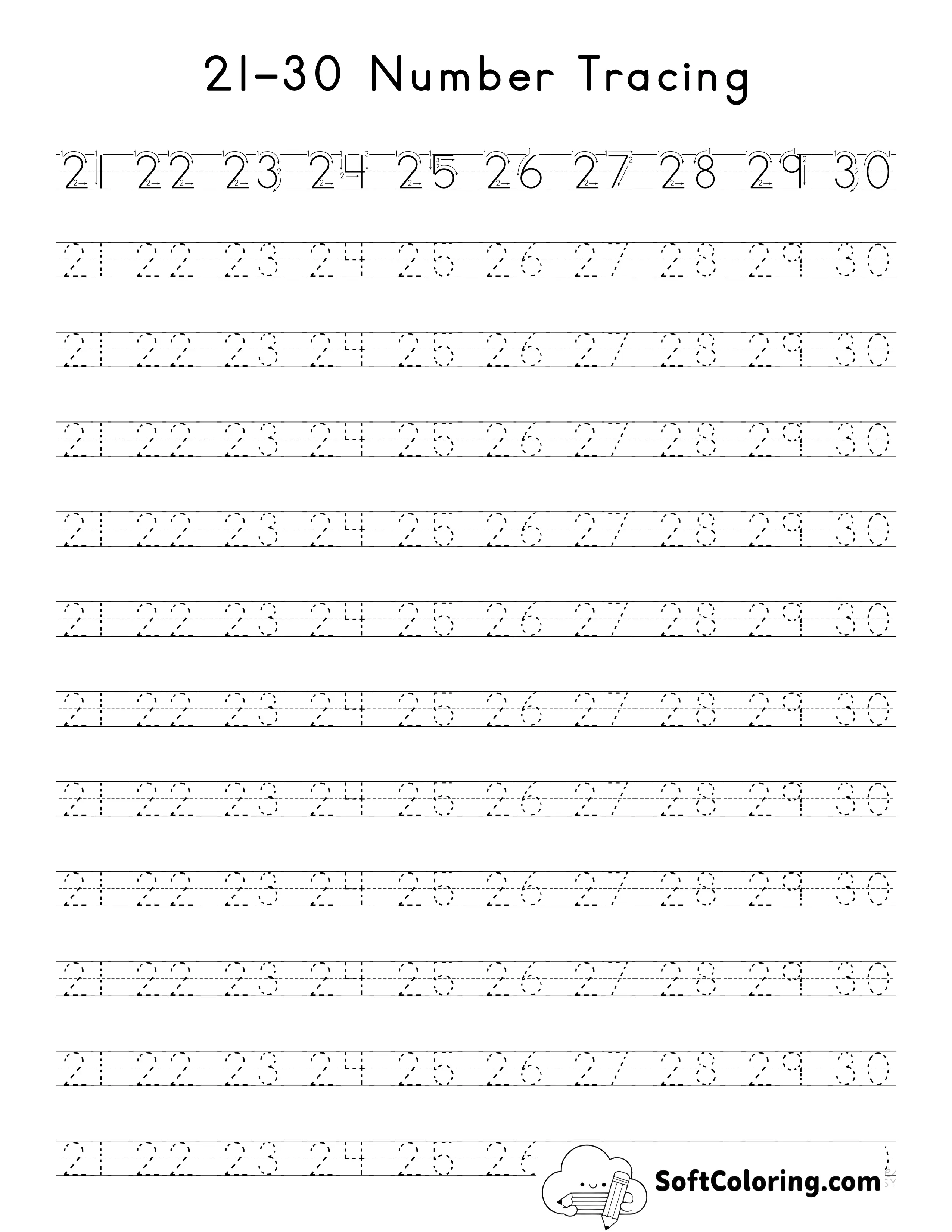
These specialized tracing sheets focus explicitly on numeral formation, stroke order, and directional tracking. Each digit is presented as a wide, navigable track paired with a memorable, rhythm-based rhyme that dictates the pencil’s exact journey. Children do not merely copy a static shape; they follow directional arrows while reciting phrases that describe the physical stroke, such as rounding the top or sliding straight down. This approach targets precise pre-writing foundations by encouraging fluid line and curve control rather than rigid, jerky movements. Exploring the broader Tracing Number section reveals how these specialized tracks move learners past simple dot-to-dot counting into the realm of true graphicacy and spatial awareness.
Key Learning Outcomes
Working through these sheets establishes several foundational milestones for early learners. First, children master correct stroke sequence, ensuring they start digits at the top rather than developing improper habits from the bottom up. Second, the integrated rhymes reinforce auditory memory, helping learners recall formation steps independently during independent math tasks. Third, navigating the enclosed tracks builds bilateral coordination and visual-motor integration, as eyes must guide the hand steadily within boundaries. Finally, these exercises strengthen fine motor control by demanding sustained, controlled pressure from the thumb, index, and middle fingers, preparing small hands for prolonged writing endurance across various subjects. For more related activities, check out our 1 10 Number Chart Printable.
How to Use This Worksheet
Success with these sheets depends entirely on pacing and multisensory engagement. Introduce the worksheet by reading the rhyme aloud and tracing the track with a finger before introducing any writing utensils. According to the American Occupational Therapy Association, multisensory approaches significantly enhance motor planning and spatial perception in early childhood development. Children can trace the tracks using toy cars, tactile paint, or chunky crayons to build initial confidence without the pressure of a traditional pencil grip. Once the physical motion feels familiar, transition to standard writing tools while continuing to recite the accompanying rhyme aloud together.
Practical Tips for Parents and Teachers
Scaffolding makes all the difference when frustration threatens to derail a focused learning session. Begin by modeling the correct grip and stroke on a completed sheet, exaggerating the starting point with a green dot and the stopping point with a red dot. If hand fatigue sets in early, shorten the session to just one or two numbers rather than demanding completion of an entire page. Extend the activity for advanced learners by asking them to write the numeral independently beneath the track without visual boundaries. For children struggling with pencil pressure, placing sheets over a textured surface provides immediate sensory feedback that keeps tiny fingers engaged and grounded in the physical task.
Age-Appropriate Recommendations
For children aged two to four, these tracks serve as an exceptional pre-writing tool focused on gross motor coordination and finger awareness, aligning directly with the National Association for the Education of Young Children guidelines for developmentally appropriate practice. Toddlers and preschoolers benefit most from oversized finger-tracing and tactile explorations of the rhymes. By ages five to eight, learners transition toward formal handwriting and mathematics standards, where these sheets provide essential reinforcement for proper numeral formation and spatial orientation during multi-digit addition and subtraction. Ensuring the right match between developmental readiness and task complexity prevents burnout and fosters genuine academic enthusiasm.
Multisensory interventions combining rhythm, visual guides, and tactile tracing significantly improve spatial perception and numeral retention in early childhood. — American Occupational Therapy Association
Frequently Asked Questions
Finding the right approach to early writing support often brings up practical questions for educators and caregivers alike.
Explore More Free Printable Tracing Worksheets
Supporting a well-rounded foundation in early childhood requires diverse resources that adapt to evolving skill sets and shifting interests. Children often thrive when they can transition seamlessly from foundational lines found in Shape and Line Tracing into more intricate letter work housed within the Alphabet And Numbers Tracing collection. Every child progresses at an entirely unique pace, making flexibility essential for keeping practice enjoyable and pressure-free. Exploring the complete library of resources available at KidTraces.com ensures continuous support for every stage of pencil grip development, early literacy, and pre-writing mastery. Print today
Developmental Milestone & Activity Table
| Development Stage | Recommended Daily Duration | Primary Learning Objective |
|---|---|---|
| Preschool & Pre-K | 10 – 15 Minutes | Pencil grip development & basic pre-stroke lines |
| Kindergarten | 15 – 20 Minutes | Letter/number formation & spatial line awareness |
| Early Elementary (Grade 1–2) | 20 – 30 Minutes | Fluency, sentence construction & neatness |
Images References