Introduction
Many children recognize numerals long before their developing hands possess the intrinsic muscle strength and motor planning required to form them on paper. According to the American Occupational Therapy Association, foundational fine motor skills—such as hand strength, finger dexterity, and bilateral coordination—are essential prerequisites for successful handwriting and daily functional tasks. Adults often watch eager toddlers point at numbers on street signs or counting books, assuming that cognitive recognition translates immediately to pencil control. It rarely does. Bridging this gap requires targeted, developmentally sound practice that respects physical limitations while fostering early math and literacy foundations. The number 1 to 5 printable serves as a vital bridge in this progression, offering low-stakes, highly structured opportunities to connect visual numeral recognition with physical execution. It sounds simple, and that’s the point. By isolating the first five numerals, these pages prevent cognitive overload and allow young learners to focus exclusively on pencil grip, directional starting points, and smooth stroke execution. Exploring resources found within Tracing Number collections provides a seamless entry point for children beginning their formal writing journeys, ensuring early experiences with numbers build confidence rather than frustration.
💡 Technical Key Takeaways:
- Core Focus: Diagnostic schematic and terminal connection layout for Number 1 To 5 Printable.
- Target Scope: Field technicians, automotive DIYers, and residential/commercial electricians.
- Safety Rule: Always disconnect the primary power source/battery terminal and verify zero voltage with a multimeter before touching wires.
What This Worksheet Covers
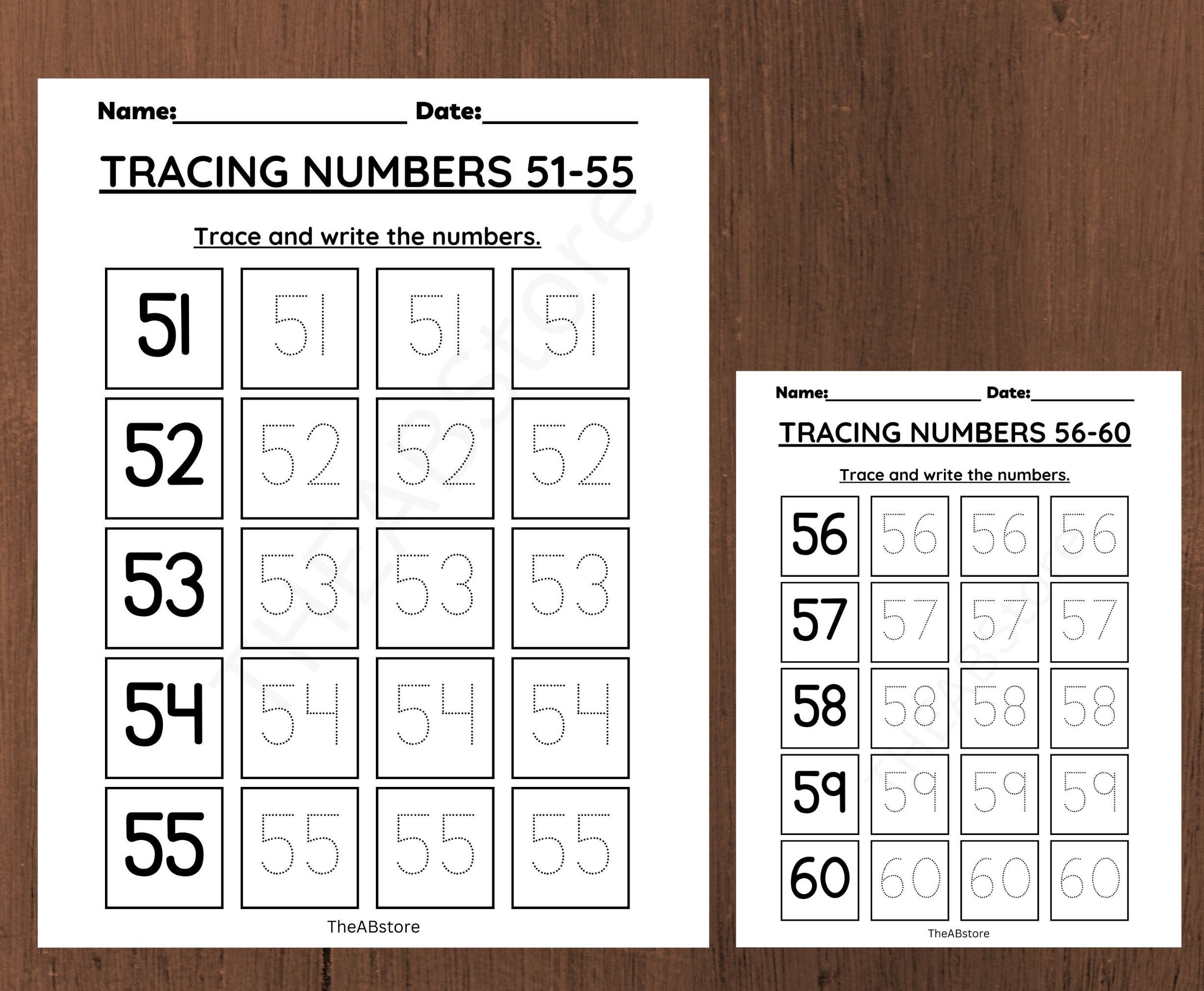
Designed specifically for early learners, the number 1 to 5 printable focuses intensely on numeral formation, stroke order, and spatial awareness. Each page guides the hand through the precise top-to-bottom and left-to-right trajectories required for standard manuscript writing. According to the National Association for the Education of Young Children, providing intentional practice with pre-writing shapes and early symbols supports children in developing the muscle memory necessary for both math and literacy acquisition. The layout intentionally avoids visual clutter, keeping the focus entirely on the numerals 1, 2, 3, 4, and 5. Large, clearly marked starting dots remove the guesswork of where a stroke begins, reducing the formation of inefficient habits like starting numerals from the bottom up. Directional arrows further support independent practice by showing the exact path the pencil should travel. Additional support can be found by exploring Alphabet And Numbers Tracing materials to reinforce these foundational habits across different domains.
Key Learning Outcomes
Working through these focused tracing pages yields several distinct developmental milestones for young learners. Children master correct stroke sequence, ensuring that every numeral is formed efficiently with minimal hand fatigue. Spatial awareness improves as learners practice keeping their pencil marks contained within structured boundaries and primary lines. Visual-motor integration strengthens significantly because the eyes must guide the hand continuously along dotted paths. Furthermore, the repetitive nature of tracing reinforces numeral identification and quantity association, cementing the connection between the written symbol and its numerical value. These combined outcomes establish a robust baseline of pencil control, preparing little hands for more complex writing tasks ahead.
How to Use This Worksheet
Successful implementation relies heavily on creating a supportive, pressure-free environment where children feel safe making mistakes. Begin by introducing one numeral at a time rather than rushing through the entire page in a single sitting. For younger learners, sliding the printable inside a heavy-duty plastic sleeve and using a dry-erase marker reduces resistance on the paper and lowers the anxiety of permanence. Adults should sit beside the child, observing hand position and intervening gently if the grip shifts into a tight, multi-finger fist. Encouraging the child to trace the numeral first with an index finger provides crucial tactile feedback before the pencil touches the page. Integrating tools from Fine Motor and Pre-Writing Skills helps warm up the hand muscles before tackling structured numeral sheets.
Practical Tips for Parents and Teachers
Adults play a crucial scaffolding role when guiding children through early writing exercises. Model the correct stroke order on a separate piece of paper first, verbalizing the movements out loud, such as “straight line down” for the number one. Scaffold the experience by physically guiding the child’s hand for the first few repetitions if the motor pattern feels entirely unfamiliar, gradually fading that assistance as confidence builds. Avoid correcting every slight deviation from the dotted line; instead, praise effort, steady pacing, and correct starting points. Keep writing sessions brief, typically lasting no longer than five to ten minutes to prevent hand cramping and loss of attention. When children show signs of fatigue, pause the activity immediately and return to it another day to maintain a positive association with writing tasks.
Age-Appropriate Expectations
Developmental readiness for tracing spans a wide spectrum between ages two and eight, deeply influenced by individual neurological and physical maturity. For toddlers aged two to four, the focus aligns closely with NAEYC guidelines for developmentally appropriate practice, emphasizing sensory exploration, gross motor control, and large-scale pre-writing strokes rather than perfection in tiny boxes. Children at this stage benefit from larger tracing templates and thick writing utensils that accommodate immature palmar grasps. As children transition into the five-to-eight age bracket, expectations shift toward refined control, aligning with kindergarten and early elementary standards where precise numeral formation, consistent sizing, and proper line orientation become paramount. Recognizing these distinct developmental windows prevents unrealistic demands and ensures that tracing activities remain supportive rather than discouraging.
Foundational fine motor control, including hand strength and bilateral coordination, serves as a direct predictor of future handwriting and academic success. — American Occupational Therapy Association
Frequently Asked Questions
Common questions regarding the use and implementation of early tracing materials often center around logistics, mechanics, and developmental alignment. Clear, direct answers help caregivers make the most of these educational resources.
Explore More Free Printable Tracing Worksheets
Supporting a young child’s journey toward fluent handwriting requires a diverse and engaging collection of practice materials that grow alongside their developing abilities. Discovering additional resources for early learners is entirely stress-free when utilizing comprehensive educational libraries. Caregivers, educators, and therapists can browse the full collection of developmental assets at KidTraces.com to find targeted practice sheets. Whether looking for seasonal engagement or structured line work, exploring categories like Shape and Line Tracing ensures every child receives the exact support they need to thrive.
Quick Wiring Specifications & Terminal Guide
| Component / Circuit | Standard Wire Gauge | Recommended Protection |
|---|---|---|
| Control & Trigger Signals | 18 – 20 AWG | 5A – 7.5A Inline Fuse |
| Standard Auxiliary Load | 14 – 16 AWG | 15A – 20A Circuit Breaker |
| Main Power Feed / Supply | 10 – 12 AWG | 30A – 40A Heavy-Duty Relay |
Images References