Introduction
Many children recognize numerals and letters long before their fine motor skills can actually form them on paper. According to the National Association for the Education of Young Children (NAEYC), young children develop foundational writing through playful, meaningful experiences that bridge visual recognition and physical coordination. It sounds simple, and that is the point. Visual supports transform abstract mathematical symbols into concrete pathways for the hand. When adults introduce the free printable trace numbers visuak resource at {site_name}, learners bridge the gap between seeing a numeral and successfully executing the correct pencil strokes. Children frequently benefit from explicit visual cues that show exactly where a stroke begins and which direction the pencil must travel. This systematic approach reduces frustration, prevents the establishment of poor motor habits, and builds authentic confidence during early academic tasks.
💡 Technical Key Takeaways:
- Core Focus: Diagnostic schematic and terminal connection layout for Trace Numbers Visuak.
- Target Scope: Field technicians, automotive DIYers, and residential/commercial electricians.
- Safety Rule: Always disconnect the primary power source/battery terminal and verify zero voltage with a multimeter before touching wires.
What This Worksheet Covers
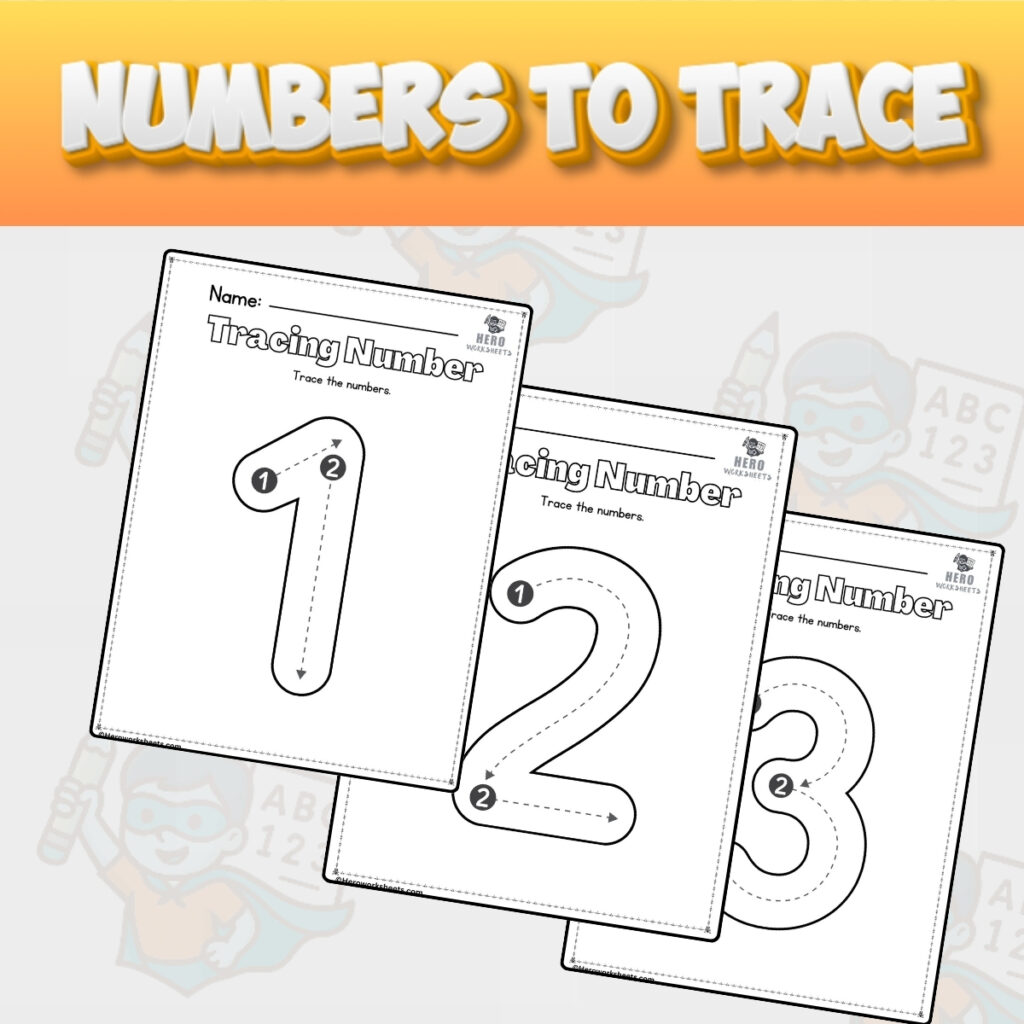
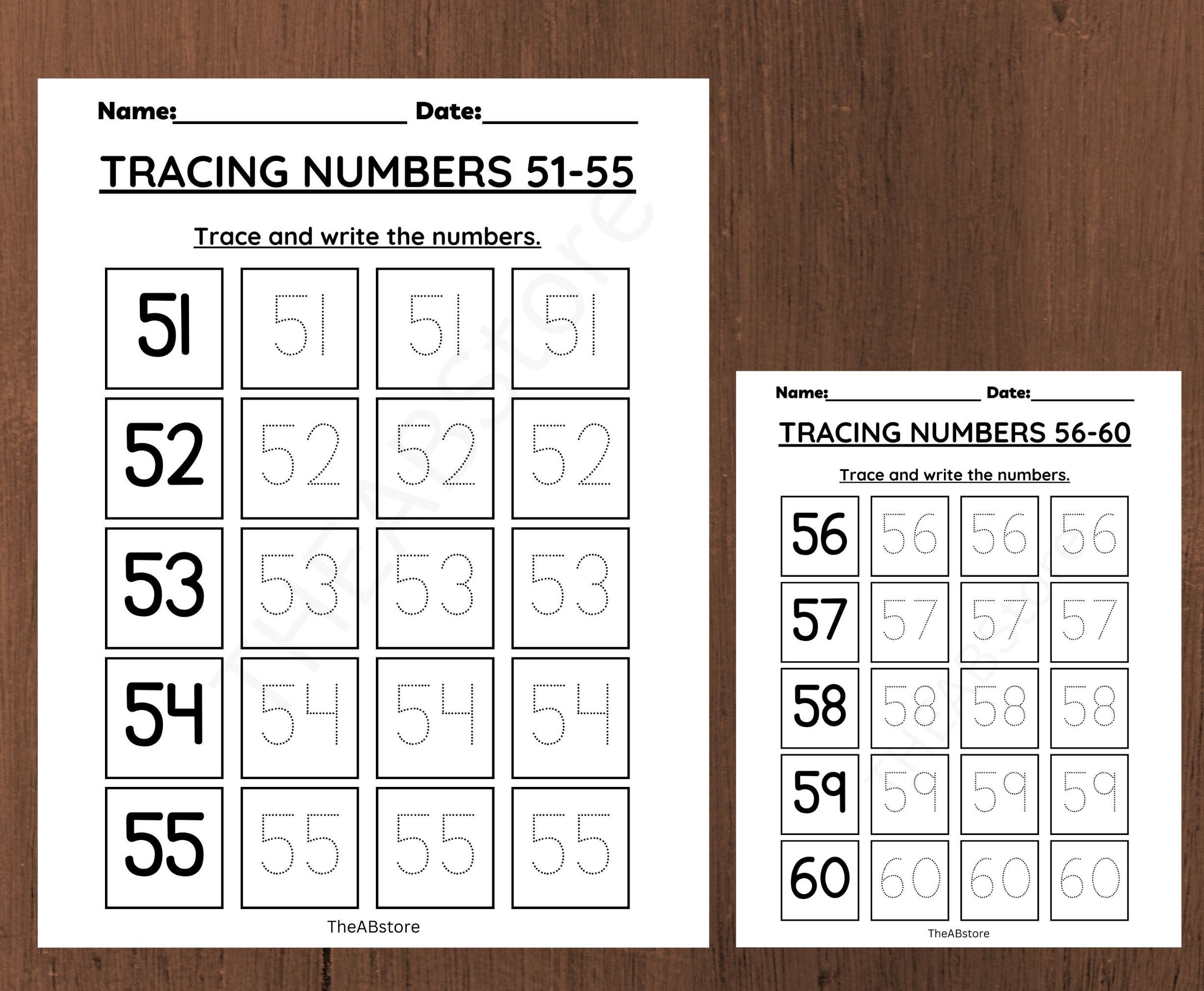
Targeted numeral tracing sheets focus heavily on stroke order, spatial orientation, and directional consistency for digits zero through nine. Each number features explicit visual starting dots, directional arrows, and faint dotted paths that guide the hand through continuous or segmented movements. The layout emphasizes proper spacing and uniform sizing, helping children understand how numerals sit on a baseline. Furthermore, these printables incorporate visual cues like color-coded anchors or directional markers to reinforce correct formation habits from the very first stroke.
Key Learning Outcomes
Consistent interaction with structured numeral tracing yields several measurable developmental milestones. Learners strengthen intrinsic hand muscles and improve bilateral coordination as one hand stabilizes the paper while the other controls the writing tool. Spatial awareness expands significantly as children navigate within defined boundaries, learning to control the stop-and-start motions required for complex digits like eight or three. Additionally, procedural memory solidifies, allowing learners to recall the correct formation sequence independently without visual prompting over time. These combined outcomes directly support broader foundational skills found in programs like Tracing Number and specialized Alphabet And Numbers Tracing collections.
How to Use This Worksheet
Successful implementation relies on preparation, a supportive environment, and appropriate writing instruments that encourage a functional tripod or quadrupod grasp. Begin by sliding the printable sheet inside a heavy-duty dry erase pocket or laminating it, which allows learners to practice repeatedly without the pressure of permanent mistakes. Invite children to trace the large visual cues first using an index finger before picking up a marker or crayon. This multisensory warm-up engages proprioceptive feedback in the shoulder and elbow joints before fine motor tasks demand precision from the fingers and wrist.
Practical Tips for Parents and Teachers
Adults play a vital role in scaffolding these early writing sessions through gentle modeling and constructive observation. When a child struggles with a particular digit, model the formation slowly in the air or on a textured surface while describing the motion aloud, such as sliding across and slanting down. Encourage short, frequent practice sessions lasting five to ten minutes rather than exhausting drill sessions. Modify the writing tool by offering broken crayons or short golf pencils, which naturally encourage an efficient finger grasp. For additional inspiration on developing hand strength, explore resources dedicated to Fine Motor and Pre-Writing Skills.
Age-Appropriate Recommendations
According to the CDC developmental milestones, children generally begin noticing and attempting to imitate vertical and horizontal strokes around age two, making early exposure a gentle, exploratory experience. For toddlers and preschoolers aged two to four, focus strictly on large-scale tactile tracing, finger painting numerals, and using thick markers on oversized templates that prioritize gross motor movement over precision. For older children aged five to eight, align practice with the handwriting expectations outlined in the Common Core ELA standards (such as K.CC.A.3 for writing numbers from 0 to 20). At this stage, expect children to independently manage standard-sized grid lines, maintain consistent pencil pressure, and demonstrate automatic stroke sequence for all foundational digits. Educators often pair these numeral sheets with broader foundational exercises found in Tracing Worksheets to ensure a balanced, comprehensive pre-writing routine.
According to the National Association for the Education of Young Children (NAEYC), developmentally appropriate practice requires aligning teaching strategies with a child’s current cognitive and physical maturation stages rather than enforcing rigid, premature skill execution. — NAEYC Guidelines
Frequently Asked Questions
Getting started with printable educational materials is straightforward when following simple preparation steps. Common inquiries regarding access, developmental benefits, and professional standards are addressed below to support caregivers and educators alike.
According to the American Occupational Therapy Association (AOTA), supporting foundational grasp and upper extremity stability through varied fine motor tasks is essential for school-aged pencil control success. — AOTA Practice Guidelines
Explore More Free Printable Tracing Worksheets
Supporting a well-rounded early childhood curriculum requires a diverse assortment of guided practice materials that grow alongside the learner. Caregivers and educators can browse the complete, expanding library of educational resources by visiting the main hub at KidTraces.com. Whether focusing on early numeral recognition, alphabet mastery, or seasonal engagement, finding the right printable helps foster a lifelong love of learning and writing.
Quick Wiring Specifications & Terminal Guide
| Component / Circuit | Standard Wire Gauge | Recommended Protection |
|---|---|---|
| Control & Trigger Signals | 18 – 20 AWG | 5A – 7.5A Inline Fuse |
| Standard Auxiliary Load | 14 – 16 AWG | 15A – 20A Circuit Breaker |
| Main Power Feed / Supply | 10 – 12 AWG | 30A – 40A Heavy-Duty Relay |
Images References