Introduction
Finding reliable resources to support early pencil control often feels like searching for a needle in a haystack, especially when the goal is to build strong foundational habits without inducing frustration. Many adults notice that children recognize letters and numbers long before their fine motor stamina and hand muscles are genuinely ready to form them on paper. According to the American Occupational Therapy Association, mastering foundational grasp and pre-writing strokes is a vital developmental precursor to legible handwriting. Bridge this gap effectively by utilizing a dependable free alphabet and number tracing pdf for kids, which introduces structured stroke patterns in a supportive format. It sounds simple, and that’s the point. Clear, uncluttered visual layouts reduce cognitive load so children can focus entirely on hand-eye coordination and motor planning.
💡 Educational Key Takeaways:
- Core Skill: Structured Where Can I Get Free Alphabet And Number Tracing Pdf For Kids focused on developing pencil grip, stroke control, and early literacy/math confidence.
- Target Scope: Suited for homeschoolers, preschool, kindergarten, and elementary learners.
- Best Recommendation: Practice 10–15 minutes daily with ergonomic writing tools to reinforce muscle memory without hand fatigue.
What This Worksheet Covers
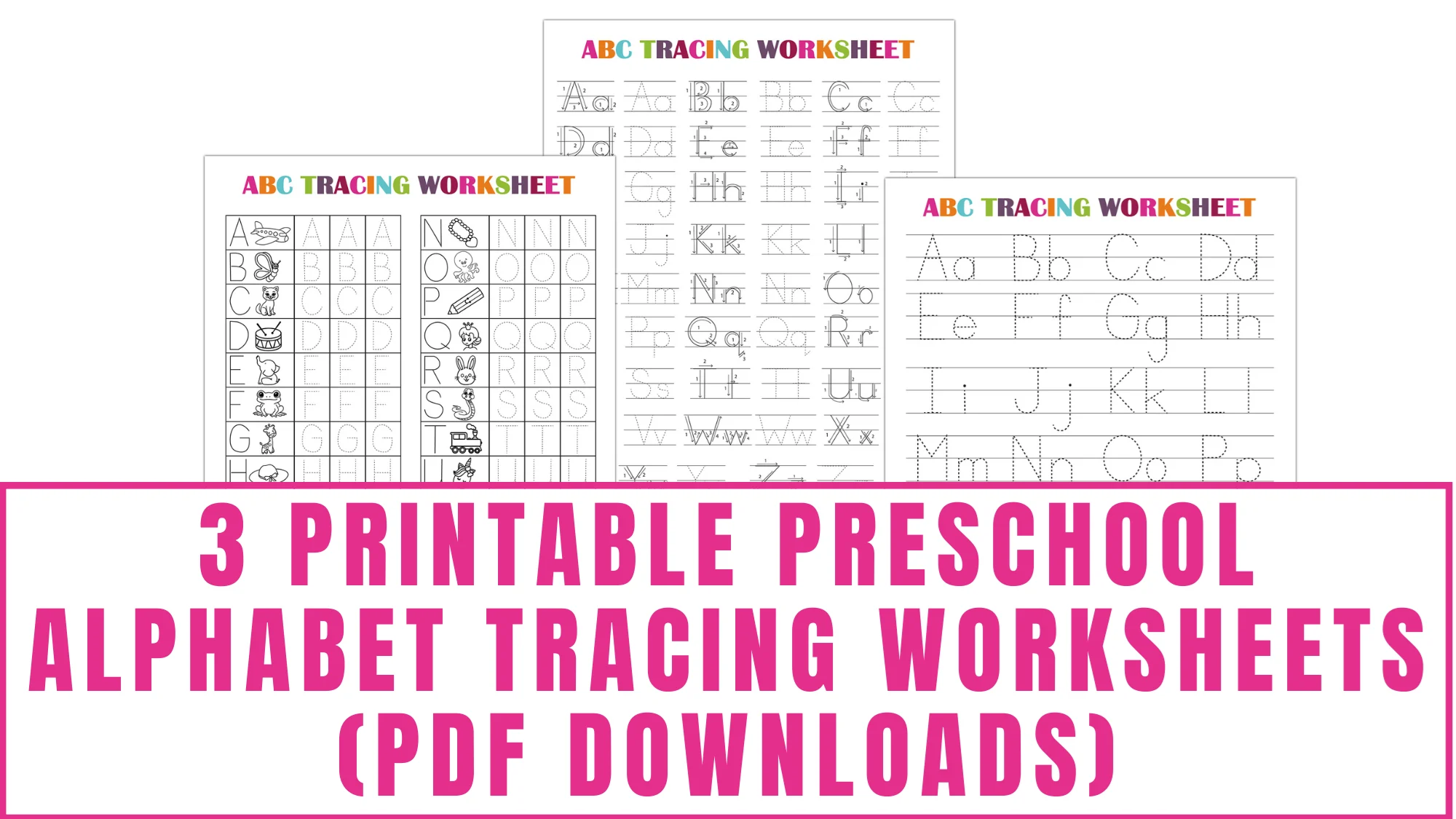
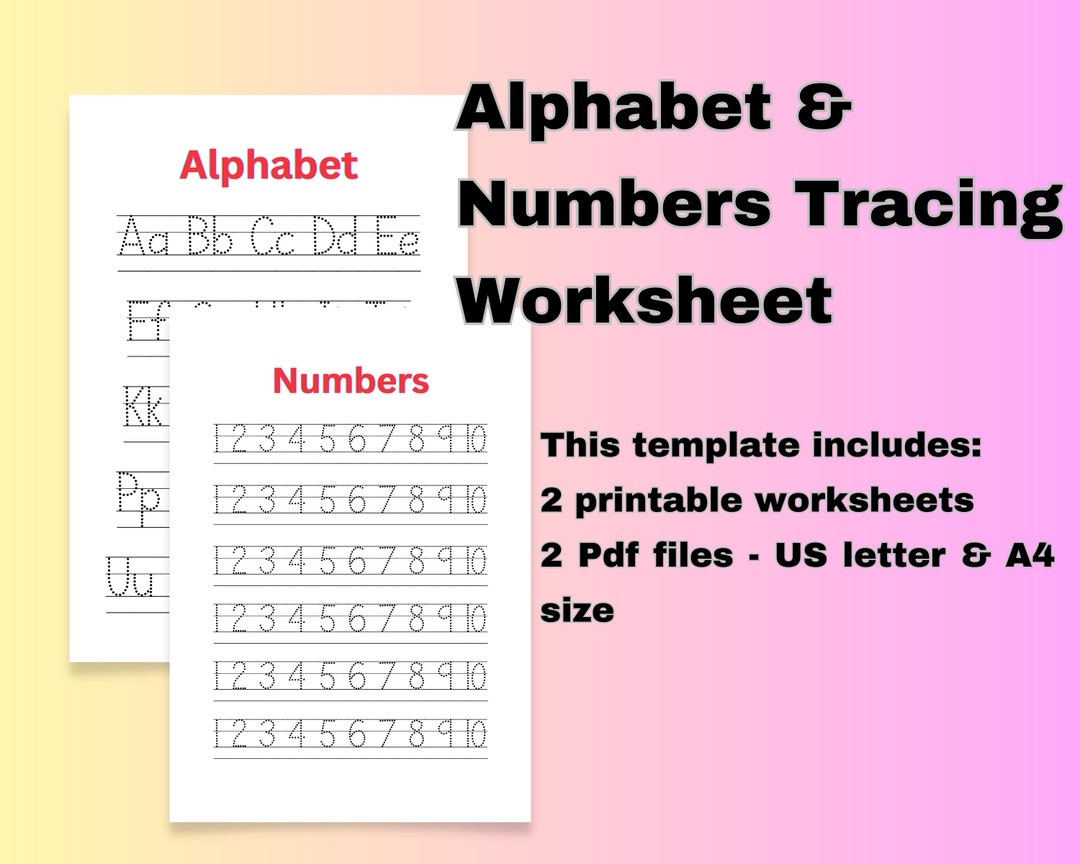
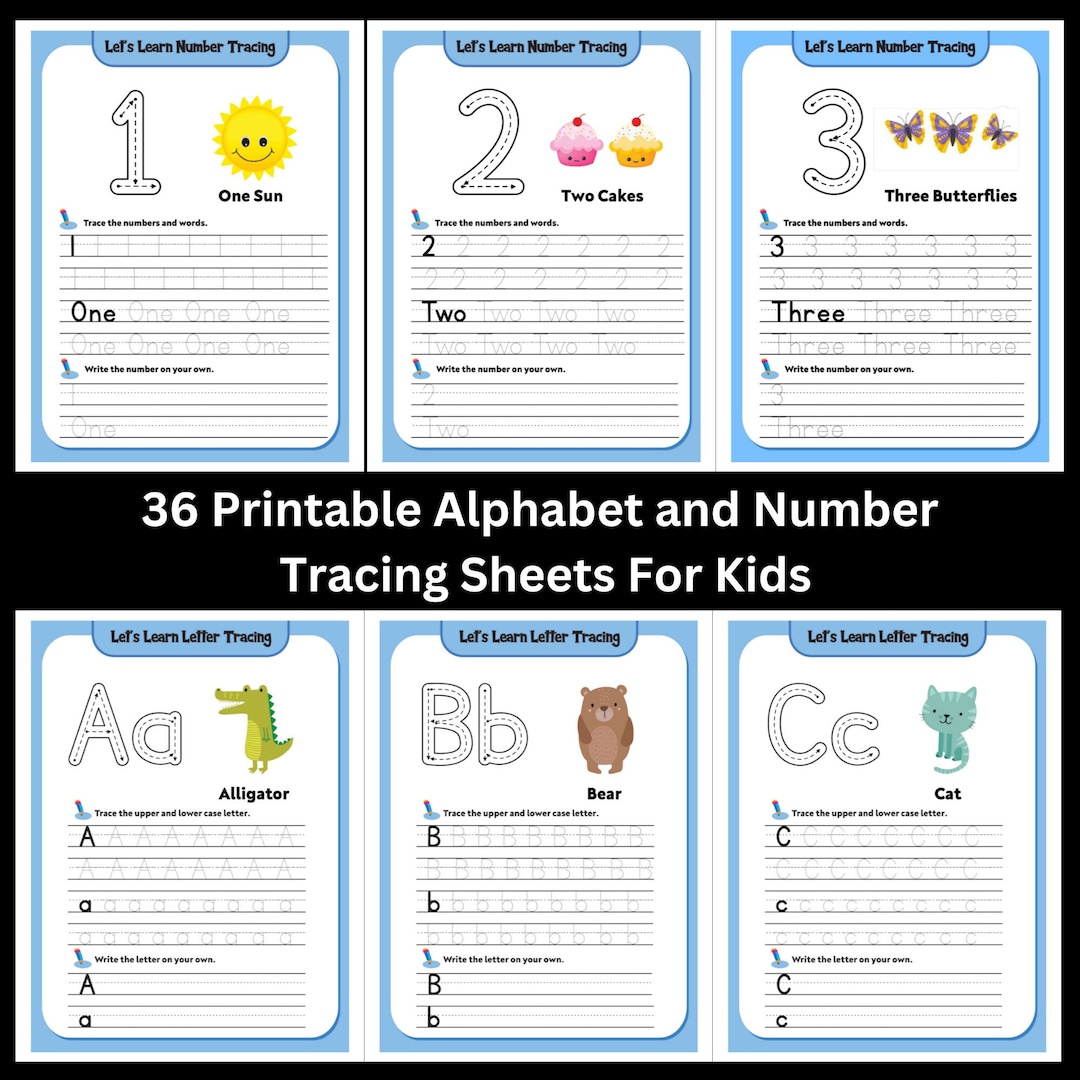
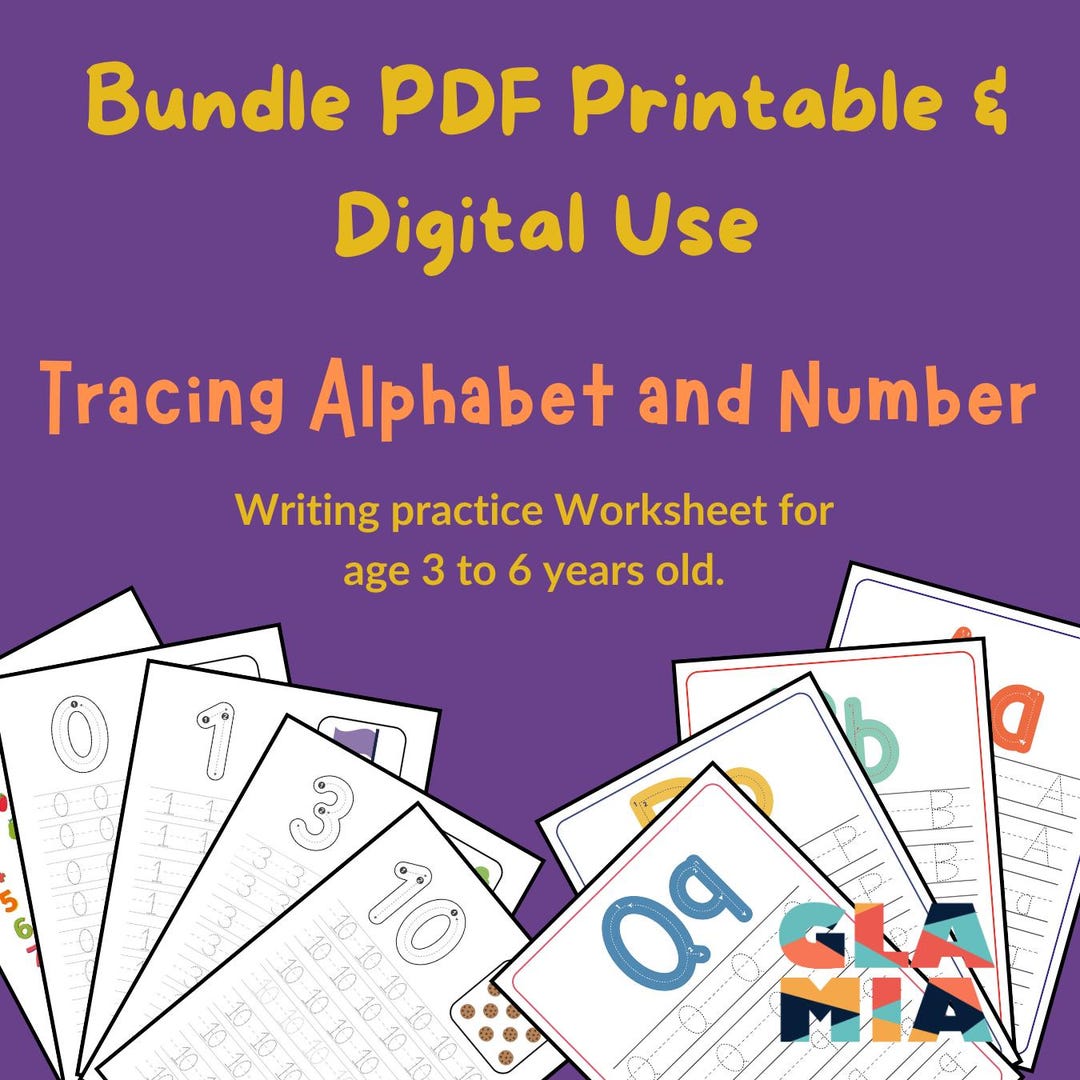
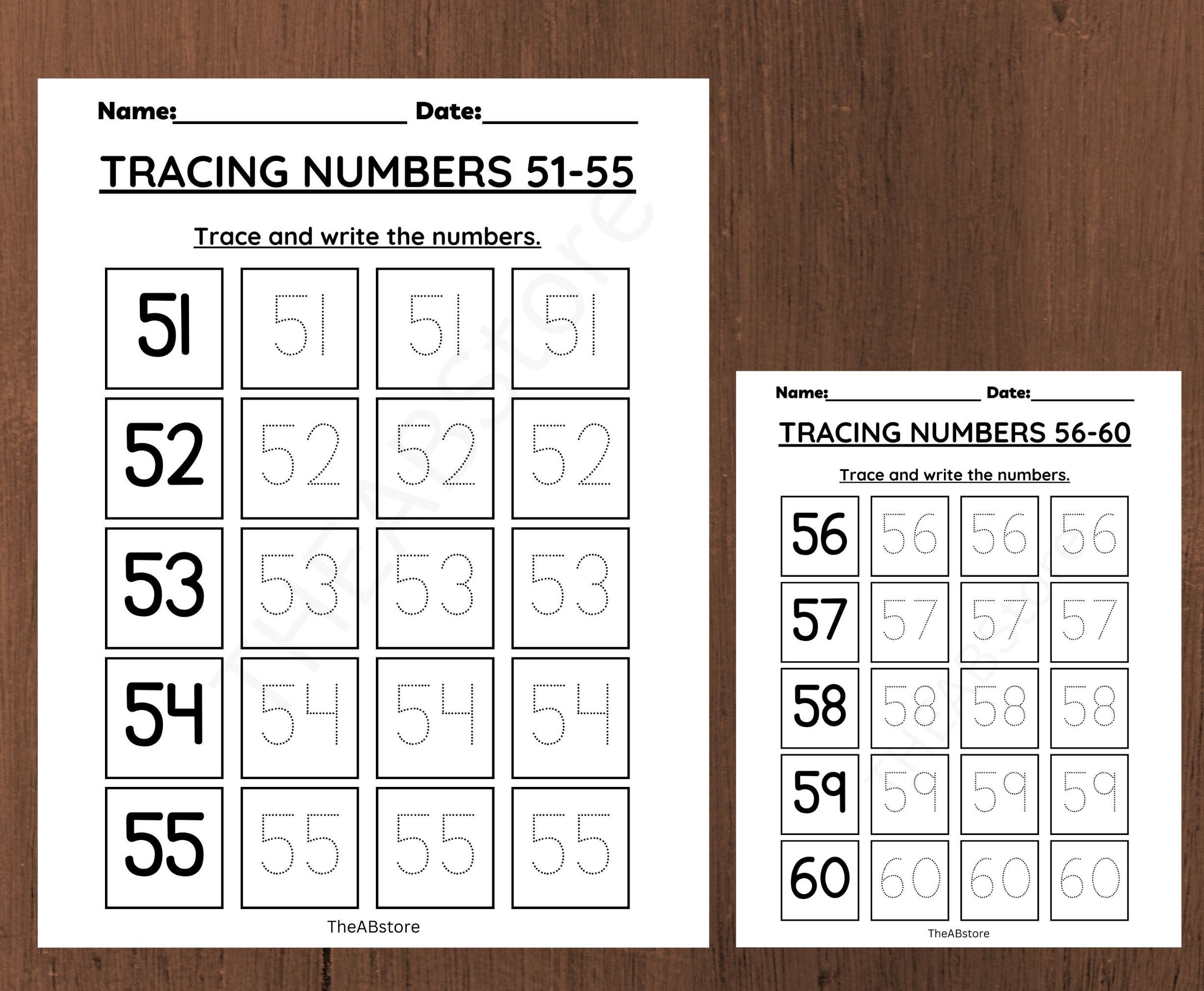
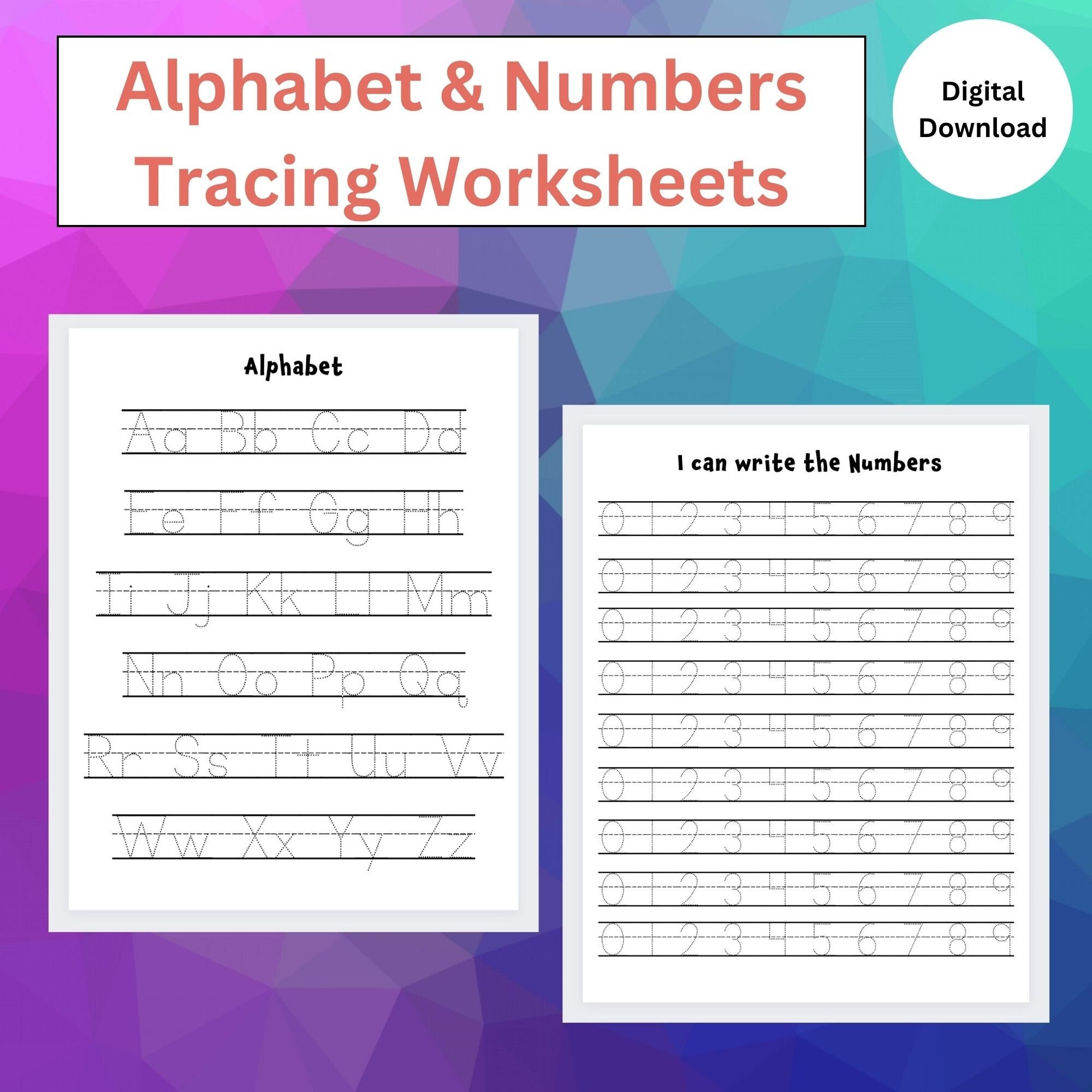
This specific printable resource focuses on proper letter and numeral formation, directional guidance, and foundational stroke execution. Every page is intentionally designed to transition a child from erratic scribbling to controlled, intentional lines. The sheets break down complex shapes into manageable segments, ensuring learners understand where every stroke begins and ends. Guidance lines provide crucial spatial boundaries, teaching young writers how to manage letter size, baseline placement, and proportional spacing between characters. It serves as an essential companion for building the muscle memory required for lifelong writing fluency.
Key Learning Outcomes
Consistent interaction with these structured pages fosters accurate numeral and letter formation, establishing correct directional habits from the very first stroke. Children naturally refine their pencil grip and palmar arch strength as they sustain controlled contact with the writing utensil. Spatial awareness improves steadily as learners navigate within boundaries, aligning with core concepts found in the Alphabet And Numbers Tracing collection. Furthermore, early learners internalize the distinct visual attributes of individual characters, cementing pre-literacy recognition alongside physical dexterity. This dual approach ensures that cognitive processing and physical execution develop synchronously.
How to Use This Worksheet
Implementation requires a balance of structure, patience, and multisensory reinforcement to keep young learners motivated. Adults should begin by observing how the child holds the pencil, gently encouraging a functional grasp without forcing rigid perfection too early. Printing the pages on heavier cardstock or sliding them into transparent dry-erase sleeves allows for repeated practice without the pressure of permanent mistakes. Children benefit immensely when adults model the correct starting point aloud, using verbal cues like starting at the top and pulling straight down. Incorporating additional tactile practice, such as tracing the dotted lines with a finger before picking up a marker, deepens the neurological connection to the movement.
Practical Tips for Parents and Teachers
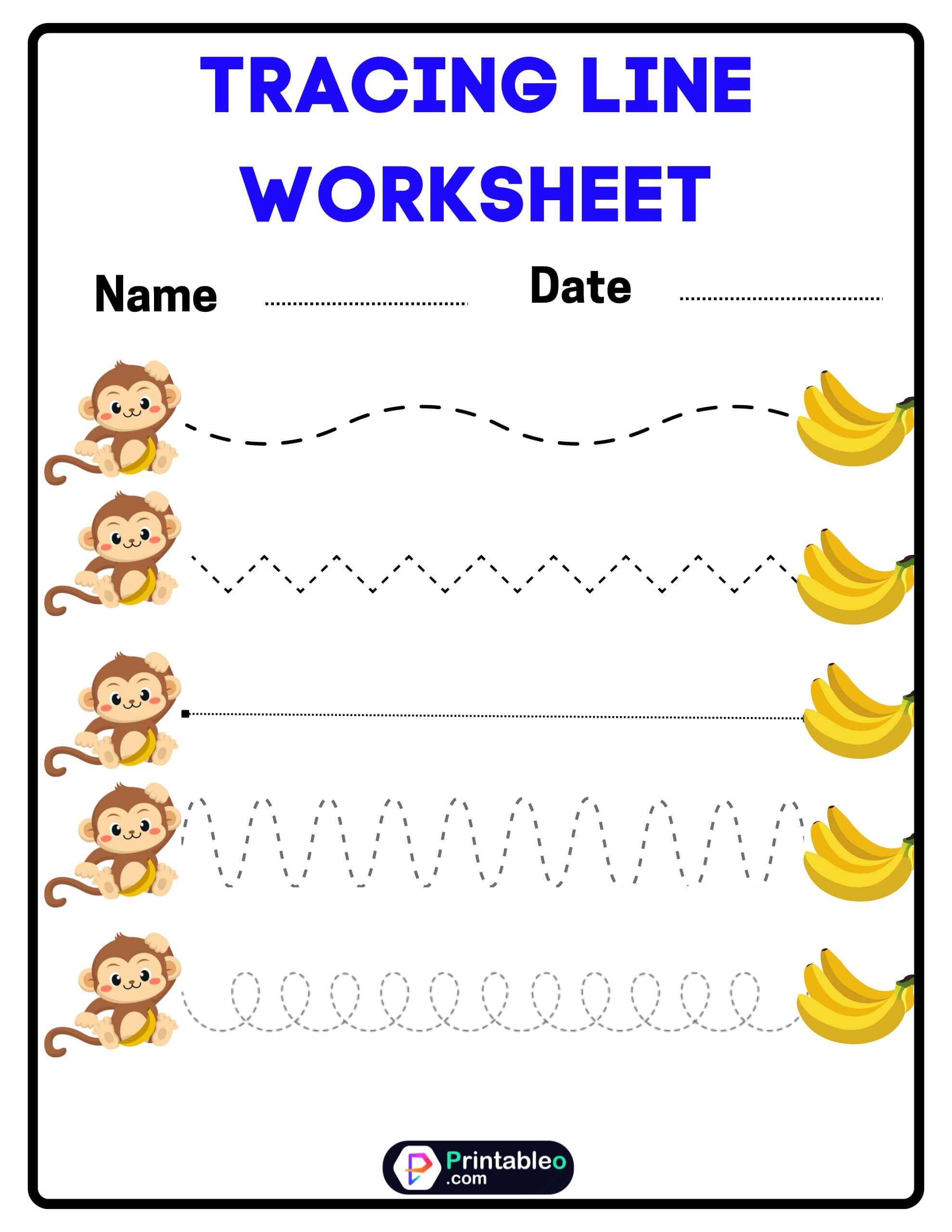
Short, frequent sessions yield much better results than long, exhausting blocks of desk time. Adults can scaffold the experience by physically guiding a hand through the first few formations before encouraging independent attempts. Pairing these sheets with exploratory exercises found via Fine Motor and Pre-Writing Skills helps strengthen the intrinsic hand muscles necessary for sustained writing endurance. Extending the activity might involve asking the child to find objects in the room that match the shape of the letter just practiced, linking abstract symbols to the tangible environment. Celebrating small victories in line control reinforces confidence and turns a potentially tedious task into an enjoyable daily ritual.
Age-Appropriate Recommendations
Developmental readiness varies dramatically across early childhood, making targeted expectations essential for maintaining a positive attitude toward writing. For toddlers and preschoolers aged two to four, the focus aligns with the National Association for the Education of Young Children guidelines emphasizing sensory exploration, large vertical surface tracing, and gross motor pre-writing lines. As children progress into kindergarten and early elementary school ages five through eight, expectations shift toward precise pencil control, standard letter height, and left-to-right progression. Exploring resources such as Tracing Worksheets helps educators and families match specific developmental milestones with the right level of structural support, ensuring children are neither overwhelmed nor under-challenged.
According to the National Association for the Education of Young Children, young children learn best through active engagement, scaffolded skill progression, and developmentally appropriate practice rather than rote memorization. — NAEYC Practice Guidelines
Frequently Asked Questions
Answers to common inquiries regarding downloading, printing, and integrating these educational resources into daily routines:
According to the International Dyslexia Association, explicit multisensory instruction in letter formation significantly reinforces orthographic mapping and reading fluency. — IDA Teaching Reading is Rocket Science
Explore More Free Printable Tracing Worksheets
Supporting a child’s journey toward fluent handwriting involves exploring a wide variety of engaging, developmentally sound materials tailored to different interests and skill levels. Whether the goal is refining basic pencil control or encouraging advanced writing habits, having access to a diverse library makes all the difference. Discover a comprehensive collection of resources designed by educators to support every stage of early childhood development by visiting the full library at KidTraces.com today.
Developmental Milestone & Activity Table
| Development Stage | Recommended Daily Duration | Primary Learning Objective |
|---|---|---|
| Preschool & Pre-K | 10 – 15 Minutes | Pencil grip development & basic pre-stroke lines |
| Kindergarten | 15 – 20 Minutes | Letter/number formation & spatial line awareness |
| Early Elementary (Grade 1–2) | 20 – 30 Minutes | Fluency, sentence construction & neatness |
Images References