Introduction
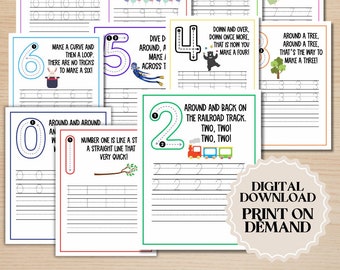
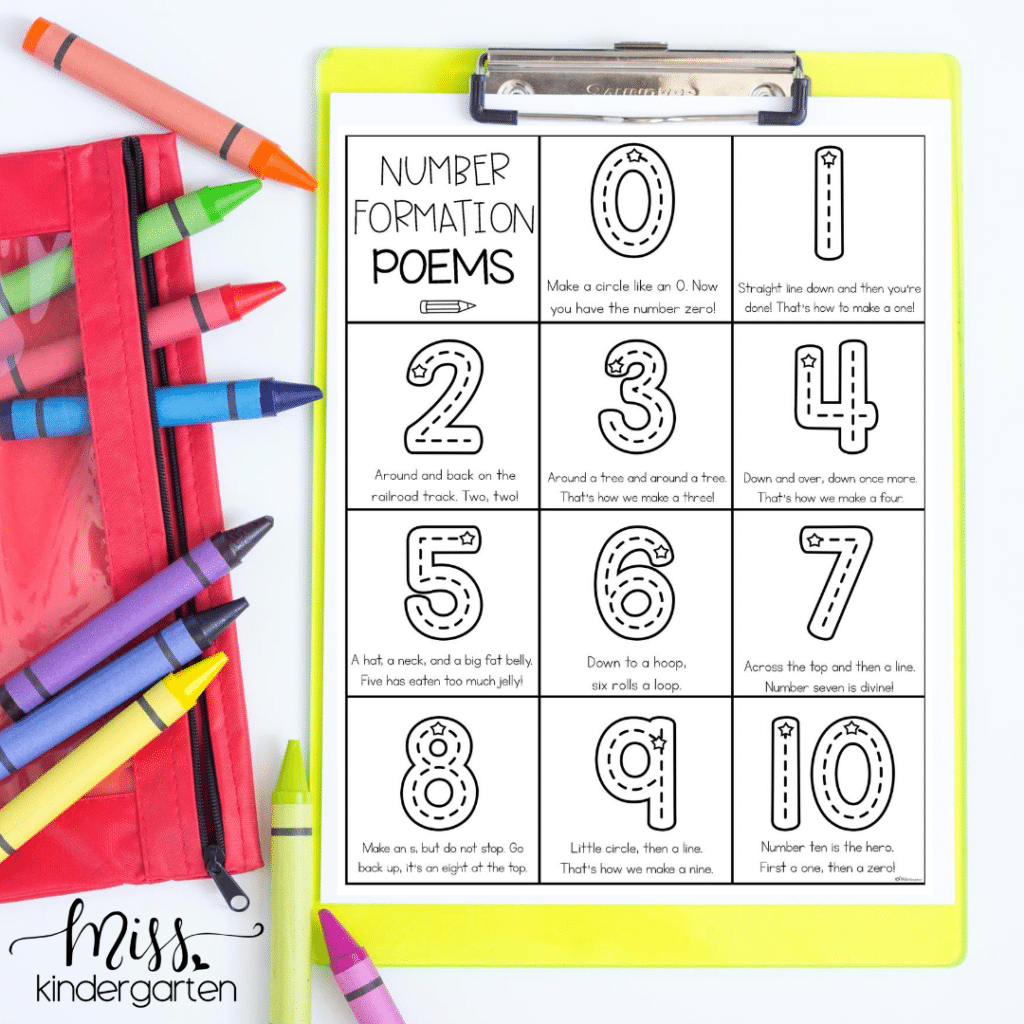
Many young children recognize numerals and letters long before their developing fine motor muscles possess the strength and coordination to form them accurately on paper. According to the American Occupational Therapy Association, foundational handwriting skills require a complex integration of visual perception, postural control, and bilateral coordination that develops gradually throughout early childhood. Bridging this gap between cognitive awareness and physical execution often demands creative, multi-sensory tools that resonate with young learners. Enter the free printable number formation rhymes miss ellis, a thoughtfully designed resource that pairs auditory rhythm with visual stroke direction. It sounds simple, and that’s the point. By transforming abstract mathematical symbols into memorable verbal stories, these guides help children internalize correct pencil paths naturally. Effective pre-writing practice relies heavily on consistency, making these rhythm-based sheets an invaluable addition to any early learning environment.
💡 Technical Key Takeaways:
- Core Focus: Diagnostic schematic and terminal connection layout for Number Formation Rhymes Miss Ellis.
- Target Scope: Field technicians, automotive DIYers, and residential/commercial electricians.
- Safety Rule: Always disconnect the primary power source/battery terminal and verify zero voltage with a multimeter before touching wires.
What This Worksheet Covers
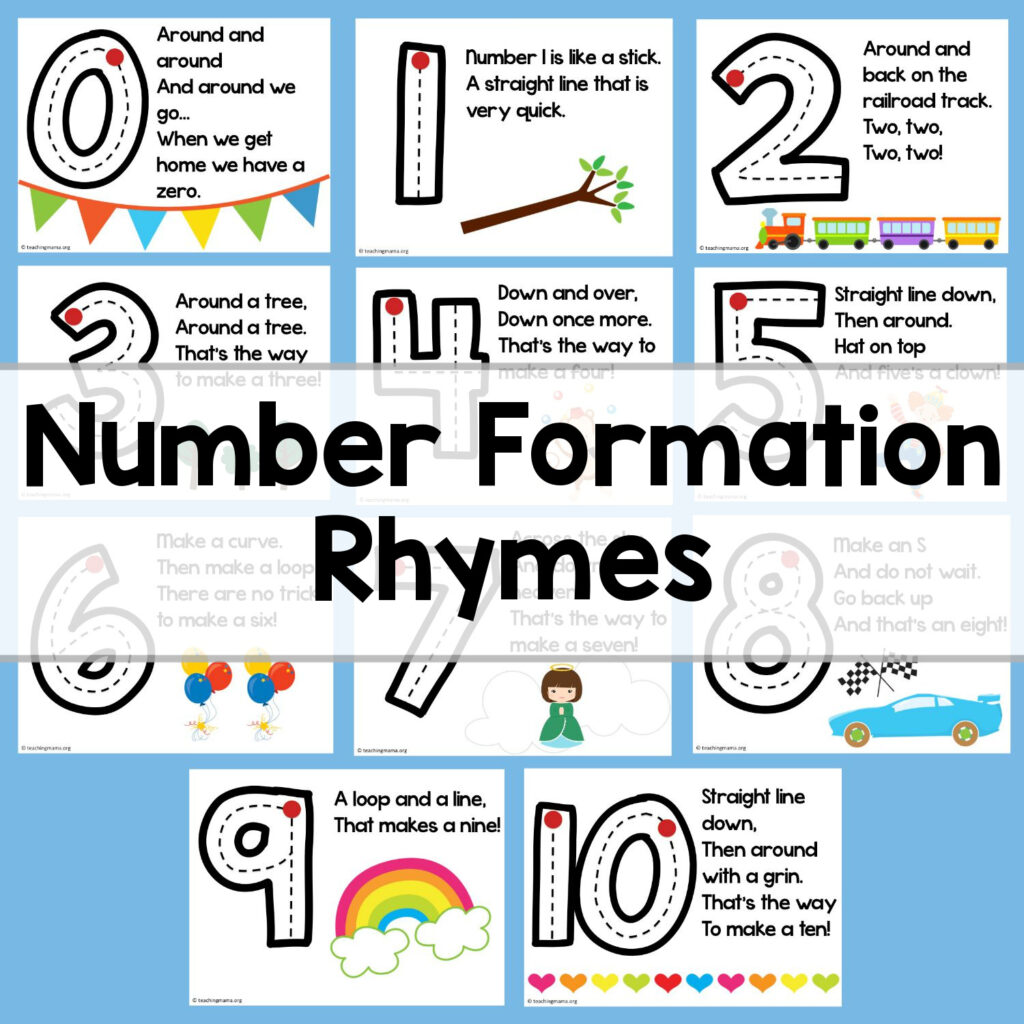
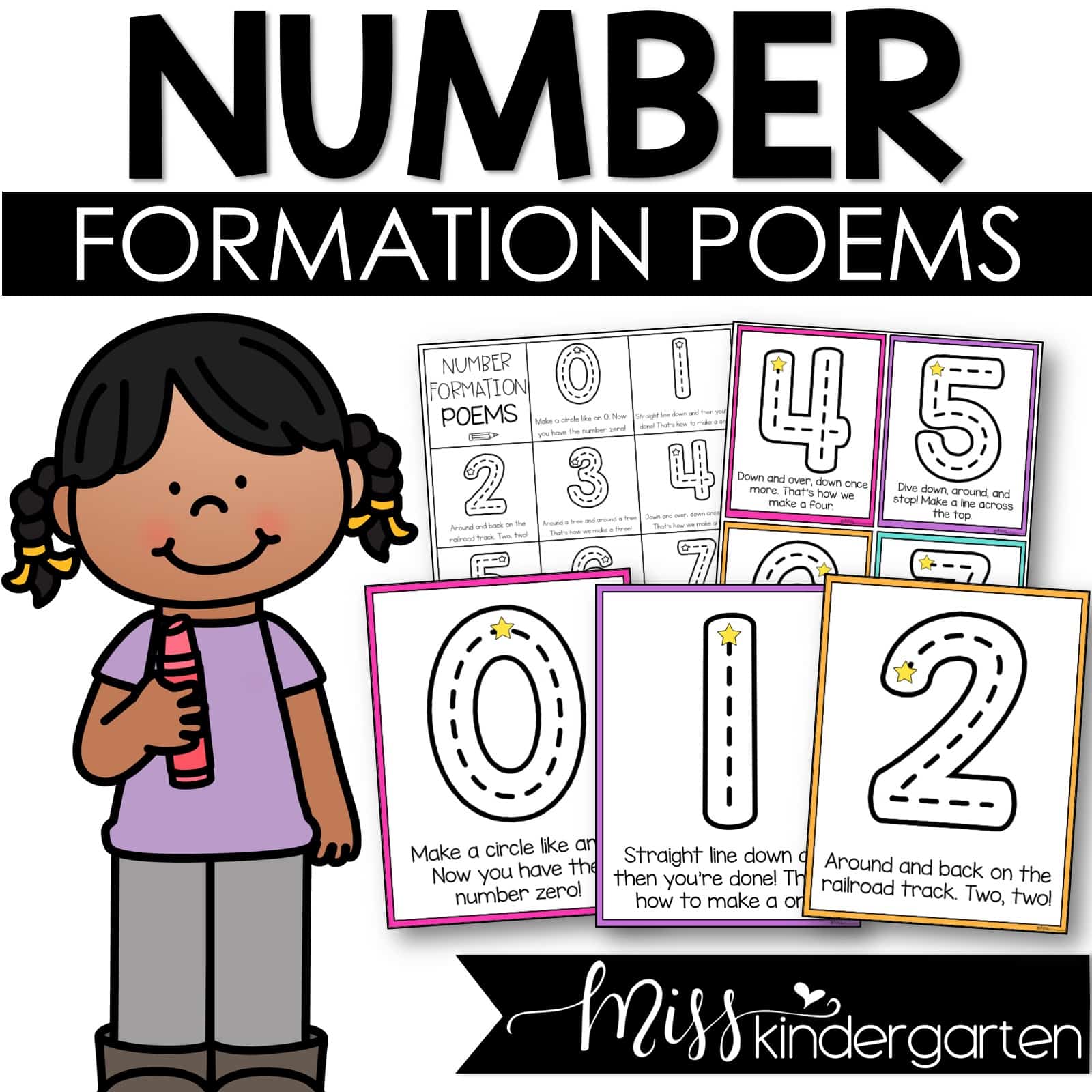
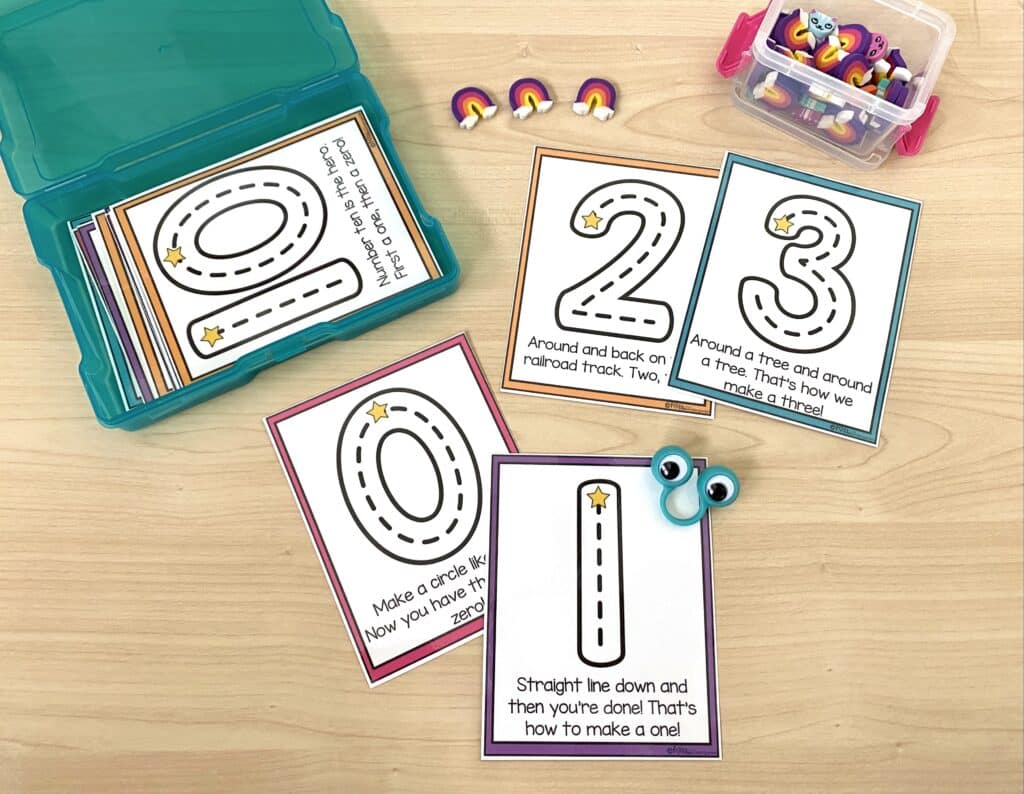
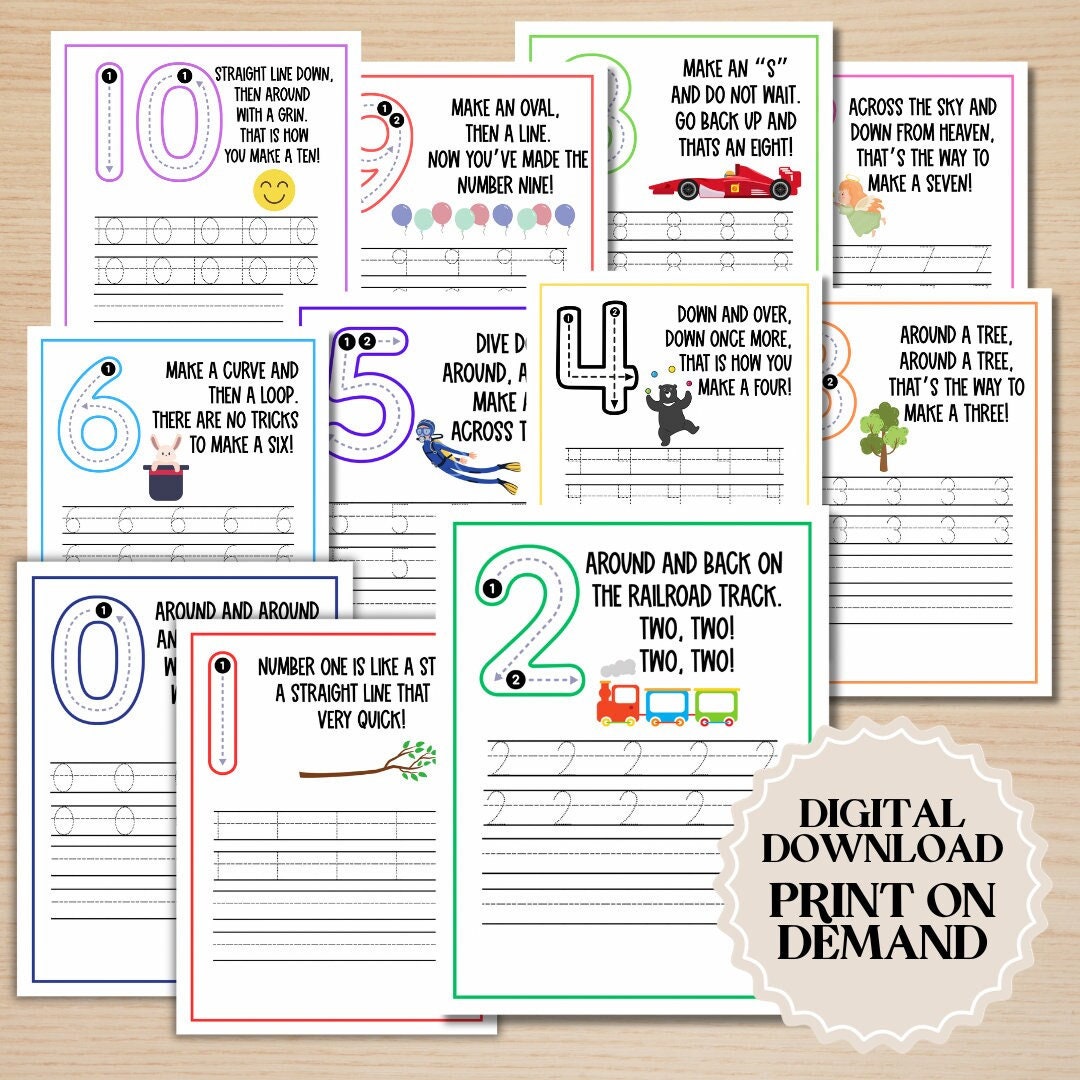
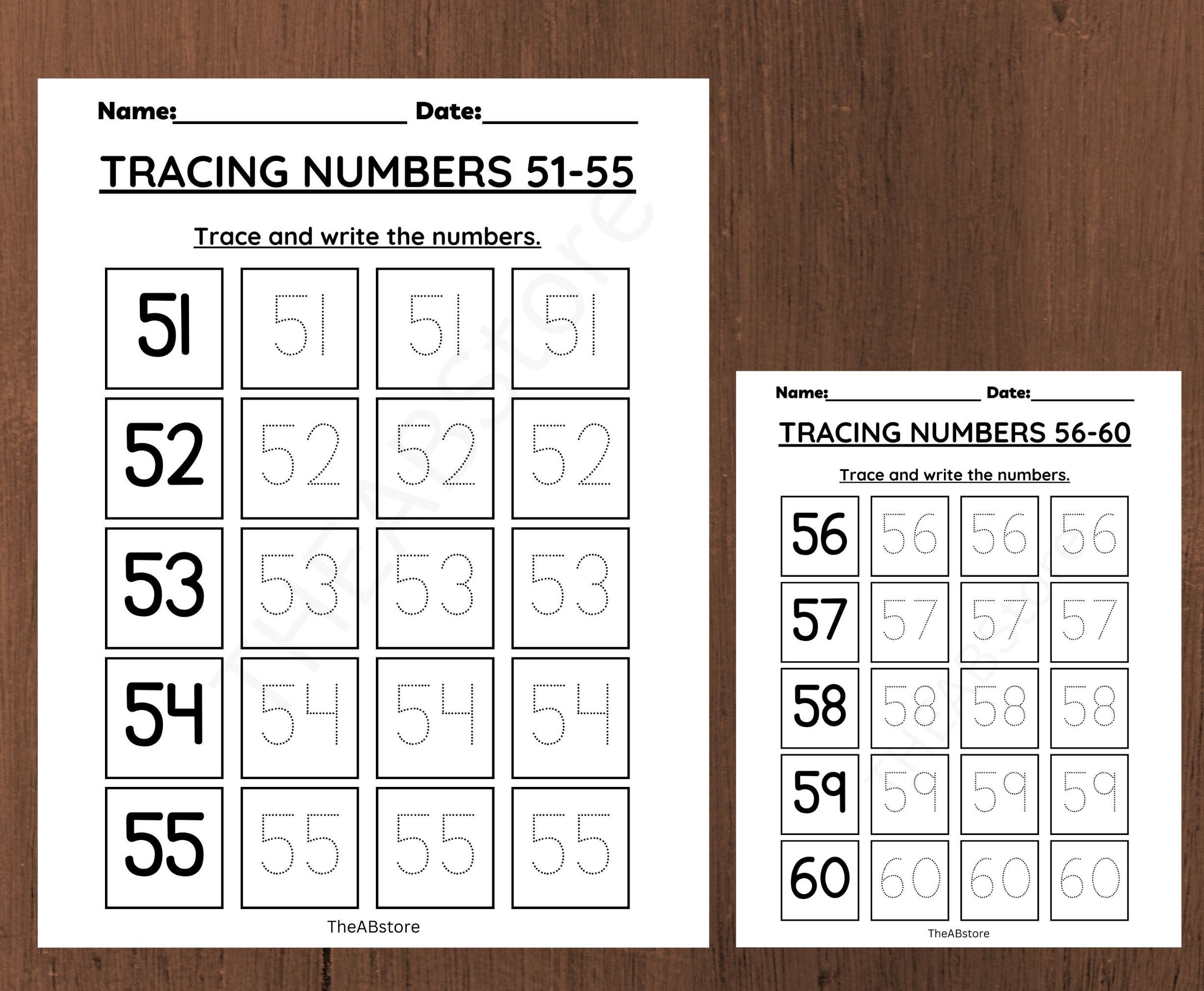
This targeted resource focuses explicitly on correct numeral formation, stroke order, and spatial orientation for digits zero through nine. Each numeral features explicit starting points, directional arrows, and a corresponding rhyming couplet that describes the pencil movement. Children trace through guided paths while reciting the rhythm aloud, engaging auditory, visual, and kinesthetic pathways simultaneously. The layout provides ample white space to prevent visual clutter, ensuring that young learners maintain focus on the specific motor task at hand. Developing clean pencil control requires an understanding of where a stroke begins and ends, a concept reinforced structurally on every page. For educators seeking to expand this practice, pairing these sheets with related Tracing Number activities builds remarkable consistency across daily math and literacy centers.
Key Learning Outcomes
Working consistently with these rhyme-based guides fosters several critical developmental milestones in young children. Learners master correct stroke sequence and directional habits, which prevents the formation of inefficient, laborious writing habits later in school. Spatial awareness improves significantly as children learn to orient numerals properly within defined writing lines. Hand-eye coordination and fine motor precision strengthen through repeated tracing of structured, continuous lines and curves. Furthermore, reciting the accompanying rhymes simultaneously builds working memory and strengthens the cognitive link between spoken language and physical symbols. These combined outcomes establish a rock-solid foundation for future mathematical notation and general handwriting fluency.
How to Use This Worksheet
Successful implementation begins with introducing the physical rhyme before the pencil ever touches the paper. Adults can model the motion in the air, tracing large numerals with an index finger while chanting the rhyme together with the child. Once the physical motion feels familiar, transition to the printed page using short, stubby writing tools like broken crayons or golf pencils to encourage an optimal tripod grasp. According to Reading Rockets, multi-sensory instructional strategies significantly improve letter and number retention for emergent learners. Encourage children to trace the primary example first, utilizing the visual cues before attempting independent formation on the dotted lines below. Patience during these early trials ensures that children build confidence alongside muscle endurance.
Practical Tips for Parents and Teachers
Scaffolding the learning process makes a tremendous difference in how children receive early writing tasks. Adults should observe hand fatigue closely, pausing the activity immediately if a child begins white-knuckling the writing instrument or slumping posture. Modifying the activity can be as simple as placing the sheet inside a heavy-duty plastic sleeve and using a dry-erase marker, which reduces friction and lowers the stakes of making a mistake. Extending the lesson outdoors by writing numerals in sand, shaving cream, or paint further reinforces the verbal rhymes through tactile feedback. Consistent, low-pressure exposure yields far better long-term results than lengthy, frustrating drilling sessions. Exploring additional resources through Alphabet And Numbers Tracing offers wonderful continuity for children mastering both letters and digits.
Age-Appropriate Recommendations
For children ages two to four, the National Association for the Education of Young Children Developmentally Appropriate Practice guidelines emphasize sensory exploration and large muscle movement over rigid pencil-to-paper drills. Toddlers and young preschoolers benefit most from listening to the rhymes, tracing the large starter numerals with their fingers, and engaging in gross motor air-writing. For children ages five to eight, formal pencil control aligns directly with Common Core ELA standards such as writing lowercase and uppercase letters and numerals with appropriate formation. At this stage, children use the guided tracing sheets to refine pencil pressure, regulate stroke speed, and achieve automaticity in numeral production. Tailoring expectations to these developmental windows prevents frustration and fosters a genuine love of writing.
Foundational handwriting skills require the integration of visual perception, postural control, and bilateral coordination. — American Occupational Therapy Association
Frequently Asked Questions
Explore More Free Printable Tracing Worksheets
Supporting a child through early literacy and pre-writing milestones is an exciting journey filled with small, daily victories. Every young learner moves at an individualized pace, requiring a diverse selection of tools to maintain engagement and build genuine confidence. The complete library at KidTraces.com provides an extensive array of resources tailored to every developmental stage. For targeted practice beyond numerals, caregivers can explore Fine Motor and Pre-Writing Skills as well as Shape and Line Tracing to support comprehensive hand development. Consistent, joyful practice paves the way for a lifetime of successful writing.
Quick Wiring Specifications & Terminal Guide
| Component / Circuit | Standard Wire Gauge | Recommended Protection |
|---|---|---|
| Control & Trigger Signals | 18 – 20 AWG | 5A – 7.5A Inline Fuse |
| Standard Auxiliary Load | 14 – 16 AWG | 15A – 20A Circuit Breaker |
| Main Power Feed / Supply | 10 – 12 AWG | 30A – 40A Heavy-Duty Relay |
Images References