Introduction
Many children recognize numerals long before their developing hands possess the intrinsic muscle strength required to form them on paper. According to the American Occupational Therapy Association, foundational fine motor control and postural stability must mature in tandem for successful handwriting acquisition. Adults often notice a young learner pointing eagerly at a calendar or a grocery sign, identifying the digits with ease, yet struggling immensely when handed a writing utensil. Bridging that gap between cognitive recognition and physical execution requires intentional, scaffolded practice that respects the developmental timeline of the hand. The free printable worksheet focused on tracing numbers to 20 provides a structured, low-pressure environment for children to master numeral formation, stroke order, and spatial awareness. It sounds simple, and that is precisely the point. By breaking down complex number shapes into manageable, guided strokes, learners build the muscle memory necessary for lifelong writing fluency.
💡 Educational Key Takeaways:
- Core Skill: Structured Tracing Numbers To 20 focused on developing pencil grip, stroke control, and early literacy/math confidence.
- Target Scope: Suited for homeschoolers, preschool, kindergarten, and elementary learners.
- Best Recommendation: Practice 10–15 minutes daily with ergonomic writing tools to reinforce muscle memory without hand fatigue.
What This Worksheet Covers
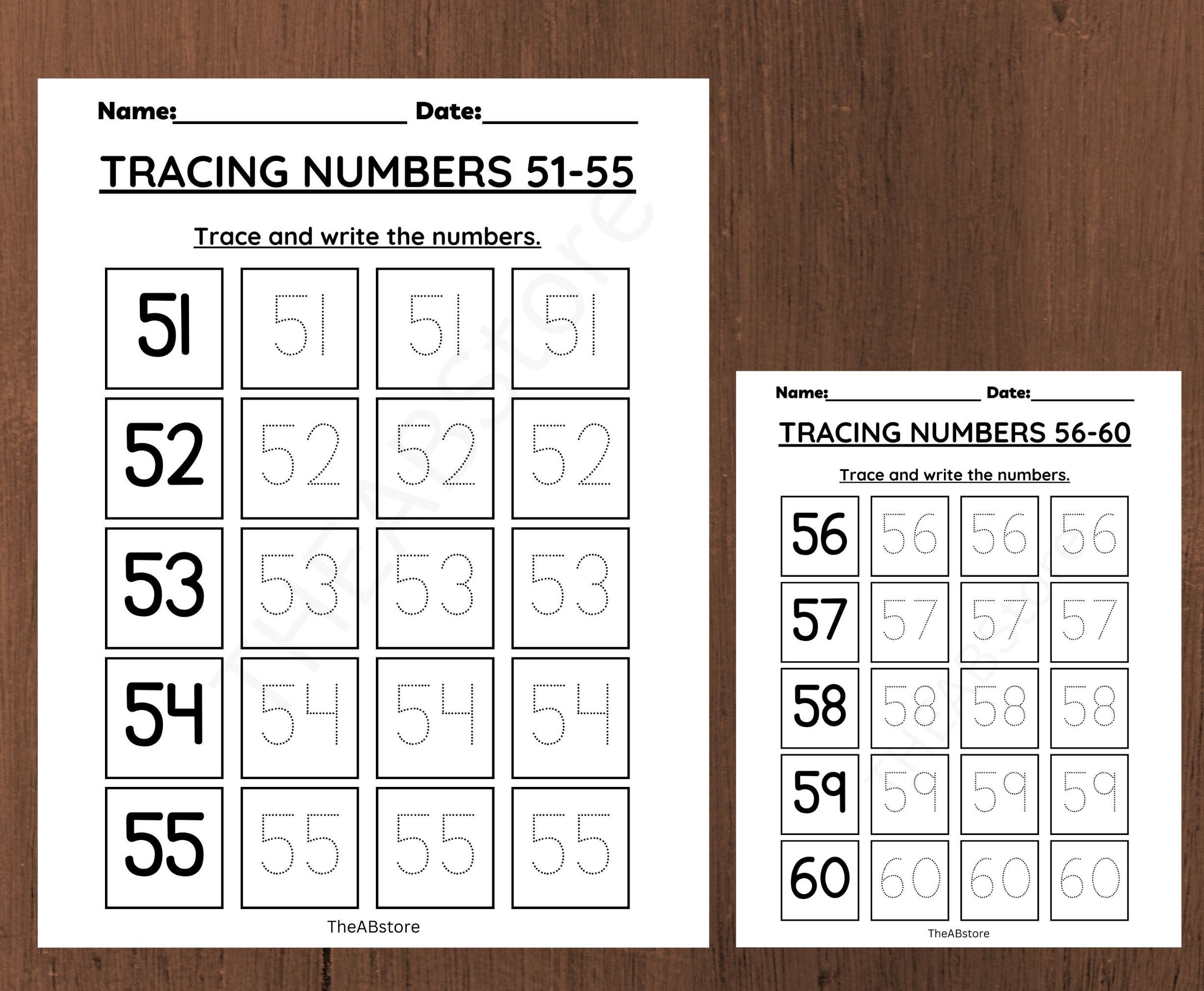
Mastering numbers zero through twenty is a cornerstone of early mathematical understanding and pre-writing proficiency. This resource guides children through proper numeral formation, emphasizing correct starting points, continuous lines, and directional awareness. Every digit from 1 to 20 receives dedicated attention, featuring clear directional arrows and distinct starting dots that teach children where to place the pencil tip. Learners transition from tracing oversized, supportive models to smaller, independent formations, internalizing the spatial boundaries of the writing line. This systematic approach prevents the formation of inefficient habits, such as drawing the number eight from the bottom up or starting a zero at the bottom right. Furthermore, numerical sequencing is reinforced naturally as children progress sequentially from single digits into the teens, connecting visual symbols with the cardinality of numbers. Practitioners utilizing resources from Tracing Number observe that structured repetition directly enhances cognitive mapping.
Key Learning Outcomes
Working through numerical tracing activities yields measurable progress across several developmental domains. Children cultivate precise pencil control, refining the dynamic tripod grasp as they navigate tight loops in numbers like six, eight, and nine. Visual-motor integration improves significantly as young learners coordinate eye movements with hand execution to stay within dotted boundaries. Directionality becomes second nature, reducing common classroom reversals such as writing backwards threes or mirrored sevens. Additionally, children enhance their sustained attention span and task persistence by completing a sequential progression from one to twenty in a single sitting or across manageable sessions. These foundational achievements align closely with broader fine motor milestones found within comprehensive collections like Fine Motor and Pre-Writing Skills, ensuring children develop the dexterity required for advanced academic tasks.
How to Use This Worksheet
Implementation requires more than simply handing a child a pencil and pointing to the first page. Adults should introduce the sheet by air-tracing the target numeral together, using large arm movements to engage the child’s gross motor memory before transitioning to the fine motor demands of the page. It helps to use multisensory elements, such as having the child trace the large starter numbers with a finger dipped in paint or textured gel before touching a writing tool. Observing the child’s posture matters just as much as watching their hand; feet should rest flat on the floor, and the non-dominant hand should stabilize the paper. When pencils are introduced, shorter or specialized triangular barrels often encourage an appropriate grasp without inducing hand fatigue. Regular, short sessions yield vastly superior results compared to marathon writing drills that exhaust developing hand muscles.
Practical Tips for Parents and Teachers
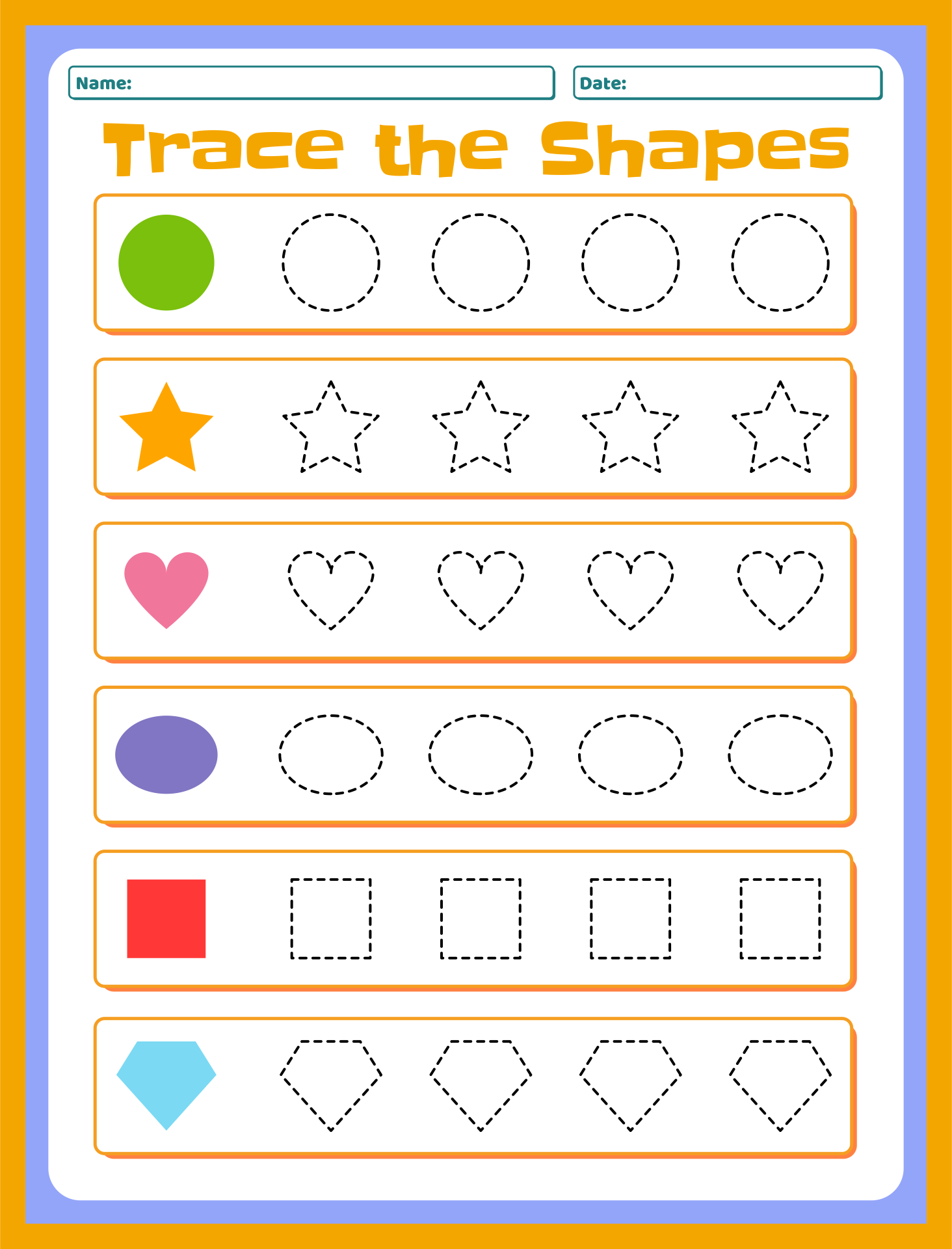
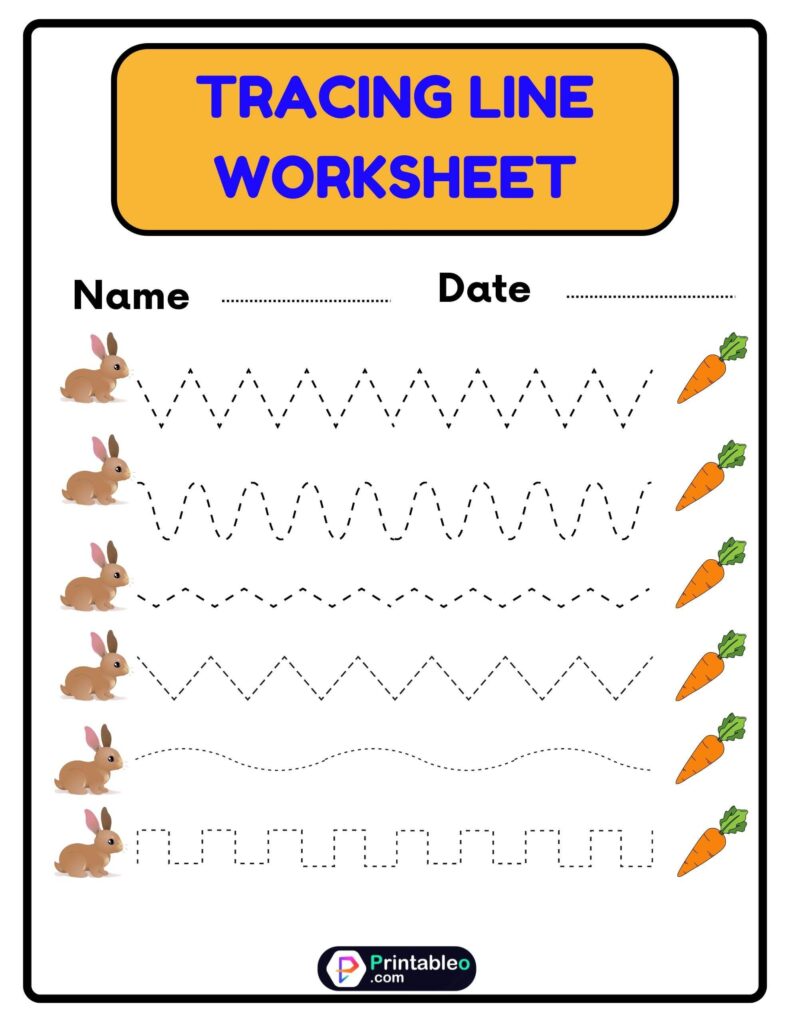
Scaffolding the experience ensures that frustration never overshadows learning. Adults can begin by modeling the stroke order aloud, describing the motion with engaging verbal cues like “around and down” for the number two or “down, and around we go” for the number nine. For children who struggle with pencil pressure, placing a soft foam mat underneath the paper provides tactile feedback that improves hand awareness. Educators and caregivers should celebrate incremental progress, focusing on correct starting points rather than pristine aesthetic perfection on the first try. When fatigue sets in—often signaled by a collapsing grip or leaning posture—it is time to pause and switch to activities from Shape and Line Tracing to keep the experience positive. Consistency, patience, and positive reinforcement remain the most powerful tools in any early childhood learning environment.
Age-Appropriate Expectations
Developmental readiness dictates how children interact with numerical tracing materials. According to the National Association for the Education of Young Children guidelines on developmentally appropriate practice, preschoolers aged three to four typically explore pre-writing strokes, vertical lines, and horizontal crosses, making large, gross-motor-driven scribbles or imitation attempts. By kindergarten and early first grade, spanning ages five to eight, children refine their grasp and spatial awareness, enabling them to tackle the precise, smaller configurations required for numbers 1 through 20. Expectations must remain flexible, acknowledging that fine motor maturity varies widely across any given classroom or living room. Pushing children beyond their physical endurance often leads to poor grip habits and an aversion to writing tasks. Keeping activities brief, engaging, and developmentally matched protects both hand health and intrinsic motivation.
Young children frequently develop strong cognitive recognition of numbers well before the intrinsic hand muscles mature enough to independently execute controlled, precise numeral formation on paper. — American Occupational Therapy Association
Frequently Asked Questions
Clear answers to common questions help adults maximize the educational value of tracing activities.
Explore More Free Printable Tracing Worksheets
Expanding a child’s early writing toolkit involves exploring diverse formats that target different aspects of coordination and literacy. Beyond numerical practice, young learners thrive when given opportunities to explore letter shapes, seasonal motifs, and creative writing prompts. A comprehensive resource library supports educators and families in tailoring instruction to individual developmental needs without unnecessary preparation friction. Discover a wide array of supplementary materials designed to support early education by visiting the main hub at KidTraces.com today.
Developmental Milestone & Activity Table
| Development Stage | Recommended Daily Duration | Primary Learning Objective |
|---|---|---|
| Preschool & Pre-K | 10 – 15 Minutes | Pencil grip development & basic pre-stroke lines |
| Kindergarten | 15 – 20 Minutes | Letter/number formation & spatial line awareness |
| Early Elementary (Grade 1–2) | 20 – 30 Minutes | Fluency, sentence construction & neatness |
Images References