Introduction
Many children recognize numerals long before their developing hands possess the intrinsic muscle strength and motor planning required to form them on paper. According to the American Occupational Therapy Association, foundational fine motor and visual-motor integration skills are critical prerequisites for successful handwriting and functional daily tasks. Adults often watch a four-year-old point enthusiastically to a house number or a favorite digit, mistakenly assuming that cognitive recognition translates immediately to pencil control. The free printable number practice ot resource bridges this exact gap by providing structured, occupational therapy-informed stroke patterns that support correct numeral formation. It sounds simple, and that’s the point: removing cognitive overload allows children to focus purely on pencil grip, directional control, and hand-eye coordination. Exploring tools like Tracing Number pages helps transform frustrating handwriting sessions into engaging, confidence-building milestones.
💡 Technical Key Takeaways:
- Core Focus: Diagnostic schematic and terminal connection layout for Number Practice Ot.
- Target Scope: Field technicians, automotive DIYers, and residential/commercial electricians.
- Safety Rule: Always disconnect the primary power source/battery terminal and verify zero voltage with a multimeter before touching wires.
What This Worksheet Covers
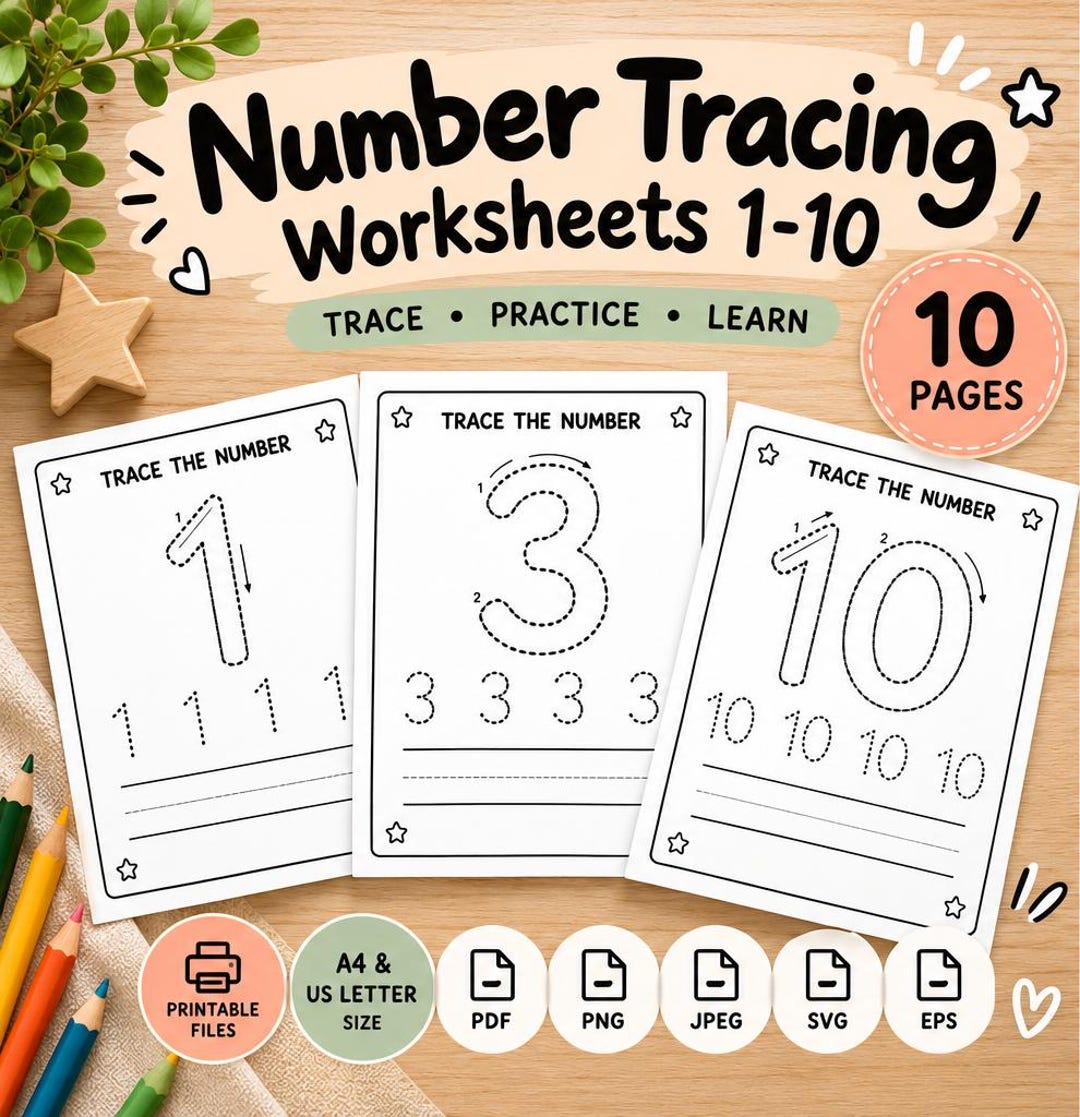
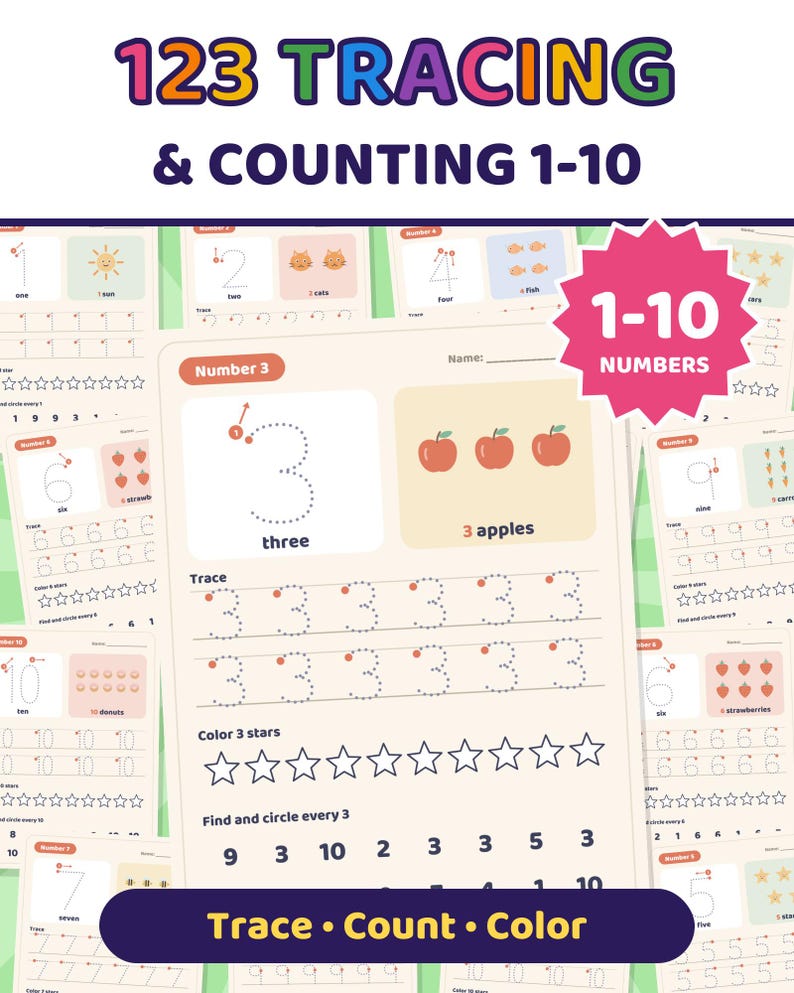
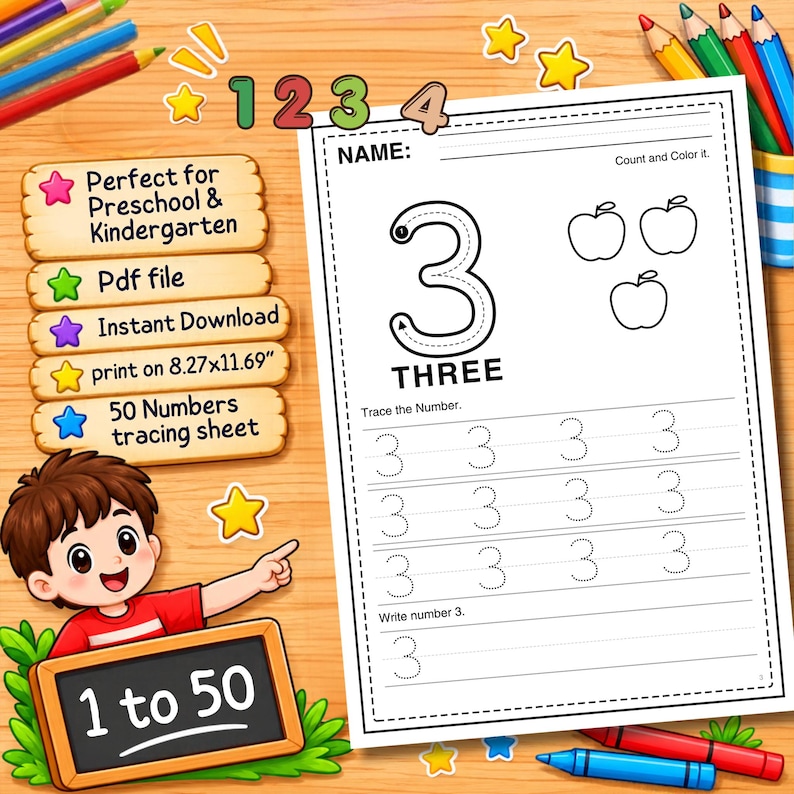
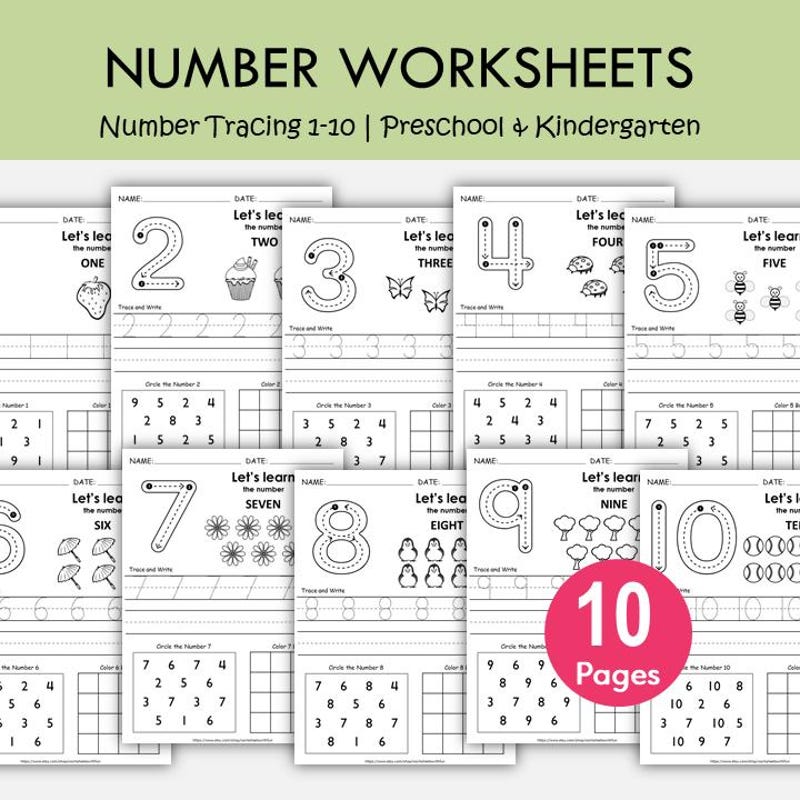
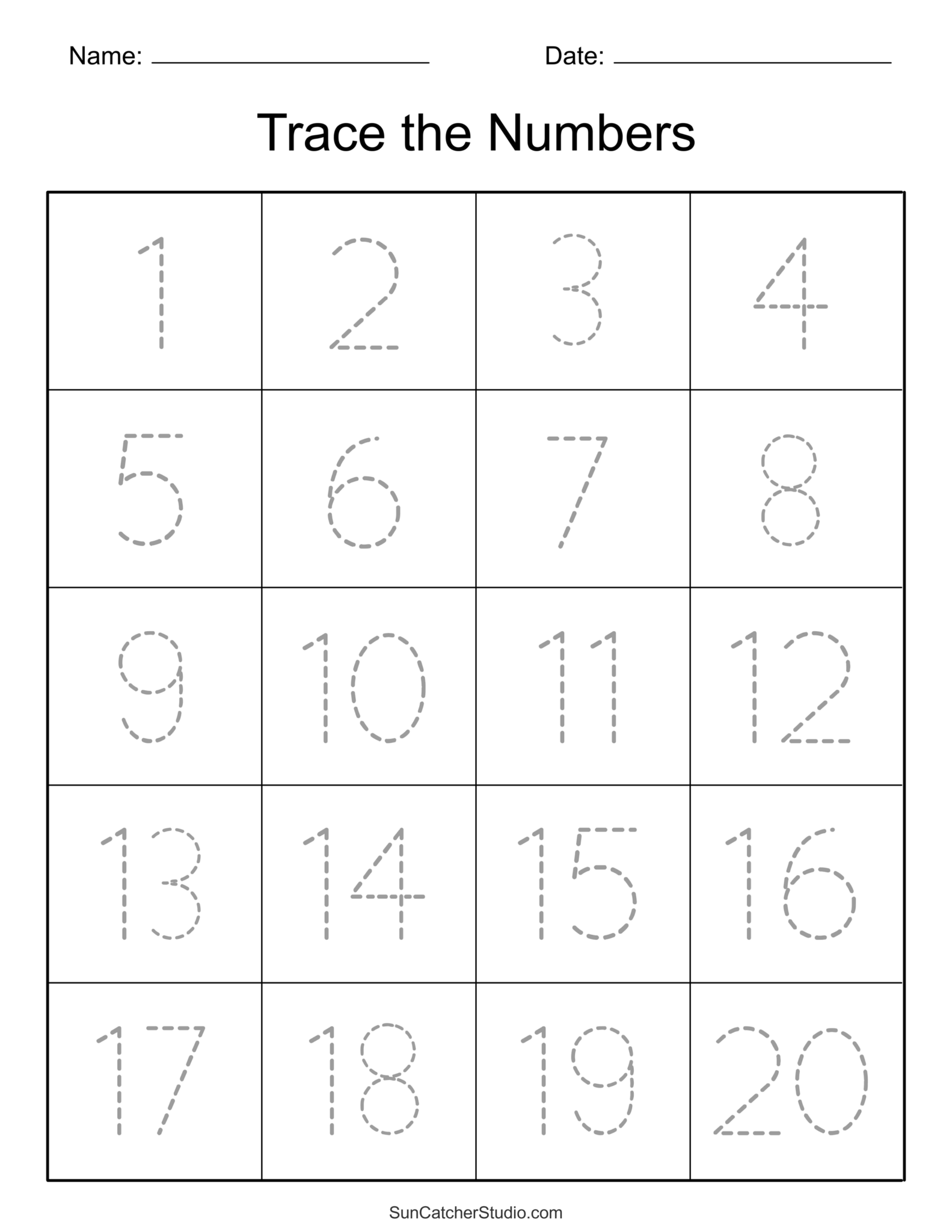
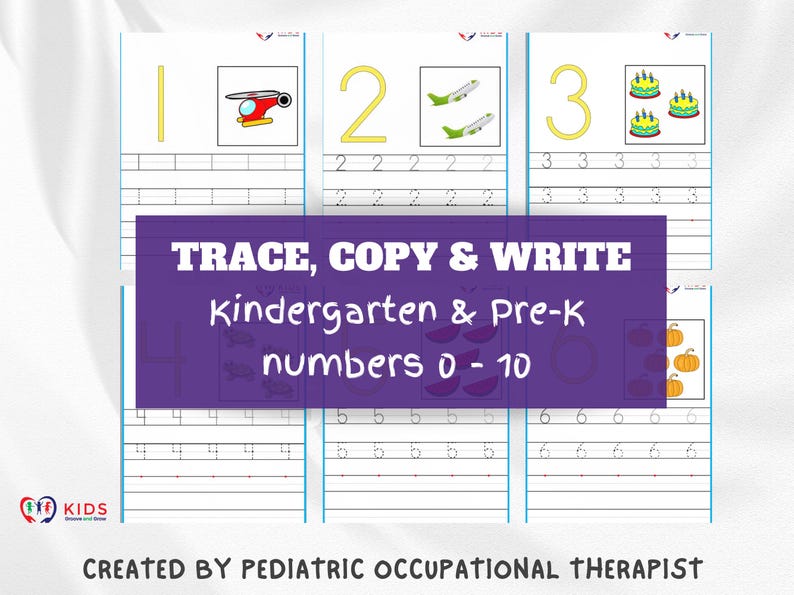
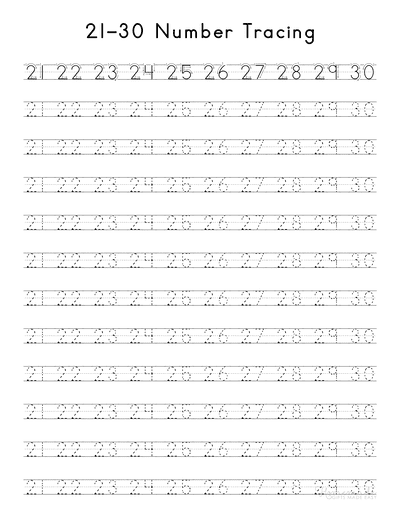
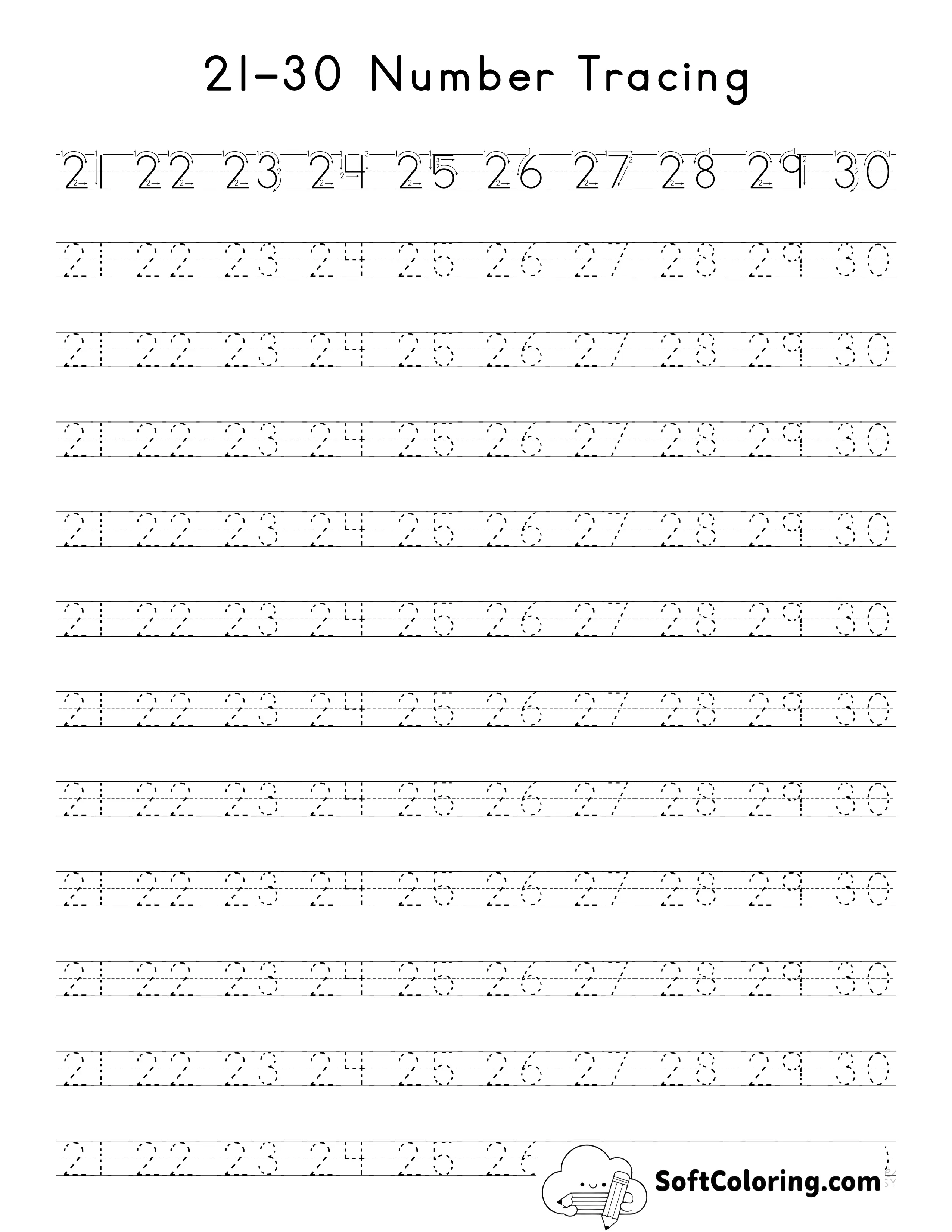
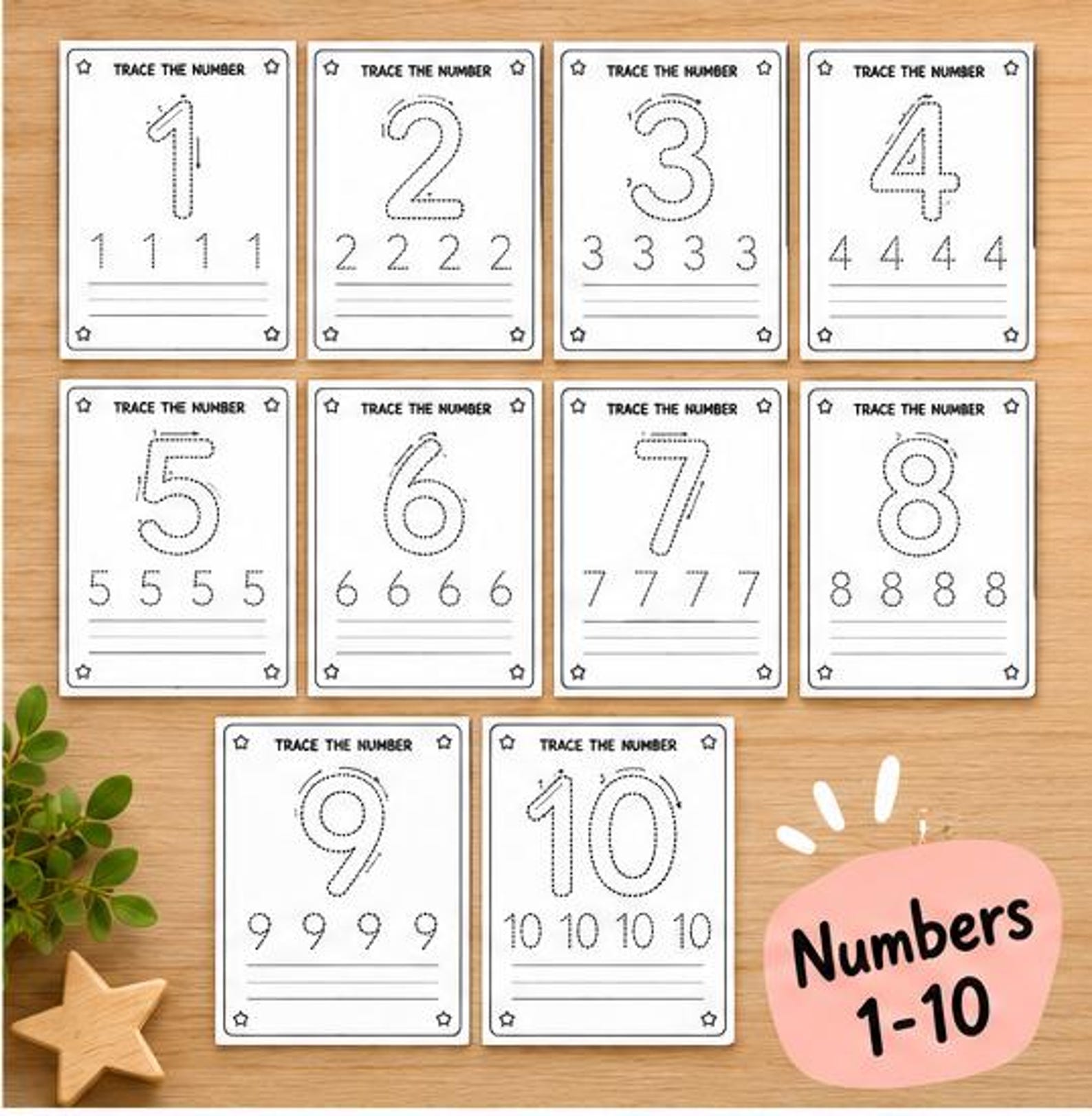
The worksheet focuses intentionally on proper numeral formation, directional stroke paths, and proportional sizing to build foundational writing habits. Each numeral is broken down into distinct, manageable strokes rather than abstract shapes, respecting the natural developmental sequence of writing. Guidance arrows and clear visual starting points prevent the common habit of drawing numbers from the bottom up, an inefficient movement pattern that slows writing speed later in childhood. Furthermore, the layout incorporates appropriate spatial boundaries, teaching young learners how to anchor numbers within a specific writing line. This targeted approach supports early math literacy alongside physical dexterity, reinforcing that numerals require specific spatial awareness compared to letters.
Key Learning Outcomes
Children engaging consistently with these structured sheets develop superior visual-motor integration, allowing eyes and hands to work in synchronized harmony. Learners internalize strict directional consistency, which drastically reduces the prevalence of reversals like writing a three or a five backward. Core hand strength and a functional dynamic tripod grasp improve naturally as children trace the varied line weights and curves embedded throughout the exercise. Additionally, spatial planning blossoms as learners navigate starting dots, directional arrows, and stopping points without crossing designated boundaries. Finally, self-regulation and focus expand organically as children complete structured tasks from top to bottom and left to right.
How to Use This Worksheet
Success with handwriting printables depends entirely on preparation, environment, and keeping sessions brief yet meaningful. Adults should introduce the sheet on a flat, stable surface where the child’s feet rest flat on the floor, promoting optimal core stability for upper extremity control. It helps to laminate the page or place it inside a heavy-duty plastic sleeve, allowing children to practice with dry-erase markers while reducing the anxiety of making permanent mistakes. Tracing can also be elevated into a multi-sensory experience by having learners trace the large directional arrows with a finger or a slightly damp cotton swab before picking up a writing utensil. Pairing these activities with resources from Fine Motor and Pre-Writing Skills ensures the hands are adequately warmed up and primed for precision work.
Practical Tips for Parents and Teachers
Adults play a vital role by actively modeling correct pencil grip, ensuring the thumb opposes the index finger while resting comfortably on the middle finger barrel. Scaffolding the activity means initially guiding a hand through the first stroke, then fading assistance until the child completes the remaining numerals independently. Teachers and caregivers should watch closely for hand fatigue, ending the session immediately if the child begins white-knuckling the pencil or dropping the wrist into an awkward hook position. Extending the learning beyond the paper works wonderfully when children hunt for target numbers in storybooks or mold numerals out of warm playdough. Exploring additional pages found within Alphabet And Numbers Tracing keeps the daily practice routine fresh, exciting, and developmentally appropriate.
Age-According Recommendations
According to the CDC developmental milestones, children generally begin imitating vertical lines and basic horizontal strokes around age two, gradually advancing toward closed circles and intersecting lines by age four. Younger toddlers and preschoolers benefit immensely from larger, scaled-down tracing exercises that emphasize gross motor control of the shoulder and elbow joints. As children enter kindergarten and early elementary school, the focus shifts toward refined finger movements, pencil pressure modulation, and adherence to specific line constraints. Aligning these practice intervals with the National Association for the Education of Young Children guidelines for developmentally appropriate practice ensures that expectations match individual neurological and physical maturity.
Foundational fine motor and visual-motor integration skills are critical prerequisites for successful handwriting and functional daily tasks. — American Occupational Therapy Association
Frequently Asked Questions
Quick answers regarding downloading, printing, and utilizing occupational therapy number practice sheets in learning environments.
Tracing supports handwriting development by building muscle memory, directional stroke awareness, and the fine motor control required for legibility. — Reading Rockets
Explore More Free Printable Tracing Worksheets
Supporting a child’s early literacy and physical development journey requires a diverse assortment of engaging, low-pressure tools. Beyond number practice, children thrive when given opportunities to explore varied line patterns, directional curves, and thematic writing prompts. A comprehensive collection of educator-designed printables is always accessible to support parents, teachers, and therapists in nurturing confident writers. Discover the complete library of resources anytime by visiting KidTraces.com to find the ideal materials for every stage of early childhood growth.
Quick Wiring Specifications & Terminal Guide
| Component / Circuit | Standard Wire Gauge | Recommended Protection |
|---|---|---|
| Control & Trigger Signals | 18 – 20 AWG | 5A – 7.5A Inline Fuse |
| Standard Auxiliary Load | 14 – 16 AWG | 15A – 20A Circuit Breaker |
| Main Power Feed / Supply | 10 – 12 AWG | 30A – 40A Heavy-Duty Relay |
Images References