Introduction
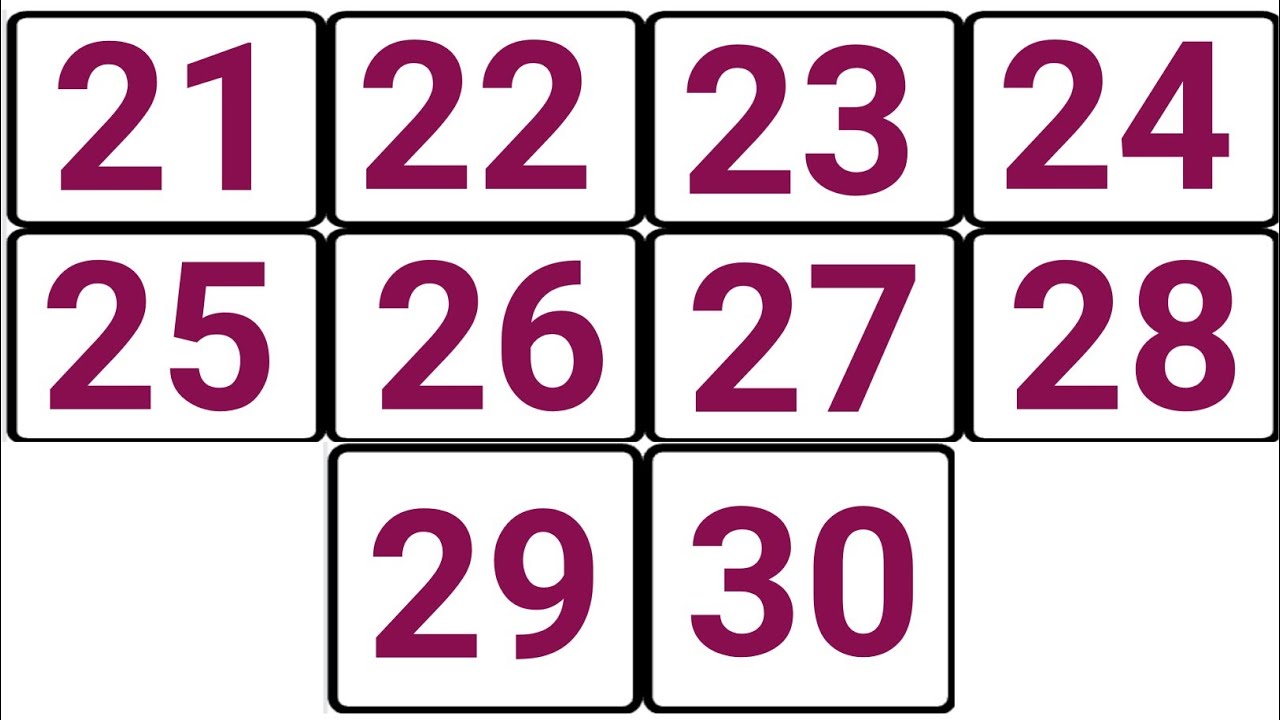
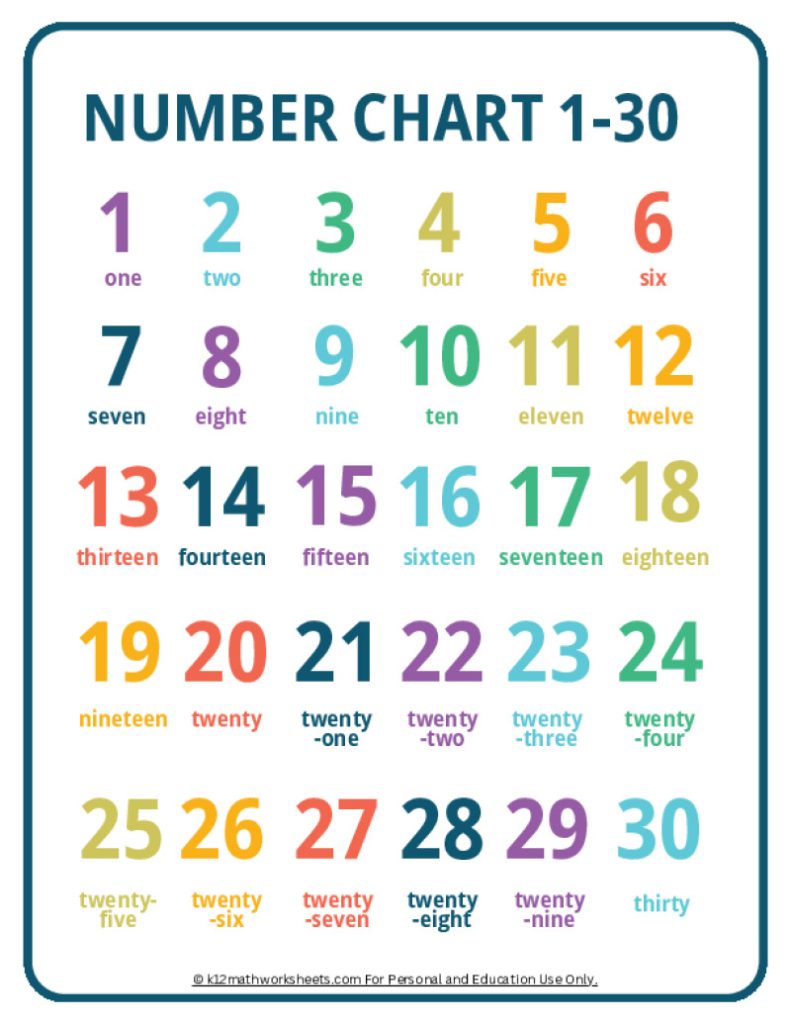
Many children recognize numerals long before their developing hands possess the intrinsic muscle strength required to form them on paper. According to the American Occupational Therapy Association, foundational fine motor control and bilateral coordination are critical precursors to successful handwriting and numeral formation. Bridging this gap requires targeted, scaffolded practice that respects both cognitive readiness and physical stamina. Entering this developmental window, the free printable 21-30 number chart serves as an exceptional tool for guiding young learners through the transition from simple number recognition to controlled pencil movement. Tracing double-digit numbers introduces unique spatial challenges, requiring children to manage horizontal sequencing and consistent sizing within a constrained visual field. Thoughtfully designed practice sheets provide the structure necessary to build confidence, turning the abstract concept of higher numbers into a tangible, tactile writing experience.
💡 Technical Key Takeaways:
- Core Focus: Diagnostic schematic and terminal connection layout for Free Printable 21-30 Number Chart.
- Target Scope: Field technicians, automotive DIYers, and residential/commercial electricians.
- Safety Rule: Always disconnect the primary power source/battery terminal and verify zero voltage with a multimeter before touching wires.
What This Worksheet Covers
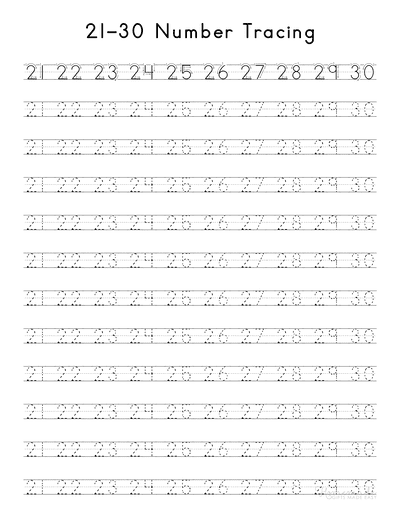
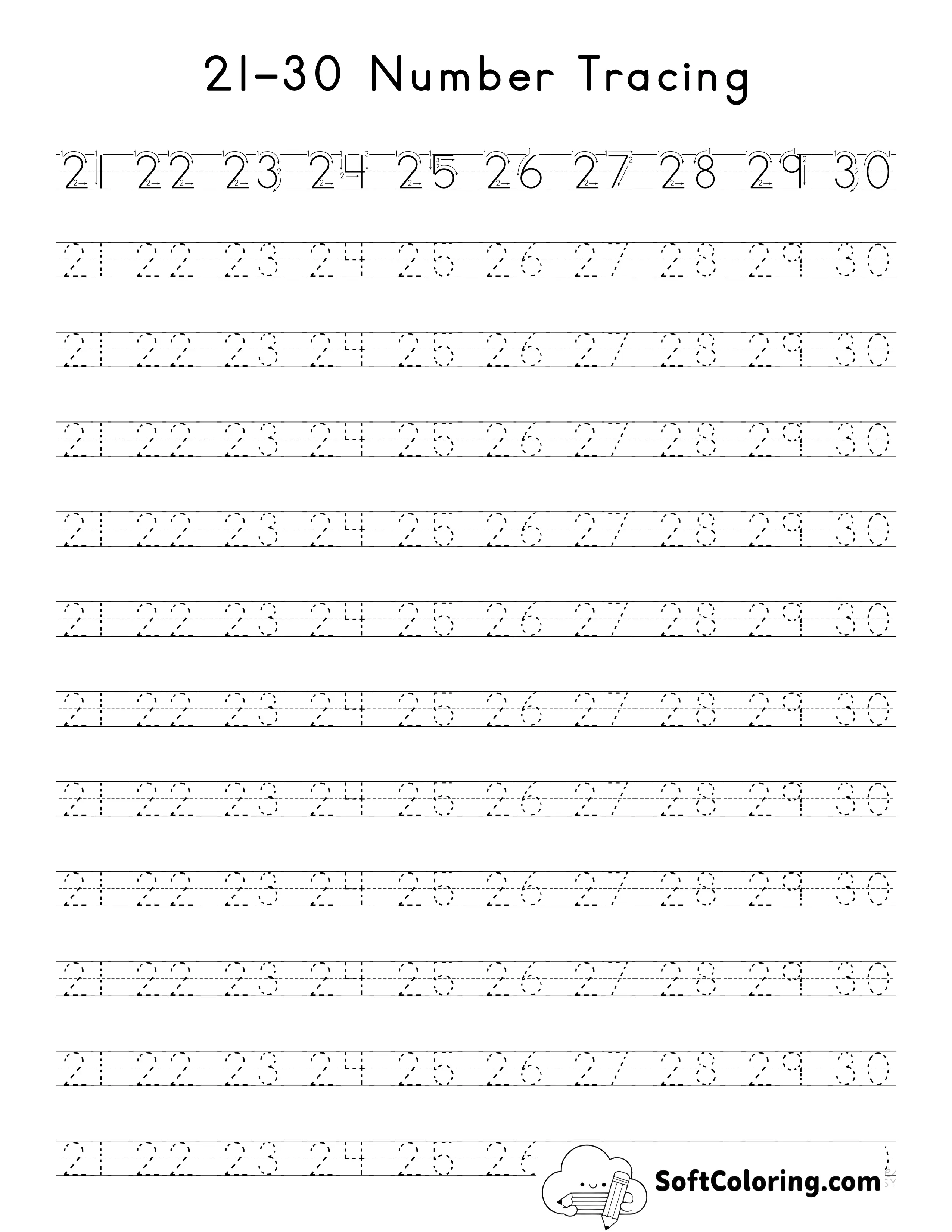
The free printable 21-30 number chart focuses specifically on the numerical sequence from twenty-one to thirty, offering structured tracing opportunities for each individual digit. Mastering these specific numbers bridges the foundational single-digit counting phase with advanced place-value comprehension. Each row on the sheet isolates the numerals, providing ample space for repeated tracing and independent execution. The layout intentionally reduces visual clutter, ensuring young learners can focus entirely on pencil control, stroke directionality, and correct formation without becoming overwhelmed by excessive stimuli. By repeating numbers that share common formations, such as the curved top of the two or the vertical stability of the one, the worksheet reinforces muscle memory naturally.
Key Learning Outcomes
Engaging systematically with numeral tracing yields several distinct developmental milestones for young children. Learners refine visual-motor integration by coordinating eye movements with hand actions to stay on the dotted lines. Stroke order and directionality improve, ensuring habits formed now prevent future letter reversals and writing fatigue. Spatial awareness develops as children learn to anchor two digits side by side within a designated space, understanding that twenty-one requires a two followed closely by a one rather than a random placement. Furthermore, numerical fluency is strengthened because tactile engagement with the pen reinforces the verbal sequence of counting from twenty-one to thirty.
How to Use This Worksheet
Introducing a number tracing sheet goes far beyond simply handing over a pencil and expecting neat rows of digits. Adults should first demonstrate the correct starting points and directional strokes in the air or on a larger surface, providing a clear visual model for the child to follow. Encouraging a functional pencil grasp prevents early hand fatigue and ensures optimal visibility of the tracing lines. If a child shows signs of frustration or hand cramping, pausing the activity or breaking the sheet into smaller segments preserves a positive association with writing. Children benefit immensely from using varied writing utensils, such as shorter crayons or colored pencils, which naturally encourage an efficient tripod grip by limiting the space available for a maladaptive fist grasp.
Practical Tips for Parents and Teachers
Scaffolding the learning experience ensures every child achieves success at their own developmental pace. Begin by guiding the child’s hand gently through the first few numbers to impart the physical sensation of the correct stroke path. Gradually fade this physical assistance, moving toward verbal prompts and visual cues before expecting entirely independent execution. For children who struggle with staying on the lines, placing the sheet inside a heavy-duty plastic sleeve and using a dry-erase marker adds an engaging sensory element while allowing for risk-free experimentation and easy erasing. Extending the activity through physical counting games, such as clapping twenty-five times or hopping thirty times, reinforces the numerical values associated with the marks on the page. Exploring resources found within Tracing Number collections can further support this foundational numerical journey.
Age-Appropriate Recommendations
Writing readiness varies significantly across early childhood, making developmental frameworks essential for guiding expectations. According to the National Association for the Education of Young Children guidelines on developmentally appropriate practice, children aged two to four are typically focused on pre-writing strokes, vertical and horizontal lines, and gross motor control. Introducing tracing worksheets to this younger cohort should remain purely exploratory, playful, and brief. Conversely, children aged five to eight are generally equipped to refine pencil grip, master precise stroke sequences, and engage with formal numeral formation as outlined in standard educational benchmarks. Educators and caregivers working with older preschoolers can seamlessly integrate these sheets alongside broader foundational practice found in Alphabet And Numbers Tracing modules to build comprehensive early literacy and numeracy skills.
Foundational fine motor control and bilateral coordination are critical precursors to successful handwriting and numeral formation. — American Occupational Therapy Association
Frequently Asked Questions
Explore More Free Printable Tracing Worksheets
Supporting a young child’s journey toward fluent handwriting and strong foundational skills requires access to a wide variety of engaging, developmentally appropriate practice materials. Whether focusing on letter formation, pre-writing strokes, or number sense, having the right resources readily available makes all the difference in a child’s daily learning routine. Caregivers, teachers, and homeschoolers can easily find additional activities across various categories, including specialized resources for Shape and Line Tracing and targeted exercises within Fine Motor and Pre-Writing Skills. Every child progresses at an individualized pace, and offering diverse, low-pressure tracing opportunities helps nurture both confidence and competence. Explore the complete, ever-growing collection of educational printables designed to inspire young learners by visiting KidTraces.com today.
Quick Wiring Specifications & Terminal Guide
| Component / Circuit | Standard Wire Gauge | Recommended Protection |
|---|---|---|
| Control & Trigger Signals | 18 – 20 AWG | 5A – 7.5A Inline Fuse |
| Standard Auxiliary Load | 14 – 16 AWG | 15A – 20A Circuit Breaker |
| Main Power Feed / Supply | 10 – 12 AWG | 30A – 40A Heavy-Duty Relay |
Images References