Introduction
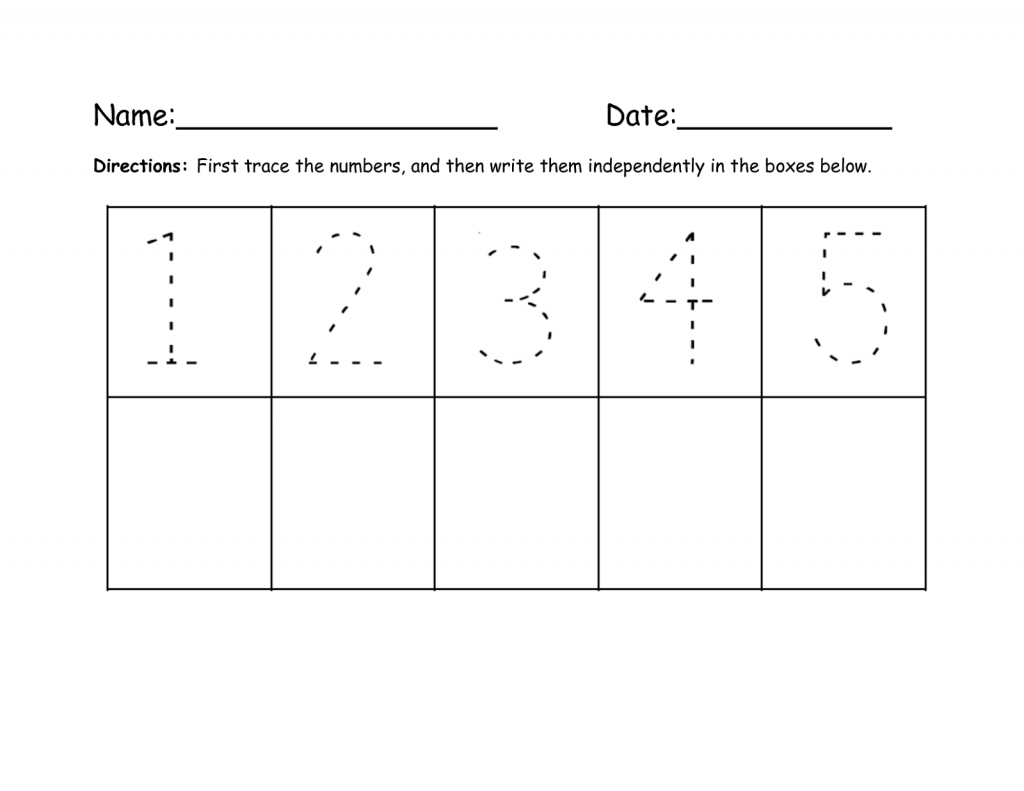
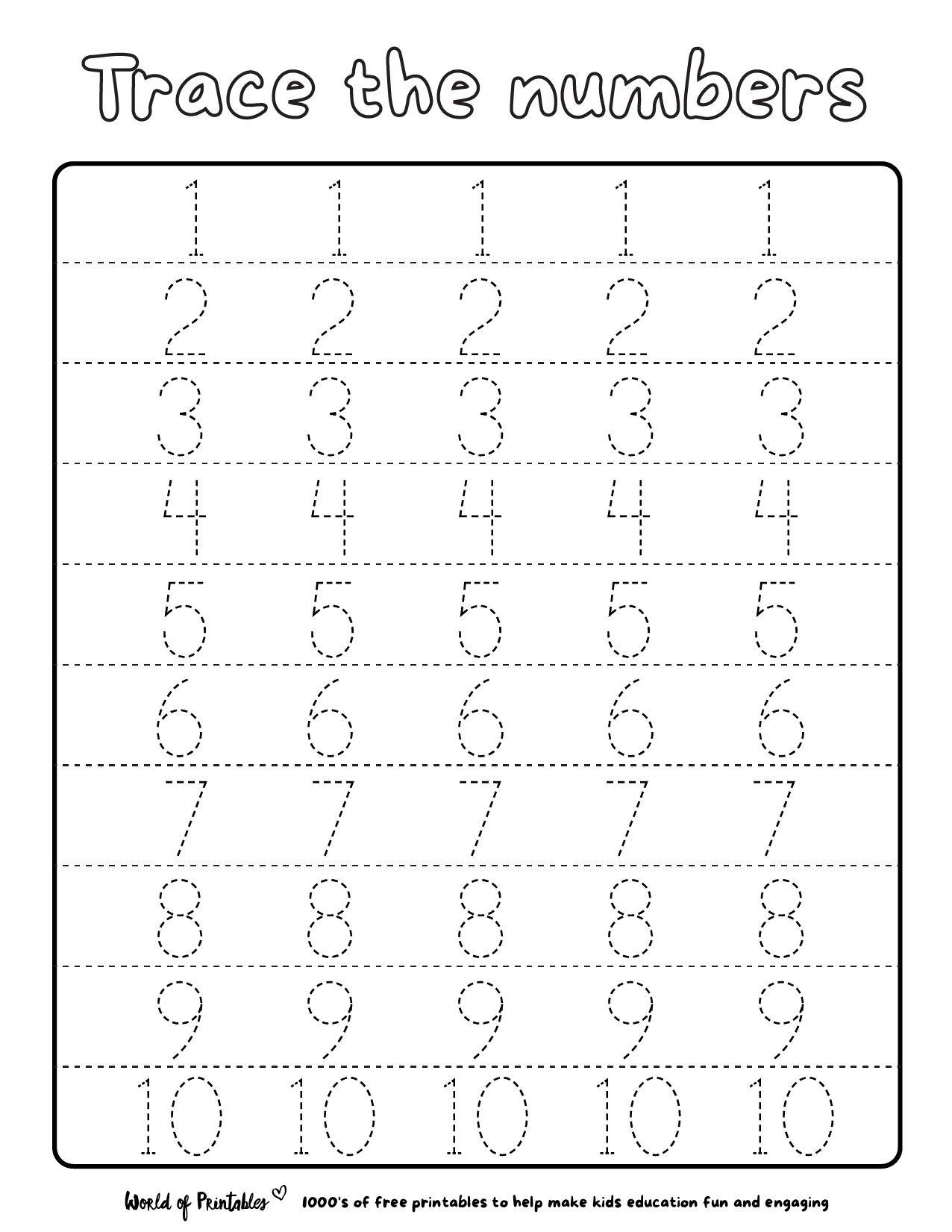
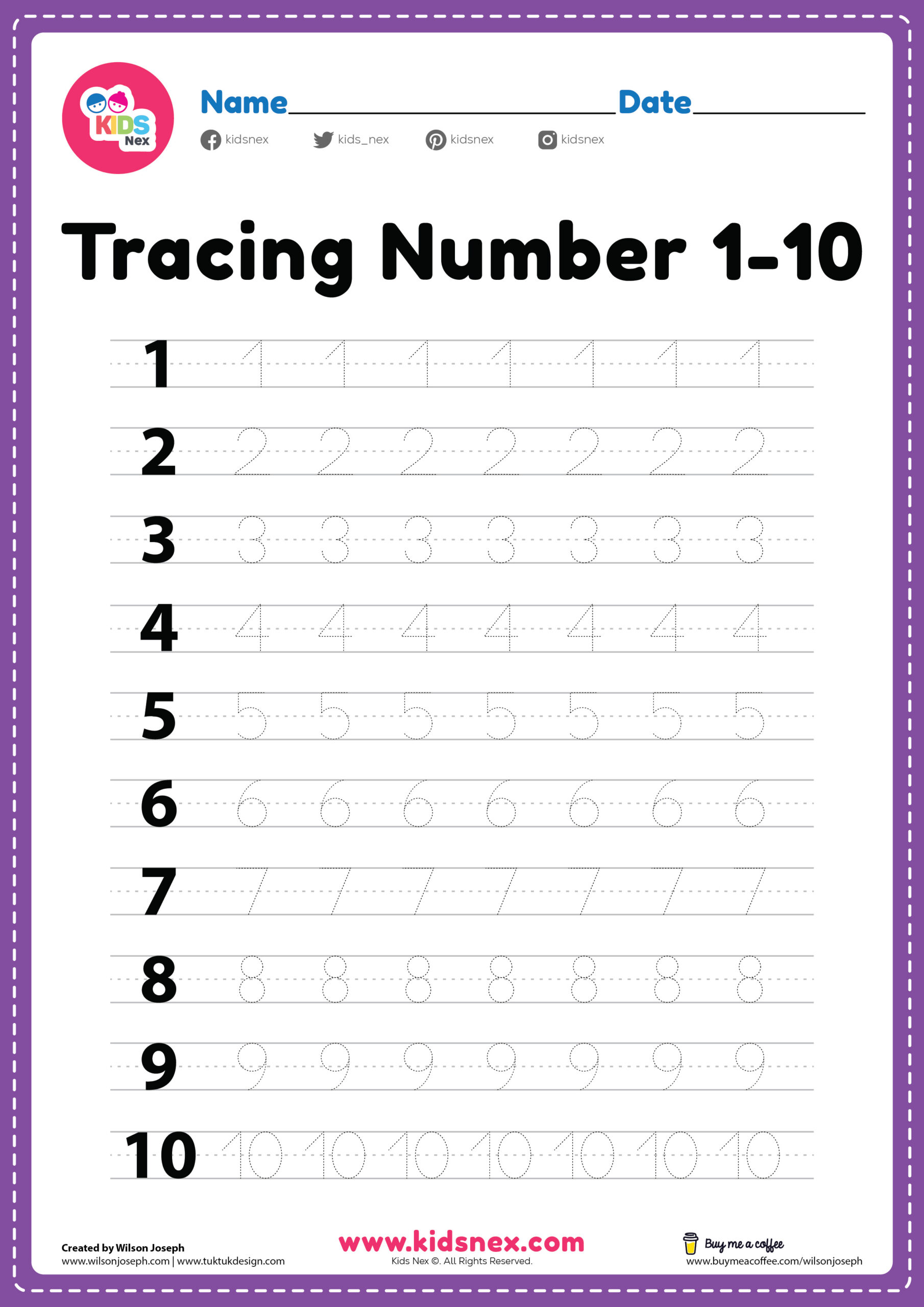
Many children recognize letters and numerals long before their fine motor skills can accurately form them on a blank page. According to the American Occupational Therapy Association, foundational upper extremity stability and intrinsic hand strength must develop sequentially to support functional pencil control. Bridging this gap between cognitive understanding and physical execution requires targeted, engaging tools that reduce visual clutter while guiding the hand. A picture of a broken numbers for a kid to trace from 1 – 10 offers a uniquely visual, playful approach to numeral formation, transforming standard counting practice into a tactile puzzle that encourages careful stroke control and spatial awareness.
💡 Technical Key Takeaways:
- Core Focus: Diagnostic schematic and terminal connection layout for A Picture Of A Broken Numbers For A Kid To Trace From 1 – 10.
- Target Scope: Field technicians, automotive DIYers, and residential/commercial electricians.
- Safety Rule: Always disconnect the primary power source/battery terminal and verify zero voltage with a multimeter before touching wires.
What This Worksheet Covers
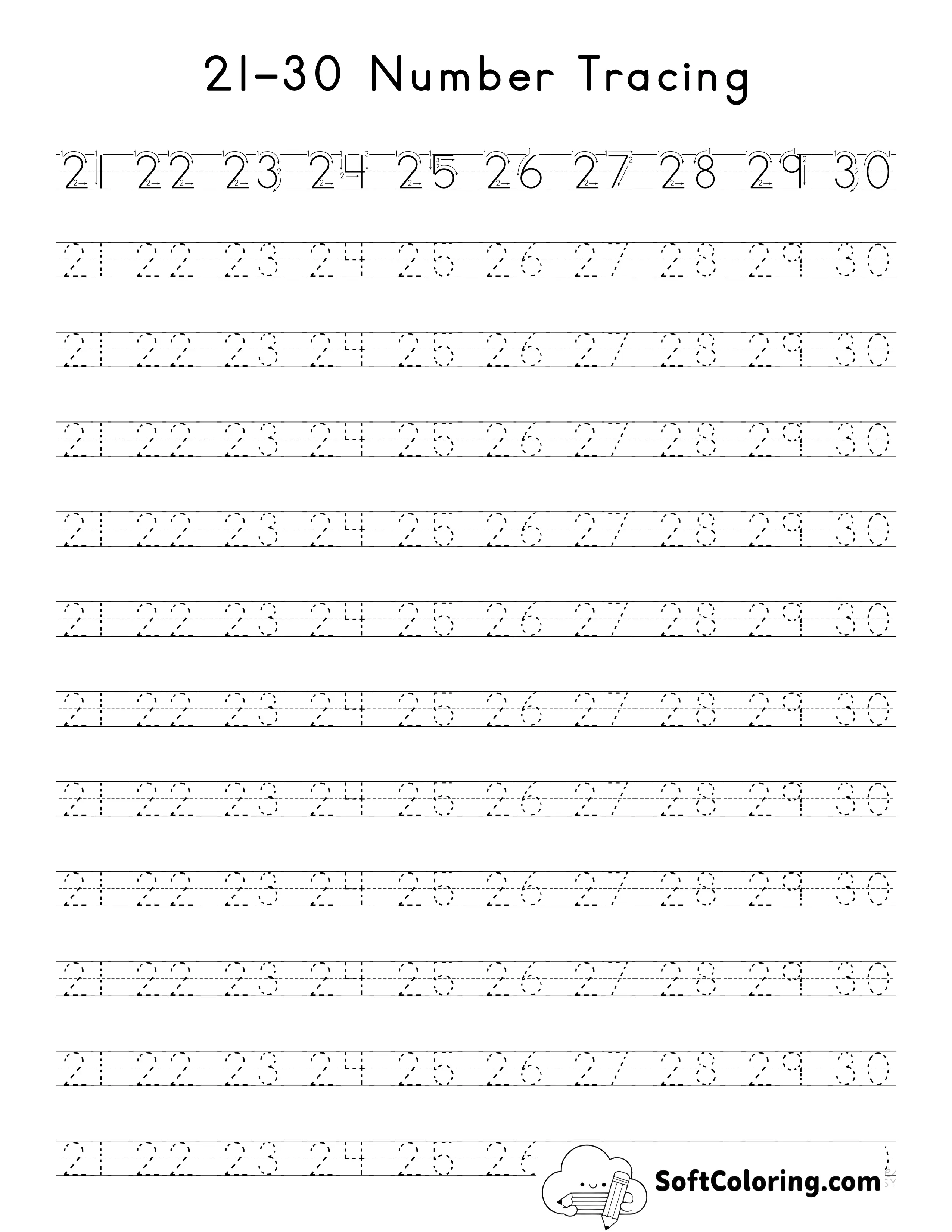
This specific printable utilizes a fragmented design where numerals 1 through 10 appear as puzzle pieces or fractured segments, requiring young learners to connect the missing pieces while simultaneously tracing the proper stroke path. Visualizing numbers as broken entities adds an element of storytelling and problem-solving to early mathematics and writing practice. Instead of staring down at a rigid grid of repetitive digits, children engage in a restorative rescue mission, carefully bridging the gaps from one endpoint to the next. This distinct layout directs intense visual attention to starting points, directional arrows, and corner turns. Early childhood classrooms frequently observe that adding a narrative or a visual puzzle element drastically increases sustained attention span during independent table work. By blending visual spatial reasoning with physical graphomotor tasks, the resource targets multiple developmental domains at once, supporting both number recognition and pencil control through Tracing Number exercises designed for early learners.
Key Learning Outcomes
Working through these fractured numerals directly builds proper stroke order, beginning at the correct anchor point and moving fluidly down or around the page without unnecessary pen lifts. Children simultaneously reinforce their working memory of numerical sequencing from one to ten, connecting the visual symbol of the digit with its quantitative value. Hand-eye coordination improves significantly as little fingers steer pencils across the broken intervals, requiring micro-adjustments in grip pressure and speed. Furthermore, completing the fragmented lines fosters a deep sense of visual closure, a core perceptual skill that helps young learners distinguish between similarly shaped numerals like 3 and 8 or 6 and 9. For more related activities, check out our 1 10 Number Chart Printable.
How to Use This Worksheet
Introducing this printable begins with a brief conversation about the fractured appearance of the digits, inviting the child to help fix each broken number by drawing a steady bridge from the top piece to the bottom piece. Educators often encourage tracing the broken paths with a finger first to build muscle memory before introducing a writing utensil. Once the child transitions to a pencil, crayon, or marker, the focus shifts to maintaining steady pressure and keeping the wrist relaxed. According to Reading Rockets, explicit modeling of letter and numeral formation combined with multi-sensory tracing techniques dramatically improves early writing automaticity. Providing positive reinforcement for pencil control rather than mere perfection ensures that frustration remains low and engagement stays high.
Practical Tips for Parents and Teachers
Adults play a vital role in scaffolding the experience by observing the child’s dynamic tripod or quadripod grip and gently adjusting finger placement closer to the writing tip if hand fatigue sets in. Placing the paper on a slight slant matching the natural angle of the child’s writing hand promotes better wrist extension and posture. For children who struggle with pressure control, sliding a textured mat underneath the paper provides immediate tactile feedback as the pencil moves. Breaking the activity into smaller chunks, such as tackling numbers 1 through 5 on the first day, prevents cognitive overload and protects developing hand muscles from cramping.
Age-Appropriate Recommendations
For toddlers and younger preschoolers falling within the 2 to 4 age bracket, alignment with the Head Start Early Learning Outcomes Framework emphasizes gross motor integration and large-scale pre-writing strokes before tackling precision work. At this stage, children might benefit from using thicker writing tools or even tracing the broken lines with finger paint to bypass fine motor fatigue entirely. Kindergarteners and older children aged 5 to 8 fall under the NAEYC Developmentally Appropriate Practice guidelines, where refining pencil grip, mastering exact stroke sequences for numerals 1 through 10, and building writing stamina become central educational milestones. Integrating these varied developmental expectations ensures that every child meets the material at their precise readiness level.
Foundational upper extremity stability and intrinsic hand strength must develop sequentially to support functional pencil control. — American Occupational Therapy Association
Frequently Asked Questions
Clear answers to common questions about utilizing tracing printables at home and in the classroom help caregivers maximize the learning potential of every session.
Explore More Free Printable Tracing Worksheets
Supporting a young learner through every stage of pencil control and early literacy requires a diverse library of accessible resources. Exploring the comprehensive collection of activities available across KidTraces.com provides endless opportunities for growth. Additional practice can be found by browsing categories dedicated to Fine Motor and Pre-Writing Skills as well as foundational Alphabet And Numbers Tracing pages designed to inspire confidence and joy in every young writer.
Quick Wiring Specifications & Terminal Guide
| Component / Circuit | Standard Wire Gauge | Recommended Protection |
|---|---|---|
| Control & Trigger Signals | 18 – 20 AWG | 5A – 7.5A Inline Fuse |
| Standard Auxiliary Load | 14 – 16 AWG | 15A – 20A Circuit Breaker |
| Main Power Feed / Supply | 10 – 12 AWG | 30A – 40A Heavy-Duty Relay |
Images References