Introduction
According to the National Association for the Education of Young Children, early mathematical and literacy experiences are most effective when they are hands-on, engaging, and developmentally appropriate for young learners. Many children recognize numerals long before their fine motor systems possess the endurance and dexterity required to form them on paper. This common gap between cognitive understanding and physical capability often leads to frustration during early writing tasks. Scaffolding this transition requires structured tools that bridge visual recognition with motor execution. The free 1 10 number chart printable serves as an invaluable resource for connecting numerical concepts with pencil control. Mastering these foundational digits establishes the motor memory needed for all future mathematical recording and handwriting success.
💡 Technical Key Takeaways:
- Core Focus: Diagnostic schematic and terminal connection layout for 1 10 Number Chart Printable.
- Target Scope: Field technicians, automotive DIYers, and residential/commercial electricians.
- Safety Rule: Always disconnect the primary power source/battery terminal and verify zero voltage with a multimeter before touching wires.
What This Worksheet Covers
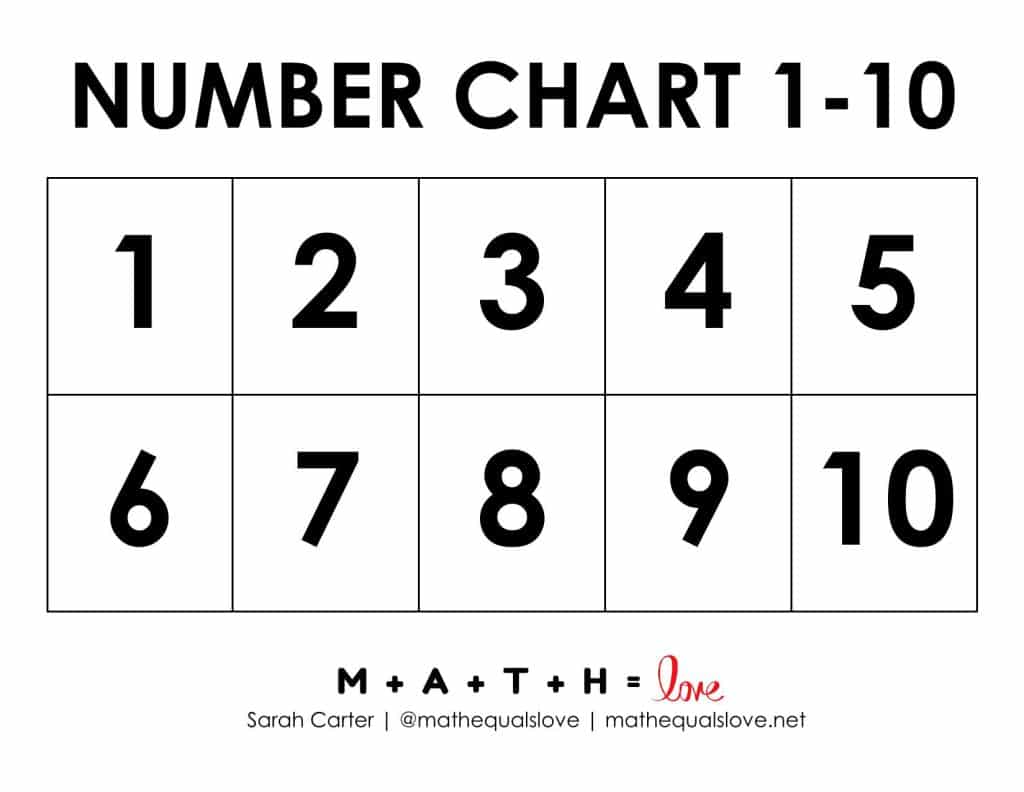
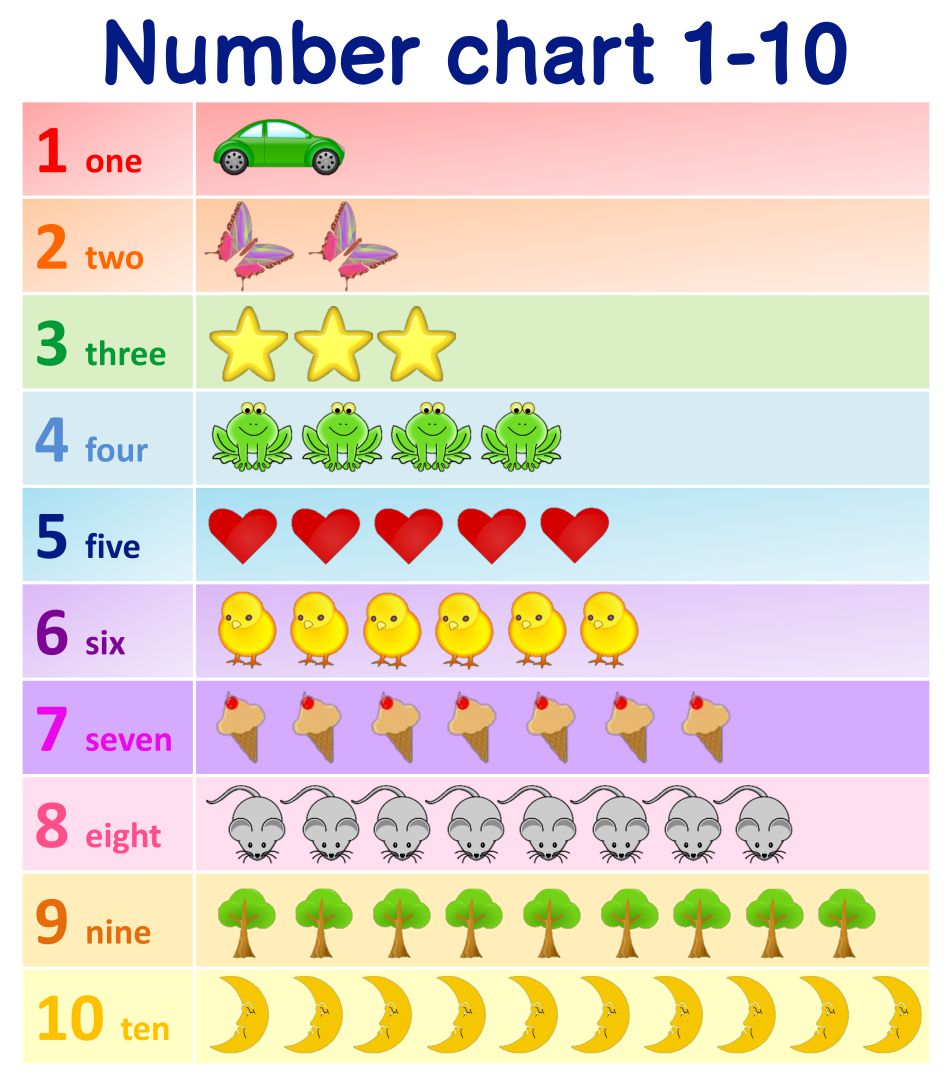
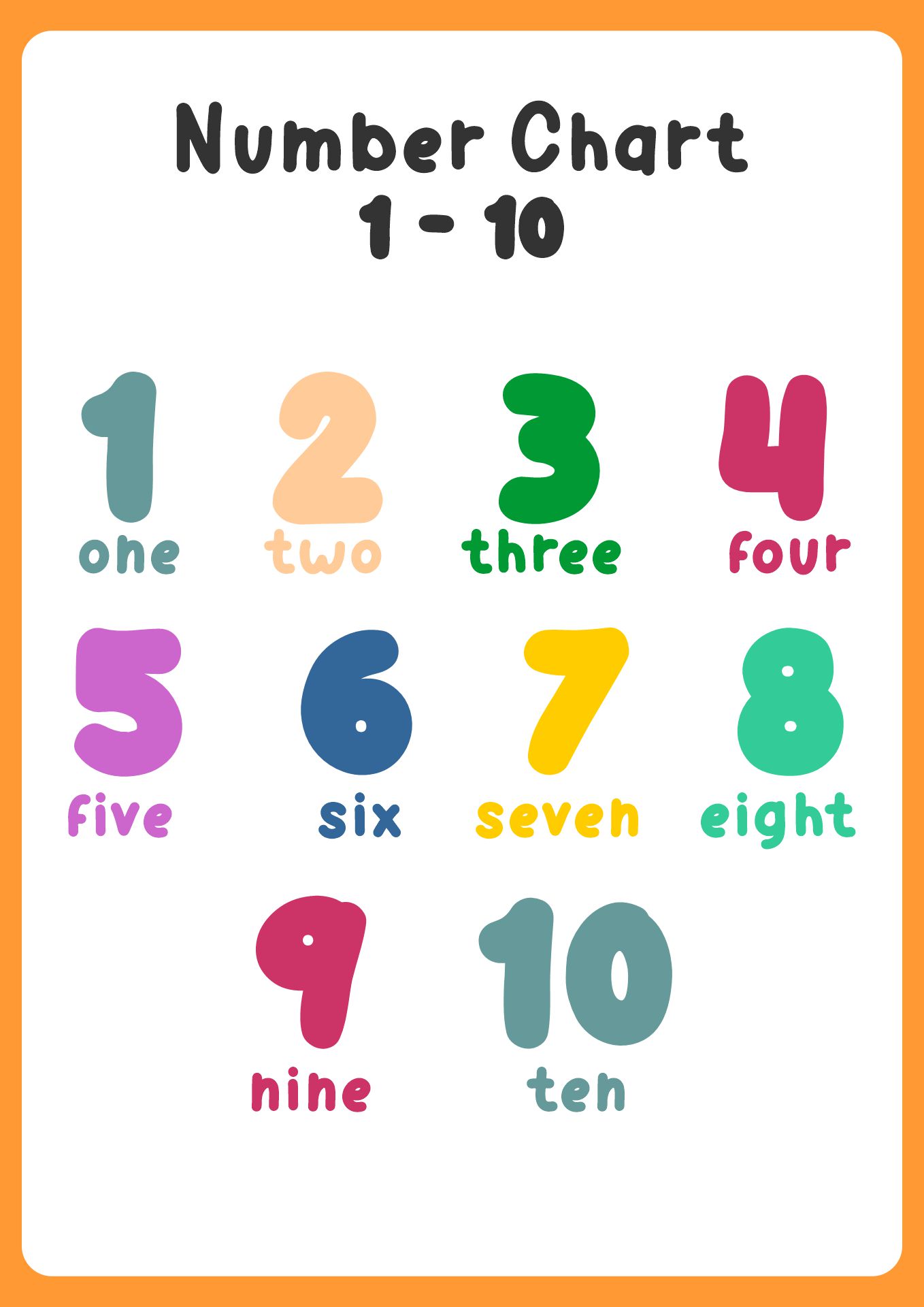
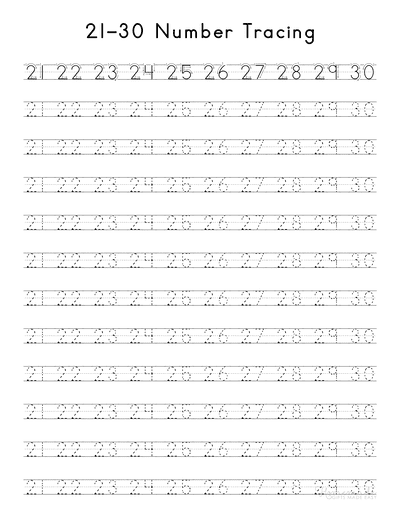
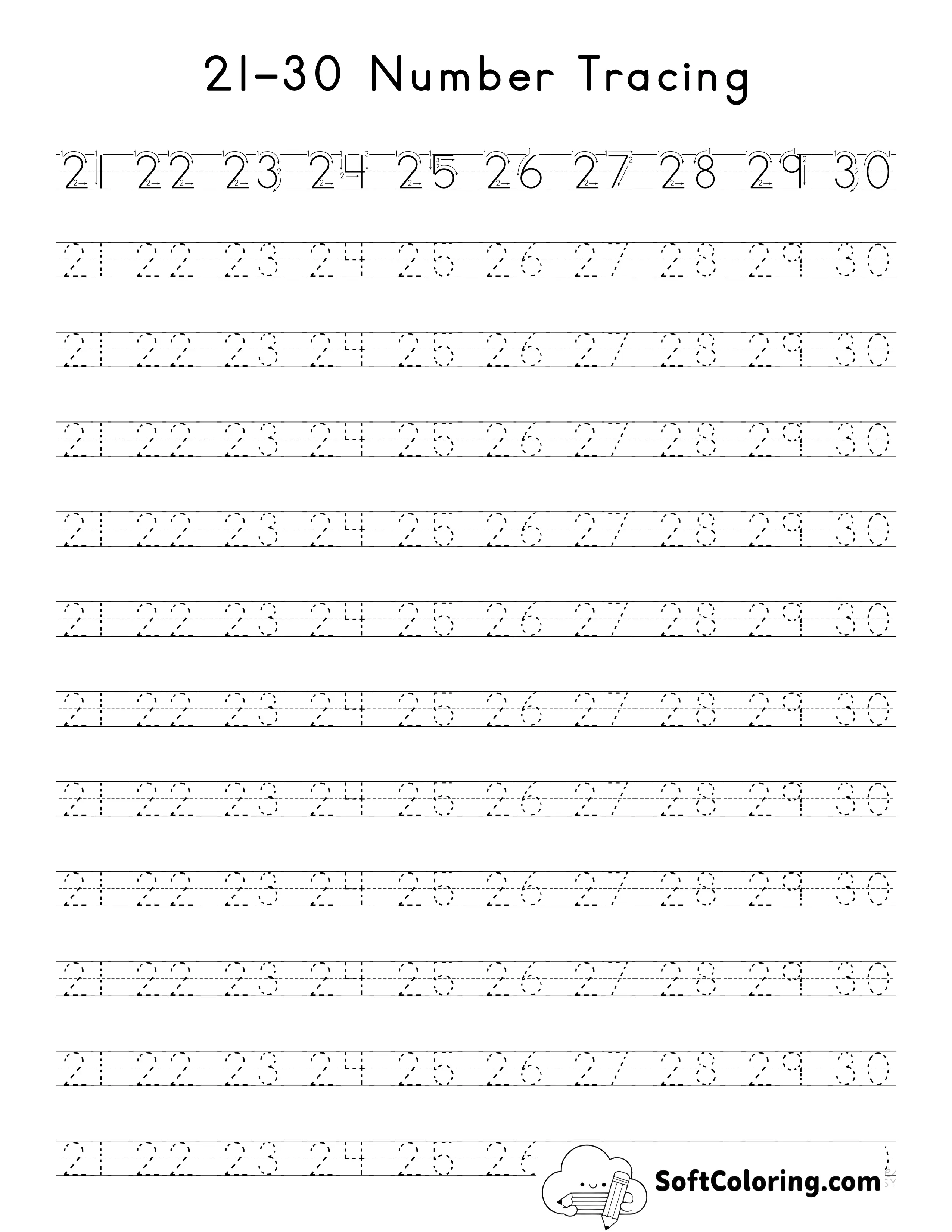
The 1 10 number chart printable focuses on numeral formation, stroke order, and sequential understanding from zero to ten. Each digit is presented with clear visual cues that guide the hand through proper starting points and directional paths. Children encounter both isolated numeral practice and full sequential layouts, allowing them to see how numbers relate to one another in value and order. The design intentionally minimizes visual clutter to keep attention focused on pencil movement and spatial awareness. Additionally, the structured layout reinforces left-to-right tracking, which supports both reading readiness and mathematical charting skills.
Key Learning Outcomes
Working consistently with a structured number chart yields multiple developmental milestones. Learners internalize correct stroke sequences for digits one through ten, reducing the habit of drawing numbers from the bottom up. Hand-eye coordination improves as pencils follow guided lines within designated visual boundaries. Spatial organization develops naturally as children space numerals evenly across the grid or page. Furthermore, number recognition solidifies through the multisensory process of seeing, saying, and tracing each individual digit.
How to Use This Worksheet
Implementation begins with selecting an appropriate writing utensil that matches the child’s current hand strength and grasp maturity. Thicker crayons or short pencils encourage a functional tripod grasp by naturally limiting finger-wrapping behaviors. Adults should demonstrate the correct stroke order on a separate sheet before inviting the learner to begin tracing. Allowing children to trace over large versions with a finger first helps build the kinesthetic memory necessary for pencil work. Encouraging verbal counting during the tracing process bridges auditory memory with physical execution.
Practical Tips for Parents and Teachers
Scaffolding practice sessions keeps frustration low and engagement high during fine motor tasks. Short, frequent sessions lasting five to ten minutes yield better results than lengthy, fatiguing practice blocks. Adults can physically guide a hand through the first few strokes to demonstrate directional flow before fading assistance entirely. Offering textured tracing surfaces, such as placing the sheet over a tactile mat, provides sensory feedback that reinforces proper line control. Celebrating small victories in pencil grip and neatness builds intrinsic motivation and self-efficacy.
Age-Appropriate Recommendations
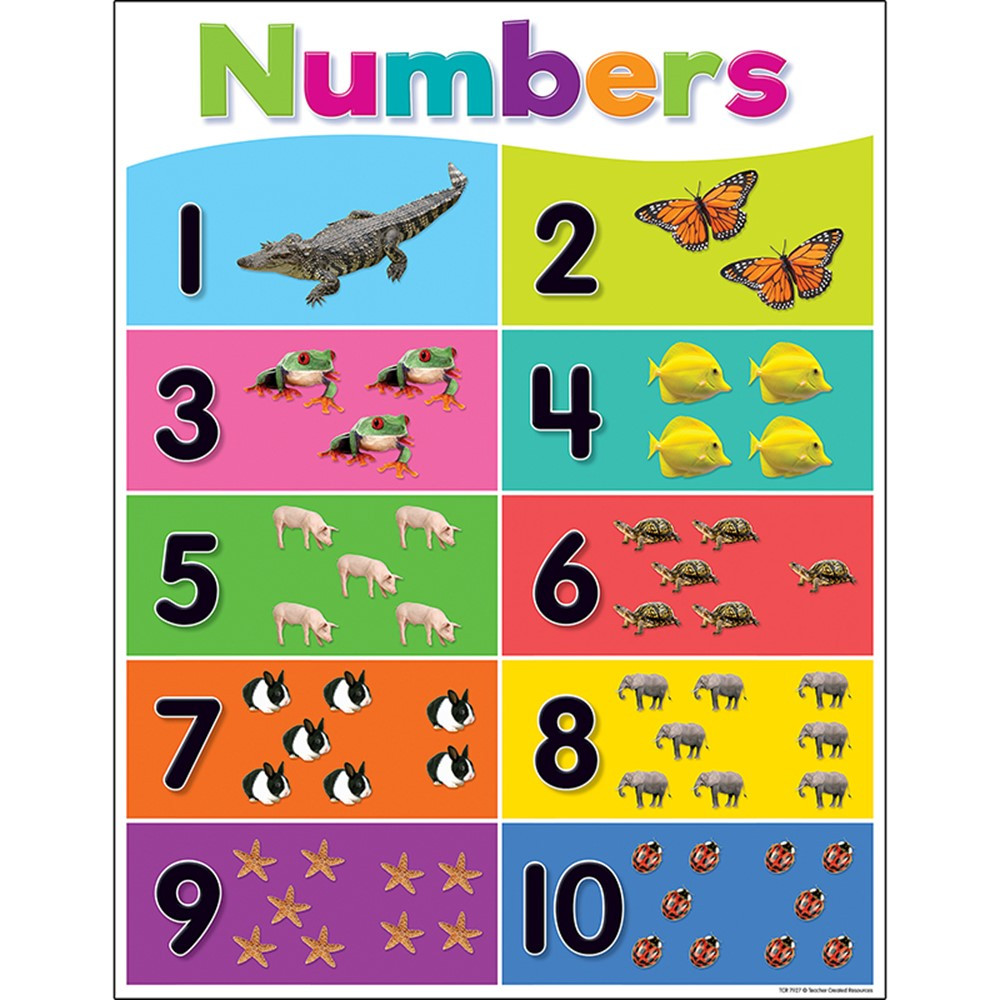
For younger children aged two to four, the focus rests on large pre-writing strokes and identifying numbers within daily play environments, aligning with the Centers for Disease Control and Prevention developmental milestones for early childhood. At this stage, tracing large-format numerals with fingers or thick markers builds gross motor awareness of shapes. Children aged five to eight transition to standard-sized charts where pencil control, pencil pressure regulation, and precise numeral formation take precedence. This older group benefits from connecting the traced digits to concrete counting objects, reinforcing number sense alongside fine motor refinement. For broader practice with foundational numbers, exploring specialized Tracing Number pages provides targeted skill reinforcement.
Early fine motor control and visual-spatial integration are direct predictors of subsequent mathematical and writing achievement — American Occupational Therapy Association
Frequently Asked Questions
Common inquiries regarding printing, motor development, and instructional strategies are answered below to support caregivers in maximizing the utility of tracing resources.
Tracing supports fine motor development by strengthening intrinsic hand muscles and refining bilateral coordination necessary for precise pencil control — Reading Rockets
Explore More Free Printable Tracing Worksheets
Supporting a well-rounded early childhood curriculum requires access to a diverse library of skill-building materials. Beyond foundational math charts, learners benefit from exploring Alphabet And Numbers Tracing to build comprehensive literacy foundations. Educators and parents seeking to strengthen hand strength can also utilize resources focused on Fine Motor and Pre-Writing Skills. To discover a wide array of educational resources tailored to early childhood development, explore the complete collection of printables available at KidTraces.com.
Quick Wiring Specifications & Terminal Guide
| Component / Circuit | Standard Wire Gauge | Recommended Protection |
|---|---|---|
| Control & Trigger Signals | 18 – 20 AWG | 5A – 7.5A Inline Fuse |
| Standard Auxiliary Load | 14 – 16 AWG | 15A – 20A Circuit Breaker |
| Main Power Feed / Supply | 10 – 12 AWG | 30A – 40A Heavy-Duty Relay |
Images References