Introduction
Many young children recognize numbers and quantities long before their tiny hand muscles possess the endurance to form them on paper. According to the American Occupational Therapy Association, foundational fine motor control and bilateral hand coordination are essential prerequisites for successful pencil manipulation and academic readiness. Introducing specialized practice sheets early bridges this exact gap between cognitive awareness and physical execution. The free printable tracing number of money offers a dynamic avenue for early learners to connect mathematical concepts with essential pre-writing strokes. Children naturally gravitate toward counting coins and currency symbols, making financial themes a remarkably engaging hook for pencil control practice. It sounds simple, and that’s the point. Grounding early writing practice in recognizable objects transforms a potentially frustrating handwriting drill into an engaging, purposeful activity that builds foundational coordination naturally.
💡 Educational Key Takeaways:
- Core Skill: Structured Tracing Number Of Money focused on developing pencil grip, stroke control, and early literacy/math confidence.
- Target Scope: Suited for homeschoolers, preschool, kindergarten, and elementary learners.
- Best Recommendation: Practice 10–15 minutes daily with ergonomic writing tools to reinforce muscle memory without hand fatigue.
What This Worksheet Covers
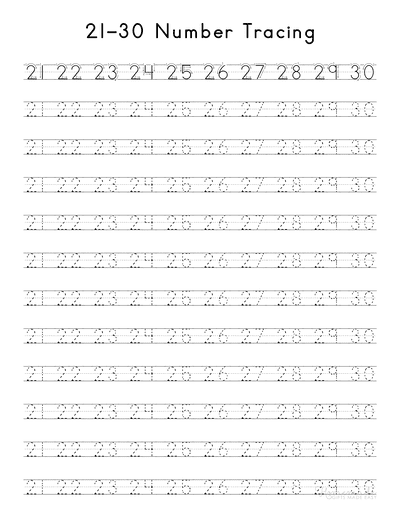
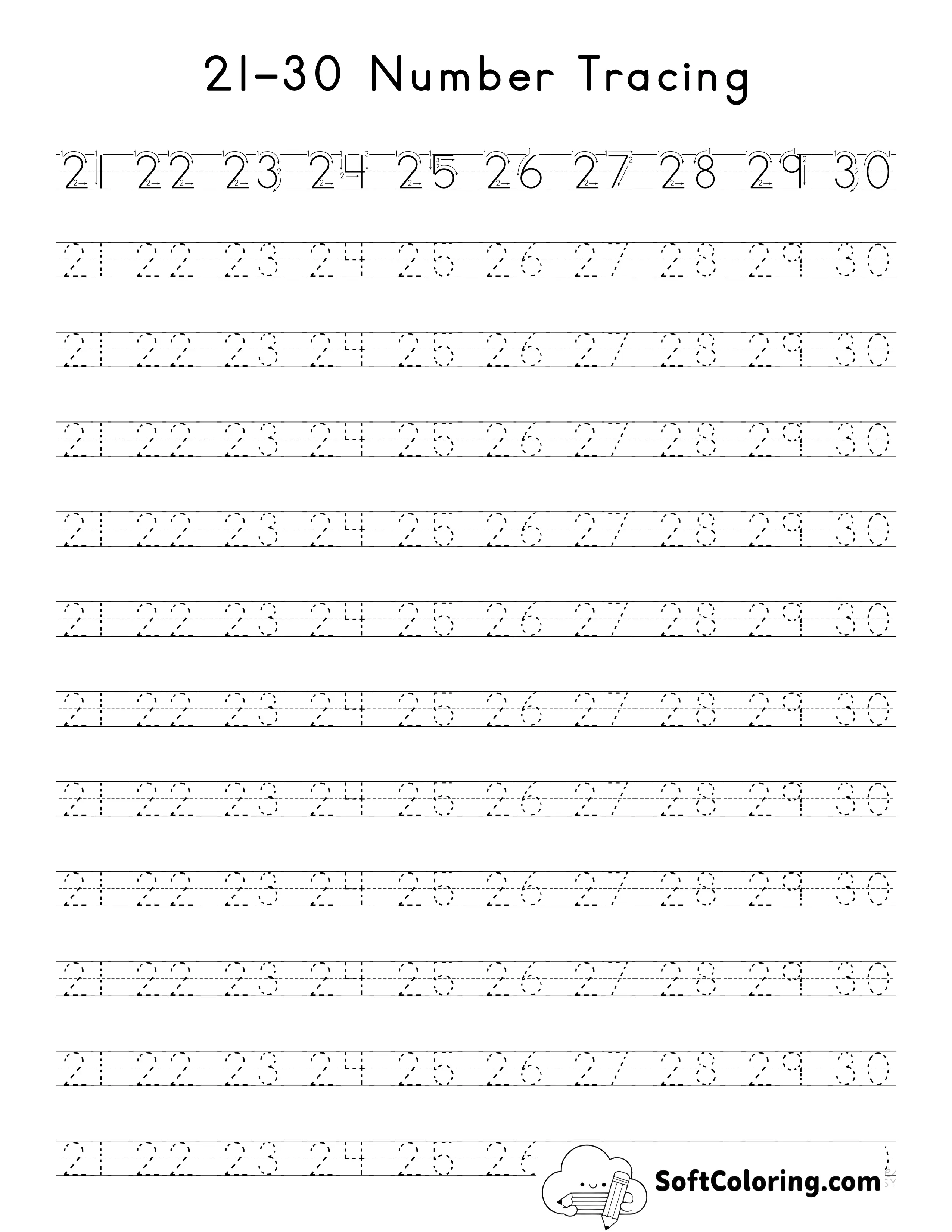
This targeted resource focuses on combining numerical stroke acquisition with foundational financial literacy concepts. Each page guides young hands through the precise formation of digits commonly associated with monetary values, such as one, five, ten, and twenty, paired with coin and dollar symbols. Dotted lines provide clear visual cues for starting points, stroke directionality, and proportional sizing, which helps prevent common reversals. Here’s what makes this worksheet different: it integrates cognitive pattern recognition with tactile motor planning, ensuring children process both the semantic meaning of the number and the physical path required to draw it. Learners navigate carefully structured paths that mimic the curves of currency while reinforcing directional habits necessary for legibility. For more related activities, check out our 1 100 Number Tracing Printable.
Key Learning Outcomes
Targeted tracing exercises deliver multiple developmental milestones simultaneously when implemented with proper guidance. Children refine visual-motor integration as eyes track the dotted lines while hands execute matching physical movements. Correct numeral formation paths are reinforced through repetition, establishing vital muscle memory that prevents awkward pencil grips later on. Students also build essential finger dexterity and intrinsic hand strength by modulating pressure along curved and straight paths. Furthermore, early learners gain familiarity with numeric sequencing and the conceptual grouping of money, which supports both mathematical fluency and fine motor stamina in a single session.
How to Use This Worksheet
Successful implementation relies heavily on creating a comfortable, low-pressure environment that respects developmental readiness. Begin by placing the printable on a stable, flat surface where the child’s feet can rest flat on the floor or a footrest to provide core stability. Encourage a functional grasp, such as a modified tripod or quadrupod grip, while remaining flexible if hand fatigue sets in early. Adults should guide the child to start each stroke at the designated visual cue, usually marked by a friendly dot or arrow, to ensure proper directionality. It is entirely normal for early attempts to stray slightly outside the lines; patience and positive reinforcement foster the intrinsic motivation required for sustained skill development.
Practical Tips for Parents and Teachers
Scaffolding support effectively prevents frustration and promotes independent problem-solving during tracing sessions. Adults can model proper stroke order on a separate piece of paper first, vocalizing the directional movements out loud like starting at the top and pulling straight down. For children who struggle with pencil pressure, placing a textured mat underneath the paper provides beneficial sensory feedback that enhances finger awareness. When fatigue appears, transition from traditional pencils to broken crayons or short markers, which naturally encourage a proper grasp by limiting room for a fist hold. Activities can be extended by cutting out the completed coin numbers to practice sorting, combining fine motor scissor skills with mathematical value recognition.
Age-Appropriate Recommendations
Matching expectations to developmental stages ensures that practice remains encouraging rather than overwhelming. According to the National Association for the Education of Young Children developmentally appropriate practices, children ages two to four benefit most from large-scale pre-writing strokes, finger tracing, and thick writing utensils that accommodate palmar or transitional grips. During this early stage, focus centers on exploring concepts rather than achieving rigid perfection. For older children ages five to eight, instruction aligns with Common Core standards for mathematics and writing, specifically refining numeral formation, proportion, and line orientation. At this juncture, students utilize standard pencils within the Tracing Number collection to master precise pencil control and automaticity.
Foundational fine motor control and hand coordination are essential prerequisites for successful pencil manipulation and academic readiness — American Occupational Therapy Association (AOTA)
Frequently Asked Questions
Answers to common inquiries regarding the implementation of financial number tracing sheets help caregivers maximize the educational value of each printing session.
Children who develop strong foundational grip strength and pre-writing stroke control demonstrate significantly greater confidence and legibility in early elementary writing tasks — National Association for the Education of Young Children (NAEYC)
Explore More Free Printable Tracing Worksheets
Expanding a child’s skill set requires a diverse variety of practice materials that target different aspects of handwriting and coordination. Caregivers can explore specialized categories such as Fine Motor and Pre-Writing Skills to build baseline hand strength before tackling complex numbers. For alphabet acquisition, the Alphabet And Numbers Tracing section provides comprehensive practice resources. Additional seasonal excitement can be found within Seasonal and Fun Themes to keep young learners continually motivated. Discover the full library of resources by visiting KidTraces.com for all printing needs.
Developmental Milestone & Activity Table
| Development Stage | Recommended Daily Duration | Primary Learning Objective |
|---|---|---|
| Preschool & Pre-K | 10 – 15 Minutes | Pencil grip development & basic pre-stroke lines |
| Kindergarten | 15 – 20 Minutes | Letter/number formation & spatial line awareness |
| Early Elementary (Grade 1–2) | 20 – 30 Minutes | Fluency, sentence construction & neatness |
Images References