Introduction
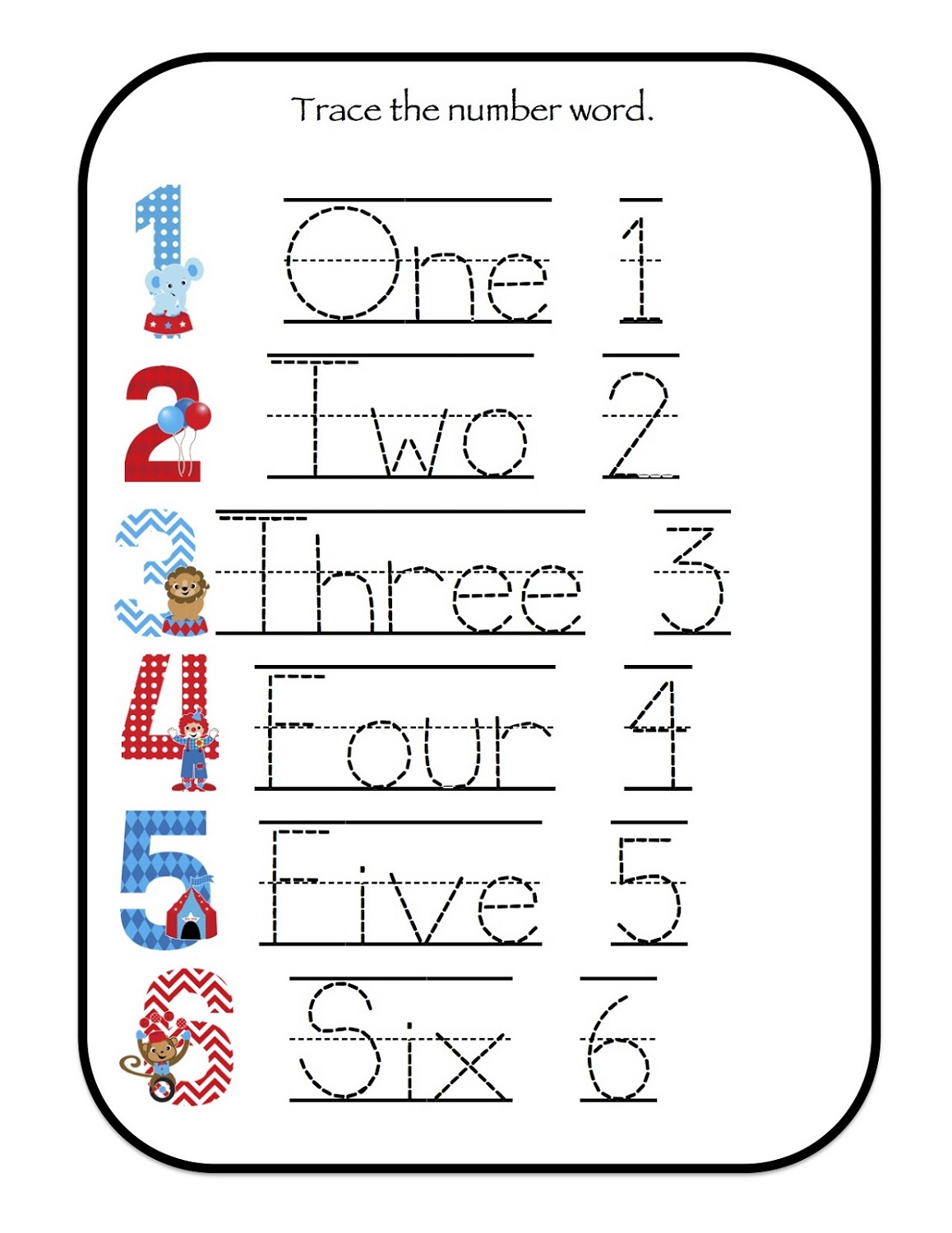
Many children recognize numbers and letters long before their fine motor skills can consistently form them on paper. According to the National Association for the Education of Young Children, young children learn best through active, hands-on exploration that respects their current developmental stage. Providing targeted materials helps bridge the gap between visual recognition and physical execution. The free printable number names tracing pravtice for 3 yr olds bridges this gap by introducing early numeral formation and vocabulary recognition in a playful, low-pressure format. It sounds simple, and that’s the point. Young learners thrive when early writing tasks align naturally with their growing physical capabilities.
💡 Educational Key Takeaways:
- Core Skill: Structured Number Names Tracing Pravtice For 3 Yr Olds focused on developing pencil grip, stroke control, and early literacy/math confidence.
- Target Scope: Suited for homeschoolers, preschool, kindergarten, and elementary learners.
- Best Recommendation: Practice 10–15 minutes daily with ergonomic writing tools to reinforce muscle memory without hand fatigue.
What This Worksheet Covers
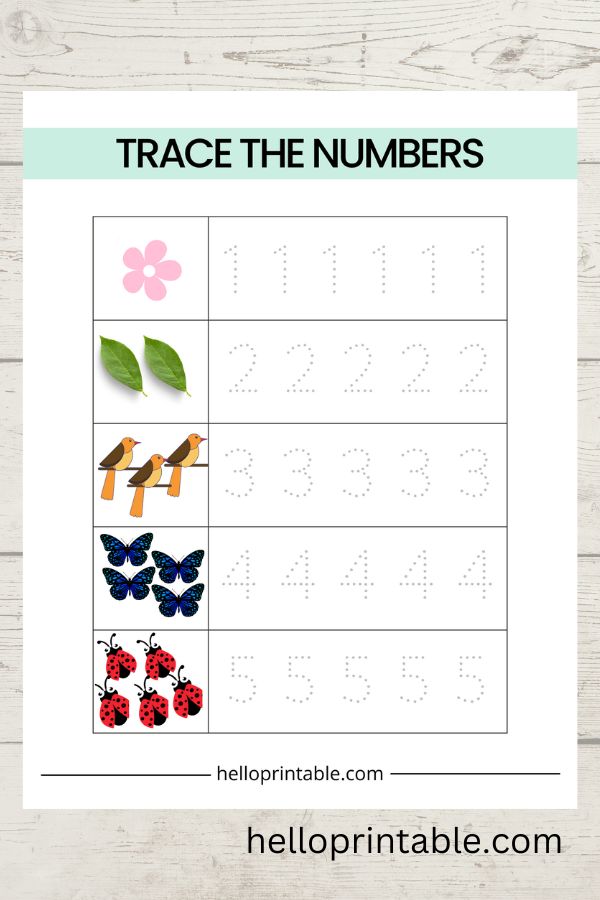
This specific printable focuses on connecting numeral symbols with their written word counterparts. Children engage with both digits and their spelling, establishing a foundational link between math concepts and literacy. Guided formation paths help establish proper stroke directionality right from the start. Rather than demanding rigid perfection, the layout encourages gentle repetition, allowing small hands to explore curves, straight lines, and directional changes without frustration. Exploring additional resources within Tracing Number collections can further reinforce these early mathematical building blocks.
Key Learning Outcomes
Working through these pages builds essential visual-motor integration skills by teaching eyes to guide hands along structured pathways. Children strengthen pencil control as they trace both numerals and the corresponding letters that spell out the number names. Early literacy exposure naturally increases through repeated visual contact with printed words. Hand-eye coordination improves significantly as little fingers learn to apply steady pressure and maintain continuous contact with the writing surface. This comprehensive process supports overall readiness across Fine Motor and Pre-Writing Skills, setting the stage for future academic success.
How to Use This Worksheet
Success with early tracing relies heavily on keeping sessions short and engaging. Setting up a comfortable workspace with proper seating ensures the child’s feet are flat and paper is slightly slanted, which naturally encourages a functional grasp. Adults can slip the pages into heavy-duty plastic sleeves and provide dry-erase markers for a reusable practice station that removes the fear of making mistakes. When children feel safe to experiment, engagement increases naturally. Pairing this activity with related Alphabet And Numbers Tracing sheets creates a balanced daily routine.
Practical Tips for Parents and Teachers
Guiding a young child requires careful observation of hand fatigue and attention span. Adults should model correct grip casually, encouraging a three-finger tripod grasp without forcing an uncomfortable hand posture too early. Scaffolding the activity works wonders; an adult can gently hand-over-hand guide the first few strokes before letting the child finish independently. Extending the learning outdoors by having children trace large numbers in the sand or paint them with water on a sidewalk adds a helpful sensory dimension. According to the American Occupational Therapy Association, incorporating multi-sensory strategies significantly enhances motor learning and memory retention in young children.
Age-Appropriate Recommendations
For three-year-olds, the primary objective is exploring lines, building finger strength, and gaining basic exposure to number concepts rather than producing flawless handwriting. Aligning with the CDC developmental milestones, children at this age typically enjoy scribbling spontaneously and beginning to imitate horizontal or vertical strokes. As children grow closer to kindergarten age, expectations shift toward controlled formation, proportional sizing, and directional consistency. Keeping activities tailored to these specific developmental windows prevents early burnout and keeps the learning experience joyful.
Young children learn best through active, hands-on exploration that respects their current developmental stage. — National Association for the Education of Young Children
Frequently Asked Questions
Here are quick answers to common questions about using early tracing printables effectively at home and in the classroom.
Explore More Free Printable Tracing Worksheets
Supporting a child’s early writing journey involves offering a wide variety of engaging, developmentally appropriate practice materials. Educators, parents, and therapists can browse the entire collection of resources to find everything from simple pre-writing strokes to complex letter formations. Discover additional tools by visiting the main library at KidTraces.com to keep little hands learning and growing every single day.
Developmental Milestone & Activity Table
| Development Stage | Recommended Daily Duration | Primary Learning Objective |
|---|---|---|
| Preschool & Pre-K | 10 – 15 Minutes | Pencil grip development & basic pre-stroke lines |
| Kindergarten | 15 – 20 Minutes | Letter/number formation & spatial line awareness |
| Early Elementary (Grade 1–2) | 20 – 30 Minutes | Fluency, sentence construction & neatness |
Images References