Introduction
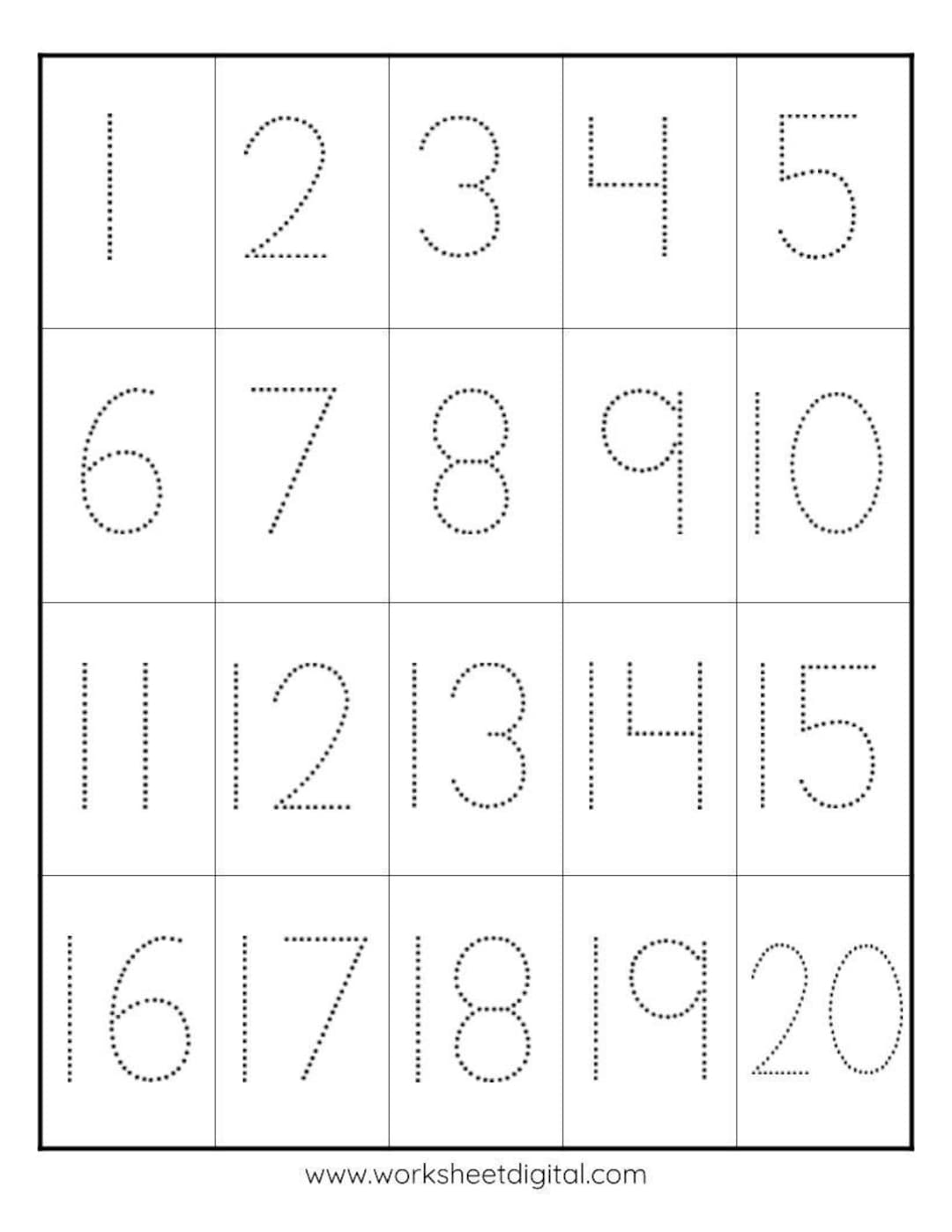
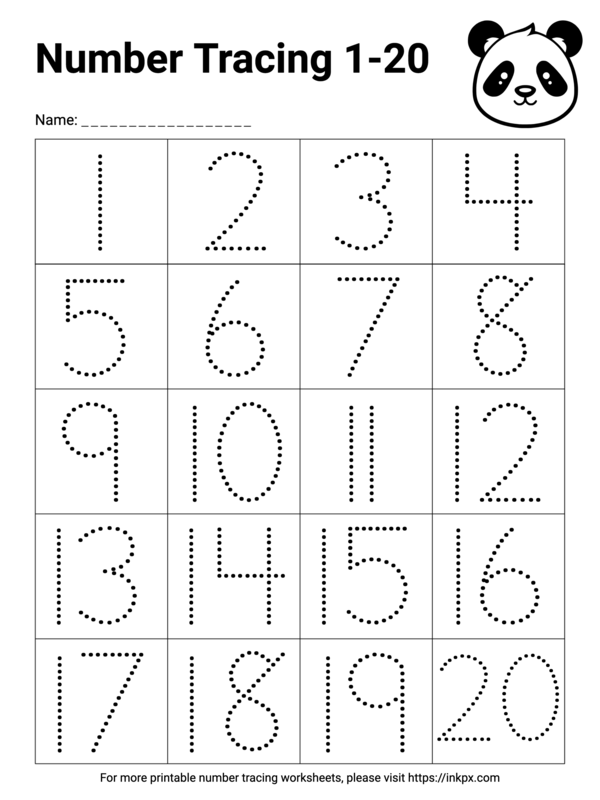
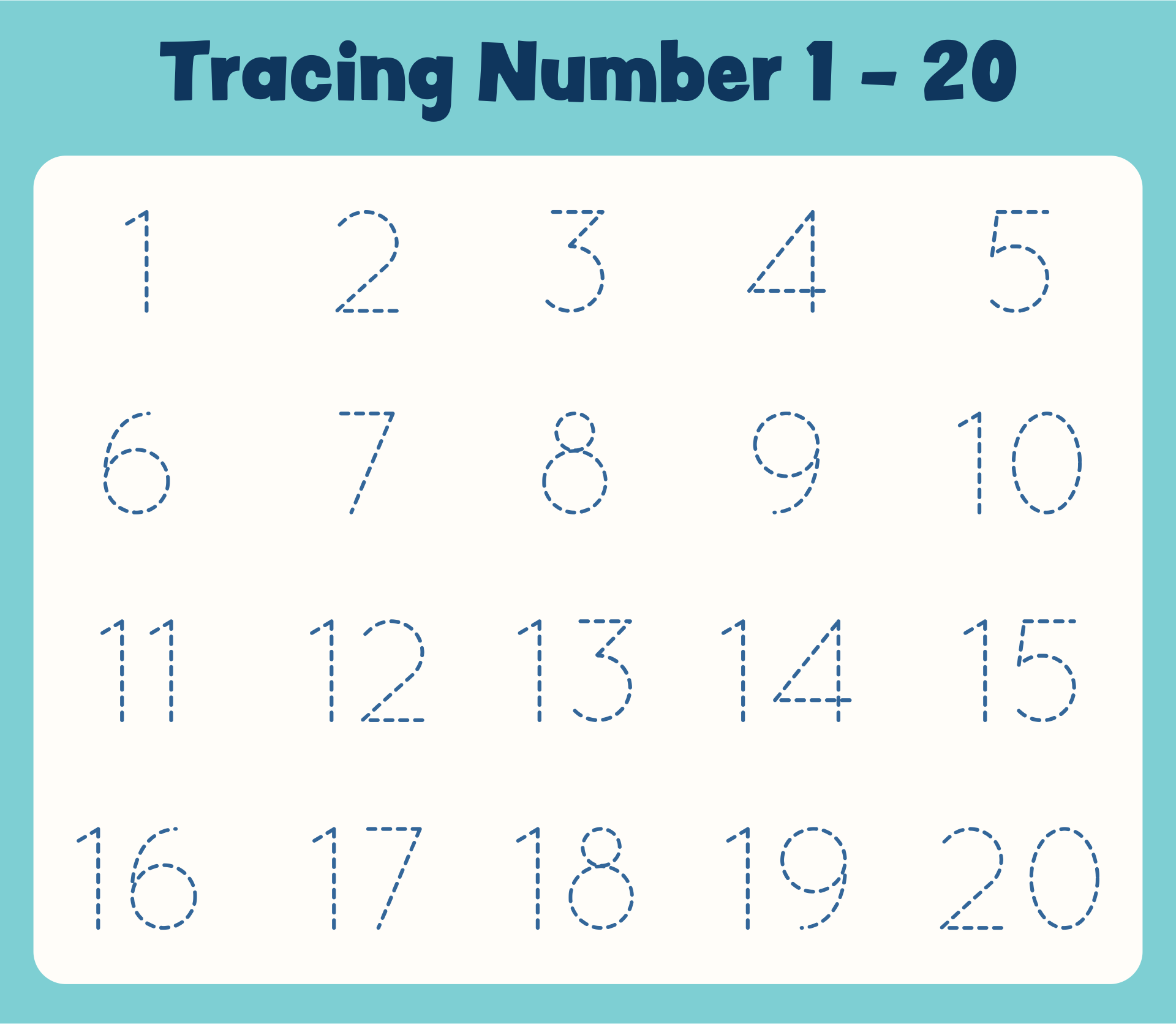
Many children recognize numerals long before their developing hand muscles possess the endurance and dexterity required to form them on paper. According to the National Association for the Education of Young Children (NAEYC), purposeful early writing experiences help bridge this gap by connecting cognitive understanding with physical execution. Young learners observe numbers everywhere on street signs, clocks, and pages, naturally sparking a desire to replicate those symbols. Mastering numeral formation requires precise directional control, spatial awareness, and steady hand-eye coordination. Structured practice materials provide the scaffold necessary to turn this innate curiosity into tangible pencil control. Using a dedicated 1 20 number tracing sheet gives children a structured pathway to bridge the gap between visual recognition and physical mastery.
💡 Educational Key Takeaways:
- Core Skill: Structured 1 20 Number Tracing Sheet focused on developing pencil grip, stroke control, and early literacy/math confidence.
- Target Scope: Suited for homeschoolers, preschool, kindergarten, and elementary learners.
- Best Recommendation: Practice 10–15 minutes daily with ergonomic writing tools to reinforce muscle memory without hand fatigue.
What This Worksheet Covers
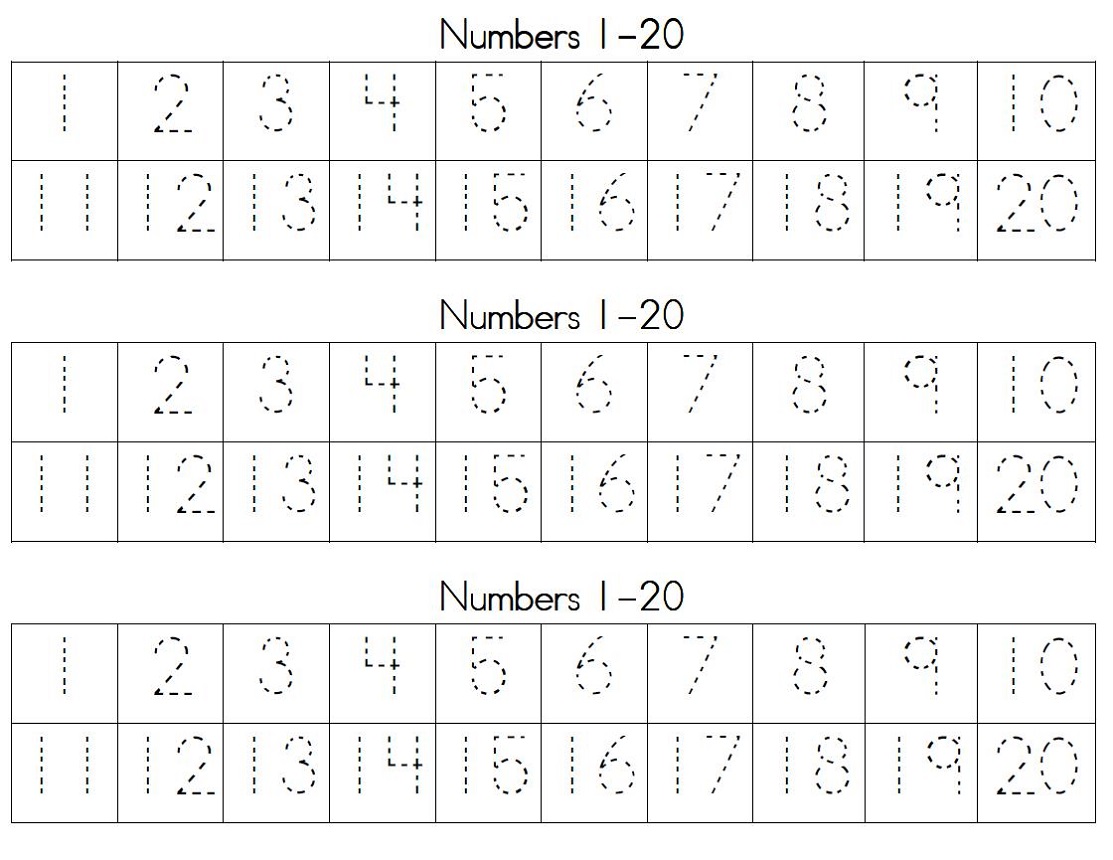
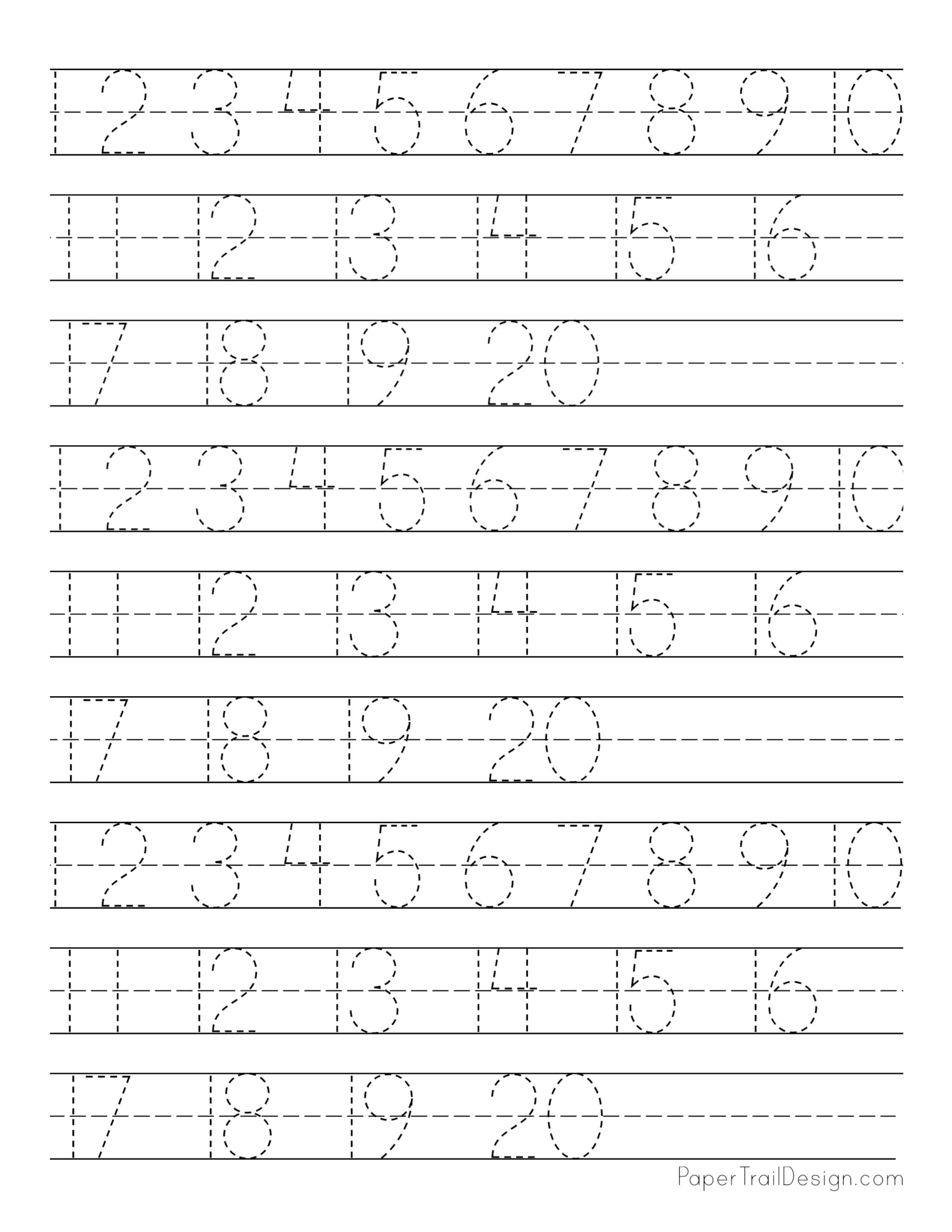
This printable resource guides learners sequentially through digits one through twenty, focusing heavily on proper numeral formation and stroke order. Each section offers clear visual cues that highlight starting points, directional arrows, and stopping points to prevent erratic hand movements. The layout transitions smoothly from larger tracing guides with prominent dot patterns down to independent writing spaces that test retained muscle memory. It sounds simple, and that is the exact point of effective foundational design. By removing visual clutter, the layout allows young minds to focus entirely on pencil movement and spatial boundaries. Furthermore, learners encounter numbers in a predictable sequence, reinforcing counting cardinality alongside physical handwriting mechanics.
Key Learning Outcomes
Working through these guided numeral pathways cultivates several foundational academic and physical proficiencies simultaneously. Learners internalize correct stroke sequences, which prevents the formation of inefficient handwriting habits that prove difficult to break later in school. Spatial orientation improves as children learn to anchor digits properly on a baseline while maintaining uniform size and spacing. Hand strength and endurance develop steadily through repeated, low-friction tracing motions that strengthen the intrinsic muscles of the hand. Finally, numeral recognition solidifies deeply because physical tracing engages tactile and kinesthetic sensory pathways that visual observation alone cannot replicate. These developmental gains lay essential groundwork for broader mathematical literacy and fluent writing across all subjects.
How to Use This Worksheet
Successful implementation relies on creating a low-stress environment where accuracy takes precedence over rapid completion. Educators and caregivers can introduce the resource by demonstrating the exact pencil stroke in the air before the child touches the paper. It helps to use multisensory variations first, such as tracing numerals in a shallow tray filled with salt or sand to reinforce directional memory without pencil fatigue. Monitoring posture is equally vital, ensuring feet rest flat on the floor and the non-dominant hand stabilizes the paper securely. When children show signs of hand fatigue or frustration, pausing the activity protects their developing enthusiasm and prevents poor grip habits from taking root.
Practical Tips for Parents and Teachers
Here’s what makes this worksheet different: it supports flexible scaffolding tailored to individual developmental timelines. Adults should model an efficient tripod or quadrupod grasp, gently correcting thumb tucks before bad habits solidify into muscle memory. For learners struggling with fine motor control, slipping the page inside a dry-erase sleeve allows them to trace with thick markers, reducing friction and building early confidence. Extending the activity naturally happens by asking learners to count physical objects matching the target numeral before picking up a writing utensil. Celebrating small victories, like a smoothly curved numeral three or a straight digit one, reinforces positive associations with writing tasks.
Age-Appropriate Recommendations
Developmental expectations shift dramatically across early childhood, requiring careful alignment with recognized growth frameworks. According to the Centers for Disease Control and Prevention (CDC) developmental milestones, toddlers and young preschoolers in the two-to-four age bracket primarily focus on pre-writing strokes, vertical lines, and crude imitation, making oversized tracing guides ideal for this stage. Older children ages five to eight transition toward refined pencil control, proper baseline adherence, and consistent proportional scaling as outlined in Handwriting Without Tears methodologies. Recognizing these distinct phases ensures that adults never push a child beyond their current neuromuscular readiness, fostering steady progress instead of burnout.
Purposeful early writing experiences help connect cognitive numeral recognition with physical execution by engaging tactile and kinesthetic sensory pathways. — National Association for the Education of Young Children (NAEYC)
Frequently Asked Questions
Answers to common inquiries regarding implementation, printing, and developmental benefits appear below to support smooth daily integration.
Explore More Free Printable Tracing Worksheets
Expanding a child’s foundational toolkit requires access to diverse, high-quality practice materials that target every phase of early development. Exploring the comprehensive library available at KidTraces.com provides endless opportunities for skill-building. For advanced numeral exploration, visit the dedicated Tracing Number collection. To strengthen pencil grip and hand endurance, incorporate exercises from the Fine Motor and Pre-Writing Skills section. Discover engaging letter formation resources within the Dotted Letters For Tracing archives, or explore thematic practice pages in the Seasonal and Fun Themes gallery. Every structured Tracing Worksheets category is thoughtfully designed to support confident, capable learners.
Developmental Milestone & Activity Table
| Development Stage | Recommended Daily Duration | Primary Learning Objective |
|---|---|---|
| Preschool & Pre-K | 10 – 15 Minutes | Pencil grip development & basic pre-stroke lines |
| Kindergarten | 15 – 20 Minutes | Letter/number formation & spatial line awareness |
| Early Elementary (Grade 1–2) | 20 – 30 Minutes | Fluency, sentence construction & neatness |
Images References