Introduction
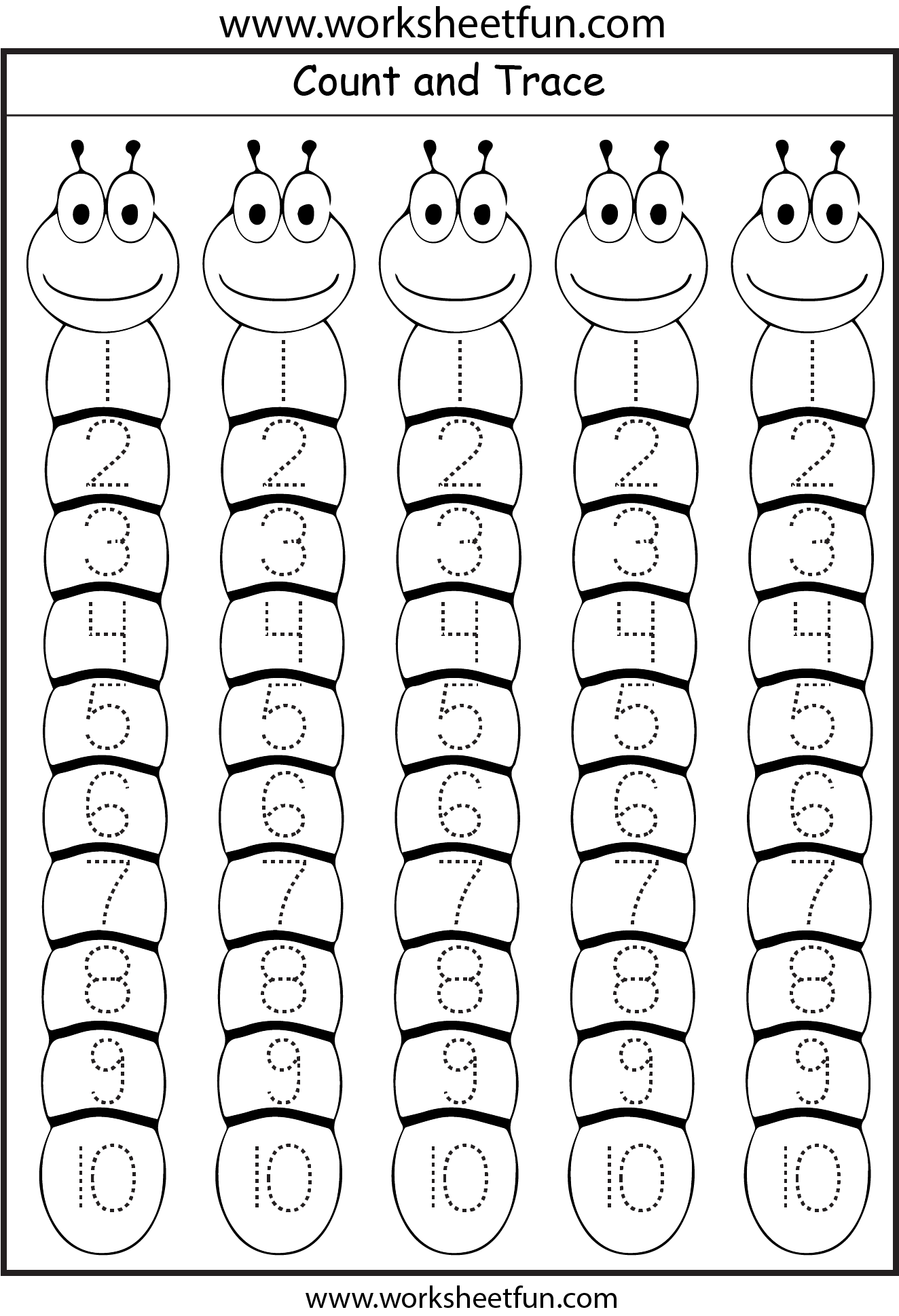
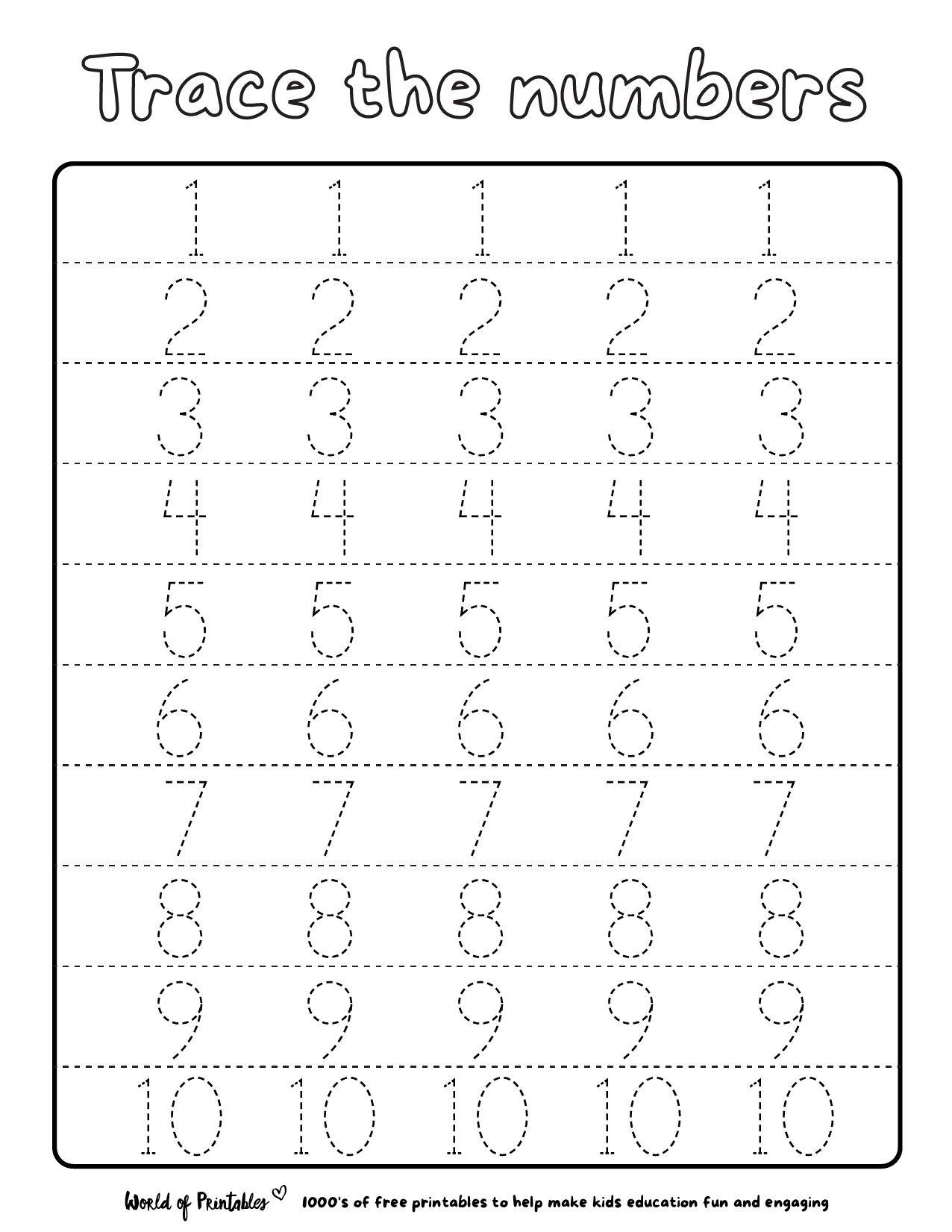
Many children recognize numerals and letters long before their fine motor coordination allows them to neatly form them on paper. According to the National Association for the Education of Young Children (NAEYC), developmentally appropriate practice requires supporting young learners through hands-on experiences that match their physical maturity rather than rushing into rigid desk work. Bridging this cognitive awareness and physical capability takes intentional practice, patience, and the right tools. The free printable 1 to 10 number tracing worksheets free games offer a playful, structured way to build confidence in early math and writing simultaneously. Children often view these sheets as engaging challenges rather than tedious writing drills. Here’s what makes this approach different: it blends visual recognition with physical repetition, transforming abstract digits into concrete paths for tiny hands to follow.
💡 Educational Key Takeaways:
- Core Skill: Structured 1 To 10 Number Tracing Worksheets Free Games focused on developing pencil grip, stroke control, and early literacy/math confidence.
- Target Scope: Suited for homeschoolers, preschool, kindergarten, and elementary learners.
- Best Recommendation: Practice 10–15 minutes daily with ergonomic writing tools to reinforce muscle memory without hand fatigue.
What This Worksheet Covers
Mastering numerical digits requires more than simply memorizing the sequence from one to ten. Numeral formation demands precise spatial awareness, directional consistency, and controlled pencil strokes that differ significantly from drawing random lines or coloring shapes. These foundational pages guide learners through the distinct loops, straight lines, and sharp angles required for each individual digit. According to the American Occupational Therapy Association (AOTA), foundational graphomotor skills rely on proximal stability and finger dexterity, which targeted tracing exercises gently strengthen over time. Each printable page isolates a specific number, offering large visual anchors, clear starting dots, and directional arrows that promote correct stroke habits from the very beginning. By incorporating game-like elements into traditional numeral practice, the activities reduce pencil fatigue and sustain attention spans far longer than standard worksheet drills.
Key Learning Outcomes
Working through these pages cultivates several crucial developmental milestones simultaneously. First, children internalize correct stroke order, ensuring they start digits at the top and finish at the bottom rather than developing awkward habits. Second, the exercises build visual-motor integration, teaching the brain to translate what the eyes see into precise hand movements across the page. Third, numerical recognition solidifies as learners trace, count, and associate quantities with the written symbol. Finally, students enhance overall pencil control, refining their grip and applying steady pressure that transfers directly to letter formation and future Fine Motor and Pre-Writing Skills. These combined outcomes lay a robust groundwork for academic success across multiple subjects.
How to Use This Worksheet
Successful implementation relies on keeping the environment low-stress and highly encouraging. Introduce the pages during calm periods of the day when energy levels remain stable and hands are not overly tired from outdoor play. Allow learners to explore the numbers using multisensory tools before touching a standard pencil, such as tracing the large outlines with a finger in the air or over textured surfaces. Lamination or clear plastic sleeves turn these printables into reusable dry-erase boards, which removes the fear of making permanent mistakes. Integrating playful elements from the Tracing Number collection keeps enthusiasm high as children progress from one digit to the next.
Practical Tips for Parents and Teachers
Adults play a vital role in scaffolding these early writing experiences without taking over the physical work. Model the correct tripod or modified grip openly, reminding children that hands need occasional breaks to stretch and shake out tension. Scaffold difficult digits by hand-over-hand guiding at first, then gradually fading support until the child initiates the stroke independently. Extend the learning naturally by counting physical objects around the room that match the number currently being traced on the page. For a wider variety of foundational practice sheets, explore the resources available via Tracing Worksheets to keep daily practice fresh and exciting.
Age-Appropriate Recommendations
Aligning expectations with developmental stages prevents frustration and builds lasting enthusiasm for writing. For toddlers and preschoolers aged two to four, focus primarily on gross motor lines, large shapes, and foundational hand strength using thick crayons or markers, aligning with the Centers for Disease Control and Prevention (CDC) developmental milestones for motor control. Children in the five-to-eight age bracket are typically ready for more refined pencil control, accurate numeral sizing, and mastering the specific stroke sequences found in structured math curricula like Common Core Math standard K.CC.A.3, which addresses writing numbers from zero to twenty. Recognizing where an individual child falls along this continuum ensures that tracing practice remains an empowering experience rather than a source of anxiety.
Foundational graphomotor skills rely on proximal stability and finger dexterity, which targeted tracing exercises gently strengthen over time. — American Occupational Therapy Association (AOTA)
Frequently Asked Questions
Clear answers help caregivers navigate printing, preparation, and skill-building strategies with confidence.
Explore More Free Printable Tracing Worksheets
Supporting a young learner’s journey through early literacy and math requires a diverse toolkit of engaging, well-designed resources. Beyond practicing digits, children benefit immensely from exploring letters, lines, and seasonal motifs that spark their natural curiosity. Discover an extensive library of free educational materials designed by educators and therapists by visiting the complete collection at KidTraces.com today.
Developmental Milestone & Activity Table
| Development Stage | Recommended Daily Duration | Primary Learning Objective |
|---|---|---|
| Preschool & Pre-K | 10 – 15 Minutes | Pencil grip development & basic pre-stroke lines |
| Kindergarten | 15 – 20 Minutes | Letter/number formation & spatial line awareness |
| Early Elementary (Grade 1–2) | 20 – 30 Minutes | Fluency, sentence construction & neatness |
Images References