Introduction
Many children recognize symbols, letters, and numbers long before their fine motor coordination allows them to comfortably form them on paper. According to the National Association for the Education of Young Children, young learners thrive when early writing experiences connect meaningful symbols to physical movement rather than isolated rote memorization. Bridging that crucial gap between cognitive recognition and physical execution requires intentional, structured practice materials. Enter the tracing sheet numeral and word form up to 20, a foundational resource designed to guide little hands through the precise strokes required for math literacy and handwriting readiness.
💡 Educational Key Takeaways:
- Core Skill: Structured Tracing Sheet Numeral And Word Form Up To 20 focused on developing pencil grip, stroke control, and early literacy/math confidence.
- Target Scope: Suited for homeschoolers, preschool, kindergarten, and elementary learners.
- Best Recommendation: Practice 10–15 minutes daily with ergonomic writing tools to reinforce muscle memory without hand fatigue.
What This Worksheet Covers
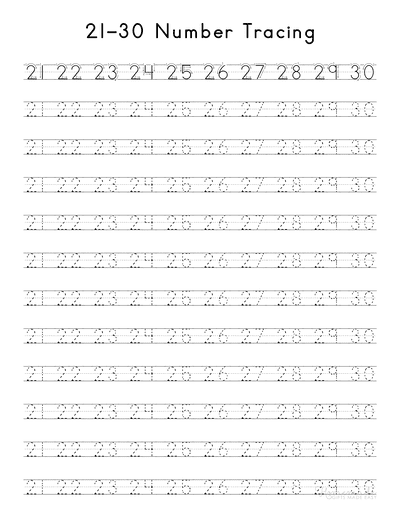
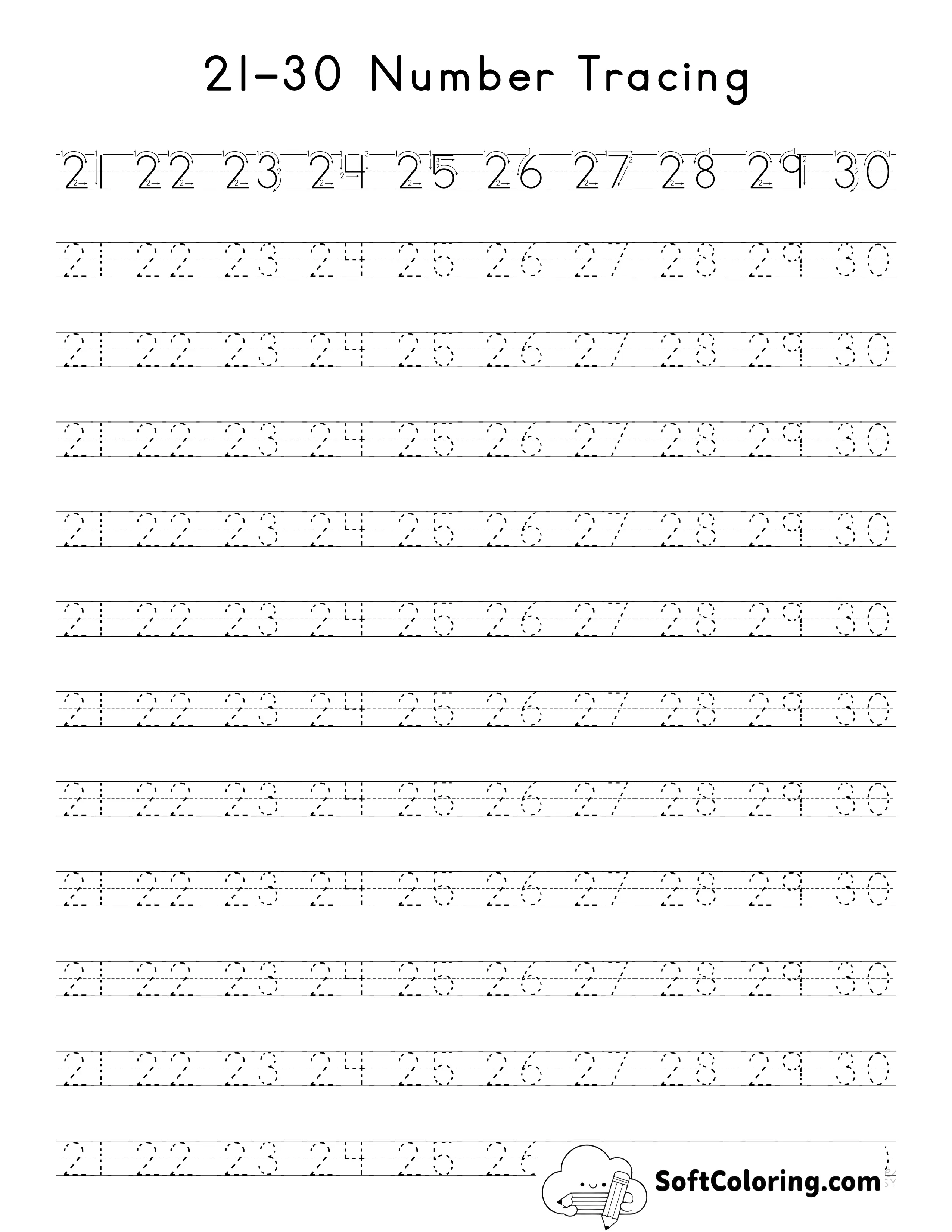
This comprehensive resource introduces children to dual representations of quantity, pairing standard Arabic numerals with their corresponding English word forms across digits one through twenty. Every single line is intentionally mapped out to foster spatial awareness, visual tracking, and directional consistency. It sounds simple, and that is precisely the point. By integrating both numerical digits and alphabetical spelling, learners begin establishing essential cross-curricular connections between early math and literacy foundations. The layout prevents visual clutter, ensuring that young learners can focus entirely on pencil control without becoming overwhelmed by excessive stimuli on the page.
Key Learning Outcomes
Working through these pages cultivates robust stroke order accuracy, pencil pressure modulation, and visual-motor integration. Children develop a clear understanding of starting points and directional paths for tricky numbers like 5, 8, and 3, while simultaneously mastering letter sequencing for words like “seven” or “twelve.” Consistent practice strengthens the intrinsic muscles of the hand, paving the way for legible, fluent handwriting across all academic subjects. Furthermore, learners internalize the permanent relationship between a numeral, its written word, and an abstract quantity, reinforcing fundamental mathematical concepts alongside pre-writing proficiencies found within standard Tracing Number collections.
How to Use This Worksheet
Success with early writing tools depends heavily on scaffolding the physical environment before the pencil ever touches the page. Adults should first verify that the child sits with feet flat on the floor and hips at a ninety-degree angle, as proximal stability directly supports distal control in the fingers. Encouraging a functional tripod or modified grasp reduces hand fatigue during longer numbers and words. Here’s what makes this worksheet different: it supports flexible pacing, allowing educators to assign single rows rather than overwhelming a tired hand with an entire page at once.
Practical Tips for Parents and Teachers
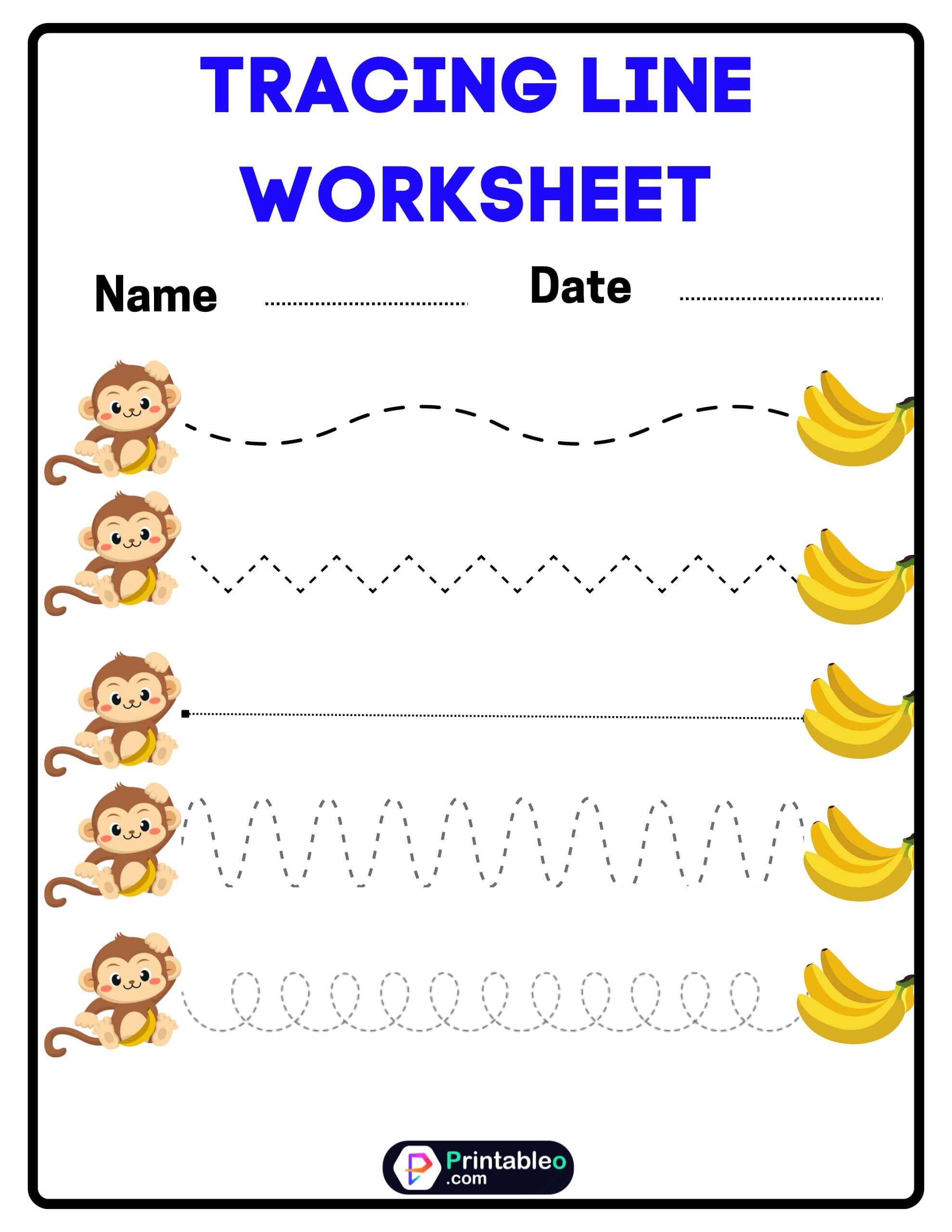
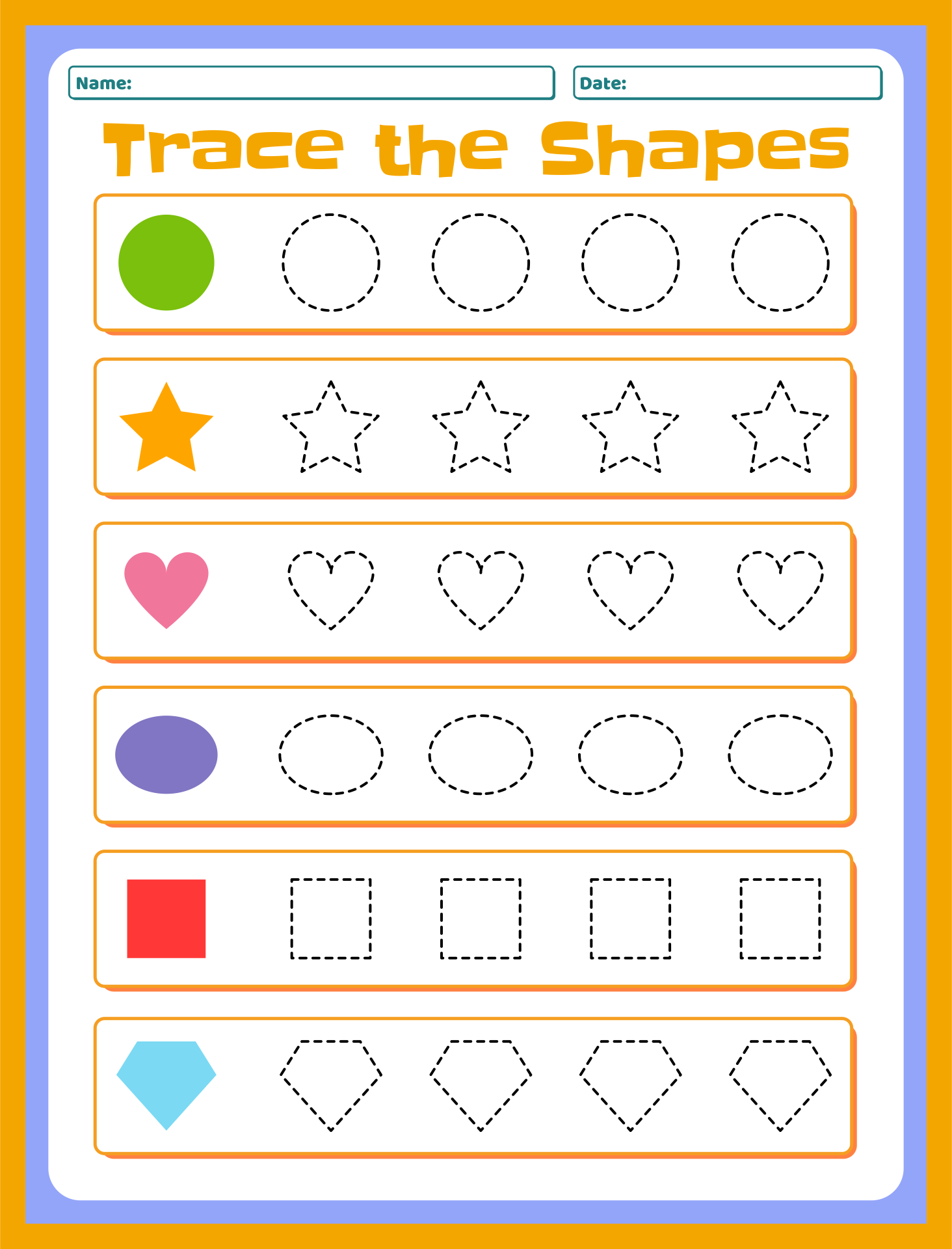
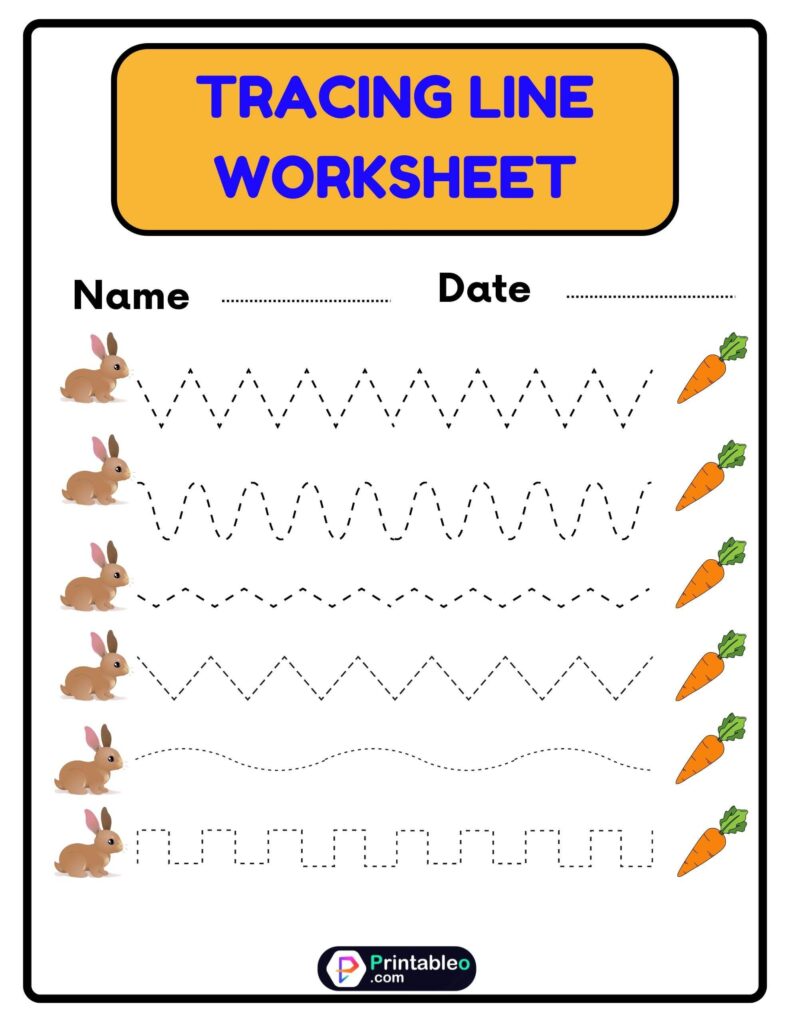
Begin by modeling the exact stroke sequence in the air or on a textured surface before moving to the printed page. Scaffolding the experience with tactile cues, such as tracing embossed numbers or using a finger dipped in paint, helps anchor the movement pattern in muscle memory. Adults can gradually fade support as the child gains confidence, shifting from hand-over-hand assistance to verbal prompts regarding starting dots and line directions. Extending the activity by counting physical objects around the room reinforces the real-world meaning behind the numbers being traced, creating a well-rounded learning session that mirrors the quality found in broader Tracing Worksheets.
Age-Appropriate Recommendations
For toddlers and younger preschoolers aged two to four, the focus remains primarily on gross motor lines, large-scale pre-writing strokes, and introductory symbol recognition in alignment with early CDC developmental milestones. At this stage, adults should prioritize grip exploration and gross control rather than rigid perfectionism. By ages five through eight, children are ready for more structured skill acquisition. According to Handwriting Without Tears developmental progressions, school-aged children benefit immensely from targeted letter and number practice that emphasizes consistent baseline placement, proportional sizing, and proper directional habits for complex numerals and spelling words.
Young children experience significant gains in fine motor precision and numerical literacy when tracing activities combine both visual symbol recognition and guided kinetic movement. — National Association for the Education of Young Children
Frequently Asked Questions
Parents and educators frequently navigate specific logistical and developmental questions when introducing numerical and word tracing pages to young children. Clear answers help streamline instruction and maximize the developmental benefits of every practice session.
Structured pencil-and-paper tracing tasks significantly improve motor control, visual-motor integration, and letter-number identification in early childhood classrooms. — American Occupational Therapy Association
Explore More Free Printable Tracing Worksheets
Expanding a child’s skill set requires a diverse library of engaging, targeted practice materials designed for every developmental milestone. Additional resources spanning various domains can easily complement numerical and word practice. Explore the complete collection of free printables available across the site at KidTraces.com to discover supplementary tools, including Alphabet And Numbers Tracing packets, specialized Word and Name Tracing exercises, and dynamic Fine Motor and Pre-Writing Skills activities to support holistic early childhood development.
Developmental Milestone & Activity Table
| Development Stage | Recommended Daily Duration | Primary Learning Objective |
|---|---|---|
| Preschool & Pre-K | 10 – 15 Minutes | Pencil grip development & basic pre-stroke lines |
| Kindergarten | 15 – 20 Minutes | Letter/number formation & spatial line awareness |
| Early Elementary (Grade 1–2) | 20 – 30 Minutes | Fluency, sentence construction & neatness |
Images References