Introduction
Many children recognize numerals long before their fine motor control allows them to successfully form those same numbers on paper. According to the National Association for the Education of Young Children (NAEYC), developmentally appropriate practice requires balancing expectations for writing with children’s physical dexterity and muscle maturity. Bridging the gap between cognitive understanding and physical execution requires targeted practice that respects hand fatigue and spatial awareness. The free printable worksheet designed to trace numbers 20 to 30 offers a structured pathway for learners mastering higher-digit numerals. Transitioning from single-digit counting to double-digit writing represents a major cognitive and physical milestone in early education, demanding precise control, directional consistency, and an understanding of place value alignment.
💡 Technical Key Takeaways:
- Core Focus: Diagnostic schematic and terminal connection layout for Trace Numbers 20 To 30.
- Target Scope: Field technicians, automotive DIYers, and residential/commercial electricians.
- Safety Rule: Always disconnect the primary power source/battery terminal and verify zero voltage with a multimeter before touching wires.
What This Worksheet Covers
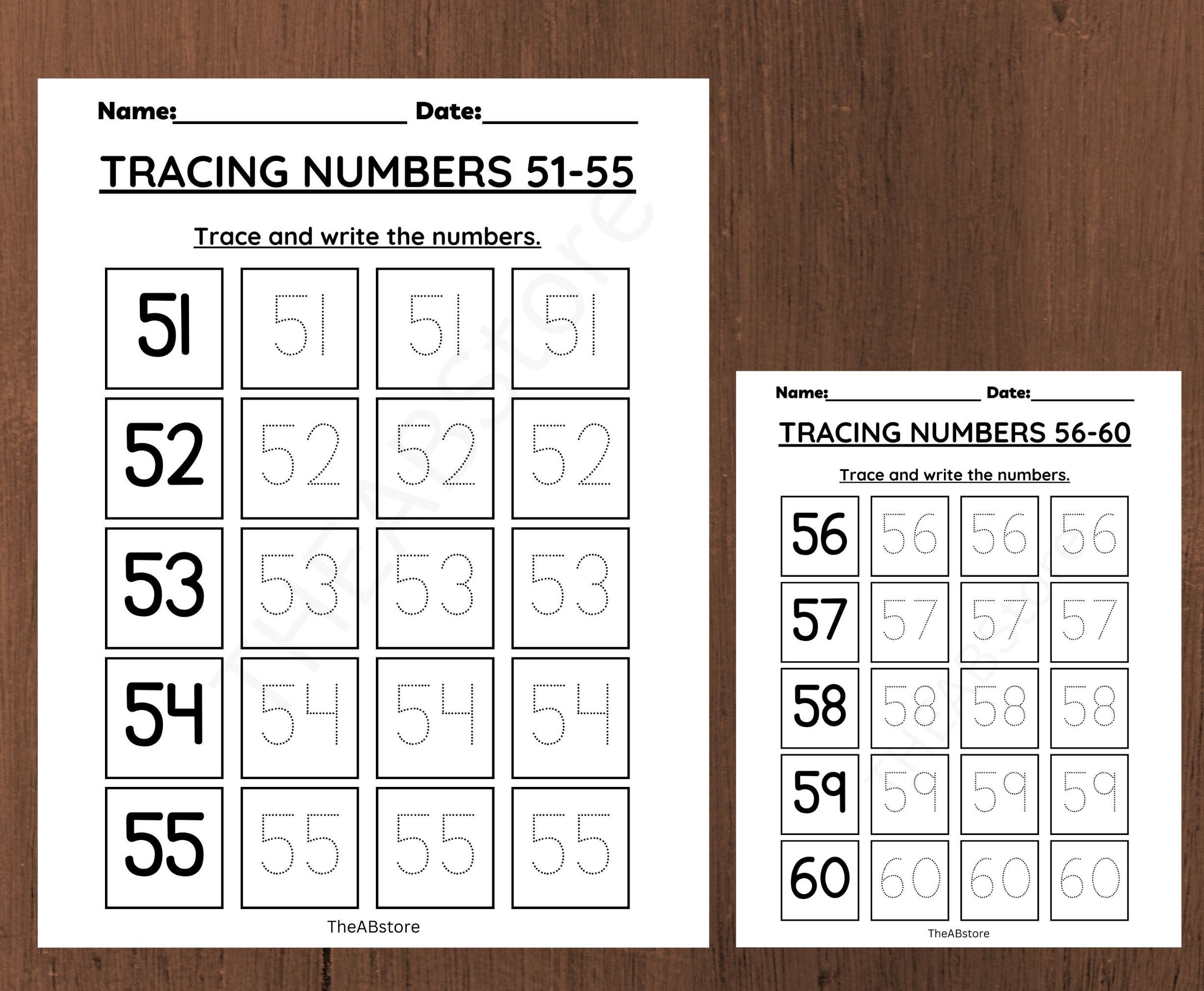
Mastering numbers past twenty requires more than simple memorization; it demands an understanding of two-digit sequence and spatial layout. This printable resource focuses specifically on numerals twenty through thirty, providing explicit visual guides for stroke formation. Each row introduces a new number with clear starting points, directional arrows, and dotted lines that encourage proper pencil control. The layout intentionally balances white space with structured tracing paths to prevent cognitive overload. Exploring resources like Tracing Number pages helps learners build confidence as they tackle multi-digit formations. By isolating the twenties, children gain focused practice on writing the numeral ‘2’ repeatedly alongside a changing second digit, which reinforces number patterns and structural consistency.
Key Learning Outcomes
Engaging systematically with this numerical sequence builds essential pre-writing and mathematical skills simultaneously. Learners develop superior pencil control by maintaining steady pressure and smooth lines along complex curved and straight strokes. According to the American Occupational Therapy Association (AOTA), functional handwriting relies heavily on integrated visual-motor skills and proximal stability, both of which are exercised during structured numeral practice. Furthermore, children strengthen their understanding of base-ten concepts by physically writing tens paired with individual units. Spatial planning improves significantly as learners manage proper spacing between digits to avoid cramped or overlapping numbers. Ultimately, completing the full sequence fosters patience, attention to detail, and a sense of accomplishment in early numeracy.
How to Use This Worksheet
Implementation success depends heavily on creating a low-stress environment where accuracy takes precedence over speed. Begin by reviewing the target number aloud, having the child trace the large model with a finger before touching a writing utensil. Observing hand placement and pencil grasp during these initial attempts ensures that bad habits do not become ingrained. For additional skill development in foundational strokes, incorporating activities from Fine Motor and Pre-Writing Skills can prepare tired hands for the demands of writing double-digit numbers. Short, frequent practice sessions yield much better results than long, exhausting drills that lead to frustration and poor grip regression.
Practical Tips for Parents and Teachers
Adults can scaffold the learning process by demonstrating proper stroke order on a separate whiteboard before the child attempts the worksheet. If hand fatigue sets in early, try breaking the page into manageable sections, tackling just twenty through twenty-four on the first day. Providing specialized writing tools, such as short golf pencils or triangular crayons, naturally encourages a functional tripod grasp by limiting the fingers’ ability to wrap improperly. Offering verbal encouragement focused on effort rather than perfection keeps motivation high during challenging formations, particularly when mastering the continuous curves of the number three or the sharp angles of the four. When appropriate, sliding the worksheet into a clear plastic sleeve and using dry-erase markers allows for low-stakes practice and easy error correction.
Age-Appropriate Recommendations
Aligning expectations with developmental frameworks ensures that young learners remain confident and eager to write. According to the CDC developmental milestones, children typically begin recognizing and attempting to copy numbers and letters around ages four to six, though fine motor readiness varies widely. For younger preschoolers around age four, tracing larger dotted lines and focusing on single-digit recognition remains the primary goal. Children in kindergarten and early first grade, operating under the expectations of Common Core standard K.CC.A.3, are expected to write numbers from zero to twenty, making this twenty-to-thirty extension an ideal enrichment tool for advanced kindergarteners and early grade-one learners refining their legibility and alignment.
Functional handwriting and visual-motor integration rely on proximal stability and foundational hand strength — American Occupational Therapy Association (AOTA)
Frequently Asked Questions
Finding answers to common questions about tracing practice helps caregivers maximize the educational value of printable resources.
Explore More Free Printable Tracing Worksheets
Supporting a child’s journey from early pre-writing strokes to confident sentence composition requires a diverse collection of engaging resources. Exploring the full library at KidTraces.com provides educators and families with endless opportunities to practice foundational writing mechanics. To target specific developmental needs, browse specialized categories such as Alphabet And Numbers Tracing or discover creative seasonal prompts within the Seasonal and Fun Themes collection. Every printable is designed to make learning joyful, accessible, and grounded in sound educational practice.
Quick Wiring Specifications & Terminal Guide
| Component / Circuit | Standard Wire Gauge | Recommended Protection |
|---|---|---|
| Control & Trigger Signals | 18 – 20 AWG | 5A – 7.5A Inline Fuse |
| Standard Auxiliary Load | 14 – 16 AWG | 15A – 20A Circuit Breaker |
| Main Power Feed / Supply | 10 – 12 AWG | 30A – 40A Heavy-Duty Relay |
Images References