Introduction
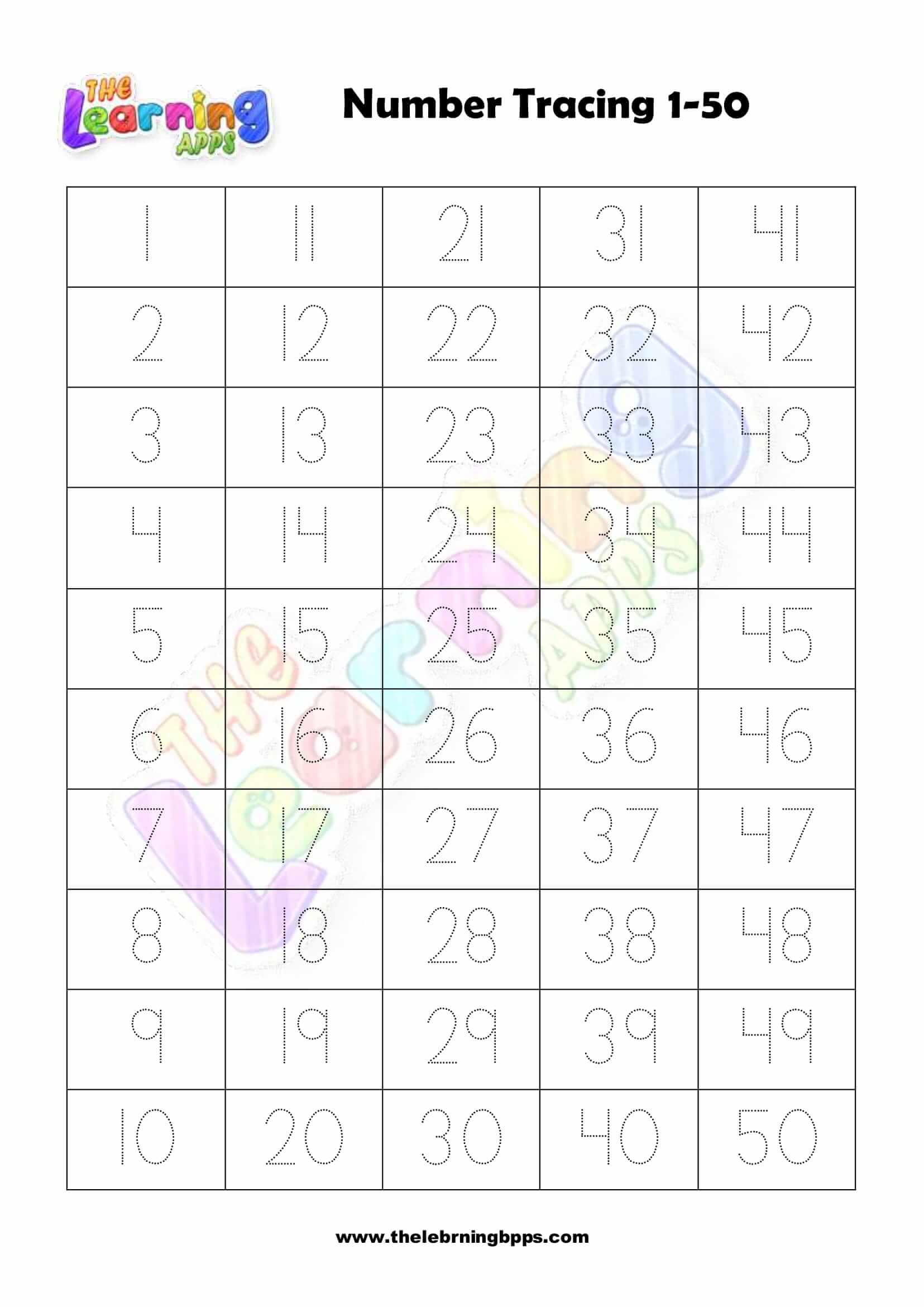
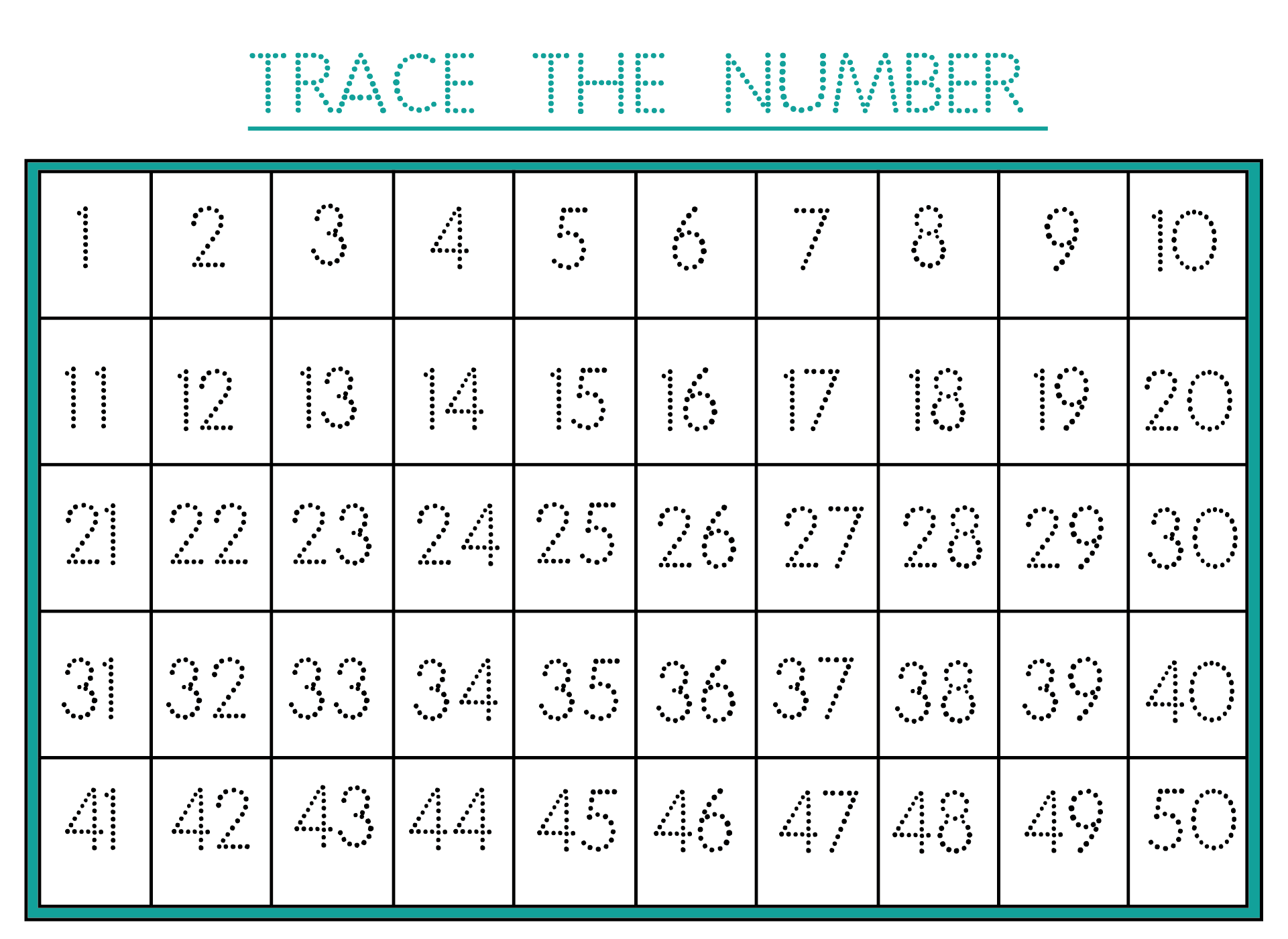
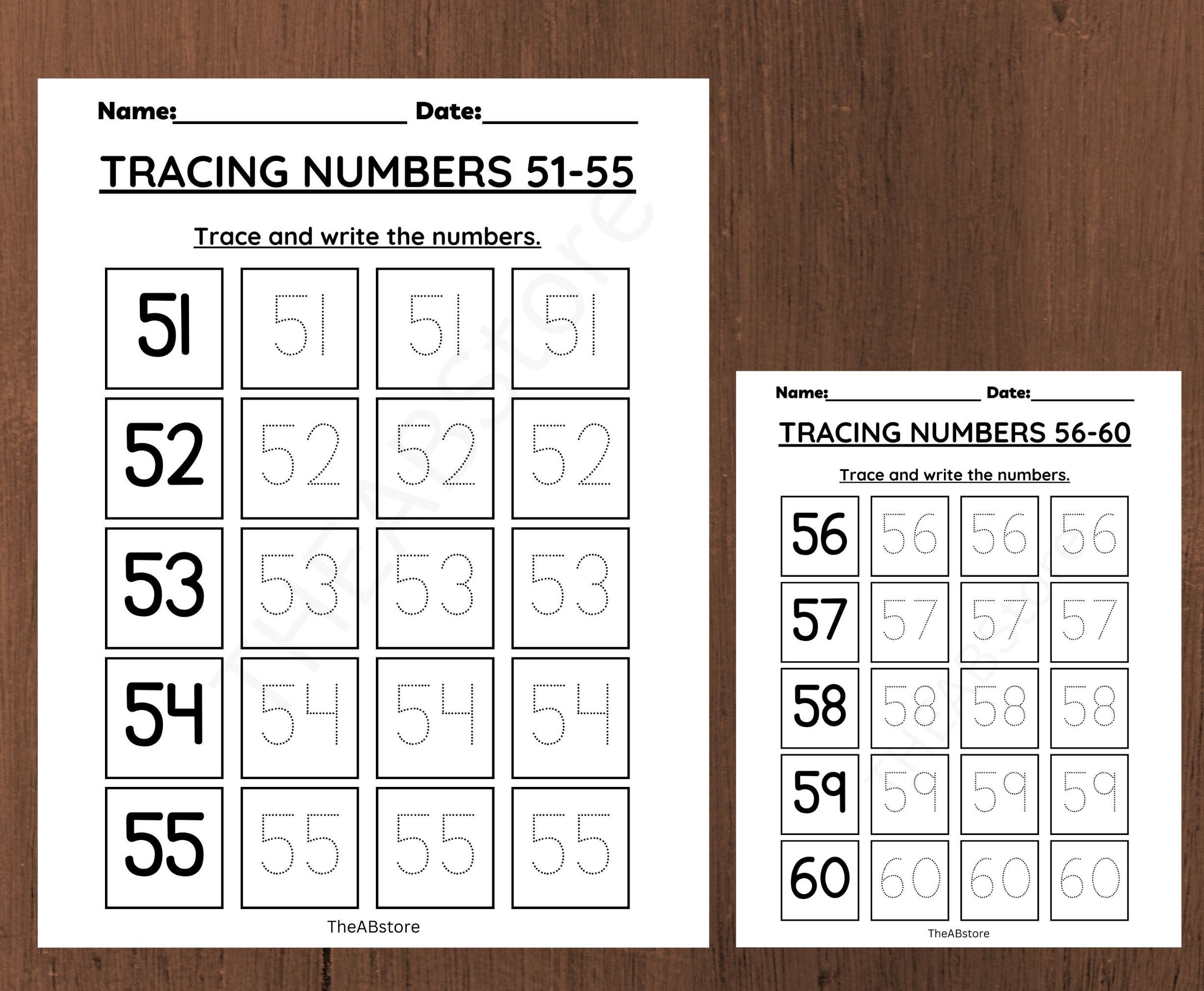
Many children recognize numerals long before their developing hands possess the intrinsic muscle strength required to form them on paper. According to the American Occupational Therapy Association, foundational fine motor control and postural stability must mature before a child can master complex pencil strokes. Bridging this gap requires structured visual guides that teach correct directional pathways rather than mindless repetition. The tracing numbers with formation until 50 pdf offers a systematic roadmap for young learners to bridge cognitive number recognition with physical hand control. Every stroke, starting dot, and directional arrow works in unison to build lasting muscle memory from zero to fifty.
💡 Educational Key Takeaways:
- Core Skill: Structured Tracing Numbers With Formation Until 50 Pdf focused on developing pencil grip, stroke control, and early literacy/math confidence.
- Target Scope: Suited for homeschoolers, preschool, kindergarten, and elementary learners.
- Best Recommendation: Practice 10–15 minutes daily with ergonomic writing tools to reinforce muscle memory without hand fatigue.
What This Worksheet Covers
Progression is everything when building early mathematical and writing foundations. This comprehensive printable series breaks down double-digit numerals into manageable, sequential steps. Children begin with individual digits and steadily advance through the teens, twenties, and beyond, mastering the spatial awareness required to keep numbers properly aligned on a page. The layout emphasizes starting points and directional arrows, ensuring that learners do not develop inefficient habits such as drawing numerals from the bottom upward. Furthermore, explicit spacing guides help children transition from tracing large, heavily scaffolded figures to independently sizing their handwriting within standard primary lines. It sounds simple, and that is the point: removing guesswork allows the developing brain to focus entirely on motor execution. For more related activities, check out our 1 20 Writing Numbers Printable.
Key Learning Outcomes
Consistent practice with these numerical templates fosters precise pencil control, proper stroke sequencing, and comprehensive visual-motor integration. Learners build essential finger dexterity and hand-eye coordination as they navigate curves, loops, and straight vertical lines. Additionally, repeated exposure to structured numerals reinforces proper number recognition and numerical order up to fifty. Over time, children develop the sustained attention and spatial planning needed for academic success across multiple subjects, transforming frustration into genuine writing confidence.
How to Use This Worksheet
Success with early writing tools depends heavily on scaffolding the learning environment before a pencil ever touches the paper. Adults should introduce the pages during quiet, focused intervals when children are alert and physically regulated. Begin by reviewing the target numbers aloud, encouraging the child to trace the first few examples with a finger to internalize the directional flow. Transitioning to a writing utensil requires patience and careful observation of hand fatigue. Here is what makes this worksheet different: it treats number formation as a physical discipline rather than a purely visual exercise, allowing children to build stamina gradually without hand cramping.
Practical Tips for Parents and Teachers
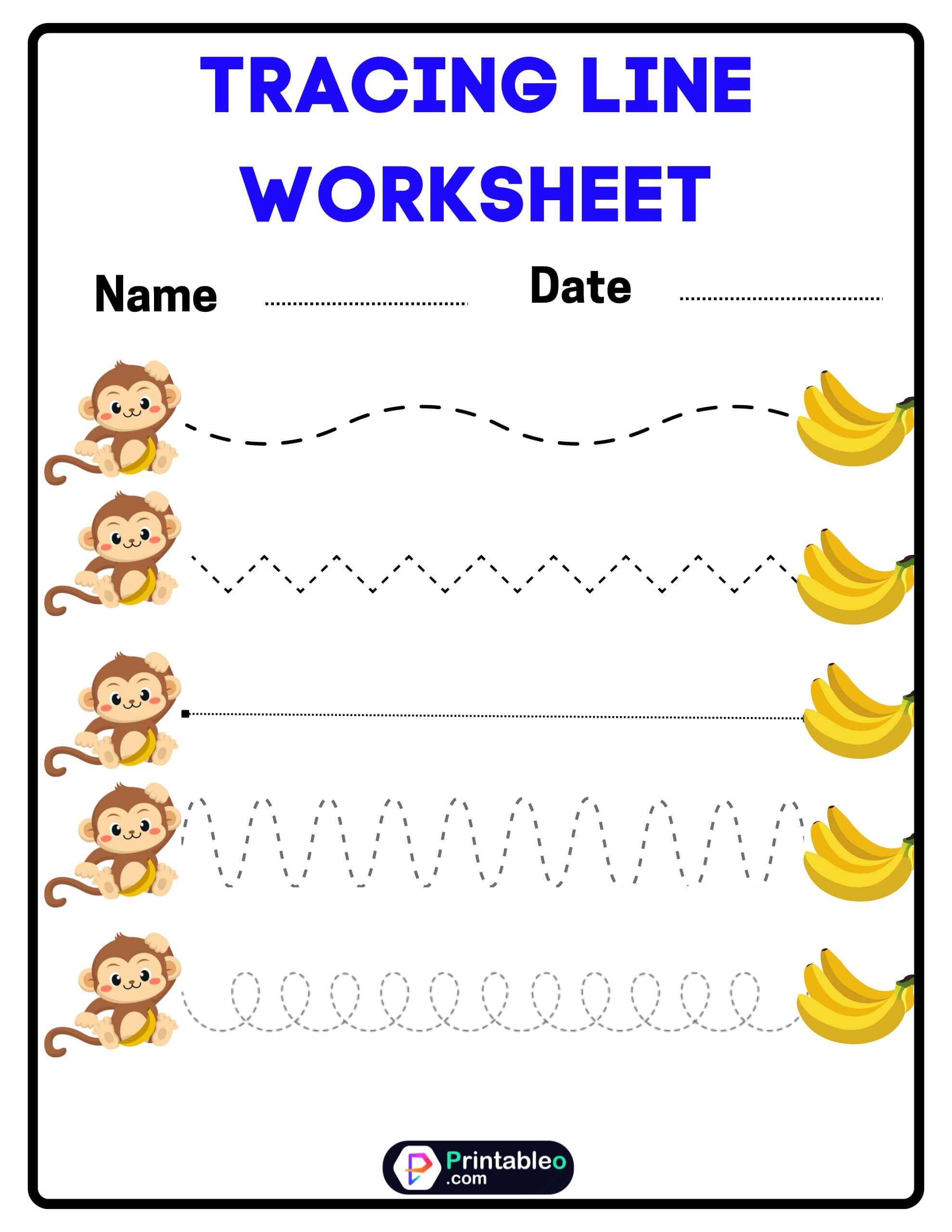
Observe how the child grasps the pencil, ensuring an efficient tripod or quadrupod grasp that allows finger movement rather than rigid wrist locking. Model the correct stroke sequence aloud on a whiteboard before the child attempts the corresponding row on the printed page. Scaffolding the activity by covering half the page with a blank sheet of paper can prevent visual overwhelm for younger learners who struggle with crowded layouts. To extend the learning, ask children to build the target numbers using playdough or small loose parts before tracing them with a marker, reinforcing tactile mapping alongside visual tracking.
Age-Appropriate Recommendations
According to the National Association for the Education of Young Children guidelines on developmentally appropriate practice, children aged two to four benefit most from large-scale pre-writing strokes and tactile numeral exploration rather than long seated desk drills. For this younger cohort, printing the pages at a larger scale or slipping them into heavy-duty plastic sleeves for dry-erase marker practice removes the permanence anxiety associated with mistakes. Conversely, children aged five to eight are fully equipped to tackle the complete sequence up to fifty using standard pencils, aligning closely with kindergarten and first-grade foundational math expectations where precise numeral formation supports addition and subtraction formatting.
Foundational fine motor control and postural stability must mature before a child can master complex pencil strokes. — American Occupational Therapy Association
Frequently Asked Questions
Clear guidance helps adults maximize the benefits of structured handwriting practice at home or inside the classroom environment.
Explore More Free Printable Tracing Worksheets
Expanding a child’s pencil control toolkit involves varying the stimuli and exploring different concept categories. Beyond numerical mastery, young learners thrive when given opportunities to explore letter pathways through resources found in the Dotted Letters For Tracing collection. Strengthening the foundational hand muscles essential for all writing tasks can be supported with templates from Fine Motor and Pre-Writing Skills. Educators and caregivers seeking comprehensive numerical practice will also find wonderful supplementary sheets via Tracing Number. To discover an extensive library of educational printables for every developmental stage, visit the main hub at KidTraces.com today.
Developmental Milestone & Activity Table
| Development Stage | Recommended Daily Duration | Primary Learning Objective |
|---|---|---|
| Preschool & Pre-K | 10 – 15 Minutes | Pencil grip development & basic pre-stroke lines |
| Kindergarten | 15 – 20 Minutes | Letter/number formation & spatial line awareness |
| Early Elementary (Grade 1–2) | 20 – 30 Minutes | Fluency, sentence construction & neatness |
Images References