Introduction
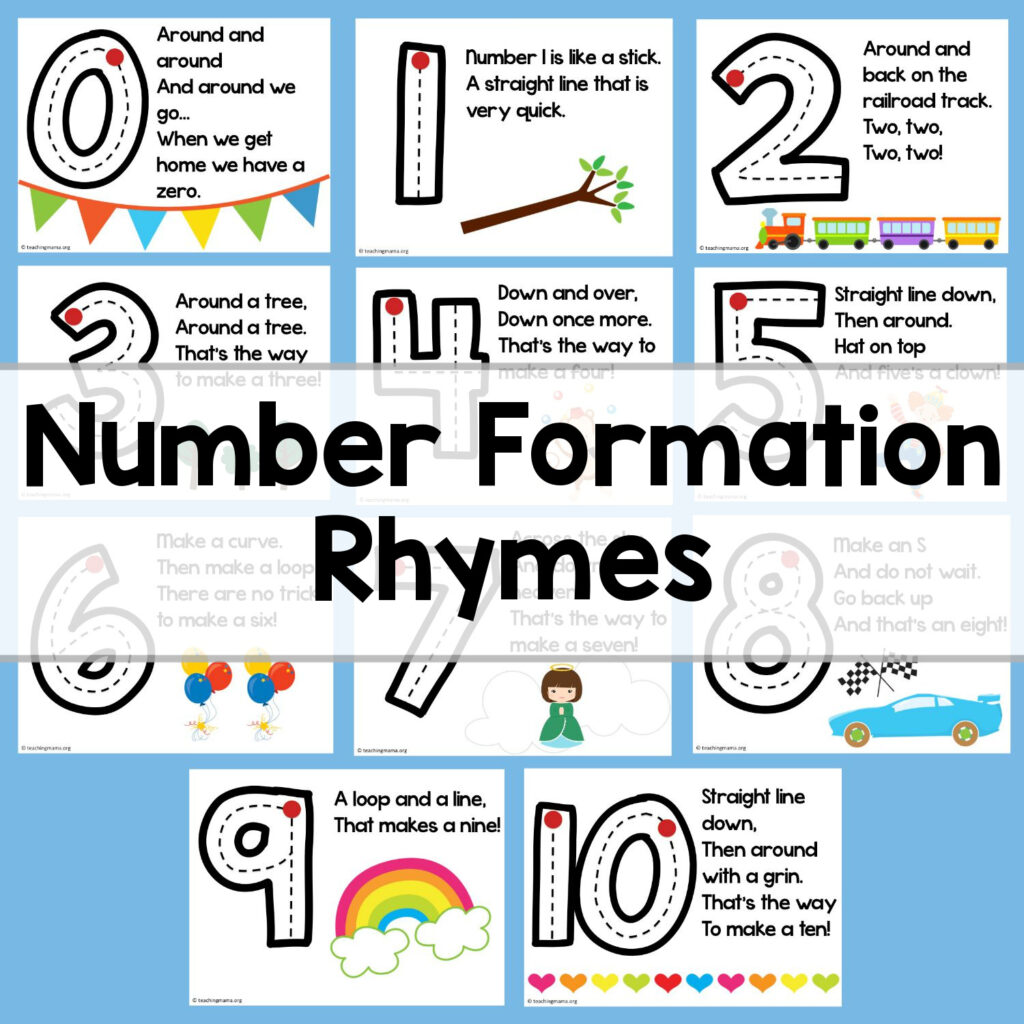
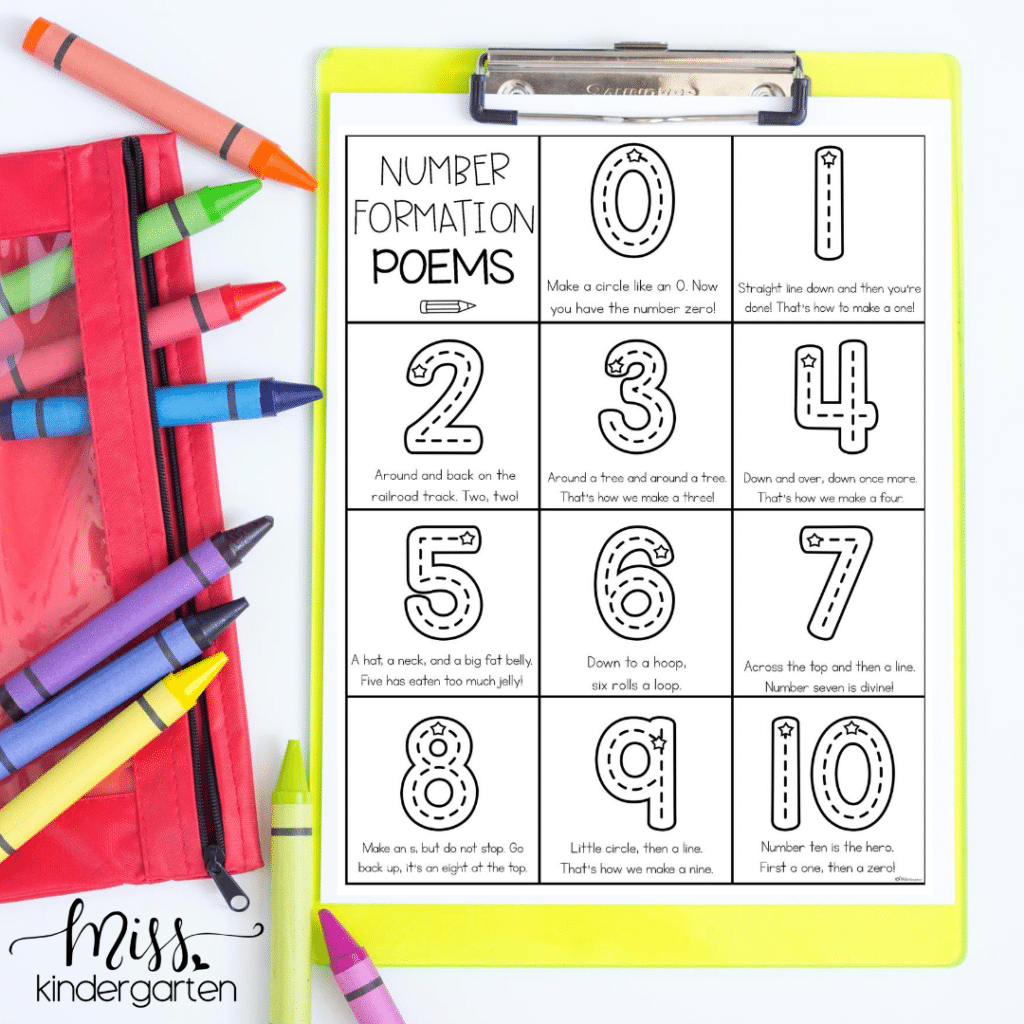
Young children frequently recognize numbers and letters long before their fine motor control and hand strength allow them to successfully form those symbols on paper. According to the National Association for the Education of Young Children (NAEYC), meaningful early literacy experiences require connecting physical movement with cognitive understanding rather than relying solely on rote memorization. Many adults notice a frustrating gap between what children can say aloud and what they can physically execute with a pencil. Bridging that disconnect takes more than blank lines; it demands multi-sensory cues that anchor directional strokes in memory. The free printable number formation rhyme ms ellis provides precisely this kind of auditory and visual bridge, turning abstract strokes into memorable stories. It sounds simple, and that is the exact point. Here’s what makes this worksheet different: it pairs verbal rhythm directly with correct directional paths, transforming mechanical tracing into an engaging, rhythmic literacy routine for early learners.
💡 Technical Key Takeaways:
- Core Focus: Diagnostic schematic and terminal connection layout for Free Printable Number Formation Rhyme Ms Ellis.
- Target Scope: Field technicians, automotive DIYers, and residential/commercial electricians.
- Safety Rule: Always disconnect the primary power source/battery terminal and verify zero voltage with a multimeter before touching wires.
What This Worksheet Covers
Mastering numerals requires understanding exact stroke sequence, spatial orientation, and continuous pencil control from top to bottom. This resource systematically addresses these developmental milestones by isolating each digit alongside a catchy, mnemonic phrase that dictates hand movement. Children frequently reverse numbers like three, five, and seven during early developmental windows because visual recognition precedes motor planning. To combat directional confusion, this tool utilizes clear starting dots and directional arrows that align seamlessly with the embedded rhymes. Such structured visual cues reduce cognitive overload, allowing the brain to focus entirely on fluid line execution and correct pencil grip maintenance. Exploring these rhythmic number paths lays essential groundwork for broader mathematical foundations and spatial awareness.
Key Learning Outcomes
Engaging consistently with this printable yields measurable progress across several interconnected developmental domains. First, learners internalize correct stroke order, ensuring that numerals always begin at the top rather than developing inefficient bottom-up habits. Second, the integration of rhythmic language builds strong phonological awareness and auditory-motor coordination, a process strongly endorsed by organizations like the International Dyslexia Association. Third, continuous tracing lines enhance bilateral coordination, forcing the dominant hand to guide the pencil while the assisting hand stabilizes the paper. Finally, repeated exposure fosters pencil pressure regulation, helping children transition smoothly from heavy, fatiguing grips to lighter, more fluid writing motions across various Tracing Number activities.
How to Use This Worksheet
Successful implementation relies heavily on treating the activity as an active, multisensory experience rather than a quiet desk chore. Begin by having the child trace the large master numeral with a finger while reciting the rhyme aloud together, engaging kinesthetic memory before a pencil ever touches the page. Once the physical trajectory feels familiar, introduce a short-barreled crayon or a golf pencil to naturally encourage a functional tripod grasp without hand fatigue. It sounds simple, but verbalizing the rhyme in unison while the child writes provides an external auditory pacing mechanism that regulates impulsive hand movements. Allow plenty of room for experimentation, and remember that sloppy lines early on simply signal a developing nervous system gathering valuable sensory feedback.
Practical Tips for Parents and Teachers
Scaffolding these tracing exercises properly prevents frustration and builds lasting writing confidence over time. Start by modeling the stroke sequence dramatically in the air or on a vertical surface like an easel, which naturally promotes optimal wrist extension and shoulder stability. If a child struggles with hand endurance, slide the worksheet inside a heavy-duty plastic dry-erase sleeve and let them practice with colorful markers before tackling standard paper. For additional fine motor refinement, pair this practice with parallel resources found within the Fine Motor and Pre-Writing Skills collection to strengthen intrinsic hand muscles. Always celebrate small victories, such as starting a numeral at the correct anchor point, rather than demanding immediate perfection on every single line.
Age-Appropriate Recommendations
According to CDC developmental milestones, children typically begin showing an interest in imitating vertical and horizontal lines around age two, gradually advancing to more complex intersecting strokes and numerals by ages four to six. For younger preschoolers within the two-to-four age bracket, focus primarily on large-scale finger tracing, sensory tray writing, and foundational pre-writing strokes found in Shape and Line Tracing practice. As children enter kindergarten and early primary grades, align expectations with structured educational frameworks such as Handwriting Without Tears, emphasizing proper posture, consistent baseline placement, and automatic stroke sequencing. By tailoring the complexity of the writing instrument and the physical workspace to the child’s exact developmental stage, adults ensure that foundational handwriting remains an empowering, frustration-free milestone.
Early literacy and motor planning improve significantly when auditory rhymes are paired with consistent kinesthetic stroke formation — National Association for the Education of Young Children (NAEYC)
Frequently Asked Questions
Clear answers to common questions help educators and parents maximize the benefits of structured tracing activities.
Explore More Free Printable Tracing Worksheets
Building a robust foundation in pre-writing and early literacy requires access to a wide variety of engaging, developmentally appropriate practice materials. Whether the focus involves mastering curved strokes, practicing letter sequencing, or exploring seasonal motifs, having reliable resources readily available makes all the difference. Discover a comprehensive selection of supportive tools to encourage lifelong writing confidence by visiting the full library at KidTraces.com for all educational needs.
Quick Wiring Specifications & Terminal Guide
| Component / Circuit | Standard Wire Gauge | Recommended Protection |
|---|---|---|
| Control & Trigger Signals | 18 – 20 AWG | 5A – 7.5A Inline Fuse |
| Standard Auxiliary Load | 14 – 16 AWG | 15A – 20A Circuit Breaker |
| Main Power Feed / Supply | 10 – 12 AWG | 30A – 40A Heavy-Duty Relay |
Images References