Introduction
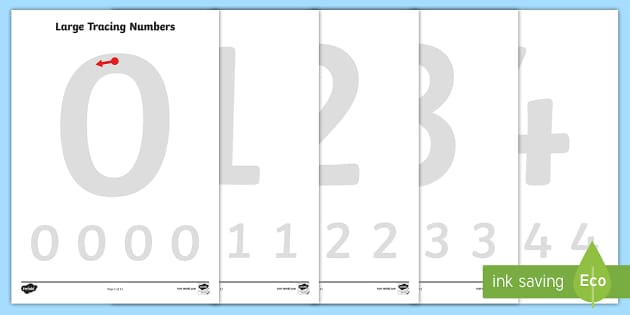
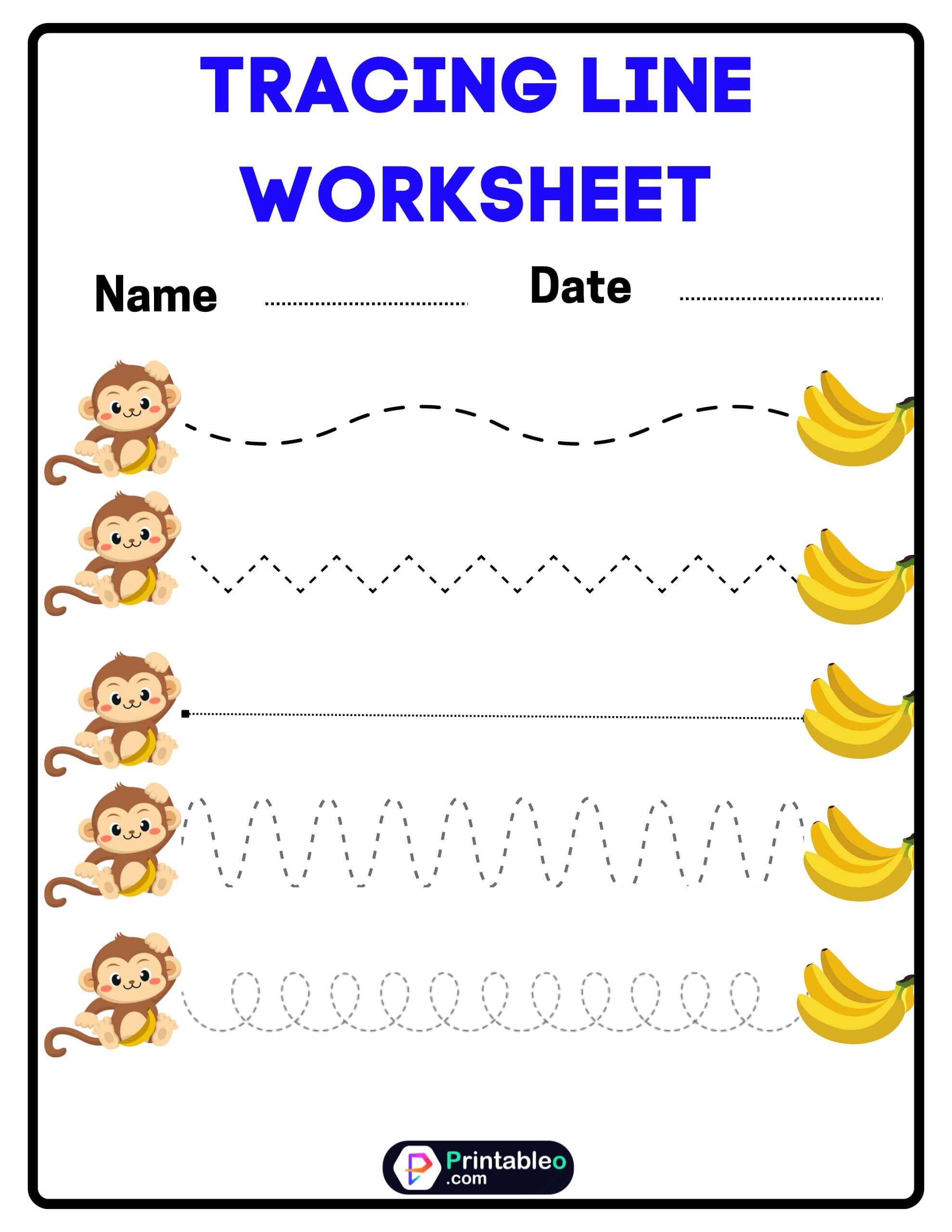
Many children recognize numerals long before their tiny hands possess the muscle strength required to form them on paper. According to the American Occupational Therapy Association, foundational fine motor control and bilateral coordination are essential precursors to functional handwriting and numeral formation. Adults often notice a deep eagerness in young learners to write numbers before the physical capability catches up. This developmental gap creates frustration during early math and writing lessons. Large number tracing worksheets bridge that exact gap by providing oversized canvases where developing hands can practice proper stroke order without the restriction of tiny writing boxes. It sounds simple, and that is the exact point. Scale matters tremendously when teaching foundational writing patterns to children. When digits are printed large, learners use larger muscle groups in the shoulders and elbows before refining those movements down to the wrists and fingers. This macro-to-micro progression builds the neuromuscular pathways required for lifelong writing fluency, supporting early mathematical concepts alongside physical dexterity.
💡 Educational Key Takeaways:
- Core Skill: Structured Large Number Tracing Worksheets focused on developing pencil grip, stroke control, and early literacy/math confidence.
- Target Scope: Suited for homeschoolers, preschool, kindergarten, and elementary learners.
- Best Recommendation: Practice 10–15 minutes daily with ergonomic writing tools to reinforce muscle memory without hand fatigue.
What This Worksheet Covers
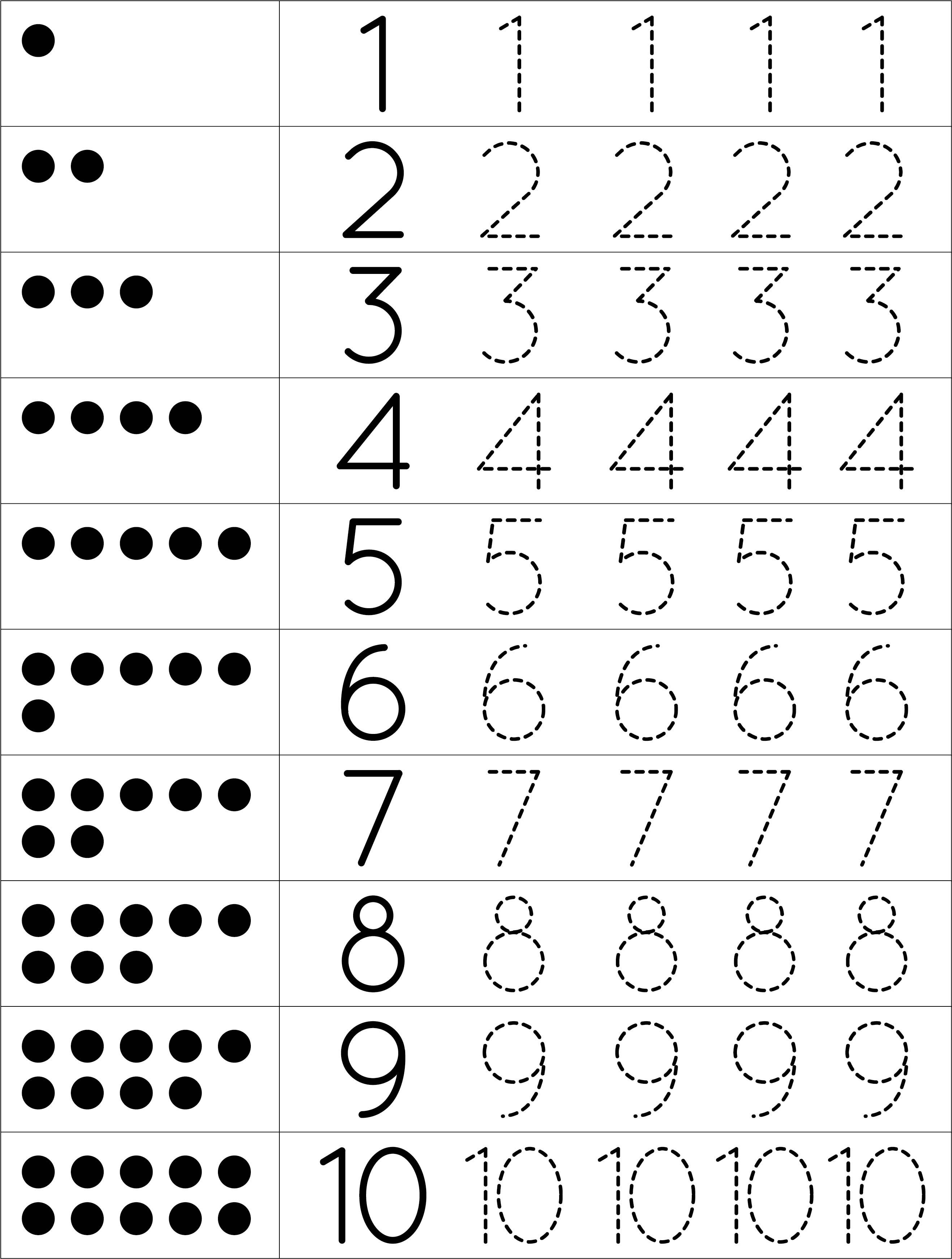
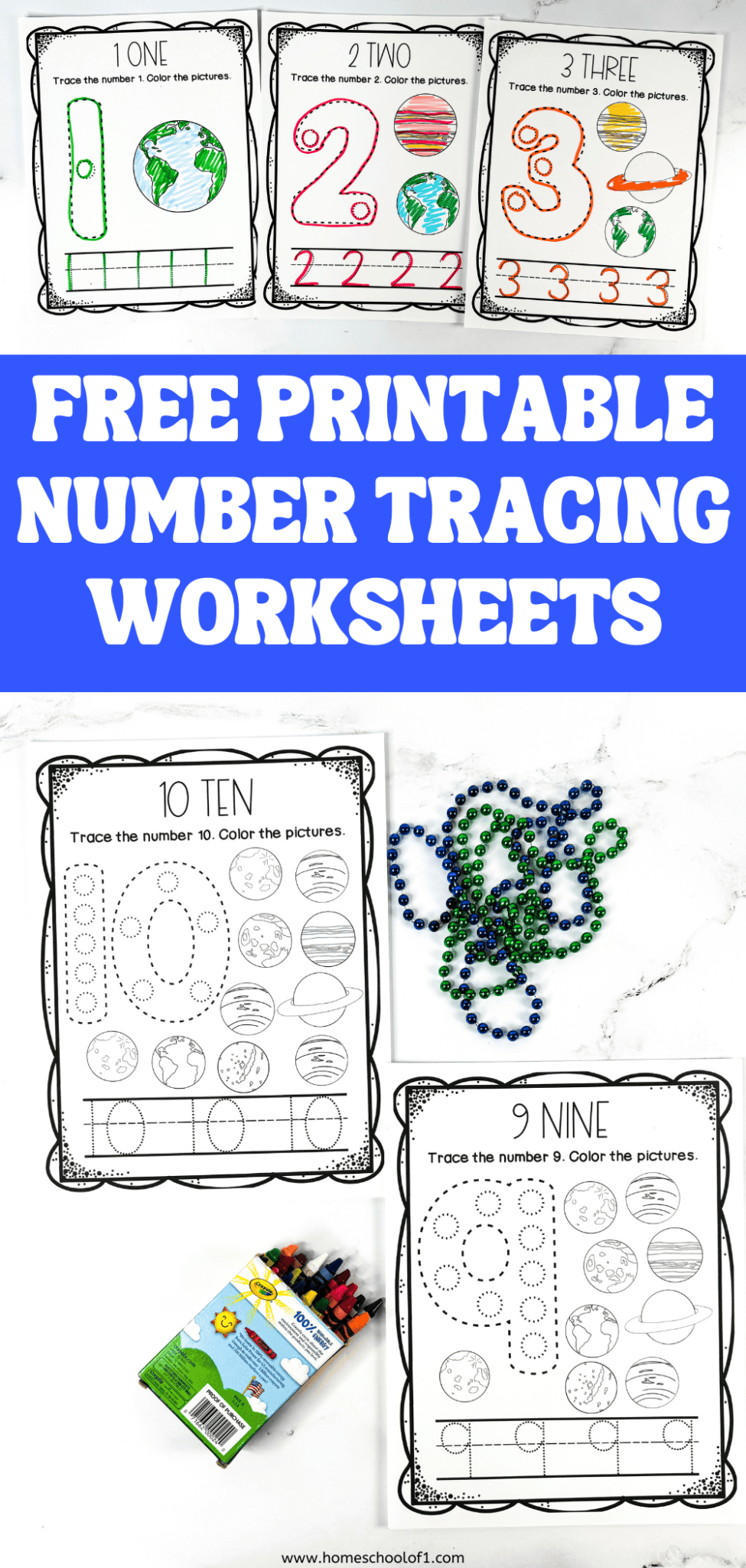
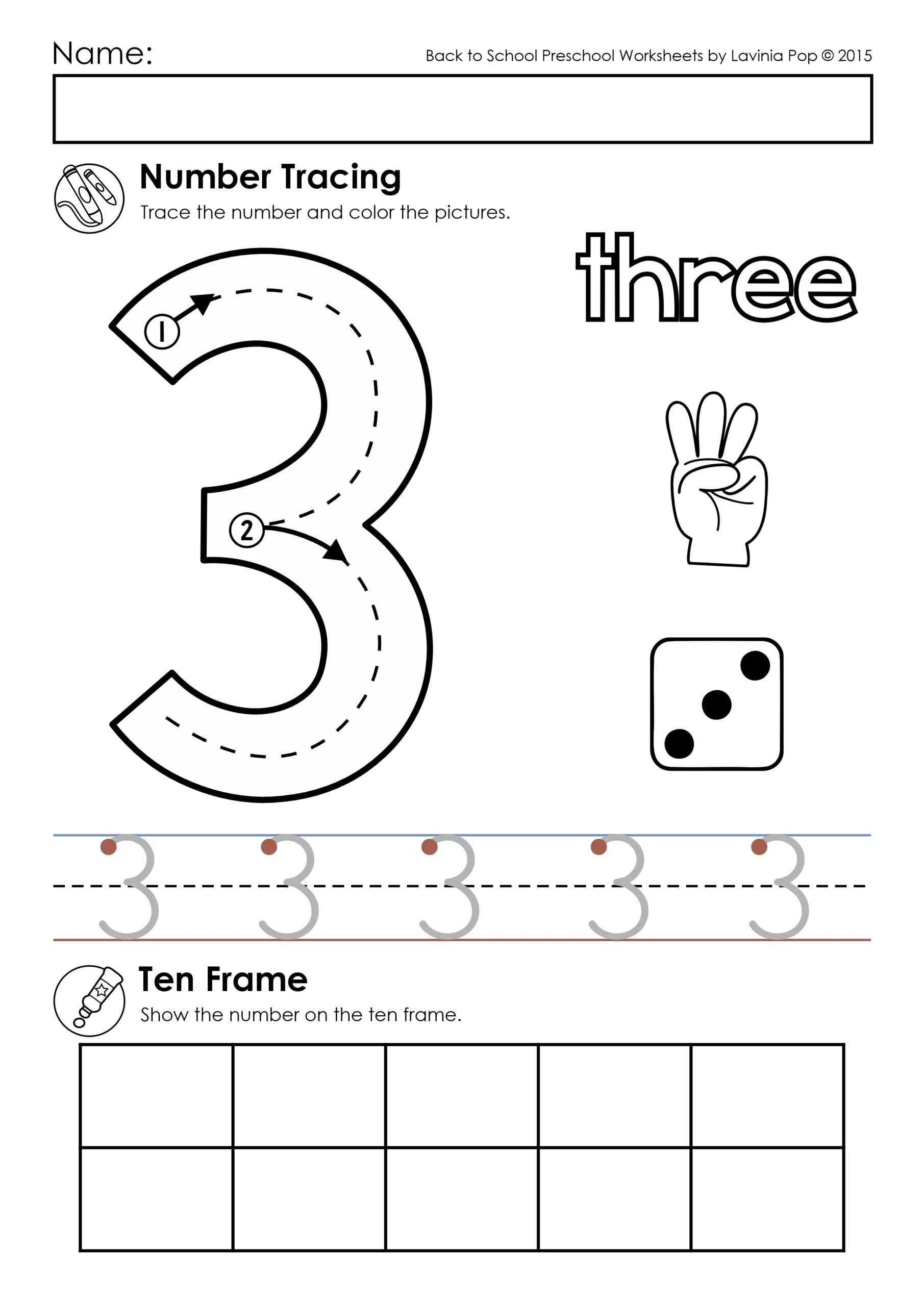
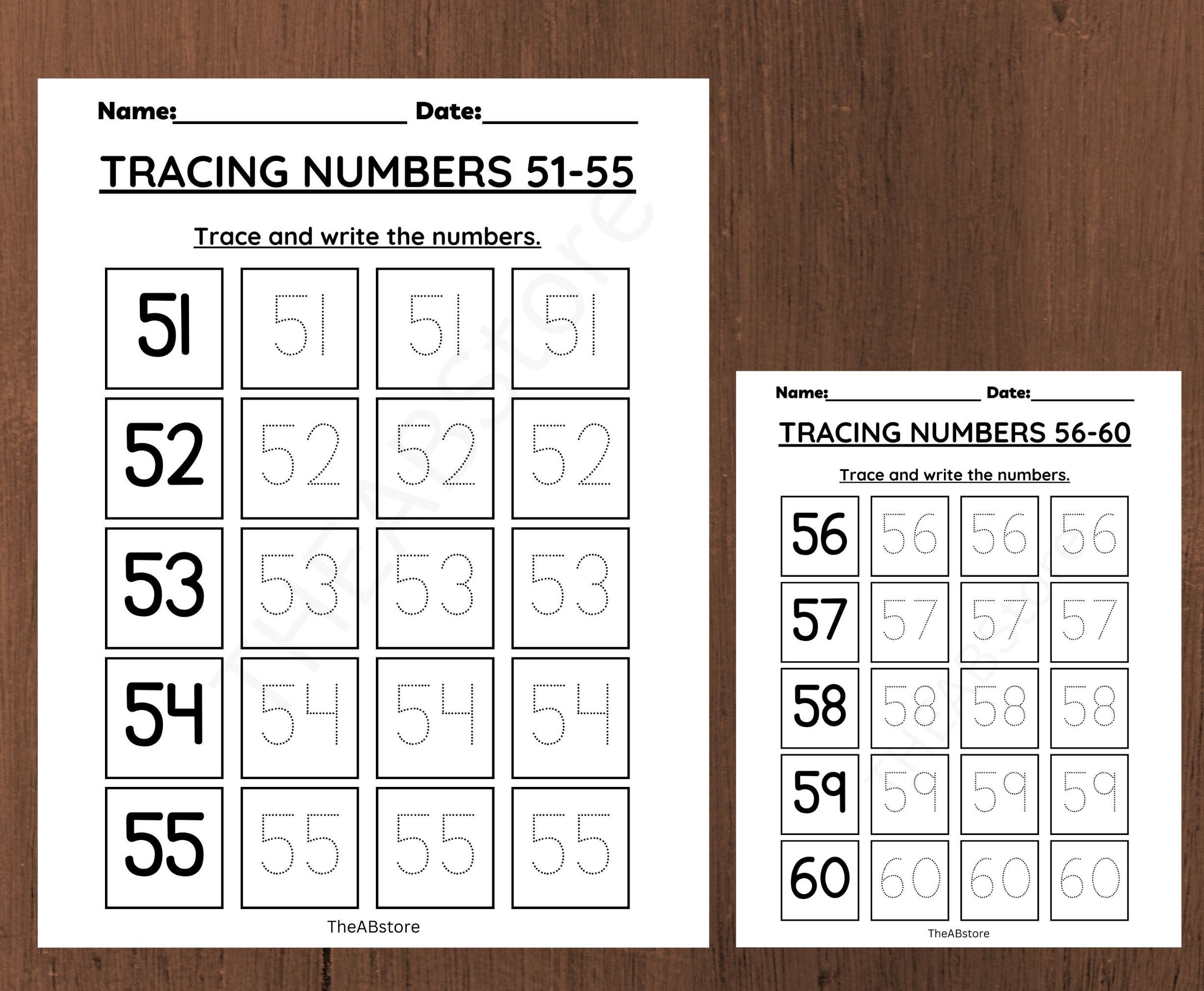
These specialized pages focus intensely on numeral formation, correct stroke sequencing, and directional awareness for numbers zero through nine. Each digit is rendered in an oversized format equipped with distinct starting dots and directional arrows. These visual cues teach children precisely where to place the writing utensil and which way to travel. Many kids attempt to draw numbers from the bottom up or use erratic, disjointed strokes that make math tasks much harder later on. Mastering correct stroke order early prevents bad habits that stall writing speed in elementary school. The generous spacing allows learners to focus entirely on controlling the pencil line rather than stressing over sizing and spatial alignment on a crowded page. Exploring more numbers naturally connects to broader numerical literacy, which pairs wonderfully with resources found within the Tracing Number section.
Key Learning Outcomes
Working consistently with these oversized templates yields measurable developmental milestones across several domains. First, learners internalize precise numeral formation pathways, transforming abstract mathematical symbols into predictable physical motions. Second, directional tracking improves significantly as eyes and hands learn to move fluidly from top to bottom and left to right. Third, pencil control deepens because navigating curves and sharp angles on a large scale demands sustained visual-motor integration. Finally, children build crucial hand endurance, preparing them to transition smoothly into standard lined paper without experiencing physical fatigue or hand cramping.
How to Use This Worksheet
Success with these pages depends heavily on setting up an inviting, low-pressure workspace that encourages exploration. Start by sliding the printed pages into heavy-duty clear plastic sleeves or laminating them for multi-use durability with dry-erase markers. This strategy transforms a single-use paper into an open-ended playground where mistakes wipe away instantly, keeping frustration levels low. Educators frequently observe that removing the permanence of ink unlocks willingness in hesitant learners. Pair these physical tools with multisensory exploration, such as having children trace the giant numbers in trays filled with salt, sand, or shaving cream before touching a marker to paper. This tactile reinforcement etches the stroke patterns deep into the motor cortex.
Practical Tips for Parents and Teachers
Adults play a pivotal role in shaping healthy writing habits during these formative years. Begin by modeling an efficient tripod pencil grasp, gently correcting awkward fist grasps before they become deeply ingrained muscle memory. Scaffolding the activity means sitting beside the child, guiding their hand physically through the first few tricky curves of numbers like three or eight, and gradually fading that physical support as confidence builds. Avoid overwhelming the workspace; introduce just one or two numbers per session rather than demanding an entire page at once. Celebrating small victories, such as a smooth continuous loop on the number zero, fuels intrinsic motivation far better than rigid corrections.
Age-Appropriate Recommendations
Developmental expectations must remain flexible and grounded in proven educational frameworks. According to the National Association for the Education of Young Children Developmentally Appropriate Practice guidelines, children aged two to four benefit most from sensory-rich, large-scale pre-writing experiences that focus on gross motor control and natural curiosity. At this stage, expecting precise pencil work is developmentally premature, so oversized tools and finger-tracing take center stage. For children aged five to eight, the focus shifts toward refined pencil control, proper alignment, and consistent stroke habits. During these kindergarten and early elementary years, structured printables like Alphabet And Numbers Tracing resources help solidify independent handwriting skills necessary for academic success.
Foundational fine motor control and bilateral coordination are essential precursors to functional handwriting and numeral formation. — American Occupational Therapy Association
Frequently Asked Questions
Navigating early writing tools raises common questions among adults guiding young learners. The answers below address the most frequent inquiries regarding printing, motor skill development, and developmental standards.
Explore More Free Printable Tracing Worksheets
Supporting a young learner requires a diverse toolbox of engaging, high-quality practice materials that grow alongside them. Expanding beyond basic numbers opens up entirely new avenues for physical coordination, letter recognition, and creative expression. Adults looking for comprehensive collections will find wonderful companion activities suited for every developmental stage by exploring the full library at KidTraces.com. Whether preparing a preschool classroom or organizing a homeschool curriculum, integrating focused tools like Fine Motor and Pre-Writing Skills resources ensures every child builds a strong, confident foundation for future academic milestones.
Developmental Milestone & Activity Table
| Development Stage | Recommended Daily Duration | Primary Learning Objective |
|---|---|---|
| Preschool & Pre-K | 10 – 15 Minutes | Pencil grip development & basic pre-stroke lines |
| Kindergarten | 15 – 20 Minutes | Letter/number formation & spatial line awareness |
| Early Elementary (Grade 1–2) | 20 – 30 Minutes | Fluency, sentence construction & neatness |
Images References