Introduction
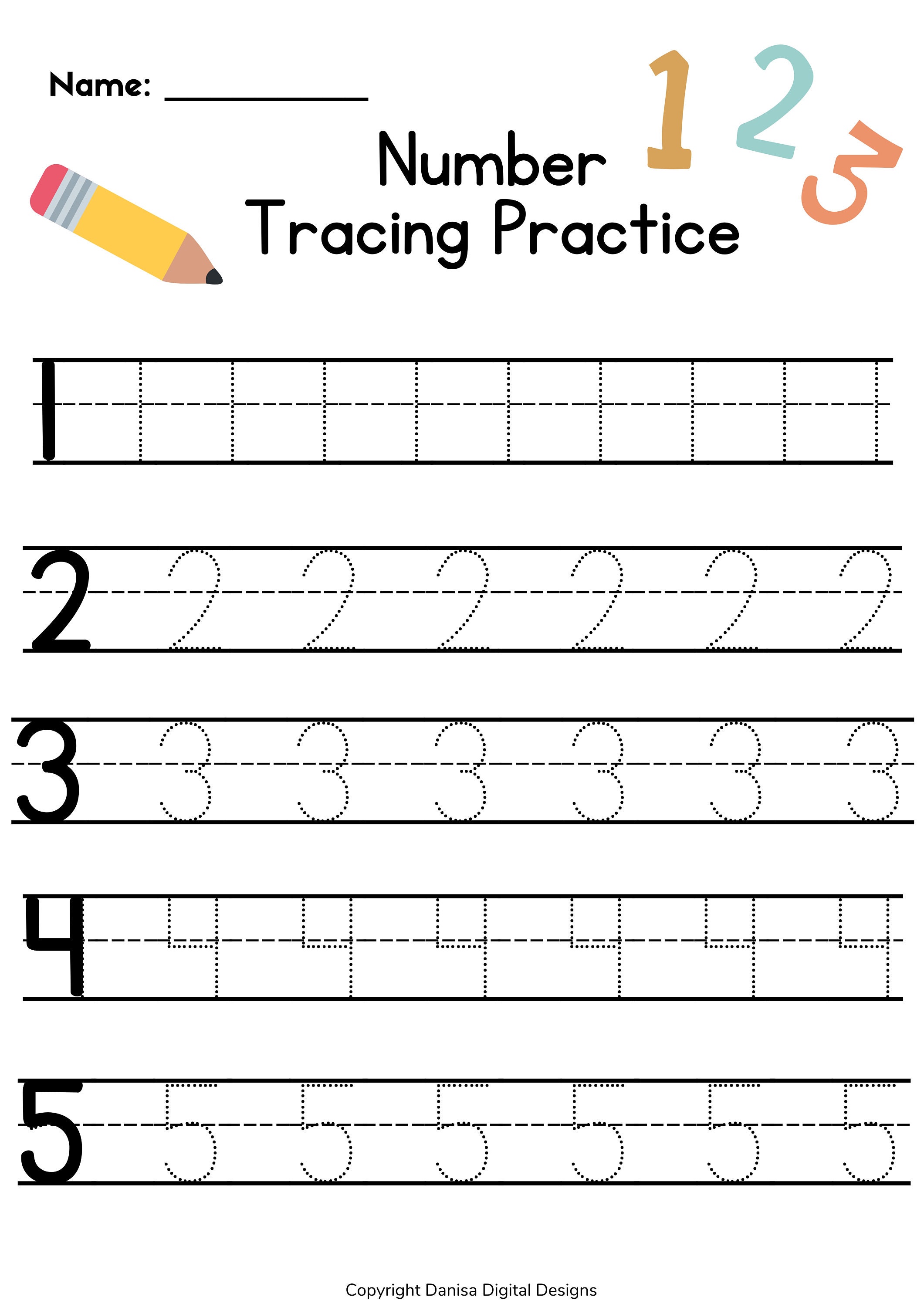
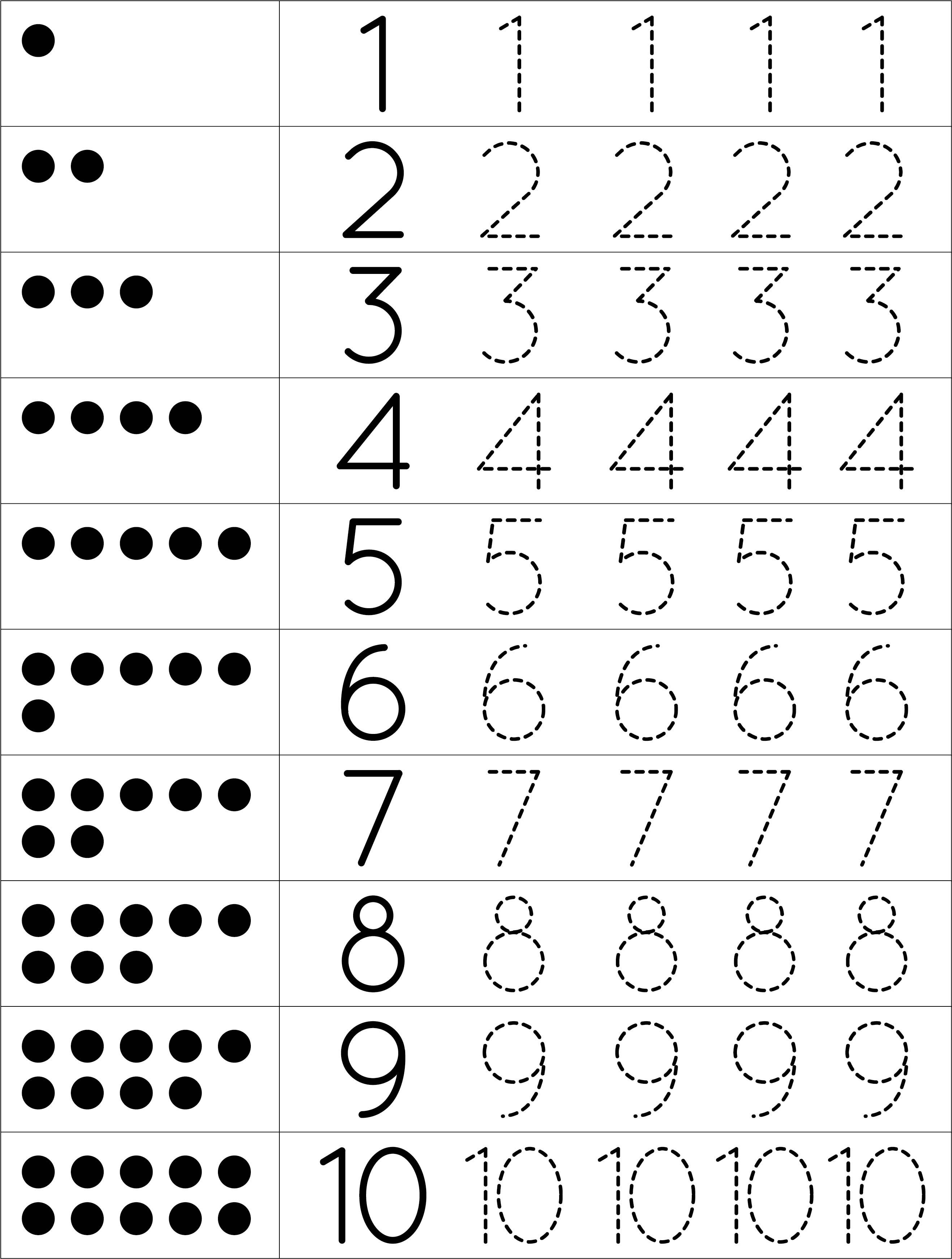
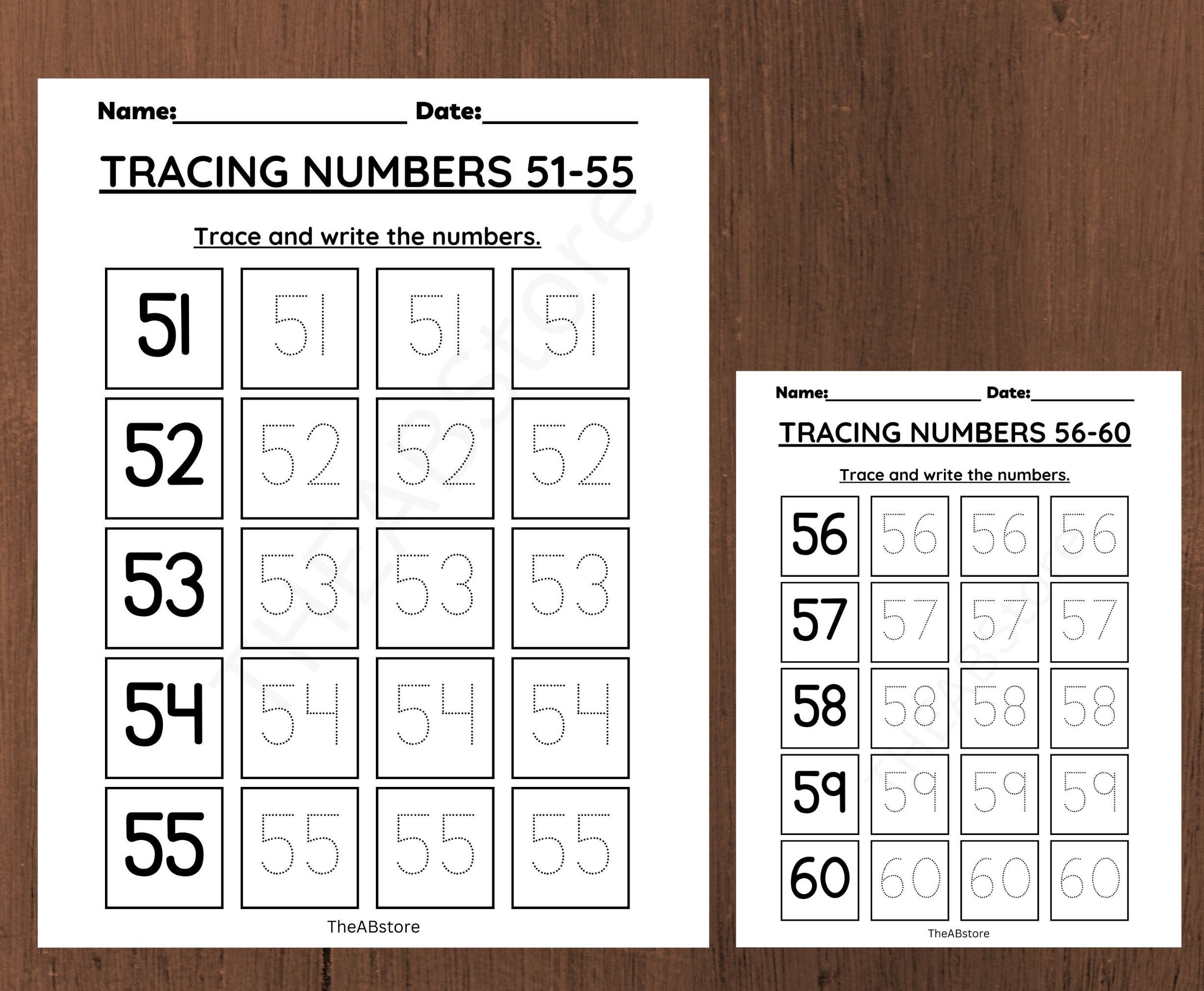
Many children recognize numerals long before their developing hands possess the intrinsic muscle strength required to form them on paper. According to the National Association for the Education of Young Children, young children learn best through active, hands-on exploration that integrates physical movement with cognitive tasks. Bridging this gap between visual recognition and physical execution takes patience, structure, and targeted practice materials. The number tracing 1 – 100: tracing number 1 – 100 for kindergarten and preschool, ages 3-5, includes number tracing sheets, extra extended math activity pages, number practice workbook by k bridges this exact developmental gap. Guided tracing activities offer a systematic pathway to numeral mastery, turning abstract mathematical symbols into familiar, repeatable physical motions.
💡 Educational Key Takeaways:
- Core Skill: Structured Number Tracing 1 – 100: Tracing Number 1 – 100 For Kindergarten And Preschool, Ages 3-5, Includes Number Tracing Sheets, Extra Extended Math Activity Pages, Number Practice Workbook By K focused on developing pencil grip, stroke control, and early literacy/math confidence.
- Target Scope: Suited for homeschoolers, preschool, kindergarten, and elementary learners.
- Best Recommendation: Practice 10–15 minutes daily with ergonomic writing tools to reinforce muscle memory without hand fatigue.
What This Worksheet Covers
Mastering numerals up to one hundred requires a structured approach that moves far beyond simple rote memorization. This comprehensive resource focuses heavily on precise numeral formation, consistent stroke order, and correct spatial orientation on the page. Early learners often struggle with reversals, such as writing a three or a five backward, which makes directional guidance essential. By breaking down complex writing tasks into manageable segments, the workbook introduces foundational concepts gradually. It guides children from basic single-digit strokes all the way to complex multi-digit numbers, ensuring they develop confidence alongside physical coordination. Additional support for foundational counting patterns and foundational writing habits can be discovered through exploring Tracing Number resources, which emphasize proper pencil control and stroke sequence.
Key Learning Outcomes
Working consistently through these pages builds strong visual-motor integration as hands learn to follow structured dotted paths. Children naturally internalize correct stroke order, starting points, and directional arrows, which reduces frustration during independent writing tasks. As learners progress toward higher numbers, they simultaneously reinforce sequencing skills, numerical order, and mathematical fluency. Furthermore, sustained practice with pencil control enhances finger dexterity, bilateral hand coordination, and overall endurance for academic tasks. For learners who also need practice with foundational shaping lines before tackling numbers, reviewing materials in Shape and Line Tracing provides an ideal pre-writing stepping stone.
How to Use This Worksheet
Introducing a multi-page workbook requires a balanced routine that prioritizes quality execution over rapid completion. Sitting beside the child allows adults to monitor pencil grip, posture, and the critical starting points of each numeral. Keeping sessions short, ideally between five and ten minutes, prevents hand fatigue and maintains high engagement levels. It sounds simple, and that is the point: consistency wins over marathon practice sessions every single time. Adults can easily pair these pages with physical counting objects like counters, blocks, or buttons to connect the written symbol with actual quantity.
Practical Tips for Parents and Teachers
Adults should model the correct stroke order on a whiteboard or oversized paper before the child attempts the worksheet. According to the American Occupational Therapy Association, utilizing vertical surfaces like easels naturally promotes proper wrist extension and optimal pencil grasps. Scaffolding the activity by fading adult physical assistance gradually encourages true independent problem-solving and builds self-efficacy. When fatigue sets in, placing the sheets inside dry-erase pockets allows for playful, low-stakes practice using markers instead of pencils. For educators seeking to expand beyond numbers into early letter work, browsing the selection at Dotted Letters For Tracing supplies seamless cross-curricular continuity.
Age-Appropriate Expectations
Developmental readiness varies wildly across early childhood, making flexible pacing absolutely crucial for long-term success. Within the framework of NAEYC Developmentally Appropriate Practice, three-year-olds typically focus on vertical and horizontal pre-writing strokes, while older kindergarteners refine precise spatial control. Expecting a preschooler to complete an entire grid of numbers in one sitting usually leads to hand cramping and avoidance behaviors. Children aged four and five are generally ready to tackle guided numeral formation with visual cues, provided expectations remain realistic. For a broader look at foundational readiness milestones spanning multiple developmental domains, reviewing options under General Kidtraces offers helpful developmental context.
Young children develop fine motor control through multi-sensory engagement and progressive hand strengthening. — American Occupational Therapy Association
Frequently Asked Questions
Clear guidance on implementing tracing resources ensures a smooth, frustration-free experience for both adults and young learners.
Explore More Free Printable Tracing Worksheets
Supporting early childhood development requires a diverse toolkit of engaging, accessible printables tailored to every developmental stage. Educators, parents, and therapists can browse the full library of developmental resources by visiting KidTraces.com to discover supplementary materials designed to nurture confident writers and learners.
Developmental Milestone & Activity Table
| Development Stage | Recommended Daily Duration | Primary Learning Objective |
|---|---|---|
| Preschool & Pre-K | 10 – 15 Minutes | Pencil grip development & basic pre-stroke lines |
| Kindergarten | 15 – 20 Minutes | Letter/number formation & spatial line awareness |
| Early Elementary (Grade 1–2) | 20 – 30 Minutes | Fluency, sentence construction & neatness |
Images References