Introduction
Many children recognize numerals and letters long before their fine motor skills can actually form those symbols on paper. According to the National Association for the Education of Young Children (NAEYC), developmentally appropriate early writing experiences should focus on purposeful communication and muscle coordination rather than rigid perfection. That gap between cognitive understanding and physical capability creates daily frustration at the writing table. Children often know the number five inside and out, yet struggle to control a pencil enough to draw its curves without veering wildly off course. This is where targeted tracing tools become indispensable for early childhood development. Using structured numbers in dotted lines bridges that exact gap, offering visual boundaries that guide tiny hands through proper stroke sequences without overwhelming developing muscles. It sounds simple, and that is precisely the point. By breaking down complex mathematical symbols into manageable visual paths, learners build both confidence and the essential neuromuscular pathways required for legible, fluent handwriting down the road.
💡 Technical Key Takeaways:
- Core Focus: Diagnostic schematic and terminal connection layout for Numbers In Dotted Lines.
- Target Scope: Field technicians, automotive DIYers, and residential/commercial electricians.
- Safety Rule: Always disconnect the primary power source/battery terminal and verify zero voltage with a multimeter before touching wires.
What This Worksheet Covers
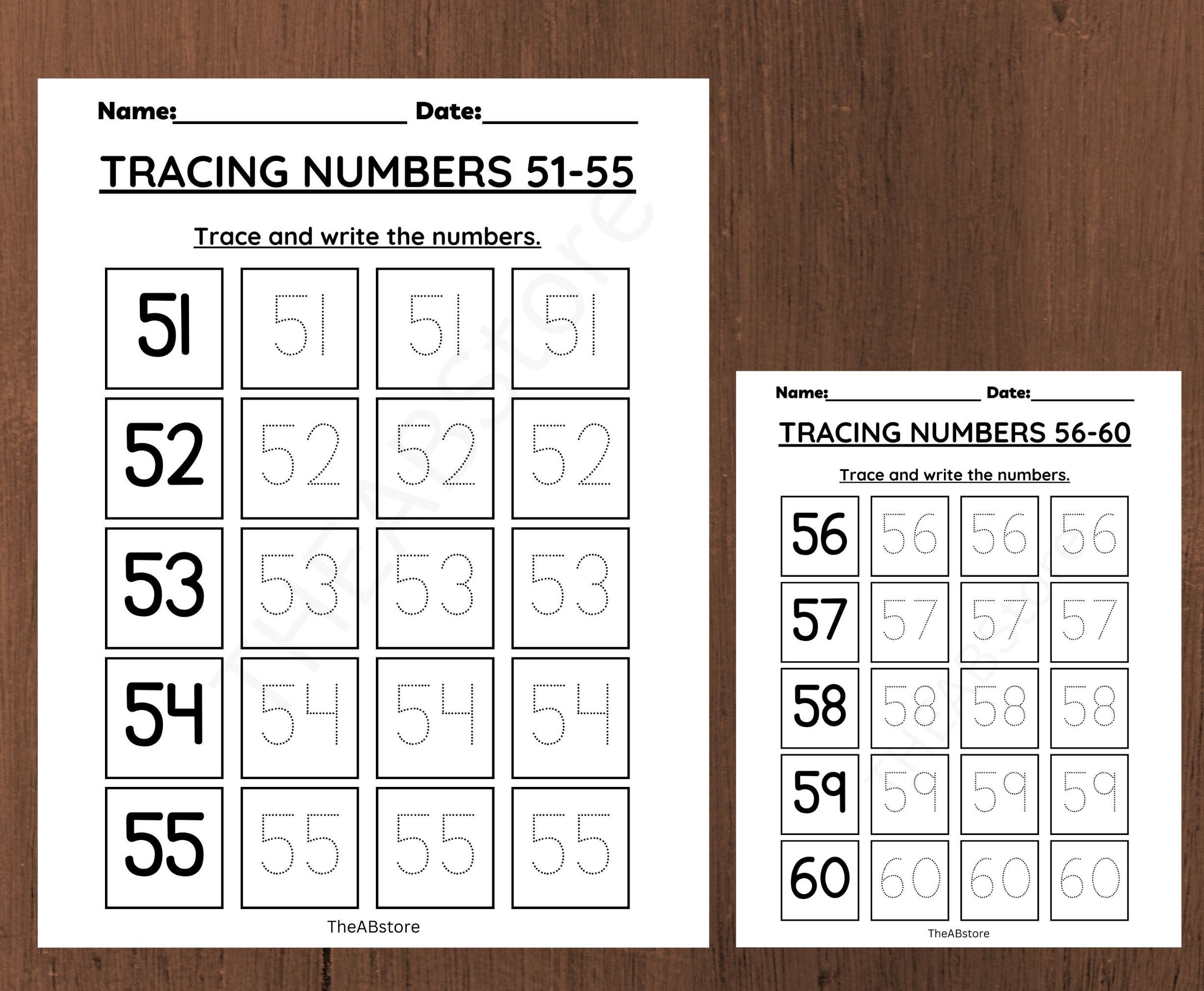
Mastering numeral formation requires a specific progression of visual-motor integration, spatial awareness, and directional consistency. This printable resource focuses entirely on guided numeral formation, featuring large, approachable digits accompanied by clear starting points and directional arrows. Every single number from zero to nine receives dedicated practice space, allowing learners to understand the unique spatial demands of each digit. The layout purposefully avoids visual clutter, ensuring that young minds remain focused on the task of pencil control rather than decoding complicated page layouts. According to the American Occupational Therapy Association (AOTA), foundational graphomotor skills rely heavily on consistent directional habits established during the preschool and early elementary years. When learners repeatedly trace these structured templates, they internalize the correct physical flow for looping a three, closing a zero, or starting a vertical stroke at the top of a one. The dotted lines provide just enough structural scaffolding to support accuracy while encouraging independent hand movement as control naturally improves over time. For more related activities, check out our 1 20 Writing Numbers Printable.
Key Learning Outcomes
Working through these guided tracing pages yields profound benefits across multiple developmental domains. First, learners develop accurate stroke order and directional habits, which prevents the frustrating habit of drawing numbers from the bottom up. Second, the repetitive hand movements strengthen the intrinsic muscles of the hand, fingers, and thumb, paving the way for a mature, efficient tripod grasp. Third, visual-motor integration improves significantly as the eyes learn to guide the hand smoothly along a predetermined trajectory without stopping or jerking. Finally, number recognition merges seamlessly with physical execution, reinforcing early math concepts through tactile, kinesthetic engagement that traditional coloring or counting worksheets simply cannot replicate.
How to Use This Worksheet
Successful implementation in a classroom, therapy clinic, or home environment depends heavily on patience, observation, and intentional pacing. Adults should introduce the page by demonstrating the correct starting dot and verbalizing the motion, such as “start at the top, curve around, and pull straight down.” It helps to let children trace the giant sample numbers with a pointer finger before ever placing graphite or ink to paper. This tactile rehearsal activates muscle memory without the added friction of a writing tool. Once the pencil is introduced, keep practice sessions short—typically five to ten minutes—to prevent hand fatigue and maintain high engagement. Whenever a child appears frustrated, step back and offer support by hand-over-hand guiding or pausing for a quick hand-stretching break.
Practical Tips for Parents and Teachers
Pencil grip matters deeply during these foundational stages, so check frequently to ensure the thumb, index, and middle fingers work in coordination rather than locking into an awkward fist. If hand fatigue sets in quickly, try placing the worksheet on a slight slant using a dedicated sloping board, which naturally aligns the wrist into a functional, extended position. Scaffolding the activity is simple: for younger or struggling learners, transition from thick crayons or short golf pencils that naturally encourage a proper tripod grasp. For children who easily master basic tracing, extend the challenge by asking them to write the numeral independently on blank lines directly beneath the dotted examples. Consistency yields far better outcomes than lengthy, exhausting drill sessions.
Age-Appropriate Recommendations
Aligning expectations with developmental readiness ensures that writing practice remains a positive, encouraging experience. According to the CDC developmental milestones, children generally begin showing an interest in imitating horizontal and vertical lines around age two to three, progressing toward more complex intersecting shapes and recognizable numbers by age four and five. For toddlers and young preschoolers aged two to four, the focus should remain heavily on general Fine Motor and Pre-Writing Skills through play dough, finger painting, and thick-marker scribbles, laying the essential strength baseline for structured tracing. For children aged five to eight navigating kindergarten and early elementary grades, these dotted worksheets fit neatly within formal Handwriting Without Tears instructional frameworks, supporting rigorous school readiness standards by refining stroke control, proportional sizing, and spatial orientation on lined paper.
Foundational motor control and spatial planning established through early writing practice directly correlate with long-term academic fluency and legibility. — American Occupational Therapy Association (AOTA)
Frequently Asked Questions
Explore More Free Printable Tracing Worksheets
Expanding a child’s early literacy and numeracy toolkit requires variety, consistency, and engaging visual themes that keep motivation high. Beyond numeral practice, exploring resources centered around Tracing Number pages can deepen mathematical confidence in playful ways. Educators and caregivers looking to diversify their daily routines will find countless curated options across the entire library at KidTraces.com, featuring specialized categories like Shape and Line Tracing for early stroke control and Alphabet And Numbers Tracing for comprehensive literacy support. Every printable resource is thoughtfully designed to meet young learners right where they are in their developmental journey.
Quick Wiring Specifications & Terminal Guide
| Component / Circuit | Standard Wire Gauge | Recommended Protection |
|---|---|---|
| Control & Trigger Signals | 18 – 20 AWG | 5A – 7.5A Inline Fuse |
| Standard Auxiliary Load | 14 – 16 AWG | 15A – 20A Circuit Breaker |
| Main Power Feed / Supply | 10 – 12 AWG | 30A – 40A Heavy-Duty Relay |
Images References