Introduction
Many children recognize letters and numerals long before their fine motor skills can actually form them on paper. According to the National Association for the Education of Young Children (NAEYC), meaningful early literacy and numeracy experiences must connect physical movement with cognitive understanding. A child might point proudly to a sign displaying the number fifteen, yet struggle immensely when asked to hold a pencil and replicate those curves. Bridging that frustrating gap requires targeted practice that builds both hand strength and numerical literacy simultaneously. The free printable 1 20 number words printable offers a purposeful solution for guiding young learners through this exact developmental milestone. It sounds simple, and that’s the point. By focusing on both numerical digits and their corresponding written words, children bridge the abstract concept of quantity with concrete writing strokes, transforming confusing scribbles into confident, legible handwriting.
💡 Technical Key Takeaways:
- Core Focus: Diagnostic schematic and terminal connection layout for 1 20 Number Words Printable.
- Target Scope: Field technicians, automotive DIYers, and residential/commercial electricians.
- Safety Rule: Always disconnect the primary power source/battery terminal and verify zero voltage with a multimeter before touching wires.
What This Worksheet Covers
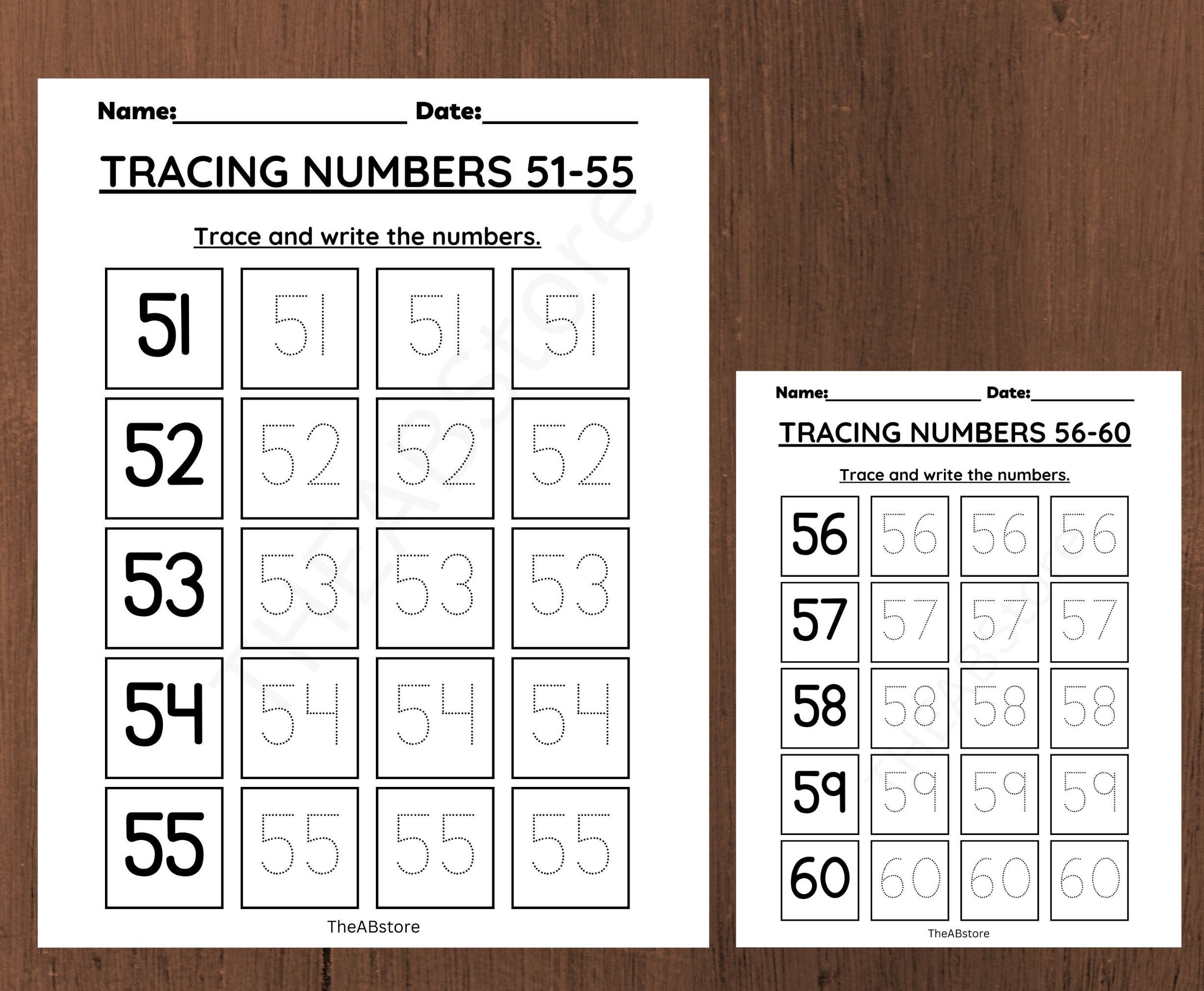
This comprehensive resource guides young learners through writing numbers and their spelled-out equivalents from one to twenty. Each page introduces a dual-path approach where numeral formation meets word sequencing. Children trace large, dotted digits to establish proper stroke order, beginning at specific dots and following directional arrows. Directly beneath or beside each numeral, the matching number word appears in clear, primary-dotted fonts. This dual focus supports foundational concepts found throughout Tracing Number exercises, moving beyond mere rote counting into true literacy territory. The layout intentionally minimizes visual clutter, allowing developing eyes to track left-to-right progression while keeping small hands focused on the physical act of writing rather than decoding complex page designs.
Key Learning Outcomes
Working through these pages cultivates several interconnected developmental milestones essential for early school success. Children master precise directional stroke control by following guided starting points for complex number formations like threes, fives, and eights. Simultaneously, exposure to spelled-out number words reinforces early sight-word recognition and spelling patterns, laying groundwork that directly supports broader literacy goals explored within Word and Name Tracing collections. Learners also develop critical spatial awareness, learning to manage letter and numeral spacing within structured boundary lines. Hand-eye coordination improves naturally as young fingers navigate the nuanced curves of letters like ‘w’ and ‘teen’ suffixes, building the exact muscle memory required for daily academic writing tasks across all subjects.
How to Use This Worksheet
Successful implementation relies on keeping sessions short, engaging, and physically supportive for developing hands. Printing a few numbers at a time prevents cognitive fatigue and hand cramping, especially for children who are still building intrinsic hand muscle endurance. Adults can introduce the page by having the child trace the large numeral with an index finger first, practicing the physical motion in the air or directly on the paper before introducing a writing utensil. Pairing these sheets with foundational tools from the Fine Motor and Pre-Writing Skills catalog ensures children possess the baseline hand strength required for sustained writing endurance.
Practical Tips for Parents and Teachers
Adults play a crucial coaching role during tracing activities by monitoring pencil grip and posture without taking over the physical movement. According to the American Occupational Therapy Association (AOTA), encouraging a functional tripod grasp early prevents hand fatigue and promotes long-term handwriting legibility. If a child’s hand begins to fatigue, sliding a small piece of clay or a broken crayon stub into their grasp naturally encourages an appropriate finger pinch rather than a heavy fist grip. Adults should scaffold learning by starting with familiar numbers like one through five, gradually extending challenges toward twenty as confidence builds. Celebrating small victories, such as a smoothly curved zero or a properly crossed seven, keeps motivation high and transforms pencil practice from a chore into a rewarding daily ritual.
Age-Appropriate Recommendations
Aligning expectations with developmental frameworks ensures tracing practice remains positive and productive rather than frustrating. For younger children around ages two to four, the focus aligns with the Head Start Early Learning Outcomes Framework, emphasizing gross motor integration and large-scale pre-writing strokes over perfection. At this stage, children may only manage tracing the larger digits with thick crayons or finger paints. For older children in kindergarten through second grade (ages five to eight), the expectations shift toward formal academic standards, specifically aligning with Common Core ELA standard CCSS.ELA-LITERACY.L.K.1.A for printing upper- and lowercase letters and numerals clearly. During these elementary years, children use regular pencils or fine-tip markers, focusing closely on proportional sizing, proper alignment on primary lines, and accurate spelling of words like “fourteen” or “twenty.”
Functional grasp patterns directly influence a child’s writing speed, endurance, and legibility throughout early elementary school. — American Occupational Therapy Association (AOTA)
Frequently Asked Questions
Explore More Free Printable Tracing Worksheets
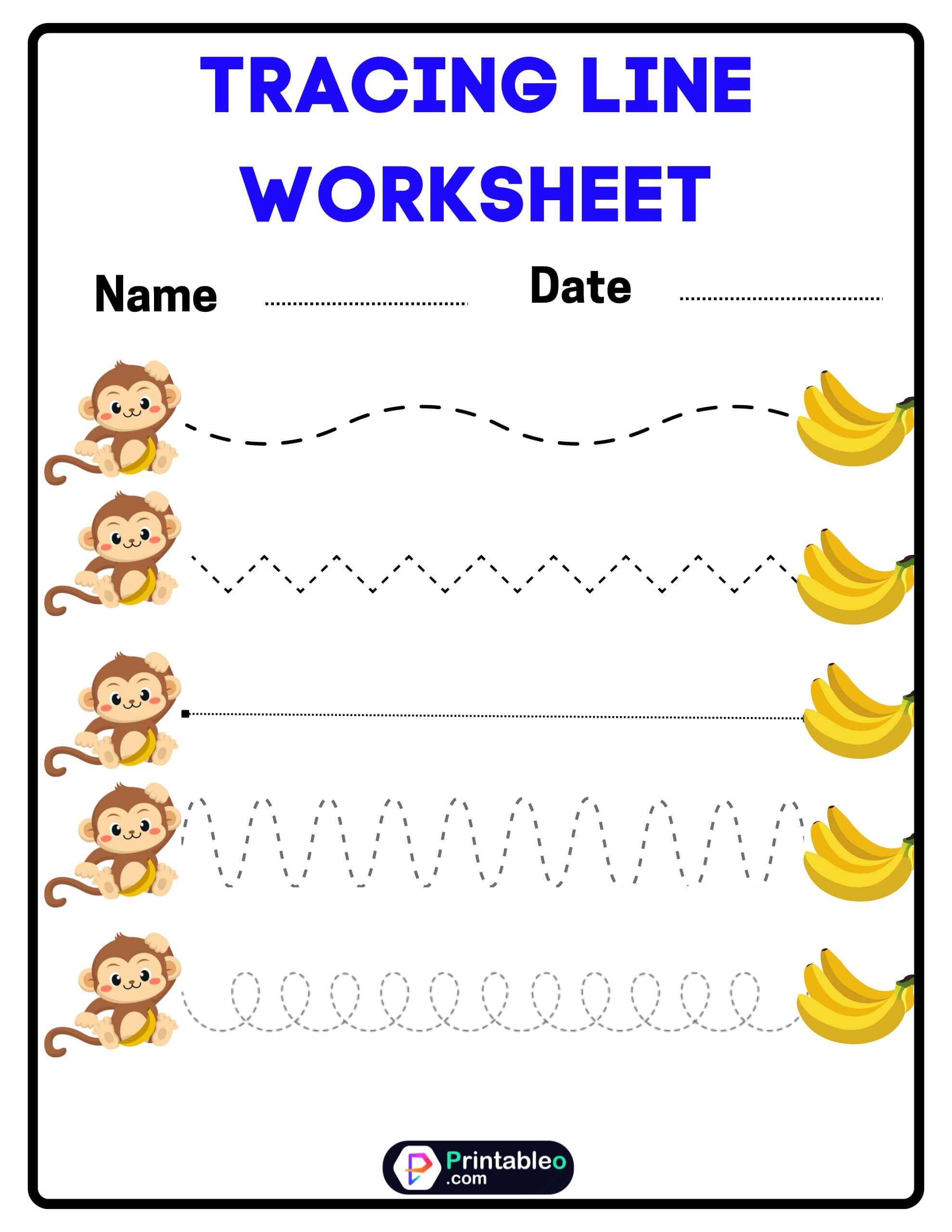
Supporting a young writer involves offering a rich variety of engaging, developmentally appropriate practice materials tailored to every seasonal interest and foundational skill level. Beyond numerical word practice, learners benefit greatly from exploring diverse challenges that target everything from basic horizontal lines to complex alphabetical letter forms. Educators, parents, and homeschool providers can discover an extensive library of structured resources by browsing the complete collection available at KidTraces.com. Whether a child needs extra support with foundational strokes found in Shape and Line Tracing or wants to celebrate holidays using engaging designs from the Seasonal and Fun Themes section, every free printable is crafted by experienced educators to make early learning joyful, accessible, and deeply effective.
Quick Wiring Specifications & Terminal Guide
| Component / Circuit | Standard Wire Gauge | Recommended Protection |
|---|---|---|
| Control & Trigger Signals | 18 – 20 AWG | 5A – 7.5A Inline Fuse |
| Standard Auxiliary Load | 14 – 16 AWG | 15A – 20A Circuit Breaker |
| Main Power Feed / Supply | 10 – 12 AWG | 30A – 40A Heavy-Duty Relay |
Images References