Introduction
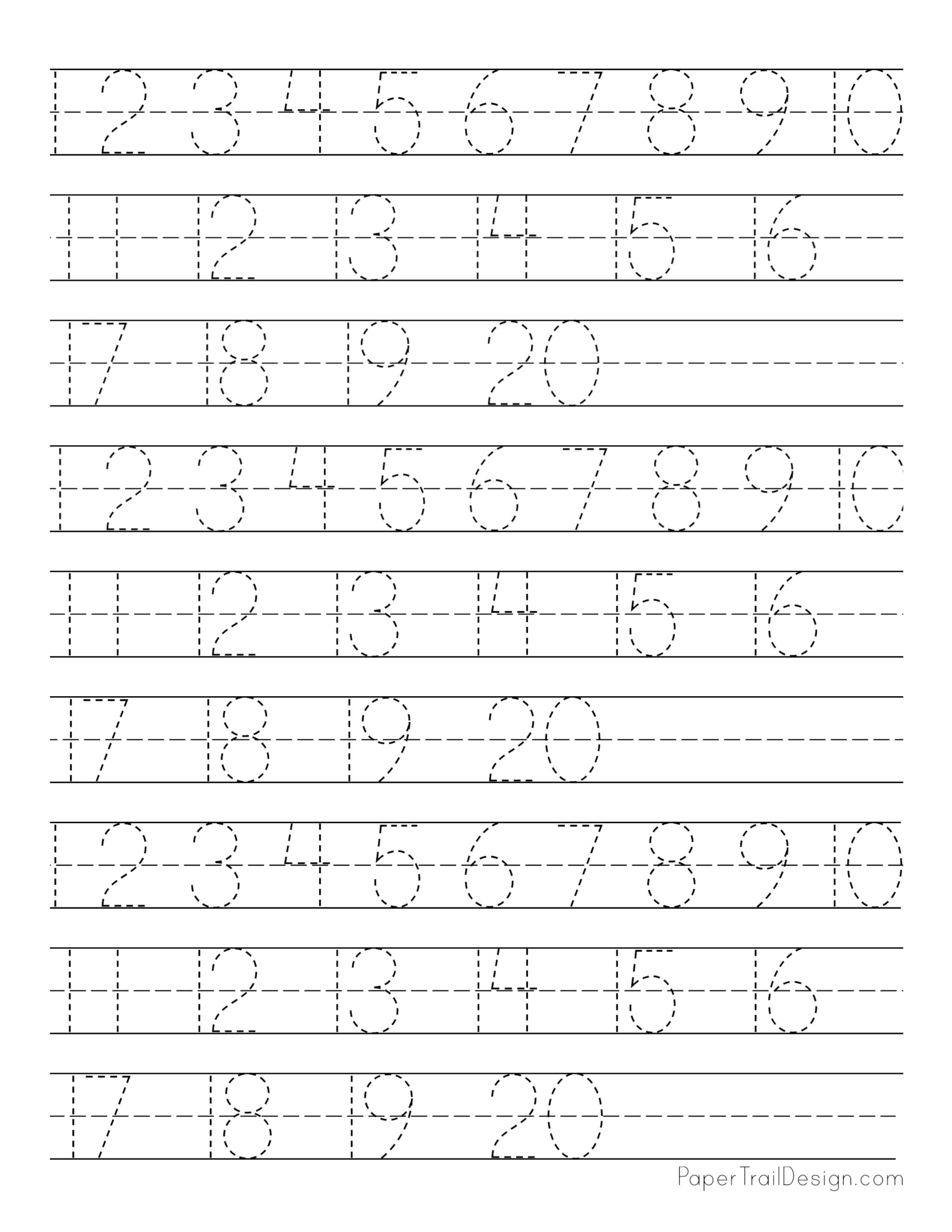
Many children recognize numerals and letters long before their little hand muscles possess the endurance or dexterity to form them on blank paper. This classic gap between cognitive understanding and physical capability often frustrates early learners when pencil meets paper. According to the National Association for the Education of Young Children (NAEYC), developmentally appropriate practice requires matching expectations to children’s physical and cognitive maturity rather than forcing rigid rote tasks. Guided numeral practice bridges this gap by offering structured support. The printable trace numbers 1 20 resource provides an essential bridge, helping children translate visual recognition into fluid, confident muscle memory without overwhelming small hands.
💡 Technical Key Takeaways:
- Core Focus: Diagnostic schematic and terminal connection layout for Printable Trace Numbers 1 20.
- Target Scope: Field technicians, automotive DIYers, and residential/commercial electricians.
- Safety Rule: Always disconnect the primary power source/battery terminal and verify zero voltage with a multimeter before touching wires.
What This Worksheet Covers
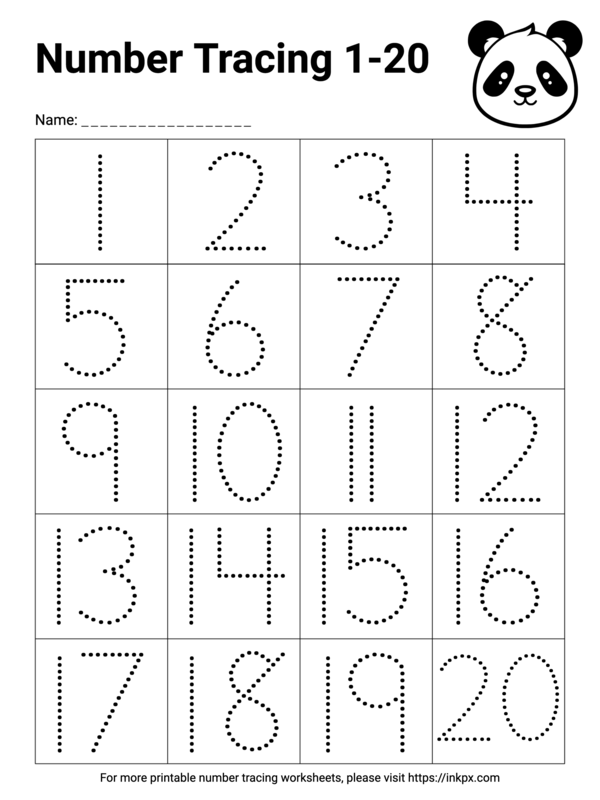
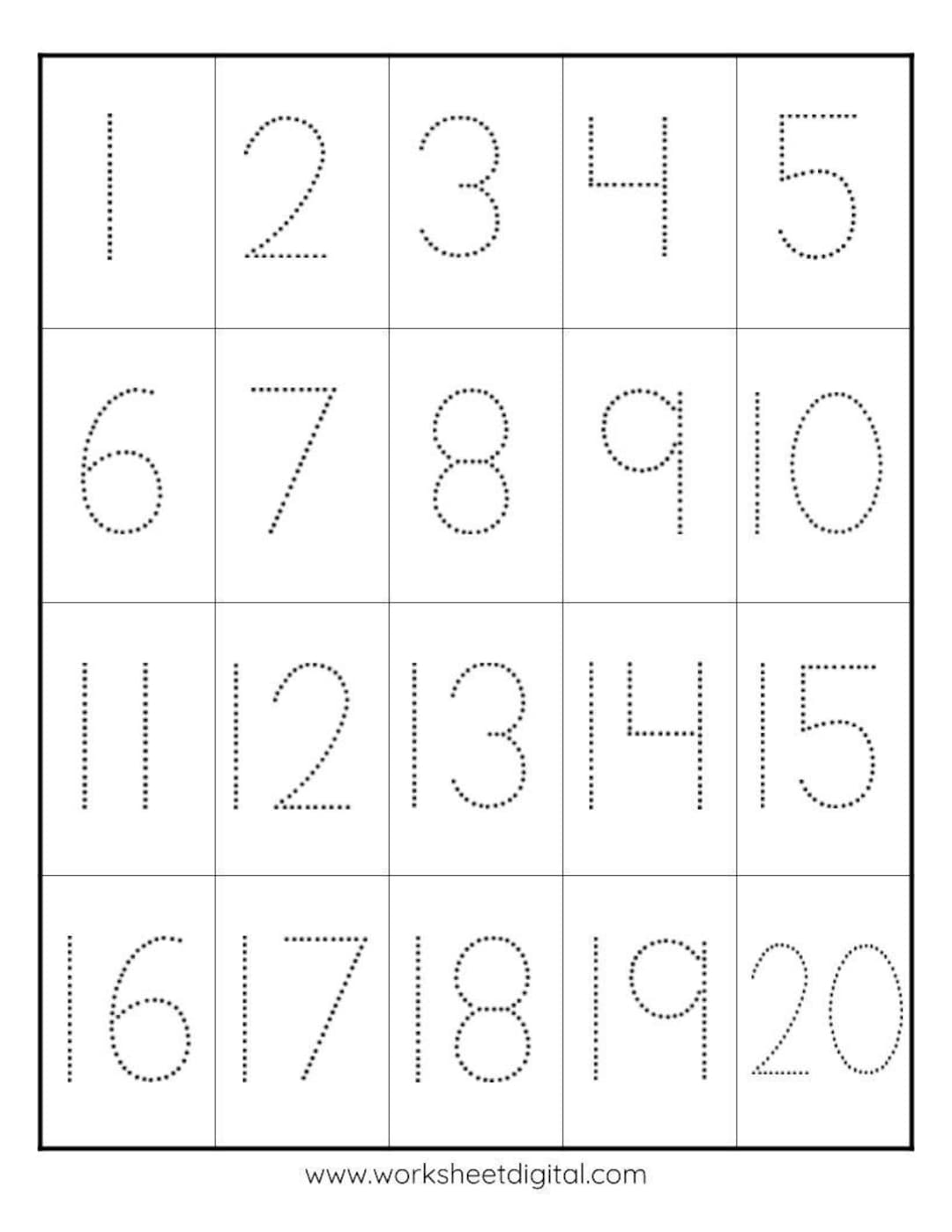
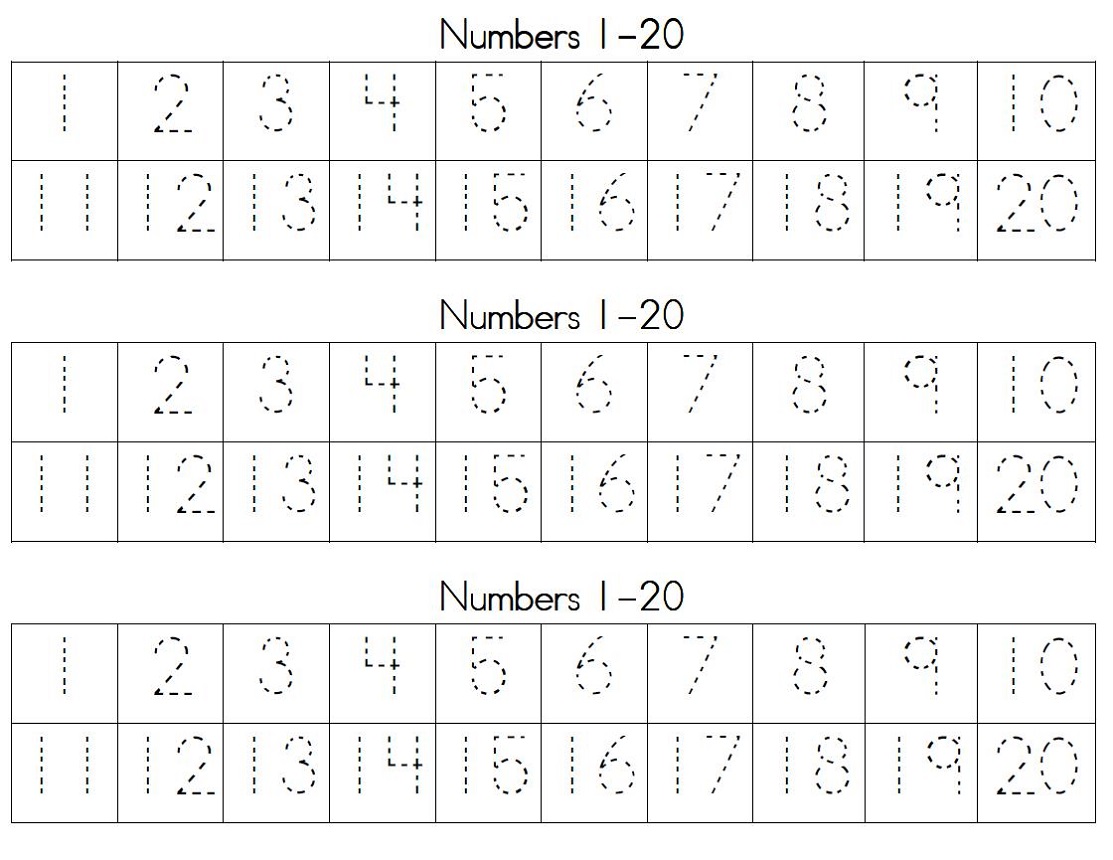
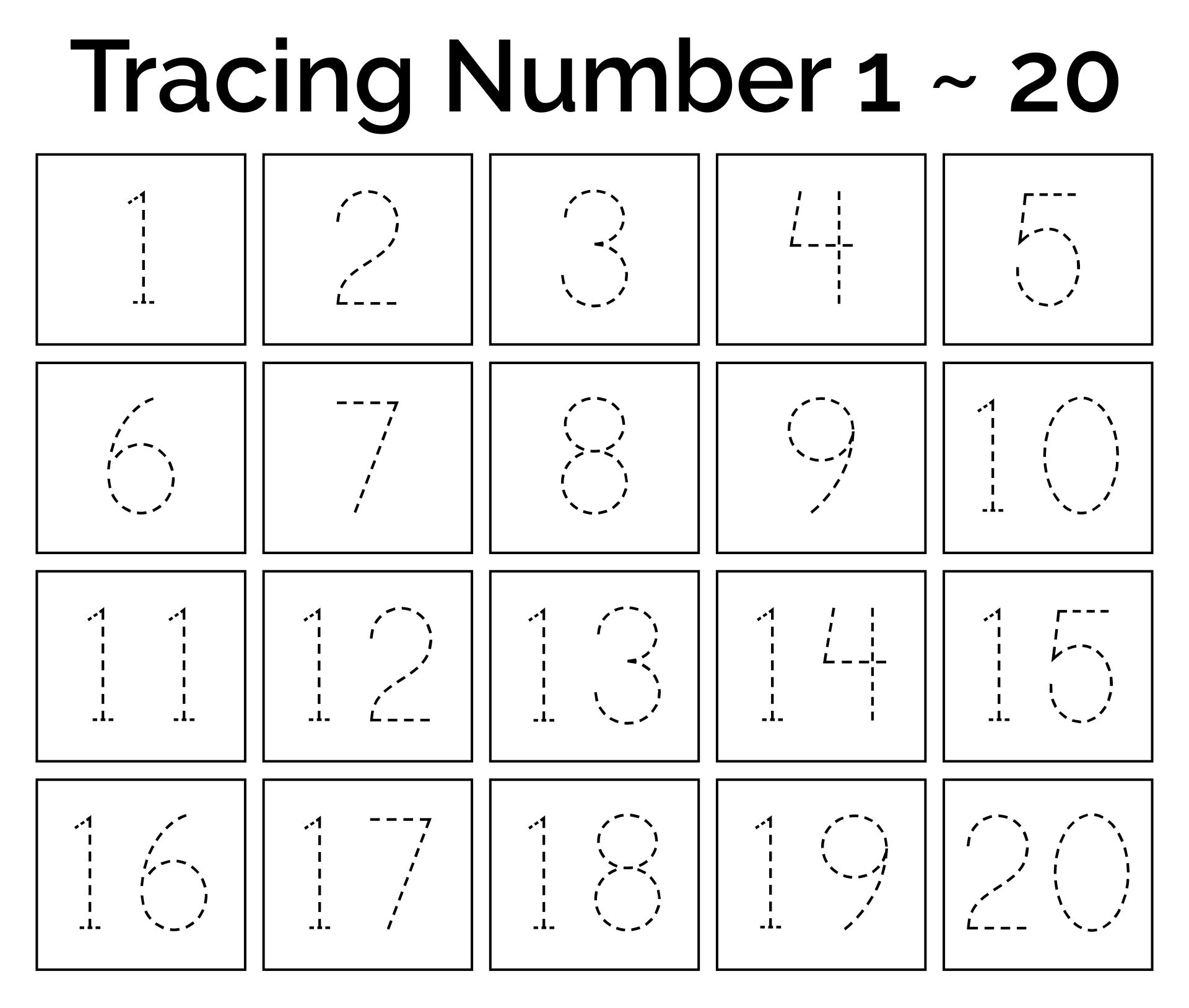
Building foundational math readiness and pre-writing confidence requires structured repetition that respects physical development. The printable trace numbers 1 20 sheets systematically guide learners through every digit from single-digit basics to the complexities of the early twenties. Each numeral features clear starting points, directional arrows, and dotted lines that encourage correct stroke order from the very beginning. Developing correct stroke habits early prevents future letter and number reversals, which are a common hurdle in early elementary classrooms. Furthermore, working through consecutive digits reinforces counting sequences, pairing fine motor control with early numerical literacy in a single, cohesive exercise. For more related activities, check out our Number Tracing Rhyme.
Key Learning Outcomes
Working through these guided sheets fosters several critical developmental milestones simultaneously. Children build essential fine motor control by stabilizing the wrist and refining finger isolation during pencil movement. Proper stroke sequencing is established, ensuring that pencils start at the top of each numeral rather than rising from the bottom. Spatial awareness improves significantly as learners navigate boundaries, sizing digits appropriately within lines or boxes. Additionally, number identification solidifies through repetitive physical engagement, connecting the spoken word, the visual symbol, and the tactile motion of writing into a unified neurological memory.
How to Use This Worksheet
Maximizing the benefits of this resource involves more than simply handing over a pencil and hoping for the best. Adults should introduce the sheets during calm, focused periods of the day when hand fatigue is minimal. It sounds simple, and that is the point: breaking the sequence down into manageable chunks prevents overwhelm. Instead of demanding all twenty numbers at once, adults can focus on numbers one through five during an initial session, slowly expanding the range as stamina and focus grow. Pairing the pencil tracing with tactile experiences, such as forming numbers in salt trays or tracing textured outlines, deepens the sensory integration required for lasting retention.
Practical Tips for Parents and Teachers
Guiding young writers requires patience and an understanding of physical readiness. Start by checking the pencil grasp, encouraging a functional tripod grip while remaining flexible if hand strength is still developing. Adults should model proper stroke order on a whiteboard before children attempt the paper, verbalizing the motions such as “straight line down” for the number one. Scaffolding the activity means lightly hand-over-hand guiding a struggling learner through the first few strokes before fading support entirely. Finally, celebrate small victories in pencil control rather than demanding perfection, keeping the emotional climate positive and encouraging lifelong enthusiasm for writing.
Age-Appropriate Recommendations
Children develop pre-writing skills along a predictable continuum, making tailored expectations vital for success. According to the CDC developmental milestones, children typically begin imitating vertical and horizontal lines around age two, gradually advancing to more complex intersecting lines and closed shapes by preschool. For younger learners aged three to four, the printable trace numbers 1 20 sheets work best when enlarged, laminated for dry-erase marker use, or used simply for finger-tracing. Children aged five to eight, operating within the expectations of Common Core standard K.CC.A.3 for writing numbers from zero to twenty, can tackle the standard sheets with traditional pencils to build the endurance required for kindergarten and early elementary school.
Young children frequently develop strong visual letter and numeral recognition months before their intrinsic hand strength and proprioceptive feedback allow them to cleanly reproduce those same symbols on paper. — Occupational Therapy Practice Guidelines
Frequently Asked Questions
Navigating early childhood writing resources is easier with direct answers to common questions about printing, motor development, and educational standards.
According to the American Occupational Therapy Association (AOTA), participating in structured fine motor activities like tracing helps children develop the hand strength, dexterity, and bilateral coordination necessary for academic success. — AOTA School Practice Guidelines
Explore More Free Printable Tracing Worksheets
Supporting a well-rounded early childhood curriculum requires access to a wide variety of engaging, skill-building materials. Beyond foundational numerical practice, learners benefit greatly from exploring related developmental exercises. To discover additional resources for handwriting and pencil control, browse the complete collection of free materials available through KidTraces.com. Whether focusing on letter formation with Dotted Letters For Tracing, refining foundational dexterity through Fine Motor and Pre-Writing Skills, or exploring thematic practice via Seasonal and Fun Themes, every child can find supportive tools tailored to their unique learning journey. Additional practice can also be found within the specialized Tracing Number section, ensuring continuous growth and engagement across all early developmental domains.
Quick Wiring Specifications & Terminal Guide
| Component / Circuit | Standard Wire Gauge | Recommended Protection |
|---|---|---|
| Control & Trigger Signals | 18 – 20 AWG | 5A – 7.5A Inline Fuse |
| Standard Auxiliary Load | 14 – 16 AWG | 15A – 20A Circuit Breaker |
| Main Power Feed / Supply | 10 – 12 AWG | 30A – 40A Heavy-Duty Relay |
Images References