Introduction
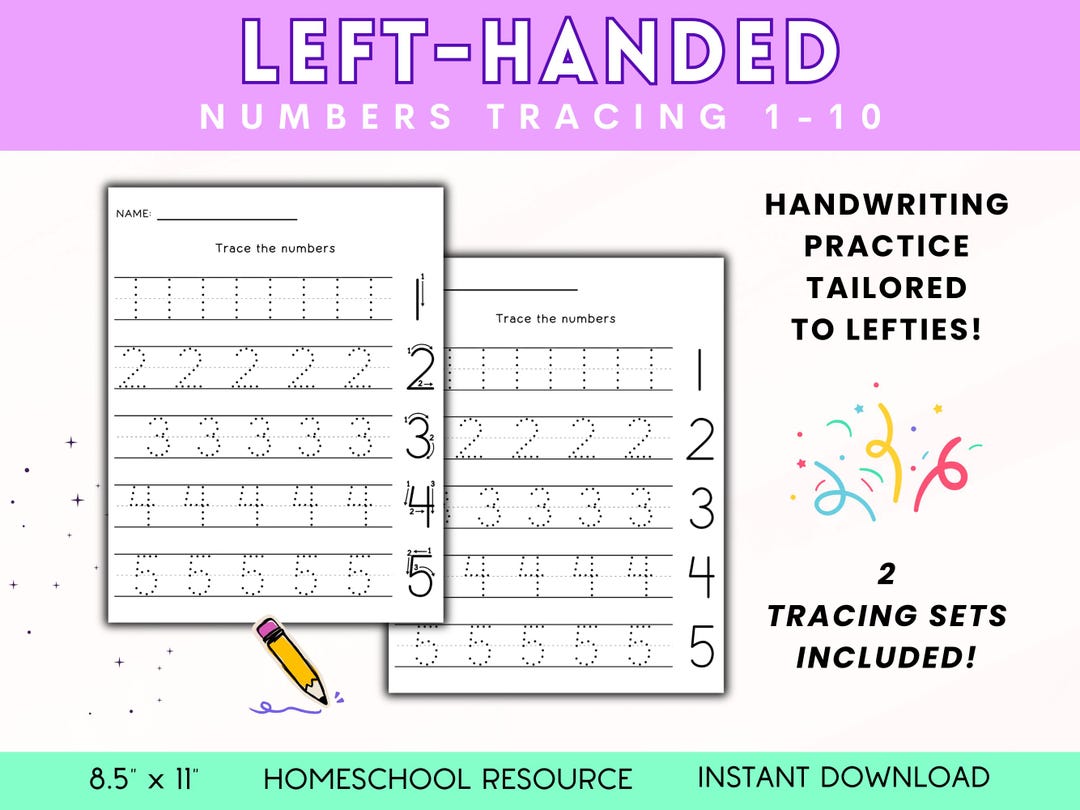
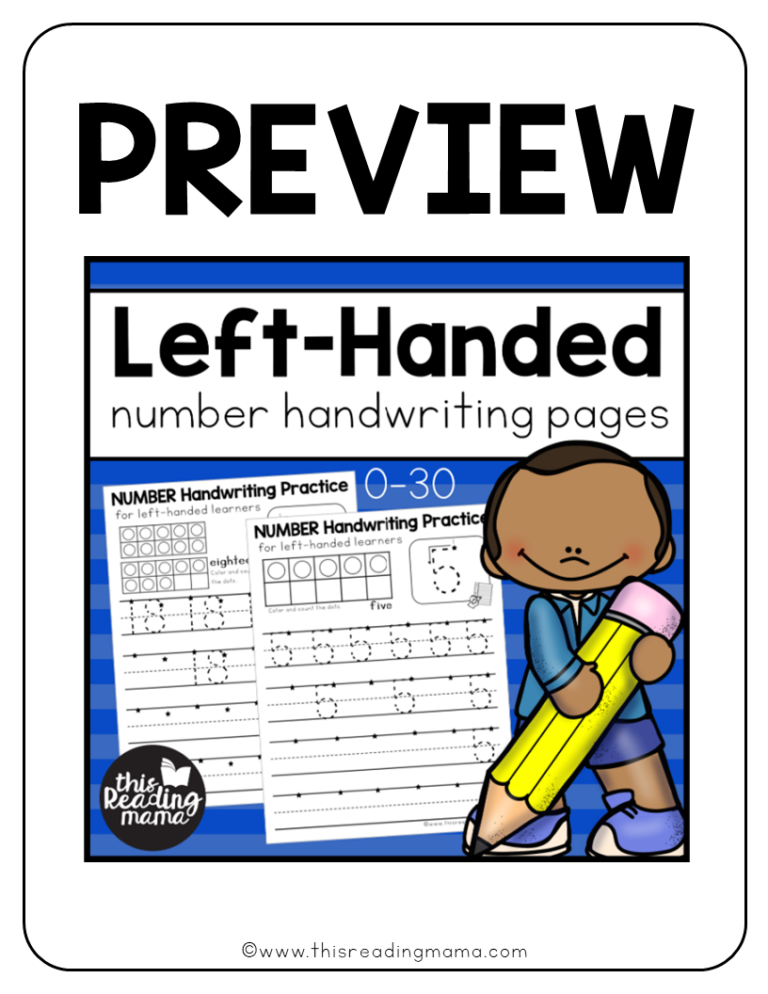
Many children recognize numerals and letters long before their fine motor coordination allows them to form those same symbols on paper. According to the American Occupational Therapy Association, foundational hand strength and visual-motor integration must develop simultaneously to support functional academic tasks like handwriting. Supporting left-handed learners requires specialized consideration regarding hand positioning, page tilt, and clear directional cues to prevent smudging and awkward grips. The left hand number tracing worksheet addresses these specific anatomical needs by providing intentional layouts that guide young learners through proper numeral formation. It sounds simple, and that’s the point. Removing visual obstructions helps left-handed children build confidence during early Tracing Number exercises.
💡 Educational Key Takeaways:
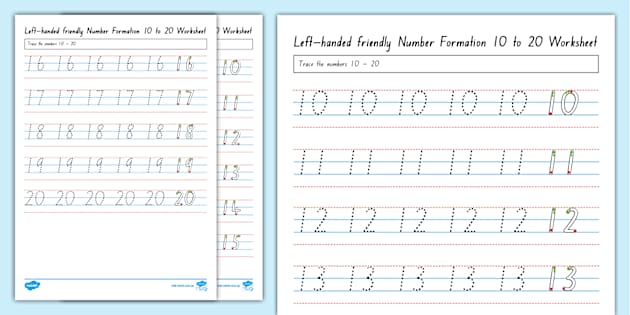
- Core Skill: Structured Left Hand Number Tracing Worksheet focused on developing pencil grip, stroke control, and early literacy/math confidence.
- Target Scope: Suited for homeschoolers, preschool, kindergarten, and elementary learners.
- Best Recommendation: Practice 10–15 minutes daily with ergonomic writing tools to reinforce muscle memory without hand fatigue.
What This Worksheet Covers
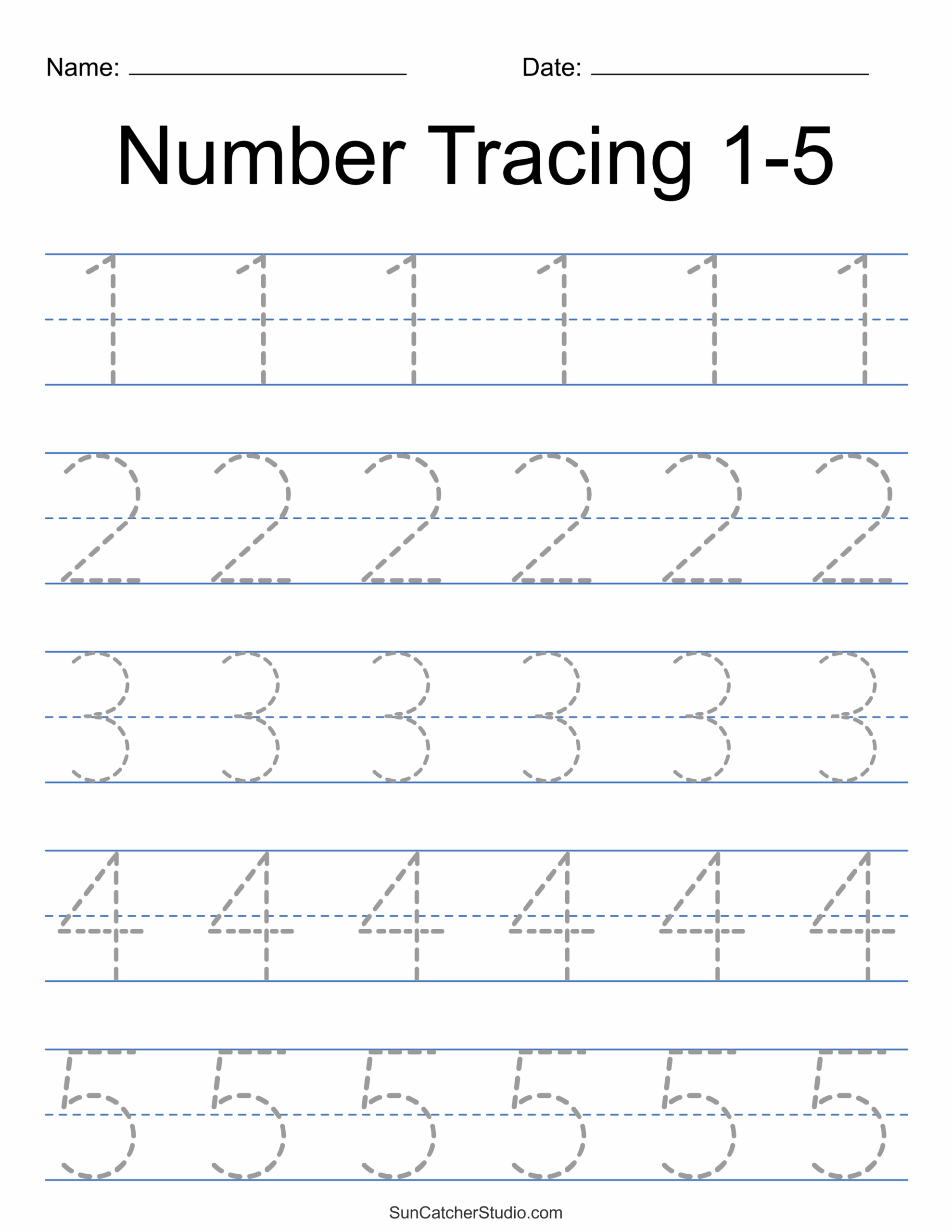
Left-handed writers frequently pull pencils toward their bodies or hook their wrists to see what they have just drawn, which obscures their line of sight. This resource addresses that specific challenge by placing directional starting points and clear stroke cues on the right side of the tracing path or utilizing open layouts that remain visible beneath a left hand. Numerals from zero through nine receive dedicated practice grids featuring prominent starting dots, directional arrows, and ample spacing. Children learn to approach each digit systematically, mastering the loops of a three, the straight descender of a four, and the continuous curve of a zero without losing sight of the baseline. Educators often notice that left-handed children benefit tremendously from explicit instruction in stroke order, as standard right-handed directional models can feel entirely counterintuitive to their natural sweep of motion across the page.
Key Learning Outcomes
Working through these numeral exercises builds crucial neurological pathways connecting visual perception to motor execution. Learners develop consistent stroke sequencing, which prevents the formation of inefficient habits like starting numbers from the bottom up. Hand-eye coordination improves naturally as young hands learn to follow dotted guides across varying curves and sharp angles. Spatial awareness also expands significantly because children must recognize baseline boundaries and maintain uniform sizing within each tracing box. Over time, this deliberate repetition translates into fluid, automatic numeral formation that requires far less cognitive effort during math assignments and daily writing tasks.
How to Use This Worksheet
Successful implementation begins long before the pencil touches the paper by establishing an optimal physical setup for left-handed participants. The page should be tilted slightly clockwise, allowing the writing hand to rest comfortably below the writing line rather than curling awkwardly above it. Adults can introduce the worksheet by modeling the correct pencil grasp, ensuring fingers rest roughly one inch above the tip to maintain a clear line of sight. Children trace the initial large-format numerals with an index finger to build kinesthetic memory before transitioning to a pencil or crayon. Starting slowly allows the hand muscles to adapt to the required pressure and control without causing premature fatigue or frustration.
Practical Tips for Parents and Teachers
Scaffolding instruction effectively means breaking single-digit mastery into manageable steps rather than demanding an entire page in one sitting. Adults should sit to the right of a left-handed child during guided practice to avoid bumping elbows and to provide clear visual modeling. Extending the activity involves having children trace textured numbers cut from sandpaper or write numerals in a shallow tray filled with salt or sand. Changing writing instruments from standard pencils to scented markers or colorful gel pens can instantly boost engagement and make the practice feel like play. When hand fatigue sets in, stopping immediately preserves a positive association with writing and prevents the reinforcement of poor grip habits.
Age-Appropriate Recommendations
For children ages two to four, aligned with the National Association for the Education of Young Children developmental guidelines, the focus rests heavily on gross motor control, sensory exploration, and large-scale pre-writing strokes. Toddlers and young preschoolers benefit from using thick crayons or short stubby pencils to naturally encourage a functional grasp while exploring early Fine Motor and Pre-Writing Skills. As children progress to ages five through eight, meeting Common Core standard K.CC.A.3 requires them to write numbers from zero to twenty to represent objects and quantities. During these early elementary years, the left hand number tracing worksheet bridges the gap between mathematical comprehension and physical execution, ensuring left-handed students can demonstrate their knowledge clearly and legibly.
According to the Centers for Disease Control and Prevention developmental milestones, children typically develop the hand-eye coordination needed to trace basic lines and simple shapes between the ages of three and four. — CDC
Frequently Asked Questions
Find quick answers to common questions about utilizing this specialized left-handed tracing material effectively at home or in the classroom.
Explore More Free Printable Tracing Worksheets
Building robust writing readiness requires exposure to a diverse variety of strokes, lines, and patterns beyond numerals alone. Caregivers and educators can discover a comprehensive collection of resources designed for every stage of development, from basic Shape and Line Tracing activities to engaging Seasonal and Fun Themes that keep children motivated. Exploring the full library of printable materials at KidTraces.com ensures that every young learner finds the exact level of support they need to thrive.
Developmental Milestone & Activity Table
| Development Stage | Recommended Daily Duration | Primary Learning Objective |
|---|---|---|
| Preschool & Pre-K | 10 – 15 Minutes | Pencil grip development & basic pre-stroke lines |
| Kindergarten | 15 – 20 Minutes | Letter/number formation & spatial line awareness |
| Early Elementary (Grade 1–2) | 20 – 30 Minutes | Fluency, sentence construction & neatness |
Images References