Introduction
Many children recognize letters, numbers, and animals long before their developing fine motor skills can actually form them on paper. According to the American Occupational Therapy Association, young children require refined hand strength, bilateral coordination, and visual-motor integration before mastering pencil control. Bridging this developmental gap takes patience, engaging contexts, and purposeful materials that turn mechanical practice into an enjoyable discovery. The free printable tracing amimals with numbers addresses this exact need by pairing counting practice with targeted stroke execution. It sounds simple, and that is precisely the point. When learning feels like a game rather than a chore, children naturally lean into the physical effort required for early writing success. Children often possess rich cognitive understanding of the world, yet their hands tire easily when faced with blank, intimidating white pages. Creative resources change the emotional landscape of the writing table completely, transforming frustration into genuine curiosity about how lines and curves shape symbols.
💡 Educational Key Takeaways:
- Core Skill: Structured Tracing Amimals With Numbers focused on developing pencil grip, stroke control, and early literacy/math confidence.
- Target Scope: Suited for homeschoolers, preschool, kindergarten, and elementary learners.
- Best Recommendation: Practice 10–15 minutes daily with ergonomic writing tools to reinforce muscle memory without hand fatigue.
What This Worksheet Covers
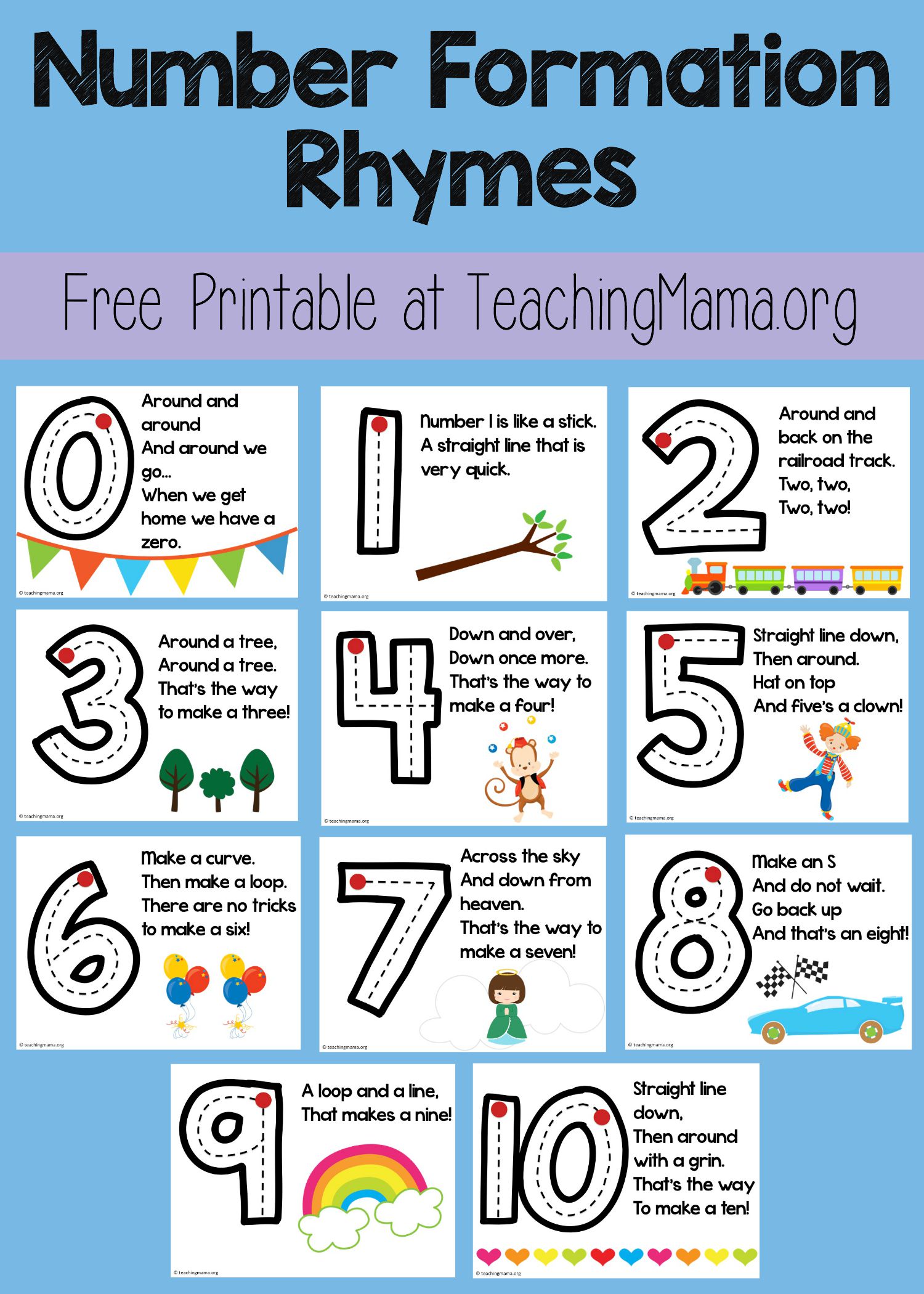
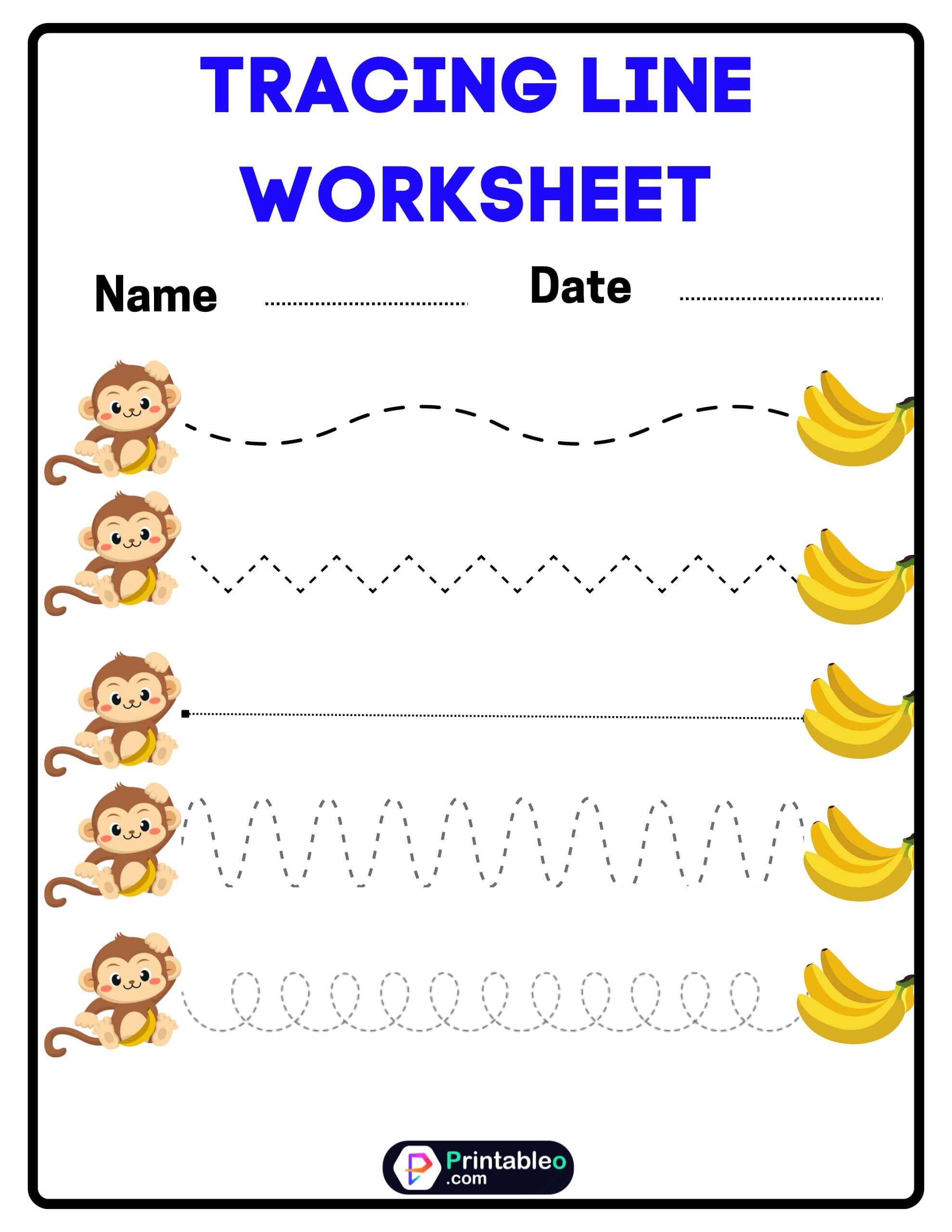
This specialized worksheet merges numeral formation, stroke directionality, and animal recognition into a single cohesive activity. Each page invites young learners to connect counting principles with physical pencil movement, reinforcing numerical order while simultaneously building hand-eye coordination. Guided starting points remove the guesswork of where to place the pencil, teaching proper stroke sequencing from the very first mark. According to the National Association for the Education of Young Children, integrating cognitive concepts like counting with physical movement supports holistic skill acquisition in early childhood. Here is what makes this worksheet different: it refuses to separate numeracy from literacy and motor control. Instead, the design acknowledges that a child’s brain and hand develop in unison. Tracing familiar creatures gives reluctant writers an immediate reason to persevere, turning abstract numerical symbols into recognizable animal parts, scales, spots, or outlines.
Key Learning Outcomes
Children engaging with these pages systematically build foundational competencies essential for future academic success. Learners practice proper numeral formation by following structured paths that demonstrate correct top-to-bottom and left-to-right stroke order. Fine motor control improves significantly as little fingers navigate curves, loops, and straight lines to complete each animal illustration. Hand strength and endurance develop naturally as children maintain a controlled pencil grasp across multiple tracing paths without hand fatigue setting in too early. Visual-motor integration sharpens as the eyes track the dotted lines while the hand translates that visual input into physical pencil strokes. Finally, early numeracy skills receive a strong boost through the repeated reinforcement of number sequencing tied directly to visual elements within the animal themes.
How to Use This Worksheet
Adults can maximize the developmental benefits of this activity by setting up an environment that encourages relaxed, confident exploration rather than rigid perfection. Begin by placing the printed sheet on a stable, flat surface with adequate lighting to support proper visual tracking and posture. Encourage a functional tripod grasp, but avoid micromanaging every finger position if the child is still experimenting with alternative grasps that provide stability. Allow learners to use crayons, colored pencils, or short golf pencils, which naturally encourage a tighter, more functional grip than standard long pencils. It sounds simple, and that is the point, but changing the writing utensil often instantly corrects an awkward hand posture. Let the child choose which animal to start with, fostering a sense of autonomy and ownership over the learning process.
Practical Tips for Parents and Teachers
Scaffolding the experience makes all the difference for children who feel hesitant about their drawing and writing abilities. Model the stroke sequence on a separate piece of paper first, verbalizing movements out loud to provide a clear auditory cue alongside the visual example. If hand fatigue occurs, invite the child to trace the lines using a finger or a toy car before picking up a writing utensil. Extend the learning naturally by counting the animal features out loud or discussing the characteristics of each creature shown on the page. Avoid erasing “mistakes” or demanding that every line stay perfectly on the dots, because motor control develops gradually through trial and error. Praise the effort, the concentration, and the steady hand control rather than the visual perfection of the finished product, keeping the emotional climate positive and encouraging.
Age-Appropriate Recommendations
For younger toddlers and preschoolers ages two through four, aligning activities with the guidelines found in the Creative Curriculum framework helps ensure realistic developmental expectations. At this stage, focus primarily on gross motor lines, large arm movements, and sensory exploration of the tracing paths without stressing exact letter or number formation. Older children in kindergarten and early elementary grades, ages five through eight, can benefit from stricter adherence to the developmental milestones outlined by the Centers for Disease Control and Prevention regarding pencil grip maturity and numeral legibility. For these older learners, emphasize consistent starting points, proportional sizing, and smooth directional flow across the numbers. Differentiating expectations based on developmental age prevents frustration and ensures that every child experiences a genuine sense of accomplishment at their own unique pace.
Young children require refined hand strength, bilateral coordination, and visual-motor integration before mastering pencil control. — American Occupational Therapy Association
Frequently Asked Questions
Integrating cognitive concepts like counting with physical movement supports holistic skill acquisition in early childhood. — National Association for the Education of Young Children
Explore More Free Printable Tracing Worksheets
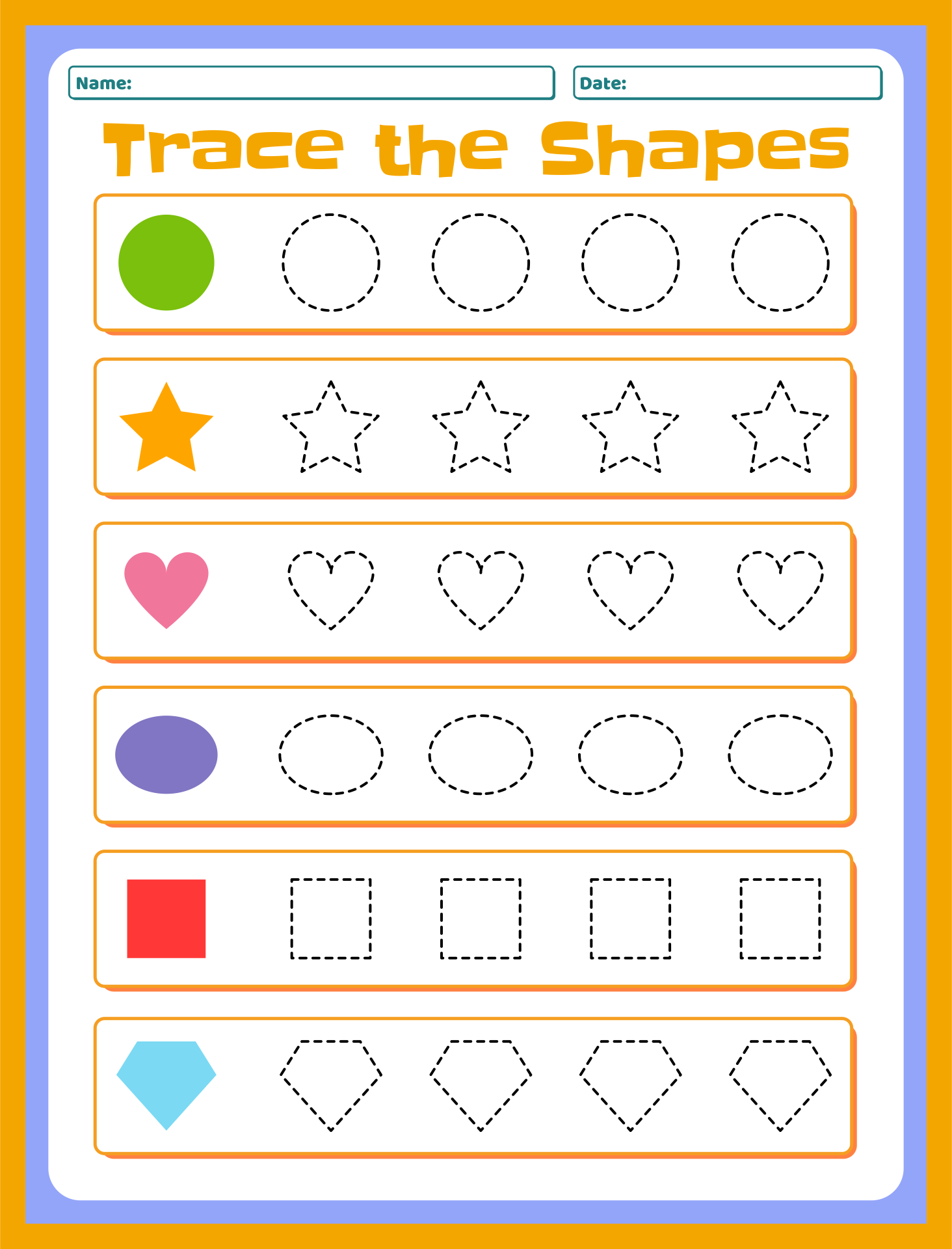
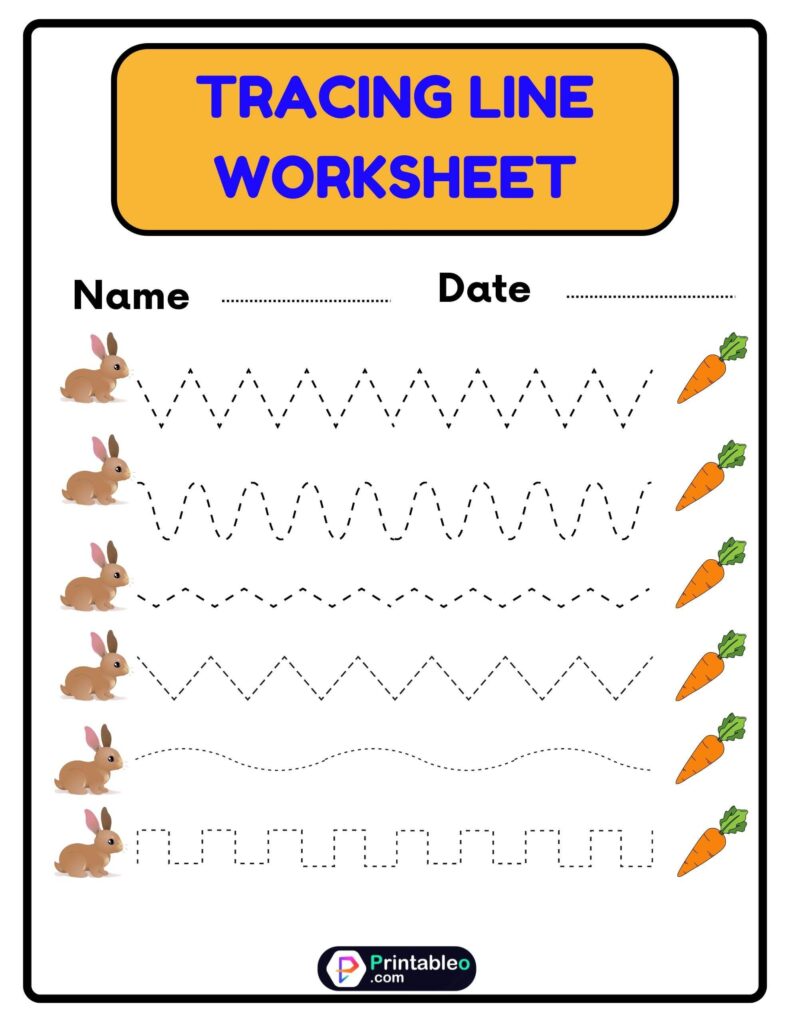
Supporting a child’s journey toward confident writing involves offering a wide variety of fresh, engaging practice materials over time. Beyond animal themes, children benefit greatly from exploring targeted Alphabet And Numbers Tracing to build core literacy foundations. When tiny hands need practice with directional control and spatial awareness, working through Shape and Line Tracing provides an ideal stepping stone. To strengthen foundational dexterity before tackling complex symbols, educators often rely on structured Fine Motor and Pre-Writing Skills exercises. Young learners can also build confidence through specialized Tracing Number sheets and festive Seasonal and Fun Themes that keep motivation consistently high. Every child deserves access to supportive, beautifully designed tools that make learning to write an adventure rather than a chore. Explore the full library of resources anytime at KidTraces.com to find the perfect match for every developmental milestone.
Developmental Milestone & Activity Table
| Development Stage | Recommended Daily Duration | Primary Learning Objective |
|---|---|---|
| Preschool & Pre-K | 10 – 15 Minutes | Pencil grip development & basic pre-stroke lines |
| Kindergarten | 15 – 20 Minutes | Letter/number formation & spatial line awareness |
| Early Elementary (Grade 1–2) | 20 – 30 Minutes | Fluency, sentence construction & neatness |
Images References