Introduction
Watch any group of preschoolers, and a fascinating developmental truth quickly emerges: children often recognize and identify numbers long before their fine motor muscles possess the maturity to form those same digits on paper. According to the American Occupational Therapy Association, foundational hand strength and precise finger dexterity must develop progressively before a child can master controlled pencil movements. Traditional handwriting instruction frequently demands too much too soon, frustrating learners who understand mathematical concepts conceptually but struggle physically. It sounds simple, and that is precisely the point. Scaffolding this journey requires supportive tools that bridge the gap between cognitive readiness and physical execution. The printable tracing numbers pdf provides a structured, low-pressure pathway for children to build muscle memory, understand stroke sequence, and gain confidence with numerical symbols.
💡 Educational Key Takeaways:
- Core Skill: Structured Printable Tracing Numbers Pdf focused on developing pencil grip, stroke control, and early literacy/math confidence.
- Target Scope: Suited for homeschoolers, preschool, kindergarten, and elementary learners.
- Best Recommendation: Practice 10–15 minutes daily with ergonomic writing tools to reinforce muscle memory without hand fatigue.
What This Worksheet Covers
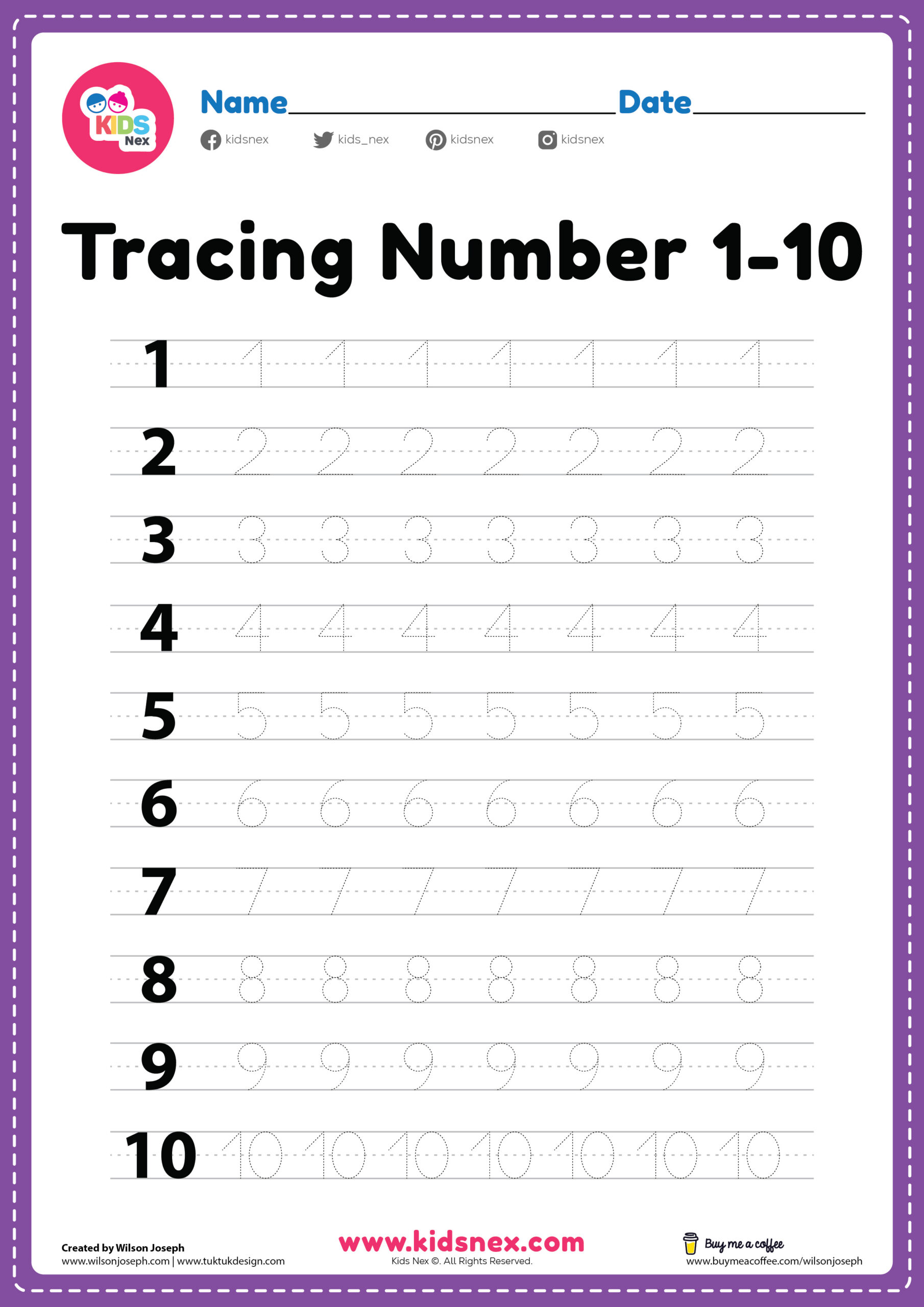
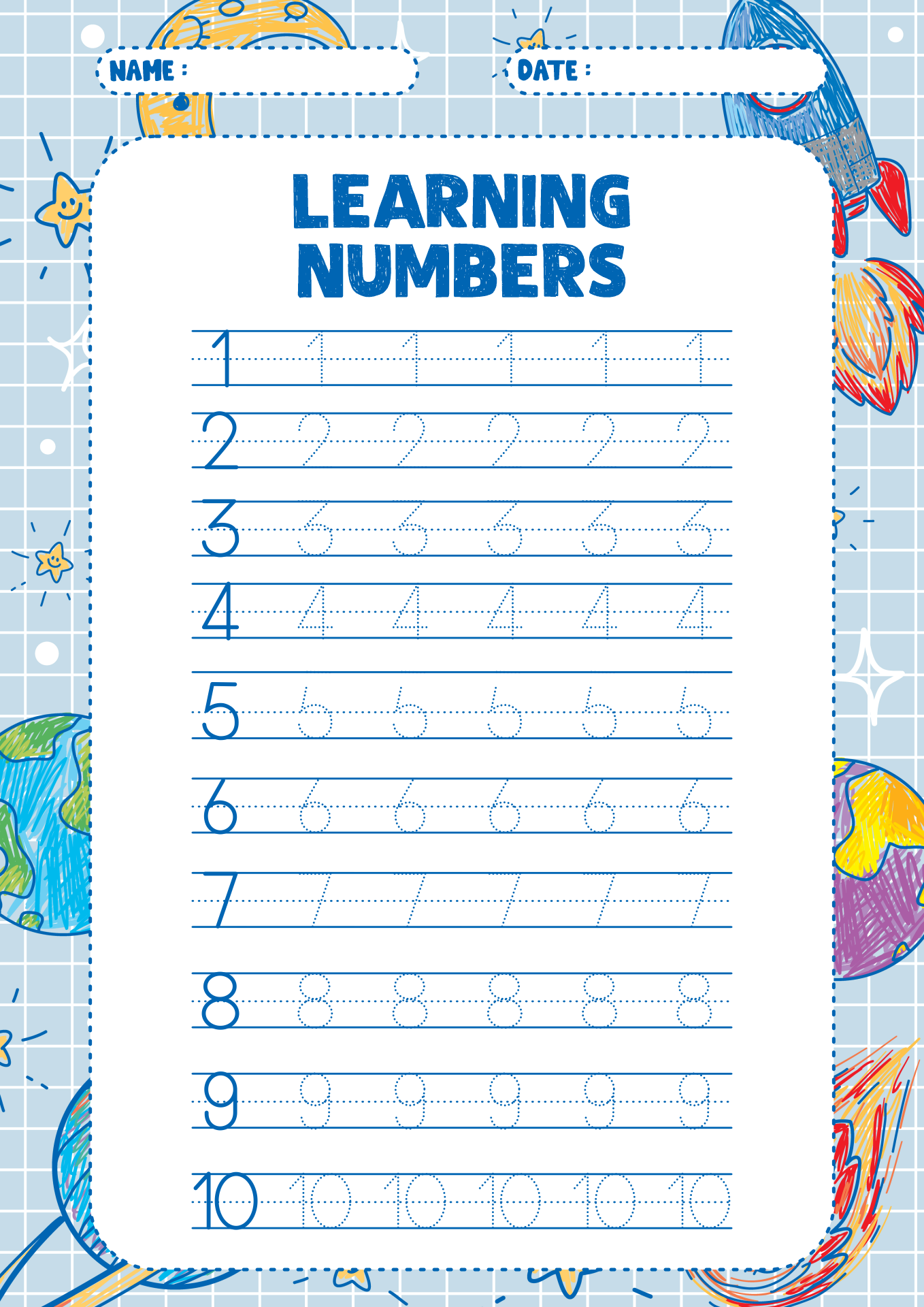
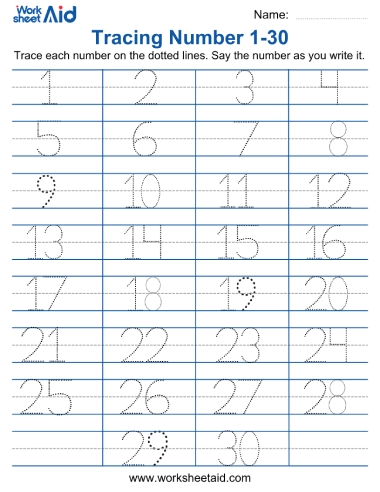
Every numeral from zero through nine requires a specific sequence of curves, straight lines, and directional shifts that can overwhelm a developing hand. This dedicated resource breaks down numerical formation into manageable, sequential strokes designed to teach proper directionality from the very first mark. Starting points are clearly established to discourage the common habit of drawing numbers from the bottom up or using erratic, unguided loops. Children encounter both large format guides for gross motor engagement and smaller dotted lines for refined control, addressing a wide spectrum of physical development. By utilizing a printable tracing numbers pdf, educators and caregivers give learners the exact visual boundaries needed to regulate hand speed, pressure, and spatial awareness across the page.
Key Learning Outcomes
Mastering numerical symbols involves far more than merely connecting dots from left to right. Learners cultivate essential visual-motor integration skills as their eyes guide their hands along precise trajectories, reinforcing hand-eye coordination with every completed stroke. Proper stroke order becomes second nature through repeated guided practice, which significantly reduces letter and number reversals later in elementary school. Children also internalize spatial concepts such as top, bottom, left, right, and curvature, laying vital groundwork for both advanced mathematical alignment and early literacy. Furthermore, completing these pages builds sustained attention span and task persistence, two critical non-cognitive factors for academic success in kindergarten and beyond.
How to Use This Worksheet
Implementation matters just as much as the content printed on the page, especially when working with young children whose hands tire easily. Begin by ensuring the workspace features proper ergonomic positioning: feet flat on the floor, hips and knees at ninety-degree angles, and the paper tilted slightly to match the natural arc of the writing arm. Encourage a functional tripod grasp, but maintain flexibility if a transitional grasp still provides better stability and control. Adults should supervise closely to model correct starting points, gently guiding a child’s hand through the initial few strokes rather than simply handing over a marker and walking away. Integrating these sheets into daily routines works best in short, five-to-ten-minute bursts to prevent hand fatigue and frustration.
Practical Tips for Parents and Teachers
Scaffolding instruction effectively means meeting learners precisely where their physical capabilities currently reside. For children struggling with pencil grip, slip a short segment of pool noodle or a specialized foam pencil grip onto the writing utensil to encourage natural finger positioning. Instead of relying solely on standard #2 pencils, switch things up by introducing scented markers, chunky crayons, or colored pencils to reignite waning engagement during practice sessions. According to the National Association for the Education of Young Children, active, playful approaches yield deeper learning than passive repetition, so try placing sheet protectors over the pages and letting children trace over them with dry-erase markers. When a child masters a specific digit, celebrate that physical achievement before moving on to more complex sequences or combining numbers into multi-digit figures.
Age-Appropriate Recommendations
Developmental expectations must align strictly with chronological age and physical maturity according to established frameworks like the CDC milestones. Toddlers and young preschoolers ages two to four typically benefit from large-scale tracing experiences, focusing on vertical lines, horizontal lines, and gentle curves found within generalized Shape and Line Tracing activities that build gross shoulder and elbow stability. As children transition into the four-to-eight age bracket, their intrinsic hand muscles strengthen, allowing for refined finger movements and accurate numeral formation. During this kindergarten and early elementary stage, structured resources like the Alphabet And Numbers Tracing collection become exceptionally valuable for standard school readiness. Educators can also supplement numerical work with targeted Dotted Letters For Tracing to ensure balanced literacy and numeracy development across all developmental domains.
Foundational hand strength and precise finger dexterity must develop progressively before a child can master controlled pencil movements. — American Occupational Therapy Association
Frequently Asked Questions
Clear guidance helps caregivers make the most of digital resources designed for early childhood development. Below are answers to common questions regarding downloading, printing, and utilizing these educational sheets effectively at home or in the classroom.
Explore More Free Printable Tracing Worksheets
Supporting a child’s developmental journey requires a diverse library of resources tailored to every stage of growth and interest. Beyond numerical practice, learners can explore exciting Seasonal and Fun Themes that keep motivation high throughout the changing calendar year. For specialized motor control challenges, educators and parents often rely on dedicated Fine Motor and Pre-Writing Skills exercises to build underlying physical strength. Discover hundreds of additional learning materials by browsing the complete collection available directly through KidTraces.com to support comprehensive early childhood education.
Developmental Milestone & Activity Table
| Development Stage | Recommended Daily Duration | Primary Learning Objective |
|---|---|---|
| Preschool & Pre-K | 10 – 15 Minutes | Pencil grip development & basic pre-stroke lines |
| Kindergarten | 15 – 20 Minutes | Letter/number formation & spatial line awareness |
| Early Elementary (Grade 1–2) | 20 – 30 Minutes | Fluency, sentence construction & neatness |
Images References