Introduction
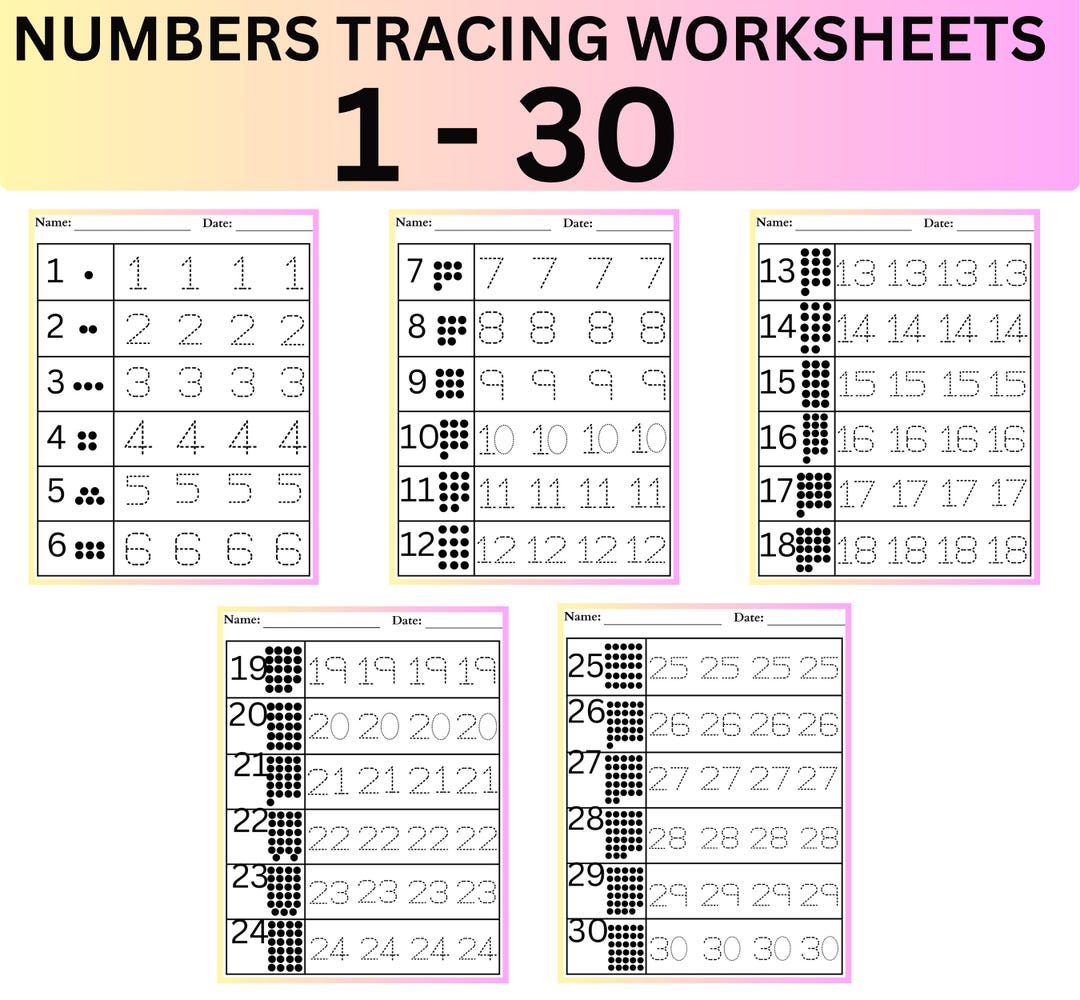
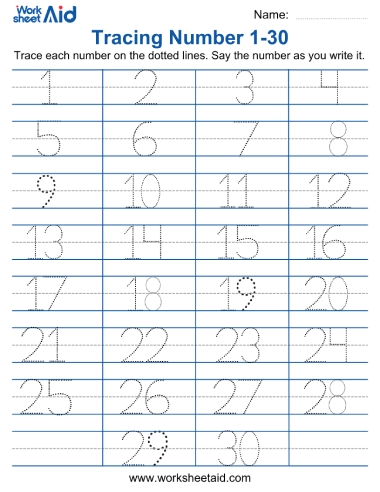
According to the American Occupational Therapy Association, foundational fine motor control established in early childhood is a primary predictor of later academic success and classroom participation. Many children recognize numerals long before small hand muscles and finger dexterity have matured enough to form those exact digits on paper. Pencil pressure fluctuates wildly, and spatial awareness across a blank sheet remains an ongoing challenge for early learners. Bridging this gap requires structured, repeatable practice that gently guides hand movements without inducing fatigue or frustration. The free printable 1 to 30 traceing number for kids pdf provides a reliable framework for developing these crucial pre-writing competencies. It sounds simple, and that is precisely the point: stripping away complex visual clutter allows the child to focus entirely on stroke formation, directional consistency, and pencil control.
💡 Technical Key Takeaways:
- Core Focus: Diagnostic schematic and terminal connection layout for 1 To 30 Traceing Number For Kids Pdf.
- Target Scope: Field technicians, automotive DIYers, and residential/commercial electricians.
- Safety Rule: Always disconnect the primary power source/battery terminal and verify zero voltage with a multimeter before touching wires.
What This Worksheet Covers
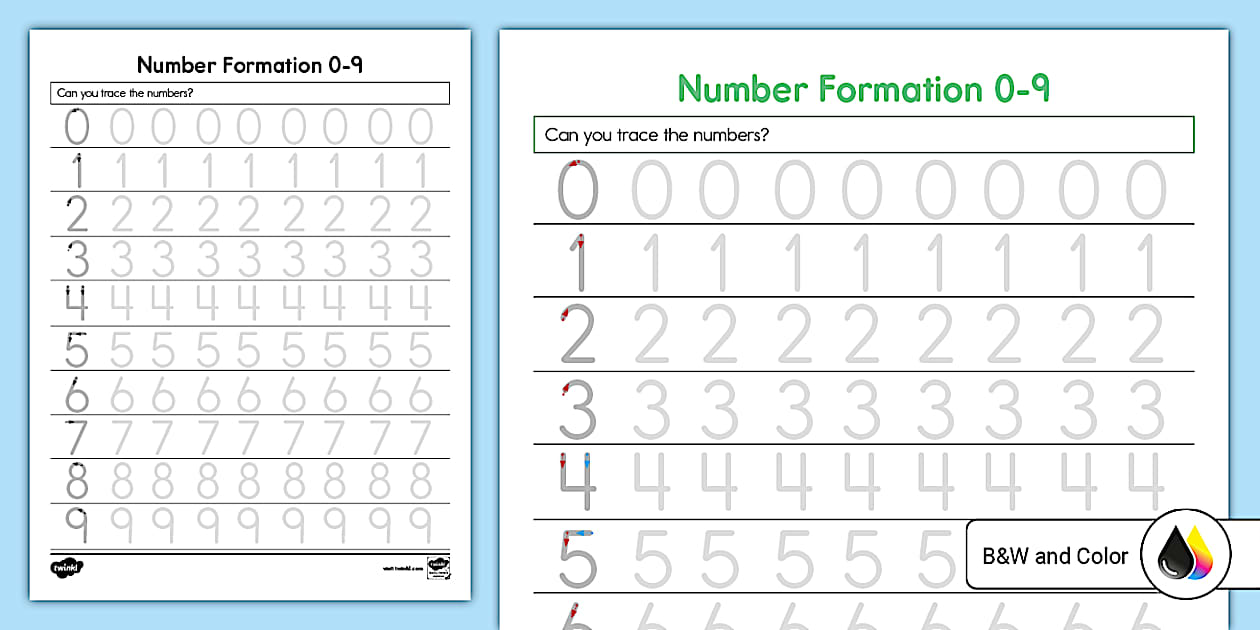
Building numerical fluency requires systematic progression, moving step-by-step from individual digits to extended counting sequences up to thirty. This resource offers dedicated practice tracks where numerals are presented with clear starting points and directional arrows. Such visual cues are vital because many young learners naturally attempt to form numbers from the bottom up rather than top to bottom. By establishing correct stroke habits early, adults prevent the formation of inefficient muscle memory that becomes difficult to correct later in elementary school. The layout balances white space with appropriately sized traceable digits, preventing sensory overload while still offering enough repetition to build genuine kinesthetic confidence.
Key Learning Outcomes
Working through these pages fosters multiple developmental milestones simultaneously. Children refine visual-motor integration as eyes and hands learn to coordinate seamlessly along the dotted paths. Spatial awareness improves naturally as numerals are aligned properly within defined grid or line boundaries, teaching proportional sizing. Finger strength and endurance increase incrementally through sustained, low-pressure tracing activities. Furthermore, numerical recognition solidifies through tactile engagement, reinforcing the abstract connection between a written symbol and its quantitative value during daily Tracing Number exercises.
How to Use This Worksheet
Successful implementation depends entirely on creating a low-stress environment that values effort over absolute perfection. Setting up an ergonomic workspace with a supportive chair and a slanted writing surface often transforms a struggling writer’s output overnight. Adults should encourage a functional grasp, whether using a tripod hold or an adapted grasp, without forcing an unnatural posture that causes hand cramping. Introducing the resource in short, ten-minute bursts keeps attention high and prevents physical fatigue. Tracing can also be made multi-sensory by placing the printable inside a clear plastic sleeve and letting children trace the lines with dry-erase markers or even trace over the dotted paths with a fingertip dipped in salt or paint before using a pencil.
Practical Tips for Parents and Teachers
Adult modeling remains one of the most effective teaching tools available in any early childhood setting. Sitting alongside the child and demonstrating the exact starting dot and stroke direction provides a clear visual blueprint to imitate. Scaffolding the activity means starting with just numbers one through five for younger learners, gradually expanding the range as endurance grows rather than demanding completion of all thirty numbers in a single sitting. Providing verbal prompts like “start at the top and loop around” helps internalize the physical movement. For children who master standard pencil tracing quickly, extending the challenge through related Fine Motor and Pre-Writing Skills materials adds depth to daily practice routines.
Age-Appropriate Recommendations
According to the National Association for the Education of Young Children guidelines for developmentally appropriate practice, children aged two to four benefit most from large, gross-motor pre-writing strokes and tactile exploration before tackling fine numeral formation. At this stage, worksheets should serve as a secondary tool to hands-on counting and physical manipulation of objects. For children aged five to eight, the focus shifts toward precision, alignment, and stamina as outlined in the Common Core ELA standard CCSS.ELA-LITERACY.L.K.1.A, which emphasizes printing upper- and lowercase letters and numerals clearly. During these early elementary years, structured tracing resources help solidify automaticity, allowing cognitive energy to transition from the mechanics of writing to higher-order mathematical problem solving and composition.
Foundational fine motor control established in early childhood is a primary predictor of later academic success — American Occupational Therapy Association
Frequently Asked Questions
Answers to common questions regarding downloading, printing, and supporting early writing development appear below.
Explore More Free Printable Tracing Worksheets
Supporting a young learner’s journey requires a diverse selection of engaging, adaptable practice materials tailored to every developmental stage. Exploring the comprehensive library available at KidTraces.com reveals countless options designed to foster confidence and skill. Additional resources can be discovered by browsing the Tracing Worksheets collection, which provides targeted practice across numerous early learning domains. Every printable is carefully crafted to ensure children build the essential foundation needed for lifelong academic success.
Quick Wiring Specifications & Terminal Guide
| Component / Circuit | Standard Wire Gauge | Recommended Protection |
|---|---|---|
| Control & Trigger Signals | 18 – 20 AWG | 5A – 7.5A Inline Fuse |
| Standard Auxiliary Load | 14 – 16 AWG | 15A – 20A Circuit Breaker |
| Main Power Feed / Supply | 10 – 12 AWG | 30A – 40A Heavy-Duty Relay |
Images References