Introduction
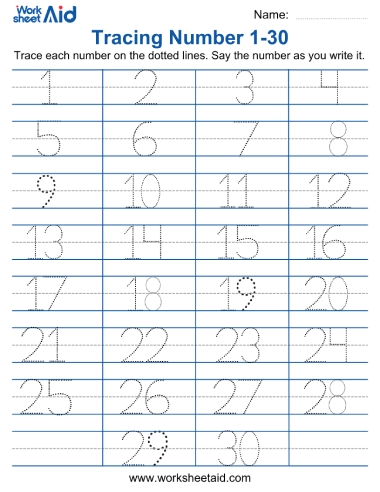
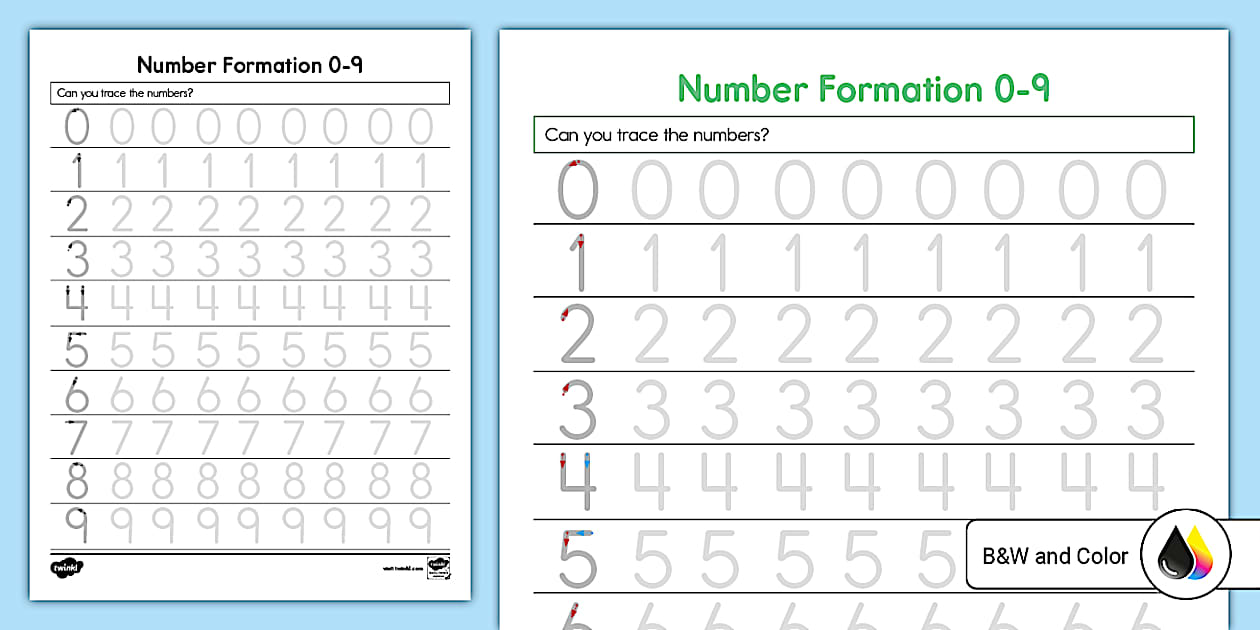
Many children recognize numbers and letters long before their fine motor coordination allows them to neatly form those symbols on paper. According to the American Occupational Therapy Association, foundational tactile and kinesthetic experiences are essential prerequisites for effective handwriting and pencil control. This developmental gap often frustrates young learners who know what a number looks like in their minds yet struggle to translate that image onto a blank page. Bridging the visual and motor pathways requires multi-sensory strategies that bypass traditional pencil-and-paper pressure. The free printable students finger trace and guess a numeral to develop kinesthetic memory for numeral formation image offers an innovative solution. By incorporating tactile guessing games, children build crucial muscle memory before picking up a writing utensil, laying a solid foundation for lifelong literacy and numeracy skills.
💡 Technical Key Takeaways:
- Core Focus: Diagnostic schematic and terminal connection layout for Students Finger Trace And Guess A Numeral To Develop Kinesthetic Memory For Numeral Formation Image.
- Target Scope: Field technicians, automotive DIYers, and residential/commercial electricians.
- Safety Rule: Always disconnect the primary power source/battery terminal and verify zero voltage with a multimeter before touching wires.
What This Worksheet Covers
This specialized resource focuses on early numerical cognition and physical stroke awareness through tactile exploration. Instead of immediately demanding pencil grip stamina, the activity invites children to use their fingers to trace textured or hidden numerals, activating tactile receptors in the fingertips. According to Reading Rockets, multi-sensory letter and number instruction significantly improves retention and accurate formation among early learners. Children actively engage with the correct starting points, directional arrows, and stroke sequences that define proper numeral writing. It sounds simple, and that is the exact point. By removing the cognitive load of holding a pencil, the brain fully concentrates on the physical path required to build the number.
Key Learning Outcomes
Active engagement with this resource yields multiple developmental milestones. Learners strengthen kinesthetic memory, allowing the hands to instinctively recall the fluid motions needed for writing numerals from zero to nine. Tactile exploration simultaneously refines finger awareness and spatial perception, helping children understand how numbers fit within standard boundaries. Stroke directionality improves naturally as little fingers repeatedly trace the designated paths without the friction of a graphite tip. Children also enhance cognitive prediction skills by guessing the hidden or traced numeral based solely on tactile feedback, marrying sensory input with mathematical recognition.
How to Use This Worksheet
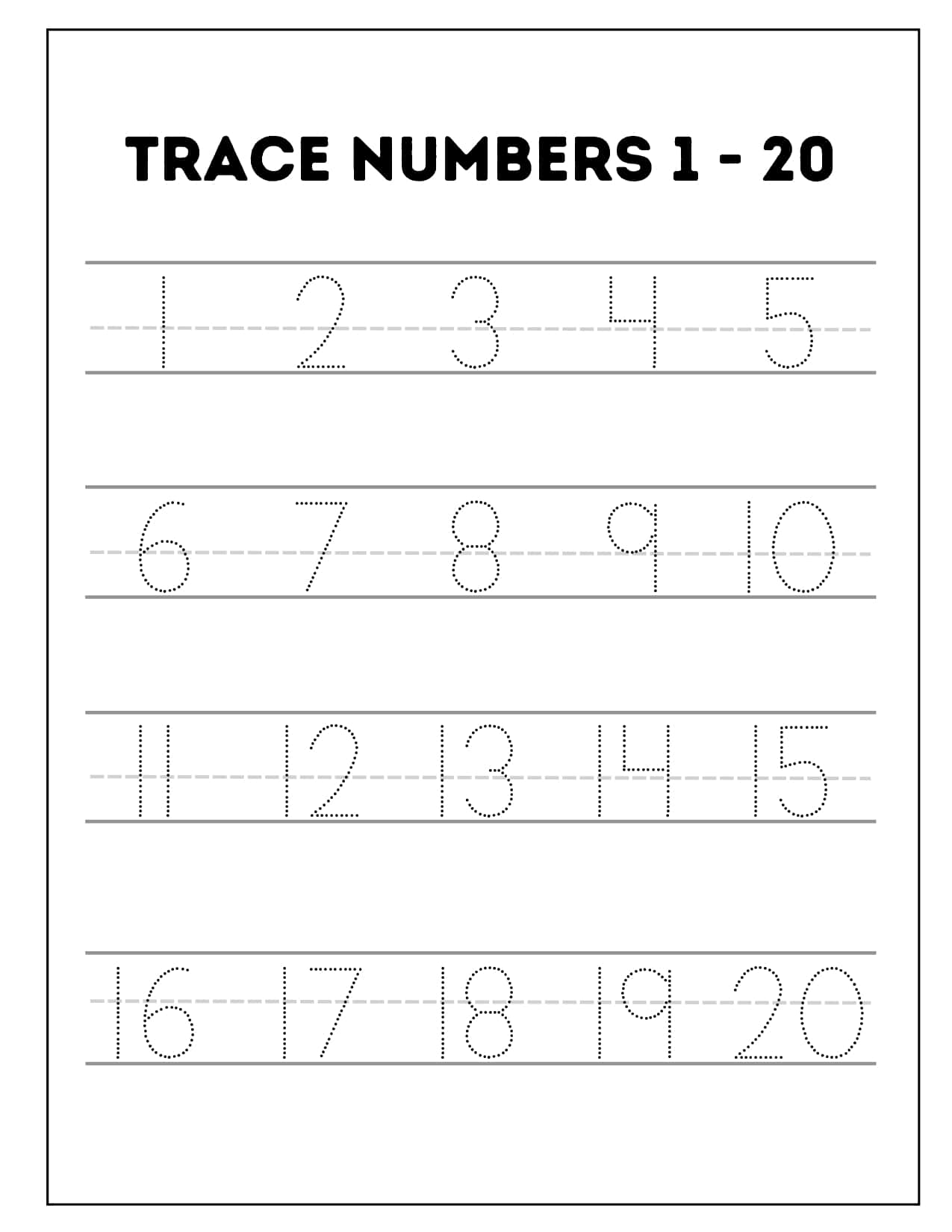
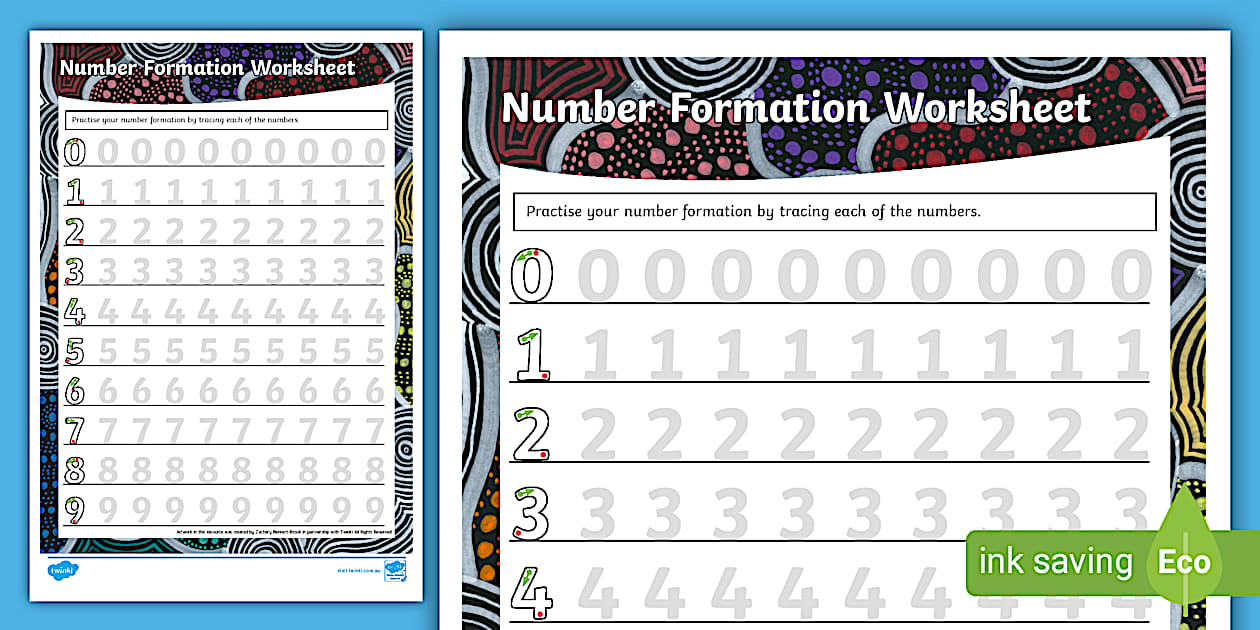
Introducing this material works best in a low-pressure, playful environment where discovery takes precedence over perfection. Caregivers can encourage the child to close their eyes while tracing the numeral, heightening the tactile sensation and encouraging the brain to visualize the shape independently. Following the tactile phase, transition the child toward traditional tools found within the broader Tracing Number section to bridge the gap between sensory play and pencil control. Repeat the tracing sequence multiple times to solidify the muscle memory loop from fingertip to cerebral cortex.
Practical Tips for Parents and Teachers
Adult scaffolding makes a profound difference during early fine motor practice. Model the correct starting point and directional stroke first, using descriptive verbal cues like sliding down the slope or making a round belly. For children who struggle with finger isolation, gently guide the index finger while keeping the remaining fingers relaxed against the palm to encourage an efficient motor pattern. Extend the activity by having the child trace numerals in a shallow tray filled with salt, sand, or shaving cream before returning to the paper worksheet. Avoid rushing the process; physical neural pathways form gradually through consistent, joyful repetition rather than prolonged drill sessions.
Age-Appropriate Recommendations
For toddlers and preschoolers ages two through four, this activity serves as a pure sensory and pre-writing exploration aligned with the National Association for the Education of Young Children Developmentally Appropriate Practice guidelines. At this stage, focus entirely on tactile engagement, correct finger placement, and playful guessing rather than rigid stroke perfection. Children in kindergarten and early elementary grades, ages five through eight, can use the exercise to correct ingrained motor errors, reverse digit formations, or build fluency in math stations. Educators often pair these kinesthetic sheets with resources from the Fine Motor and Pre-Writing Skills collection to ensure comprehensive hand strength development alongside numeral mastery.
Multi-sensory instruction integrating touch, movement, and visual cues enhances neural pathway development for early symbol formation. — American Occupational Therapy Association
Frequently Asked Questions
Answers to common questions regarding this printable resource and its developmental benefits appear below.
Explore More Free Printable Tracing Worksheets
Supporting a child’s journey toward independent writing requires a diverse toolkit of engaging, developmentally sound materials. Educators and families can discover an extensive selection of targeted activities by browsing the complete library at KidTraces.com. Whether focusing on foundational curves or complex spatial layouts, additional inspiration is always available within the Tracing Worksheets directory to keep young learners motivated and growing.
Quick Wiring Specifications & Terminal Guide
| Component / Circuit | Standard Wire Gauge | Recommended Protection |
|---|---|---|
| Control & Trigger Signals | 18 – 20 AWG | 5A – 7.5A Inline Fuse |
| Standard Auxiliary Load | 14 – 16 AWG | 15A – 20A Circuit Breaker |
| Main Power Feed / Supply | 10 – 12 AWG | 30A – 40A Heavy-Duty Relay |
Images References