Introduction
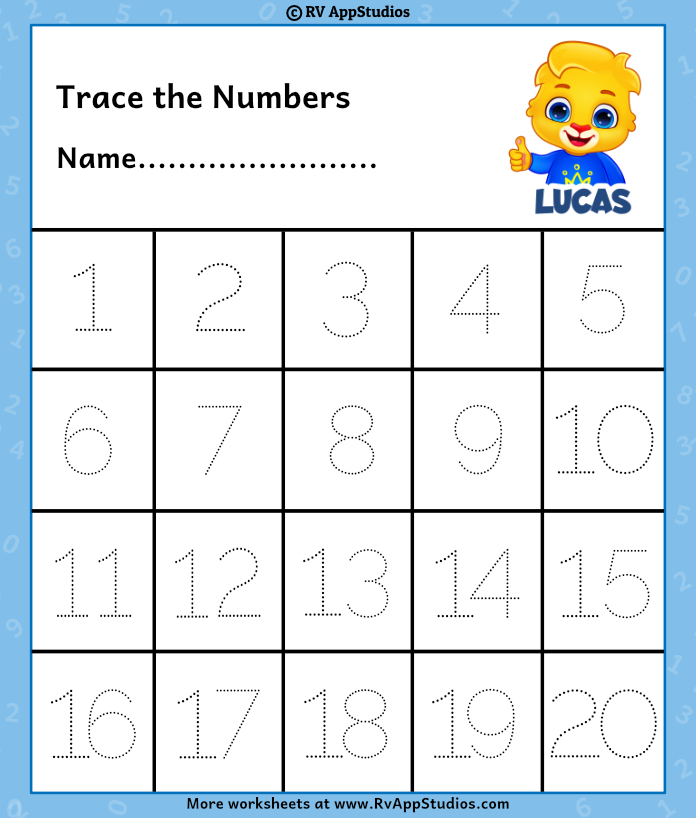
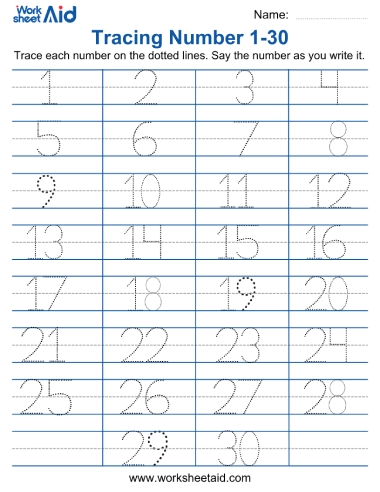
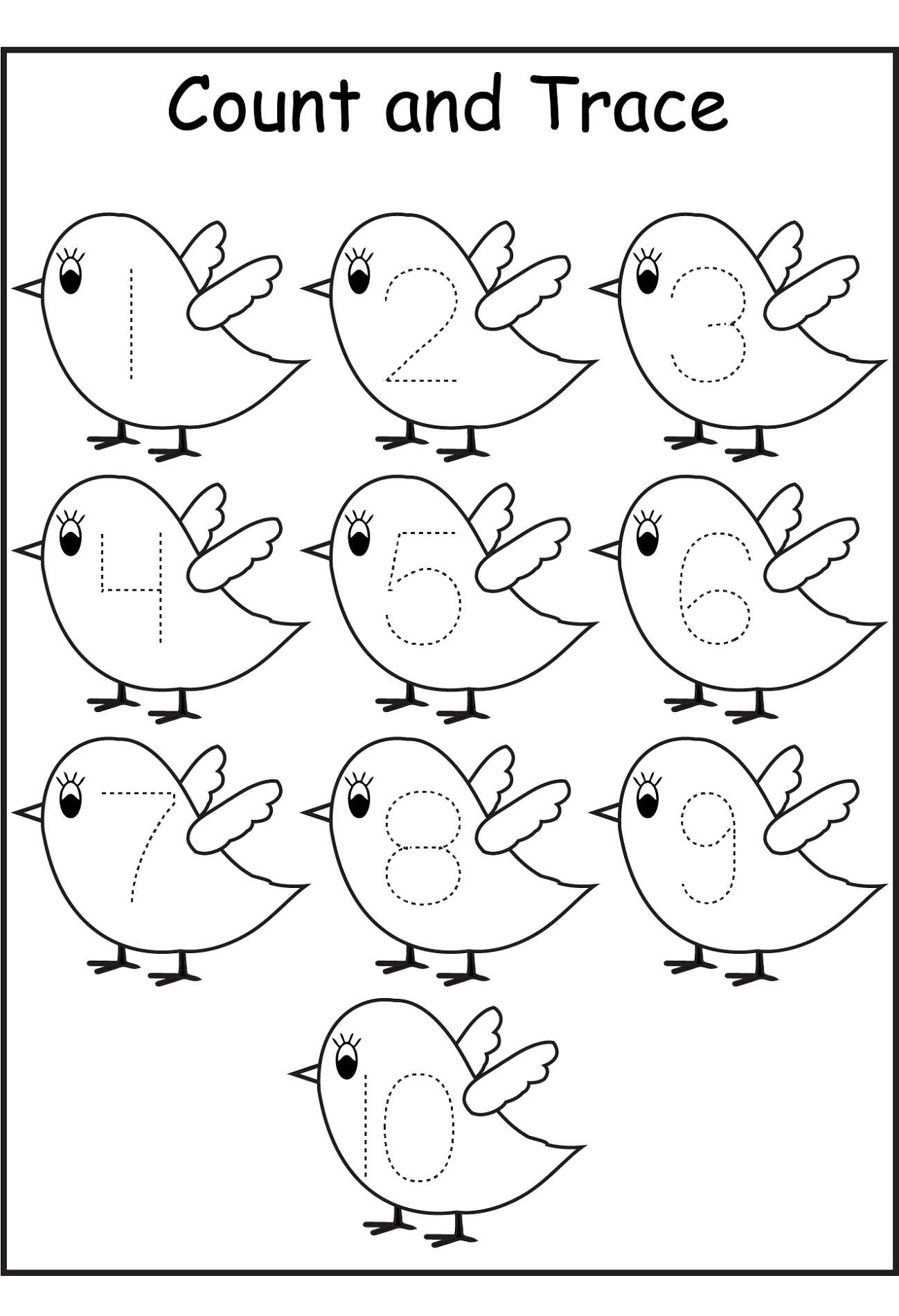
Watch any group of preschoolers hold a crayon, and a fascinating developmental gap quickly emerges. Many children recognize numbers, letters, and shapes long before their intrinsic hand muscles and finger dexterity can reliably control a pencil to form them on paper. According to the American Occupational Therapy Association, foundational fine motor skills—such as proper grasp development, bilateral coordination, and visual-motor integration—must be actively nurtured to support future handwriting fluency. Bridging this gap requires engaging, scaffolded resources that turn repetitive stroke practice into purposeful discovery. Enter the free printable trace by number pictures for kids, a thoughtfully engineered resource designed to build early numeracy, spatial awareness, and pencil control simultaneously. It sounds simple, and that is precisely the point. By combining the natural curiosity of dot-to-dot reveals with structured stroke work, these pages transform a standard desk activity into a rewarding visual puzzle.
💡 Technical Key Takeaways:
- Core Focus: Diagnostic schematic and terminal connection layout for Trace By Number Pictures For Kids.
- Target Scope: Field technicians, automotive DIYers, and residential/commercial electricians.
- Safety Rule: Always disconnect the primary power source/battery terminal and verify zero voltage with a multimeter before touching wires.
What This Worksheet Covers
Sequential connect-the-dots tasks rooted in numerical order form the core mechanics of these engaging printables. Each page presents a hidden picture waiting to emerge, anchored by dots labeled with consecutive numbers that guide the hand from one coordinate to the next. Young learners navigate diagonal lines, subtle curves, and sharp angles while keeping their pencils anchored to the paper. Unlike static tracing sheets that focus solely on isolated digits, these activity sheets require continuous visual tracking across the page. Children must scan ahead, locate the next numeral, plan the trajectory of the stroke, and execute the pencil movement with controlled pressure. This dynamic process forces the hand and brain to communicate rapidly, reinforcing both numeral recognition and directional stability. Furthermore, completing the hidden outline offers an immediate reward, motivating children to persist through challenging hand fatigue or intricate line sections.
Key Learning Outcomes
Connecting numbered points systematically advances several foundational academic and motor domains. First, numerical sequencing becomes second nature as children count aloud from one point to the next, cementing forward number word lists and recognition of digit symbols. Second, visual-motor integration improves significantly as the eyes guide the hand to land precisely on each tiny dot without overshooting or wandering off course. Third, sustained attention and impulse control flourish because completing the picture depends entirely on methodical, step-by-step progression rather than rushed, haphazard scribbling. Finally, fine motor endurance builds organically; the steady grip and minute finger adjustments required to navigate close-knit numerical arrays strengthen the intrinsic muscles of the hand. According to the National Association for the Education of Young Children, play-based and intentional hands-on motor tasks are essential for developing the physical stamina required for lifelong writing success.
How to Use This Worksheet
Successful implementation relies heavily on setting up the physical environment and managing expectations before the pencil touches the paper. Begin by selecting a child-sized chair and table that allow the feet to rest flat on the floor, establishing a stable core posture that frees the shoulders and arms for fluid movement. Position the paper at a slight upward slant matching the natural arc of the child’s forearm, which reduces wrist strain and maintains clear visibility of the numbered dots. Encourage an efficient three-point or modified tripod grasp where the thumb, index, and middle fingers share the load, allowing the fingers—rather than the entire wrist or elbow—to drive the pencil strokes. If hand fatigue sets in halfway through a complex picture, pause the session, stretch the fingers wide, and return to the task later. Scaffold the experience by sitting beside the learner, pointing out the starting numeral one, and gently tracking the sequence together before letting independent exploration take over.
Practical Tips for Parents and Teachers
Maximizing the developmental benefits of these printables requires a delicate balance of gentle guidance and patient observation. Model the expected behavior first by tracing the initial three to five dots with a finger or a colorful marker while verbalizing the counting process aloud. For children struggling with spatial tracking, use a highlighing marker to pre-trace the path lightly, creating a clear visual highway from one number to the next. Avoid taking over the pencil or forcing physical corrections when a grasp breaks down; instead, offer verbal cues like “pinch and flip” or provide a smaller writing tool, such as a broken golf pencil or crayon chunk, which naturally forces an upright finger posture. Extend the learning beyond the lines by having the child color in the revealed picture, count specific items within the drawing, or write a short descriptive sentence at the bottom of the page using Alphabet And Numbers Tracing foundations to build integrated literacy skills.
Age-Appropriate Recommendations
Tailoring tracing activities to developmental milestones ensures frustration-free learning across early childhood. For toddlers and young preschoolers aged two to four, align practice with the CDC developmental milestones by offering simplified pages featuring ten to fifteen large, widely spaced dots accompanied by thick, bold numerals. At this stage, focus entirely on gross hand movements, identifying numbers, and keeping the crayon on the page rather than demanding precise point-to-point accuracy. Children aged five to eight, operating within the framework of Kindergarten and First Grade Common Core standards such as CCSS.MATH.CONTENT.K.CC.A.1 for counting to 100 by ones, benefit immensely from dense pictures containing thirty to fifty points. These older learners refine pencil pressure regulation, spatial planning, and visual closure, preparing them seamlessly for advanced Shape and Line Tracing as well as intricate Dotted Letters For Tracing exercises found throughout the broader developmental curriculum.
Foundational fine motor control and visual-motor integration heavily predict later academic achievement in handwriting and spatial reasoning during the early elementary school years. — American Occupational Therapy Association
Frequently Asked Questions
Explore More Free Printable Tracing Worksheets
Supporting a child’s journey toward confident writing and numeral mastery requires access to a diverse library of skill-building resources. Beyond numerical connect-the-dots, young learners thrive when given opportunities to practice steady pencil control through Fine Motor and Pre-Writing Skills exercises and engaging Seasonal and Fun Themes that keep motivation high throughout the changing school year. Caregivers looking to expand daily practice routines can discover a wide variety of structured exercises, including specialized Word and Name Tracing pages, by exploring the complete collection housed at KidTraces.com.
Quick Wiring Specifications & Terminal Guide
| Component / Circuit | Standard Wire Gauge | Recommended Protection |
|---|---|---|
| Control & Trigger Signals | 18 – 20 AWG | 5A – 7.5A Inline Fuse |
| Standard Auxiliary Load | 14 – 16 AWG | 15A – 20A Circuit Breaker |
| Main Power Feed / Supply | 10 – 12 AWG | 30A – 40A Heavy-Duty Relay |
Images References