Introduction
According to the American Occupational Therapy Association, foundational fine motor control is heavily tied to the development of early academic readiness. Many adults are surprised to discover that children often recognize numbers and letters long before their little hands possess the intrinsic muscle strength and dexterity required to form them on paper. This developmental gap between cognitive awareness and physical capability requires careful bridging. The question of whether do 3 year ilds rypicall trace numbers highlights a common curiosity regarding age-appropriate expectations for early math and writing skills. Exploring this topic helps caregivers align expectations with physical development, ensuring that early encounters with numbers feel playful rather than frustrating. Specialized learning tools offer a gentle entry point for numeral formation, stroke order awareness, and pencil control. Grounded in developmentally appropriate practice, these resources transform abstract mathematical symbols into tactile, manageable visual pathways for young learners.
💡 Technical Key Takeaways:
- Core Focus: Diagnostic schematic and terminal connection layout for Do 3 Year Ilds Rypicall Trace Numbers.
- Target Scope: Field technicians, automotive DIYers, and residential/commercial electricians.
- Safety Rule: Always disconnect the primary power source/battery terminal and verify zero voltage with a multimeter before touching wires.
What This Worksheet Covers
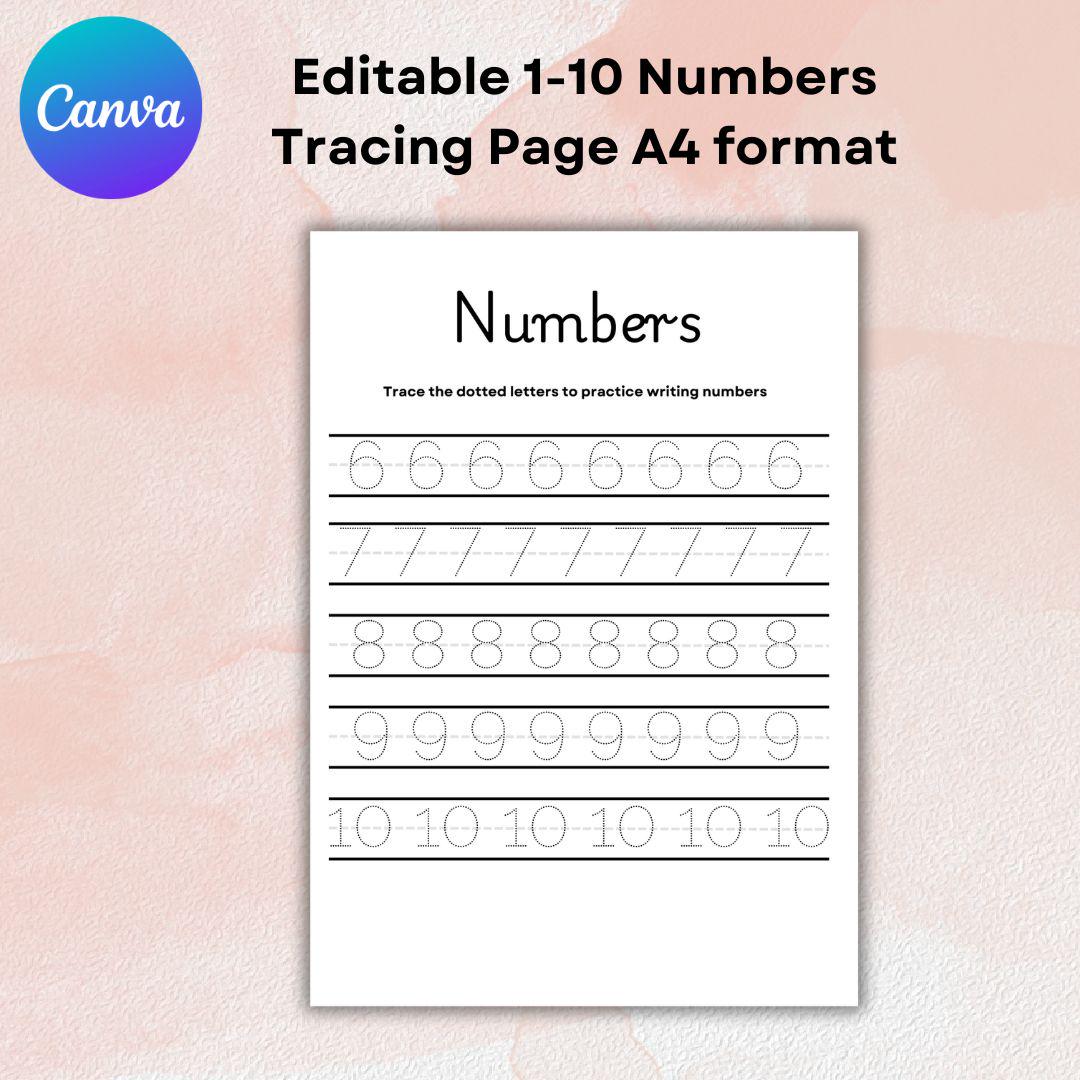
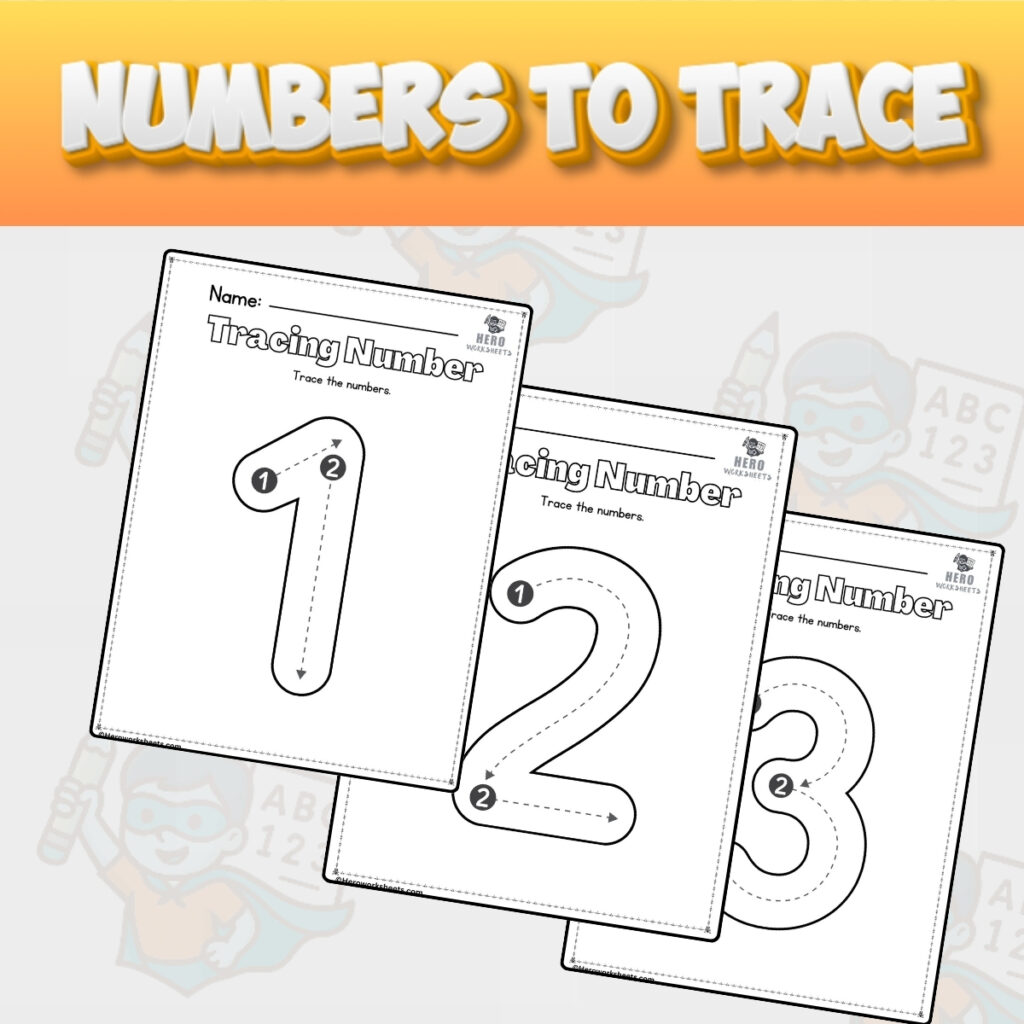
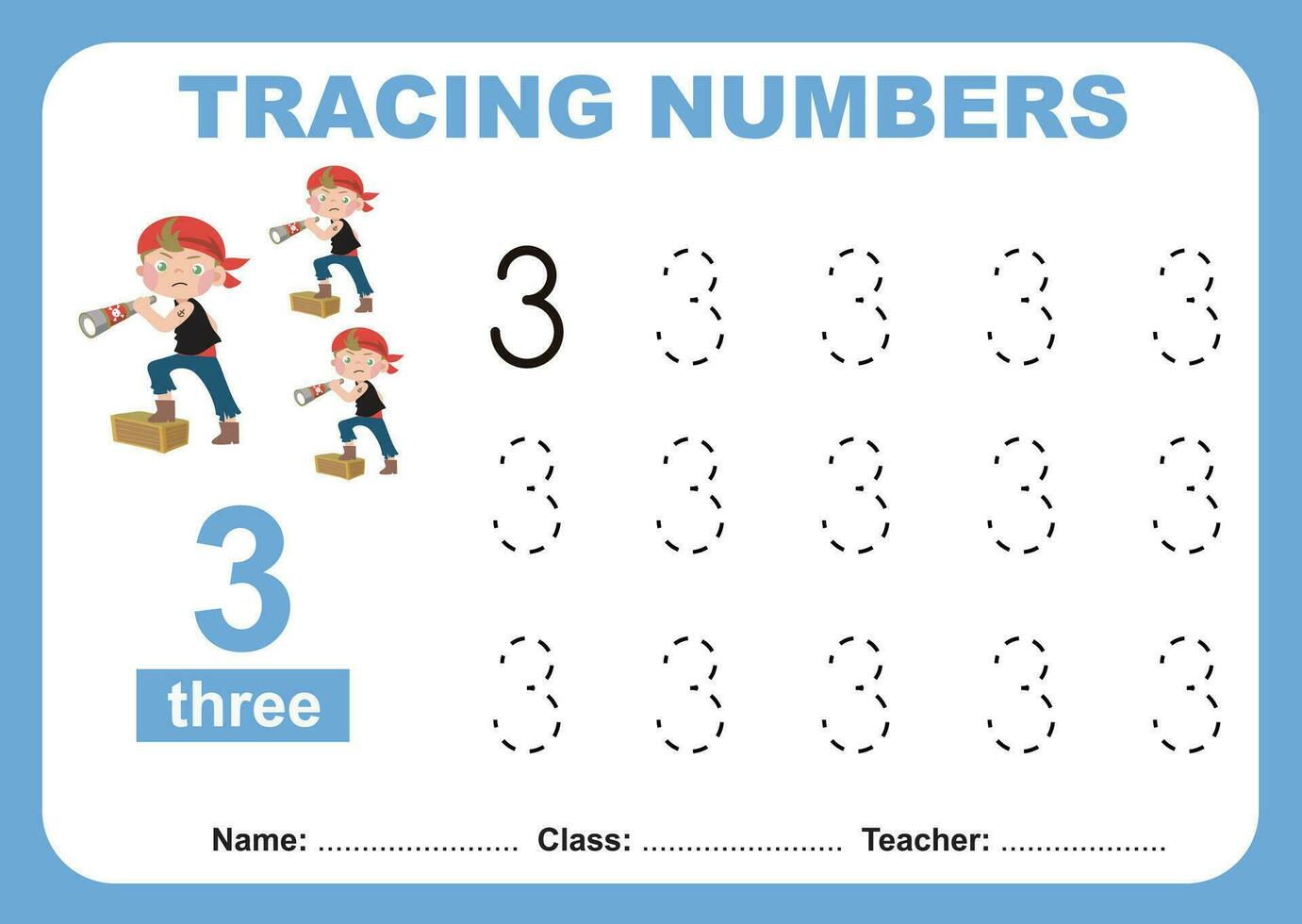
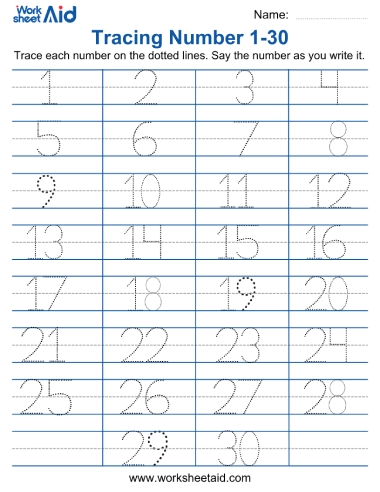
This targeted tracing resource focuses specifically on numerical symbols, introducing digits zero through nine through structured visual guides. Every number incorporates clear starting points and directional arrows to teach correct stroke sequences from the very beginning. Hand movement begins with large, sweeping formations before refining down to standard handwriting scales. Beyond mere tracing lines, the layout invites children to count, visualize quantity, and connect symbols to real-world amounts. It sounds simple, and that’s the point. Stripping away visual clutter allows the emerging writer to focus entirely on maintaining pencil contact and controlling hand pressure. Such structured practice builds the motor memory needed for future academic success, making resources found within Tracing Number invaluable for early childhood toolkits. Mastery over these foundational strokes paves the way for advanced mathematical writing and overall literacy confidence.
Key Learning Outcomes
Children engaging consistently with these materials develop several crucial physical and cognitive competencies. Directionality improves as little hands learn to move consistently from top to bottom and left to right. Spatial awareness deepens when kids practice containing their pencil lines within designated boundaries. Hand-eye coordination sharpens dramatically as visual inputs guide physical motor output across the page. Furthermore, according to the National Association for the Education of Young Children, active manipulation of writing implements strengthens the intrinsic muscles of the hand. This physical conditioning directly supports the enduring stamina required for longer writing tasks later in formal schooling. When numerical symbols become familiar through repeated tactile tracing, number recognition and early counting concepts solidify simultaneously.
How to Use This Worksheet
Successful implementation relies on keeping the experience short, engaging, and entirely pressure-free. Begin by slipping the printable sheet inside a heavy-duty plastic dry-erase sleeve, which allows children to practice the same digit multiple times without paper tearing or ink permanence anxiety. Adults can demonstrate the proper stroke sequence first in the air or on a textured surface before touching the actual page. Observing how a child grasps the writing tool matters immensely during these formative sessions. If a fist grasp persists, offering broken crayons or short pencils naturally encourages a more mature three-finger grip by restricting excessive finger movement. Exploring diverse collections such as Fine Motor and Pre-Writing Skills alongside numeral practice adds beneficial variety to daily routines.
Practical Tips for Parents and Teachers
Scaffolding instruction effectively means meeting the child precisely where their current motor abilities lie. Physical hand-over-hand assistance should fade quickly into gentle verbal prompts or directional air-tracing cues. Incorporating sensory elements, such as having the child trace the large numerals in a shallow tray of sand or salt prior to using a pencil, engages multiple sensory pathways simultaneously. Keeping sessions brief—around five to ten minutes maximum—prevents hand fatigue and preserves a positive emotional connection to learning. Celebrating small victories, like successfully starting a number at the designated top dot, reinforces confidence and sustained effort. Integrating broader options from Alphabet And Numbers Tracing further enriches the learning environment without overwhelming the young participant.
Age-Appropriate Expectations
Developmental timelines vary widely across early childhood, particularly when balancing fine motor readiness with cognitive understanding. According to the foundational guidelines outlined in the CDC developmental milestones, typical three-year-olds are generally just beginning to imitate vertical and horizontal lines rather than mastering precise numerical symbols. Expecting a younger toddler to accurately trace complex curves like the digit three or eight represents an unrealistic physical demand. Instead, younger children benefit most from vertical surface work, painting, and large pre-writing strokes that build shoulder and core stability. As children transition into preschool and kindergarten frameworks, their ability to execute precise tracing aligns much more naturally with structured numeral practice. Honoring this natural progression prevents unnecessary frustration and ensures a joyful introduction to foundational academic skills.
Foundational fine motor control and bilateral coordination are essential predictors of later academic success in both handwriting and mathematics. — American Occupational Therapy Association
Frequently Asked Questions
Clear guidance on implementing early writing tools helps parents and educators navigate common developmental questions with confidence and ease.
Explore More Free Printable Tracing Worksheets
Supporting a young learner’s journey through early writing and number recognition requires a diverse array of engaging, accessible resources. Families and educators can discover a comprehensive collection of supplementary materials by visiting KidTraces.com to find everything needed for joyful skill-building. Exploring specialized categories such as Tracing Worksheets ensures a continuous supply of fresh, developmentally appropriate challenges tailored to every unique stage of growth.
Quick Wiring Specifications & Terminal Guide
| Component / Circuit | Standard Wire Gauge | Recommended Protection |
|---|---|---|
| Control & Trigger Signals | 18 – 20 AWG | 5A – 7.5A Inline Fuse |
| Standard Auxiliary Load | 14 – 16 AWG | 15A – 20A Circuit Breaker |
| Main Power Feed / Supply | 10 – 12 AWG | 30A – 40A Heavy-Duty Relay |
Images References