Introduction
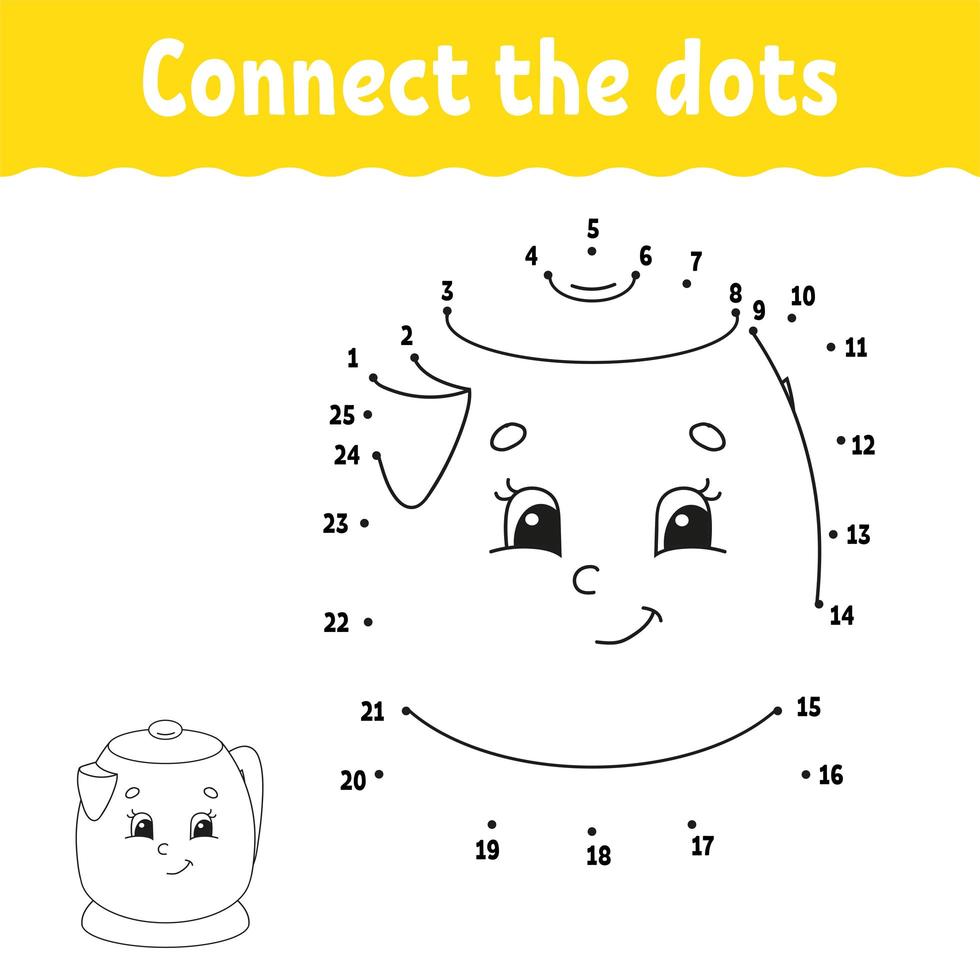
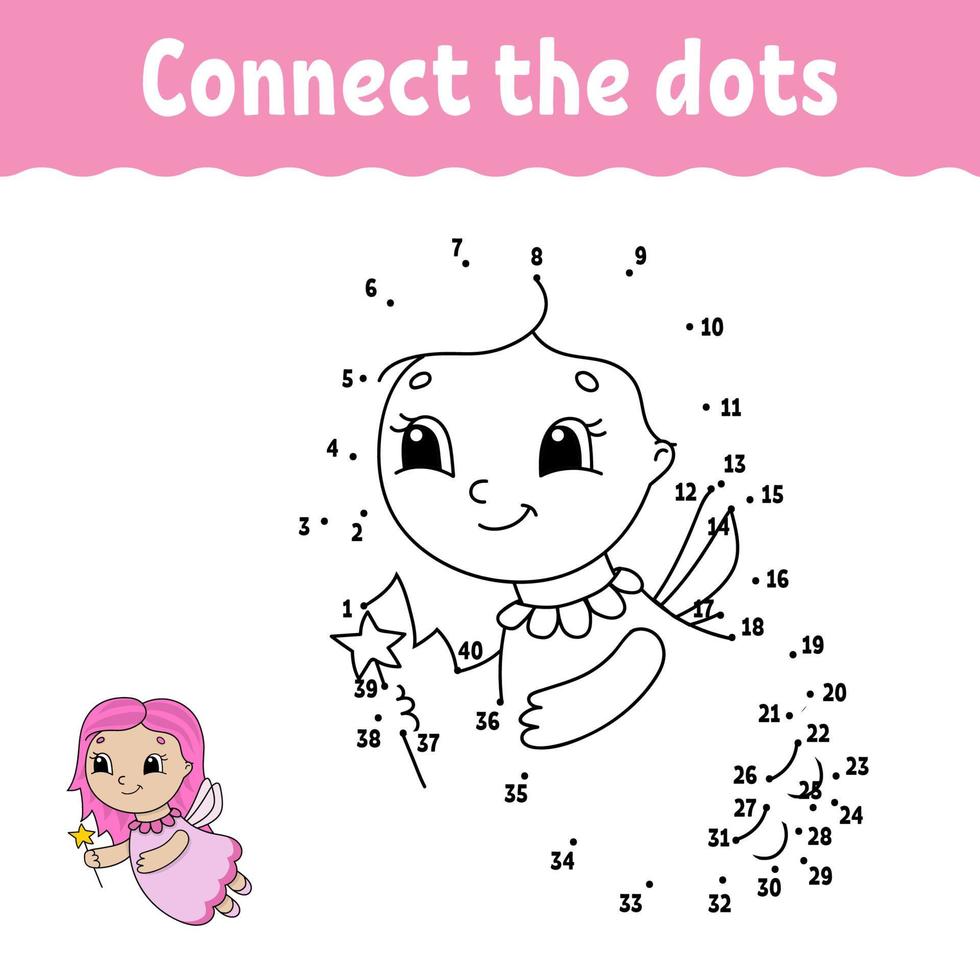
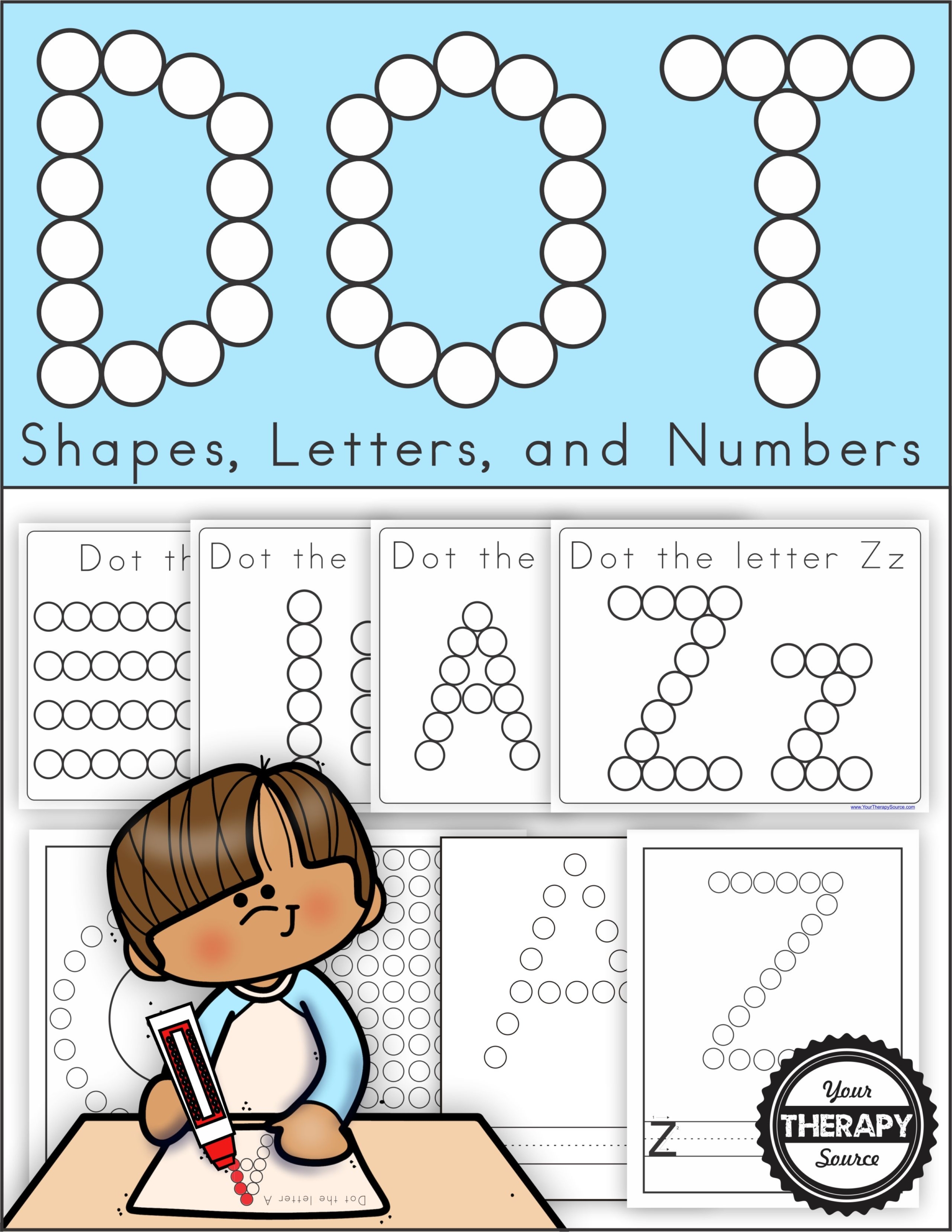
Many children recognize letters, shapes, and numbers long before their fine motor systems possess the strength and dexterity to form them on a blank page. According to the National Association for the Education of Young Children (NAEYC), developmentally appropriate practice requires supporting children through scaffolded pre-writing experiences before expecting independent mastery of formal letter formation. This developmental gap often frustrates eager learners who know what they want to write, but struggle to control the pencil. Bridging that gap takes patience, physical preparation, and targeted tools like the dotted numbers and alphabetsdrawing for kids. These free printables provide a visual and kinesthetic roadmap that gently guides little hands along the correct paths. Children encounter letters and numbers not as intimidating abstract symbols, but as friendly trails waiting to be explored with a crayon or pencil.
💡 Technical Key Takeaways:
- Core Focus: Diagnostic schematic and terminal connection layout for Dotted Numbers And Alphabetsdrawing For Kids.
- Target Scope: Field technicians, automotive DIYers, and residential/commercial electricians.
- Safety Rule: Always disconnect the primary power source/battery terminal and verify zero voltage with a multimeter before touching wires.
What This Worksheet Covers
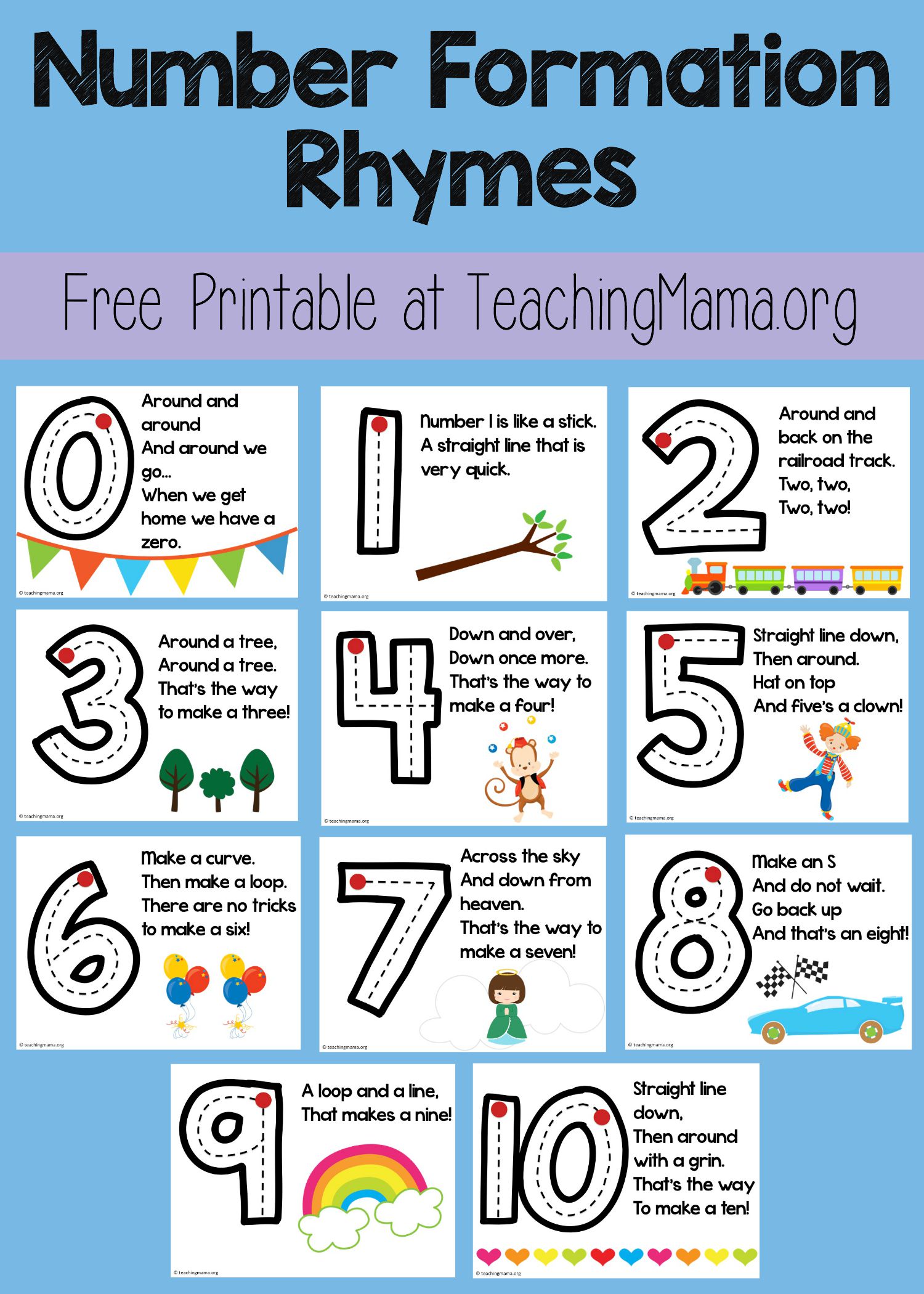
Letter and numeral formation requires strict attention to stroke order, starting points, and consistent directionality. Without proper guidance, children often develop inefficient habits, such as drawing letters from the bottom up or using erratic strokes that slow down writing speed later in school. The dotted numbers and alphabetsdrawing for kids layout addresses these mechanical challenges head-on by mapping out every curve, slant, and vertical drop with clear, sequential dots. As a child moves a writing utensil from one dot to the next, the brain builds crucial visual-motor integration pathways. This repetition transforms clumsy hand movements into fluid muscle memory. Every stroke reinforces the spatial awareness needed to keep symbols properly oriented on a baseline, preventing common reversals and building foundational neatness. For more related activities, check out our Trace By Number Pictures For Kids.
Key Learning Outcomes
Working through these guided pathways fosters immense growth across multiple developmental domains simultaneously. Children develop enhanced pencil control as they learn to grade their hand pressure, pressing softly for light curves and firmly for straight stems. Hand-eye coordination improves rapidly as visual attention locks onto upcoming dots while the hand executes the current stroke. Stroke sequencing becomes intuitive, teaching learners that letters like capital ‘B’ start with a top-to-bottom vertical line before looping outward. Finger dexterity and intrinsic hand strength increase with every completed page, laying the physical groundwork necessary for sustained academic writing tasks. Furthermore, early literacy skills flourish as children repeatedly trace, recognize, and internalize the distinct visual structures of the alphabet and numerical sequence.
How to Use This Worksheet
Success with pre-writing materials depends heavily on setting up the physical environment before the pencil ever touches the paper. A supportive chair with feet flat on the floor and hips at a ninety-degree angle gives the core stability a child needs for fine motor work. It sounds simple, and that is the exact point, yet poor posture remains the single most common hidden barrier to steady hand control. Placing the paper at a slight slant that matches the natural angle of the writing arm reduces wrist fatigue. Adults should encourage a functional grasp, whether that is a standard tripod hold or a comfortable quadrupod grip, while remaining relaxed about minor variations in children under five years of age.
Practical Tips for Parents and Teachers
Adults play a vital coaching role during tracing sessions by modeling correct stroke directions in the air before the child puts pencil to paper. Scaffolding the activity helps prevent overwhelm, meaning an adult might cover half the page with a blank sheet to keep visual clutter to a minimum for younger learners. Tracing over dotted lines with a finger, a cotton swab dipped in paint, or a textured marker adds rich sensory feedback that deepens cognitive retention. Extending the learning comes naturally by asking children to find items in the room that start with the letter they just practiced. Pausing frequently to shake out tired hands keeps the experience positive, ensuring that writing practice feels like an engaging game rather than a tedious chore.
Age-Appropriate Expectations
Toddlers and preschoolers aged two to four typically engage with these materials through large, gross-motor arm movements, exploring vertical lines, horizontal strokes, and simple circles as outlined in standard developmental milestones. At this stage, perfection matters far less than joyful exploration and building basic hand strength through varied tracing activities found within Fine Motor and Pre-Writing Skills collections. By kindergarten and early elementary grades, children transition toward more refined control, mastering precise letter proportions and directional consistency. Educators and parents supporting this older group can integrate systematic practice by visiting the Alphabet And Numbers Tracing section to reinforce classroom handwriting curricula.
According to the American Occupational Therapy Association (AOTA), school-aged children spend up to sixty percent of their school day engaged in fine motor and handwriting activities — AOTA Practice Guidelines
Frequently Asked Questions
Printing and preparing these educational pages requires only standard household equipment. Accessing the full collection involves selecting desired categories, clicking download, and sending the PDF directly to a home or classroom printer for instant use.
Explore More Free Printable Tracing Worksheets
Supporting a young learner through every stage of development requires a diverse toolkit of engaging, skill-building resources. Expanding beyond basic letter formation opens up exciting avenues for growth, from early numeracy practice found in Tracing Number pages to imaginative creativity nurtured by Seasonal and Fun Themes worksheets. Children also benefit immensely from practicing spatial control and pencil fluidity available in Shape and Line Tracing printables. Every child progresses at a unique pace, making it helpful to explore fresh ways to build confidence and coordination. Discover the complete library of teacher-approved printables and find exactly what is needed for daily practice by visiting KidTraces.com today.
Quick Wiring Specifications & Terminal Guide
| Component / Circuit | Standard Wire Gauge | Recommended Protection |
|---|---|---|
| Control & Trigger Signals | 18 – 20 AWG | 5A – 7.5A Inline Fuse |
| Standard Auxiliary Load | 14 – 16 AWG | 15A – 20A Circuit Breaker |
| Main Power Feed / Supply | 10 – 12 AWG | 30A – 40A Heavy-Duty Relay |
Images References