Introduction
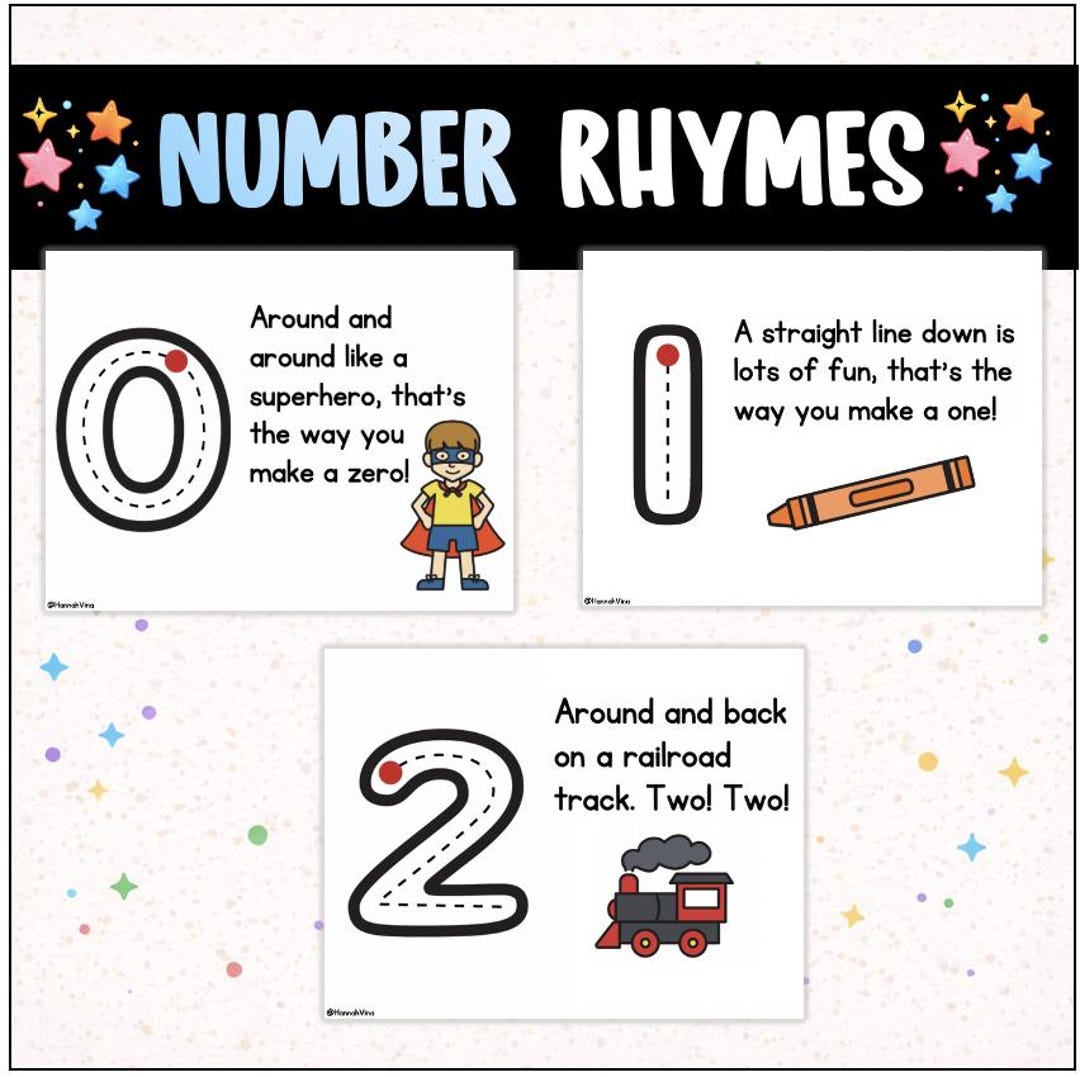
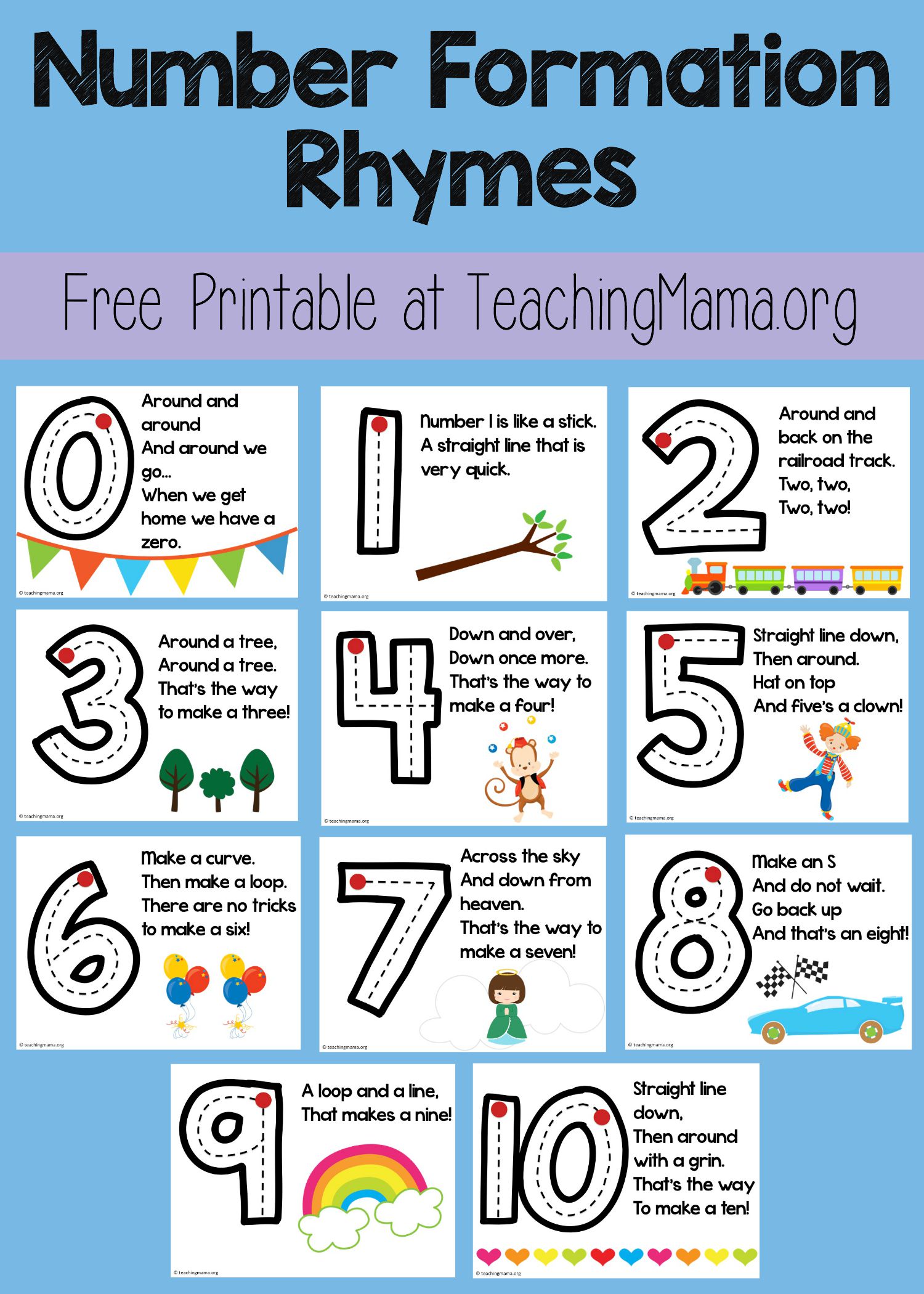
Many children recognize numerals and letters long before their developing fine motor skills and hand muscles can actually form them on paper. This common developmental gap often leads to frustration during early writing instruction if adults rush straight to blank pages. According to the National Association for the Education of Young Children, young children learn best through active engagement that combines physical movement, rhythm, and visual cues. Integrating auditory and kinesthetic pathways bridges that gap beautifully. The free printable number tracing rhyme transforms abstract pencil strokes into memorable stories and rhythmic beats. Exploring resources within the Tracing Number section reveals how rhyme and rhythm anchor proper stroke formation in the developing brain. It sounds simple, and that is precisely the point.
💡 Educational Key Takeaways:
- Core Skill: Structured Number Tracing Rhyme focused on developing pencil grip, stroke control, and early literacy/math confidence.
- Target Scope: Suited for homeschoolers, preschool, kindergarten, and elementary learners.
- Best Recommendation: Practice 10–15 minutes daily with ergonomic writing tools to reinforce muscle memory without hand fatigue.
What This Worksheet Covers
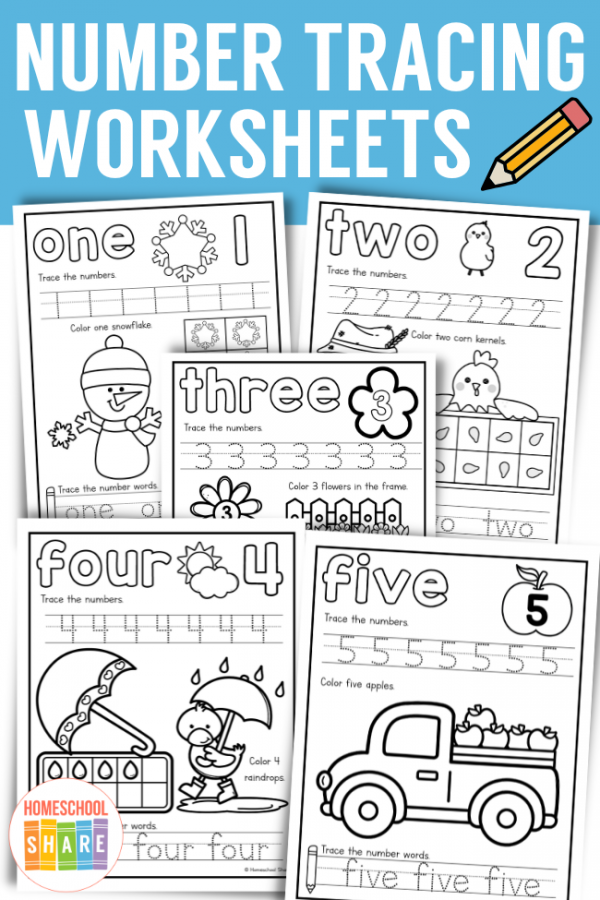
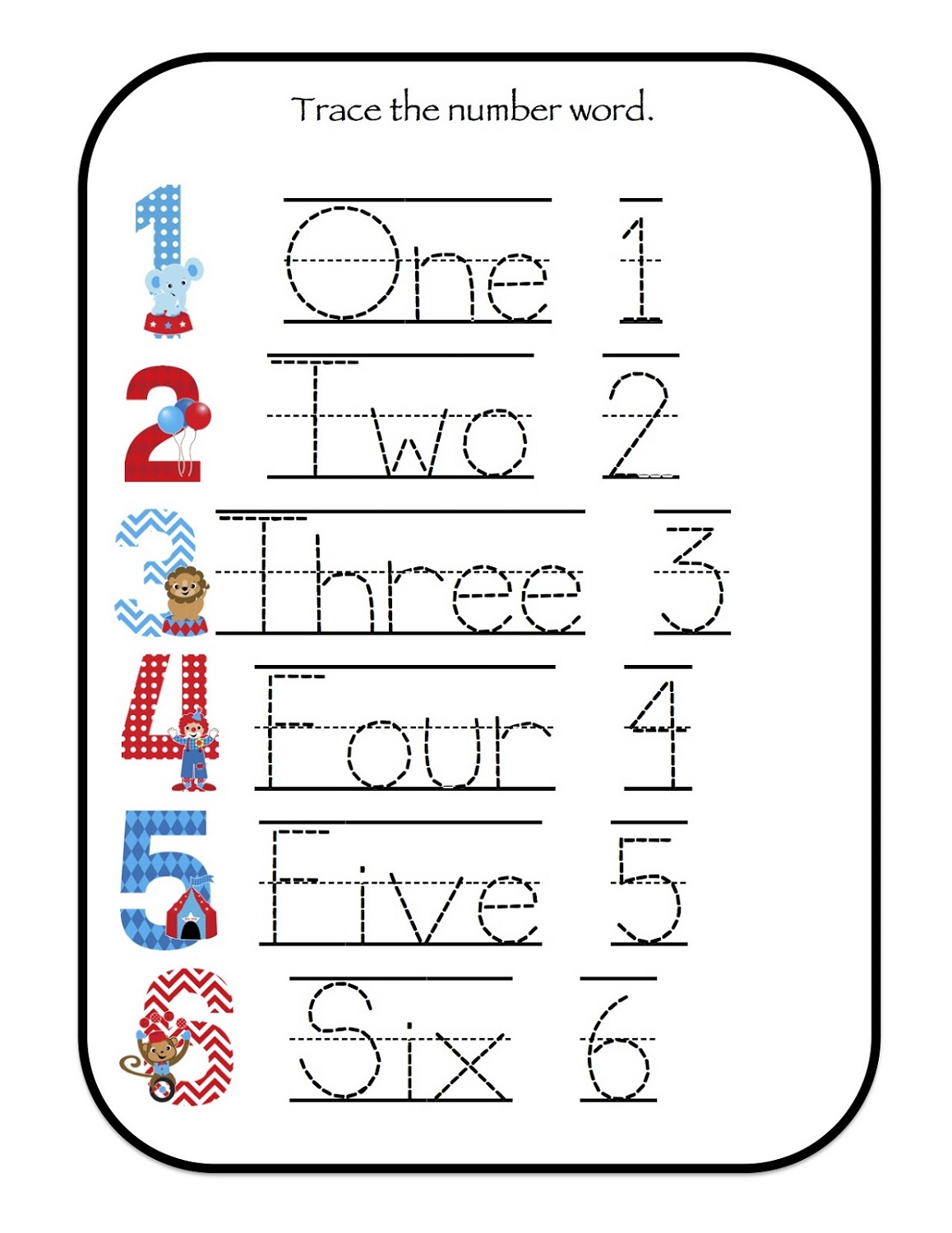
Number formation requires precise control, spatial awareness, and consistent stroke directionality from start to finish. When children trace numerals without guidance, bad habits like starting at the bottom or drawing lines upward frequently take root. This printout provides structured dotted guides paired with engaging verbal cues that describe the exact pencil path. Each numeral comes alive through directional language, turning a static digit into an intentional movement sequence. Hand strength and visual-motor integration improve simultaneously as pencils follow the designated tracks. Exploring parallel resources like Dotted Letters For Tracing provides additional opportunities for children to refine these exact pencil control mechanics across different symbols.
Key Learning Outcomes
Targeted skill mastery emerges naturally through rhythmic repetition and structured visual supports. Children internalize correct stroke order for every numeral from zero through nine, preventing reverse formations later on. Fine motor precision develops as little fingers coordinate finger, wrist, and arm movements to stay on the dotted lines. Cross-modal integration occurs when auditory rhyming cues seamlessly match physical hand motion on the page. Spatial orientation and number recognition solidify simultaneously, building essential foundations for future mathematical fluency. These combined outcomes support overall school readiness, aligning with developmental milestones outlined across the broader General Kidtraces collection.
How to Use This Worksheet
Success with early writing tools relies heavily on scaffolding the activity to match the child’s current stamina. Adults should first demonstrate the tracing motion in the air while reciting the matching rhyme aloud. Children then trace a sample using a finger before ever picking up a writing utensil, engaging gross motor memory first. Once pencil to paper begins, keeping sessions short prevents hand fatigue and maintains high engagement. Working through targeted collections like Fine Motor and Pre-Writing Skills helps build the underlying hand strength necessary for extended writing tasks.
Practical Tips for Parents and Teachers
Observing pencil grip closely helps adults determine whether a child is using a functional grasp or compensating for weak hand muscles. Supporting a tripod or modified quadrupod grip without forcing rigid compliance keeps the experience positive and pressure-free. Reading the rhyme out loud in a musical, engaging voice while the child writes provides an essential auditory anchor. According to the American Occupational Therapy Association, multisensory strategies significantly improve motor learning outcomes in early childhood classrooms. Scaffolding the activity by fading adult assistance gradually encourages independent stroke execution over time. Diversifying practice materials by visiting Shape and Line Tracing ensures continuous pencil control growth.
Age-Appropriate Recommendations
Children between ages two and four benefit most from sensory exploration, using thicker crayons or fingers dipped in paint to follow large-format rhymes. At this stage, according to the CDC milestones, toddlers are refining coordination and learning to imitate vertical and horizontal strokes. Children ages five to eight transition smoothly toward standard pencils, focusing on fine motor precision, correct sizing, and internalized stroke sequences. Meeting developmental expectations outlined in the Common Core ELA standards (such as K.CC.A.3 for writing numbers from 0 to 20) becomes much easier when foundational motor pathways are secure. Utilizing themed pages found in Seasonal and Fun Themes maintains high motivation across diverse age groups.
Multisensory approaches combining auditory rhythm, visual cues, and kinesthetic movement significantly enhance motor skill retention in early childhood learners. — American Occupational Therapy Association
Frequently Asked Questions
Finding clear answers regarding early handwriting development helps adults guide children with confidence and intentionality.
Explore More Free Printable Tracing Worksheets
Building a robust foundation for early literacy and writing requires access to diverse, engaging, and developmentally appropriate printables. The growing collection of resources provides endless opportunities for children to practice pencil control, letter formation, and spatial awareness in low-stress environments. Every parent, educator, and caregiver can easily find targeted tools tailored to specific developmental stages by exploring the complete library available at KidTraces.com. Pair these number rhymes with alphabet pages found in Alphabet And Numbers Tracing or expand vocabulary practice using Word and Name Tracing to create a comprehensive, well-rounded early writing curriculum.
Developmental Milestone & Activity Table
| Development Stage | Recommended Daily Duration | Primary Learning Objective |
|---|---|---|
| Preschool & Pre-K | 10 – 15 Minutes | Pencil grip development & basic pre-stroke lines |
| Kindergarten | 15 – 20 Minutes | Letter/number formation & spatial line awareness |
| Early Elementary (Grade 1–2) | 20 – 30 Minutes | Fluency, sentence construction & neatness |
Images References