Introduction
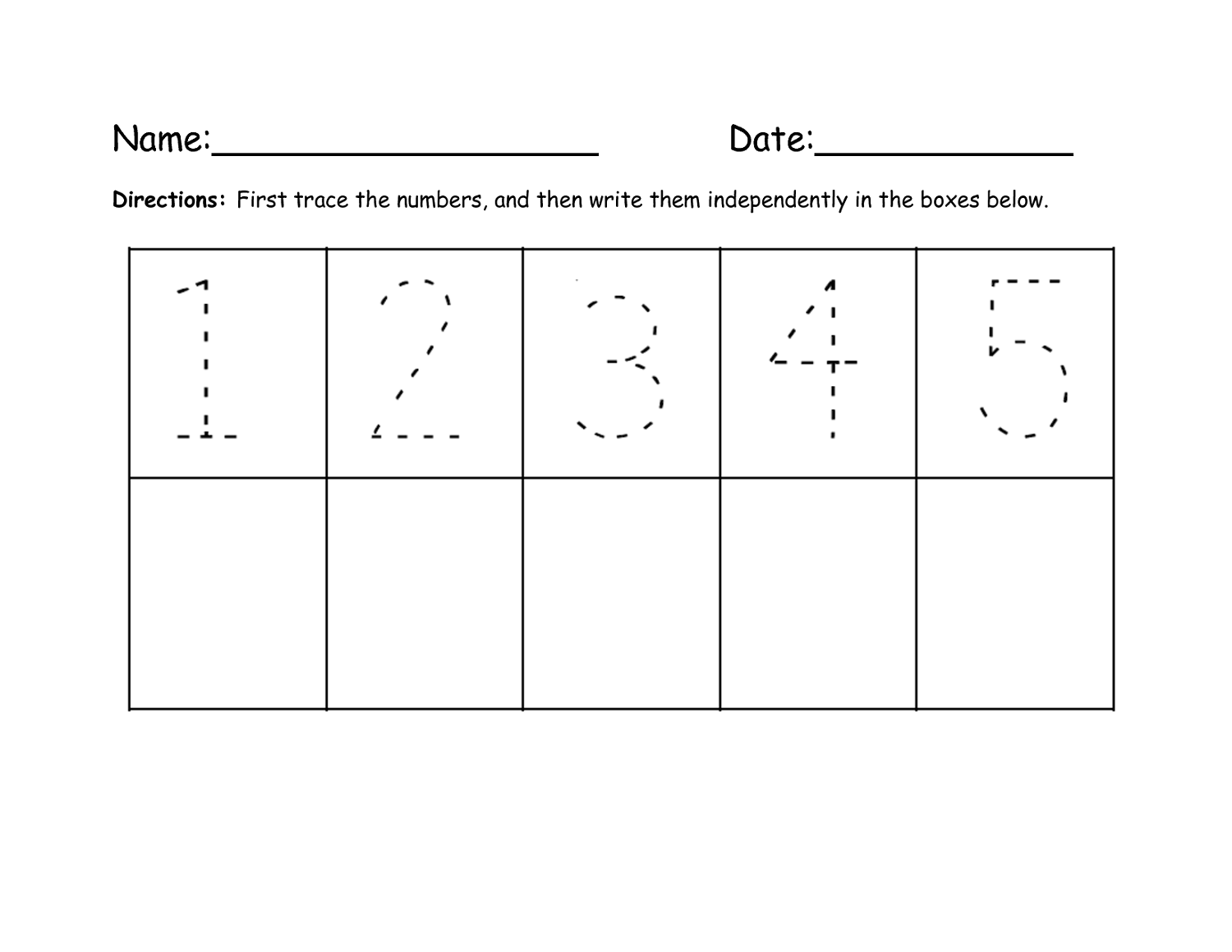
Young children often recognize numbers and letters long before their little hands possess the stability required to form them on paper. According to the American Occupational Therapy Association, foundational fine motor control and tactile processing are essential precursors to functional handwriting and academic success. Many adults notice a sudden eagerness in toddlers who point to digits on signs, yet struggle immensely when handed a standard pencil. Bridging this wide gap between cognitive awareness and physical capability demands gentle, structured repetition. Entering the early learning space, the free printable number 1 to 5 tracing resource offers a targeted pathway for developing early numeracy alongside crucial pencil control. It sounds simple, and that’s the point. By narrowing the visual and motor field to just five initial numerals, learners avoid overwhelm while building fundamental hand strength, precise stroke order, and spatial awareness.
💡 Educational Key Takeaways:
- Core Skill: Structured Number 1 To 5 Tracing focused on developing pencil grip, stroke control, and early literacy/math confidence.
- Target Scope: Suited for homeschoolers, preschool, kindergarten, and elementary learners.
- Best Recommendation: Practice 10–15 minutes daily with ergonomic writing tools to reinforce muscle memory without hand fatigue.
What This Worksheet Covers
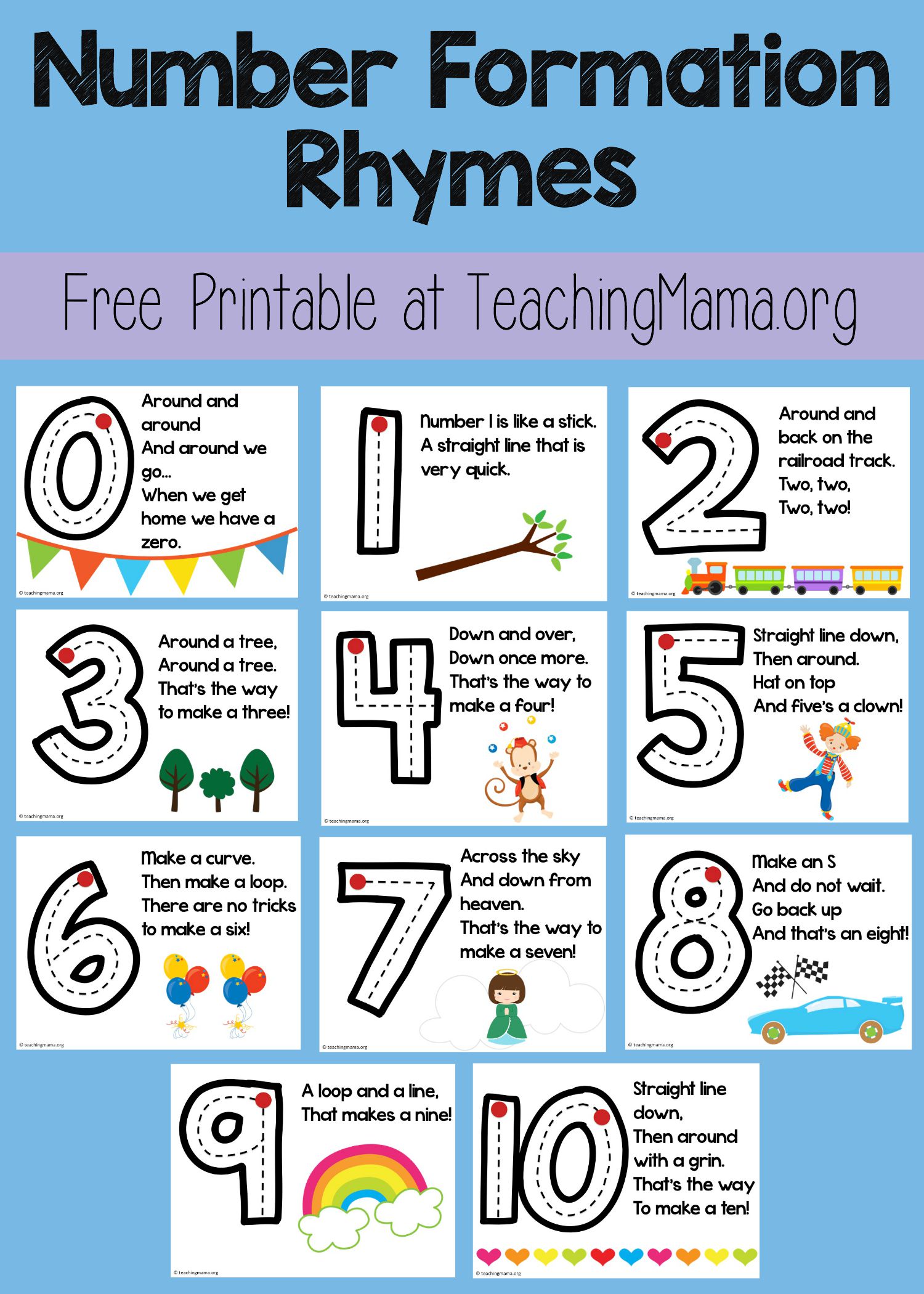
Targeting the foundational digits from one through five, this printout addresses the exact mechanics of numeral formation. Children encounter bold, directional arrows and distinct starting points that demystify how a pencil should travel across the page. Every numeral is presented at an accessible scale, featuring clear dotted lines that guide the hand from initial contact to the completion of the stroke. Rather than demanding complex diagonal shifts or looped formations found later in the alphabet, numbers one through five rely on straightforward vertical lines, gentle curves, and sharp horizontal endings. Exploring these foundational shapes lays the groundwork for broader mathematical confidence and advanced writing mechanics. Practitioners seeking related foundational materials frequently utilize resources focused on Tracing Number to build consistent daily habits. Furthermore, mastering these early digits sets the stage for success in broader academic environments, echoing the developmental progressions highlighted in comprehensive early literacy guides.
Key Learning Outcomes
Working consistently through these early numerals yields multiple interconnected benefits for young learners. Children develop superior fine motor precision through the deliberate control required to keep pencil tips resting on dotted paths. Hand-eye coordination improves dramatically as eyes track ahead of the writing utensil, anticipating curves and stopping points. Visual-spatial awareness strengthens as learners understand how individual numerals occupy designated boxes or lines on the page. Familiarity with proper stroke order ensures that children avoid picking up detrimental muscle habits that slow down writing speed later in childhood. Additionally, connecting the abstract symbol of a numeral with its physical formation solidifies early mathematical memory, supporting concepts explored further within broader collections of Tracing Worksheets.
How to Use This Worksheet
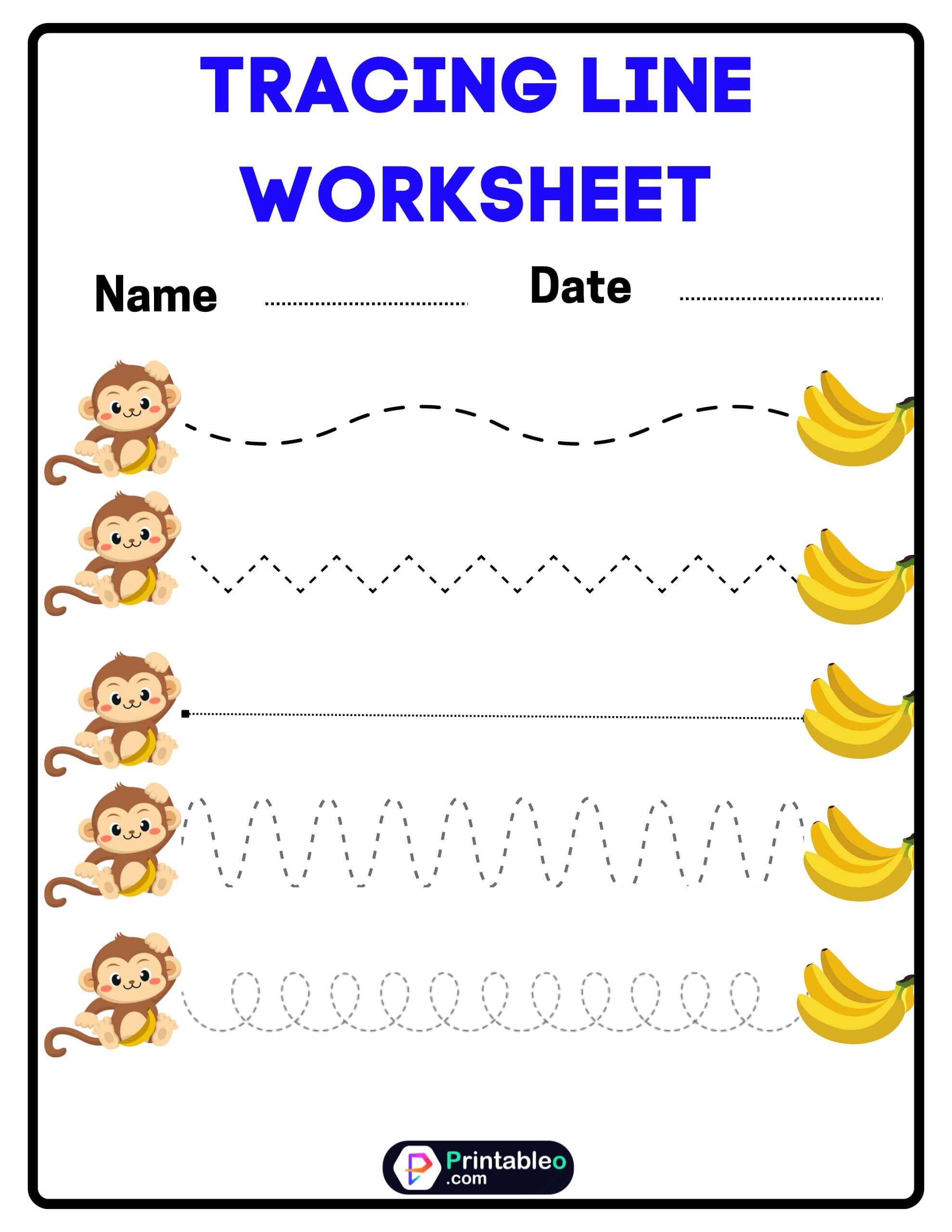
Facilitating successful tracing sessions requires a balance of environmental preparation and mindful observation. Introducing the sheet on a flat, stable surface helps maintain proper posture, with feet flat on the floor and elbows resting comfortably at a ninety-degree angle. Adults should encourage a functional grasp, such as a modified tripod or quadrupod grip, while remaining patient with hands that tire quickly. Children benefit greatly when an adult demonstrates the stroke in real-time, narrating the direction aloud, such as sliding down the straight line of the numeral one. Tracing with a finger or a slightly damp cotton swab prior to using a pencil provides helpful sensory feedback for tactile learners. When learners demonstrate mastery over these early digits, expanding into related skill sets through Fine Motor and Pre-Writing Skills helps sustain engagement without causing undue hand fatigue.
Practical Tips for Parents and Teachers
Scaffolding the experience properly ensures that frustration never overshadows discovery. Short, five-minute sessions yield far better physiological outcomes than prolonged, tiring drills that compromise proper grip. Adults can place the printed sheet inside a clear plastic dry-erase sleeve, allowing children to practice tracing the same numerals repeatedly with vibrant markers. Erasing and trying again removes the permanent pressure of paper, transforming rigorous practice into a playful, low-stakes game. Celebrating small victories, such as maintaining contact with a single dotted curve, reinforces positive neural pathways. Transitioning from thick crayons to standard pencils happens naturally as finger muscles strengthen and endurance grows.
Age-Appropriate Recommendations
For children ages two to four, the focus centers entirely on sensory exploration, gross motor control, and large pre-writing strokes aligned with the National Association for the Education of Young Children Developmentally Appropriate Practice guidelines. Toddlers at this stage may trace with thick chunky crayons or even paintbrushes dipped in water, focusing purely on directional movement rather than perfection. By ages five through eight, children enter a phase of formal schooling where precision, line awareness, and correct numeral formation become vital for academic output. According to Reading Rockets, early writing instruction must be paired with explicit modeling of letter and number formation to prevent long-term pencil grip issues. Matching the physical demands of the worksheet to the child’s exact developmental stage guarantees sustainable progress and enduring confidence.
Explicit, guided instruction in foundational numeral and letter formation significantly reduces the prevalence of awkward pencil grips and hand fatigue in early elementary students. — National Association for the Education of Young Children
Frequently Asked Questions
Navigating early childhood tracing practices brings up common inquiries regarding printing formats, muscle development, and trusted pedagogical approaches. Addressing these questions directly helps parents and educators optimize daily learning routines for maximum benefit.
Explore More Free Printable Tracing Worksheets
Extending the learning journey involves exploring complementary activities tailored to evolving developmental milestones. Discovering new ways to engage developing hands keeps motivation high and curiosity thriving across every season of growth. The complete library of printable resources at KidTraces.com offers endless opportunities to support early learners on their path toward confident handwriting.
Developmental Milestone & Activity Table
| Development Stage | Recommended Daily Duration | Primary Learning Objective |
|---|---|---|
| Preschool & Pre-K | 10 – 15 Minutes | Pencil grip development & basic pre-stroke lines |
| Kindergarten | 15 – 20 Minutes | Letter/number formation & spatial line awareness |
| Early Elementary (Grade 1–2) | 20 – 30 Minutes | Fluency, sentence construction & neatness |
Images References