Introduction
Many children recognize numerals long before their developing hands possess the intrinsic muscle strength required to form them on paper. According to the American Occupational Therapy Association, foundational fine motor manipulation and proximal stability must develop in tandem with cognitive number sense to ensure fluid, fatigue-free handwriting later in childhood. Bridging that crucial gap between cognitive recognition and physical execution requires multi-sensory tools that isolate specific strokes. It sounds simple, and that is precisely the point. The free printable 1-10 number breakdown practice board transforms abstract mathematical symbols into tactile, manageable motor plans. By deconstructing numerals into their constituent lines, curves, and starting points, this resource helps learners build the neural pathways necessary for confident numeral formation.
💡 Technical Key Takeaways:
- Core Focus: Diagnostic schematic and terminal connection layout for 1-10 Number Breakdown Practice Board.
- Target Scope: Field technicians, automotive DIYers, and residential/commercial electricians.
- Safety Rule: Always disconnect the primary power source/battery terminal and verify zero voltage with a multimeter before touching wires.
What This Worksheet Covers
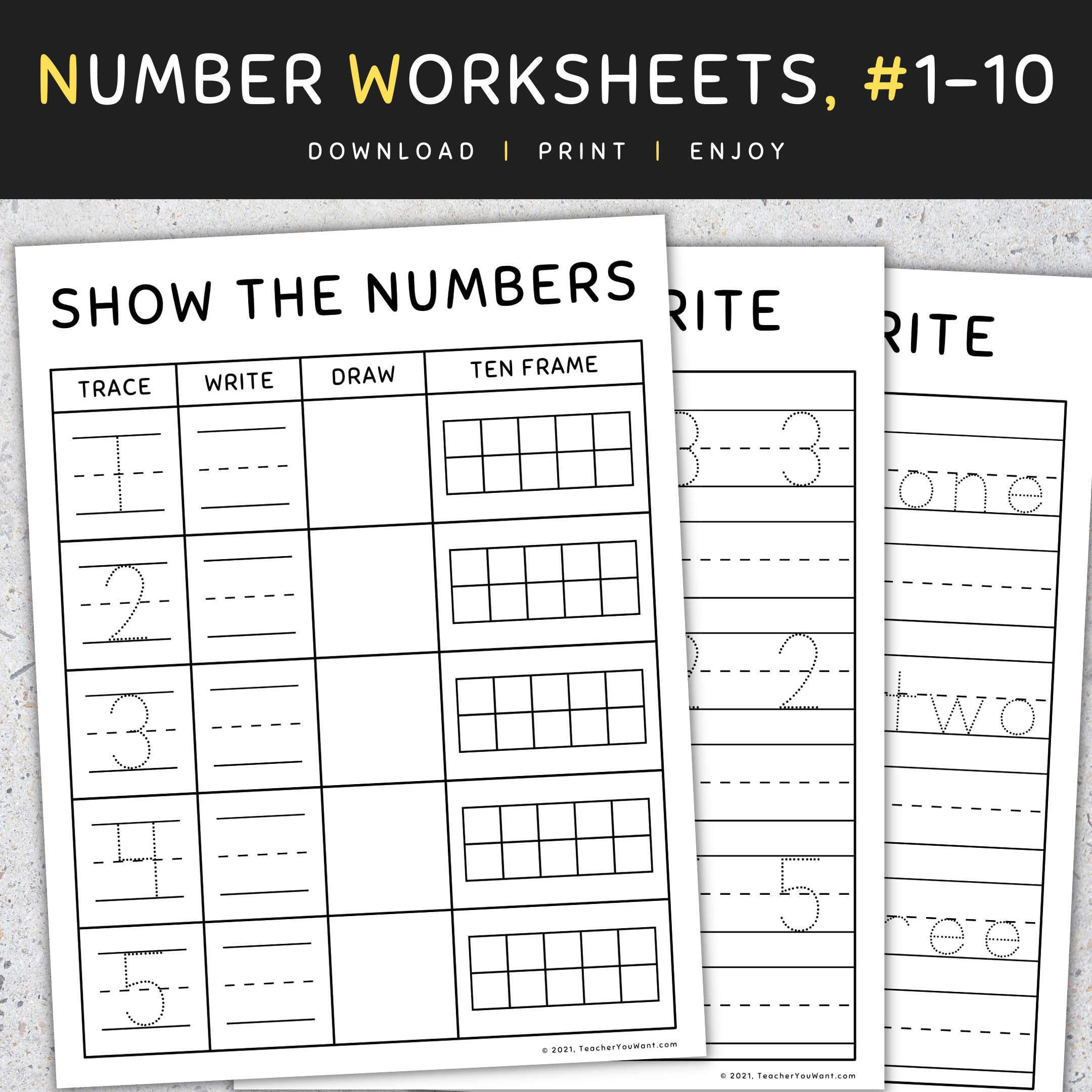
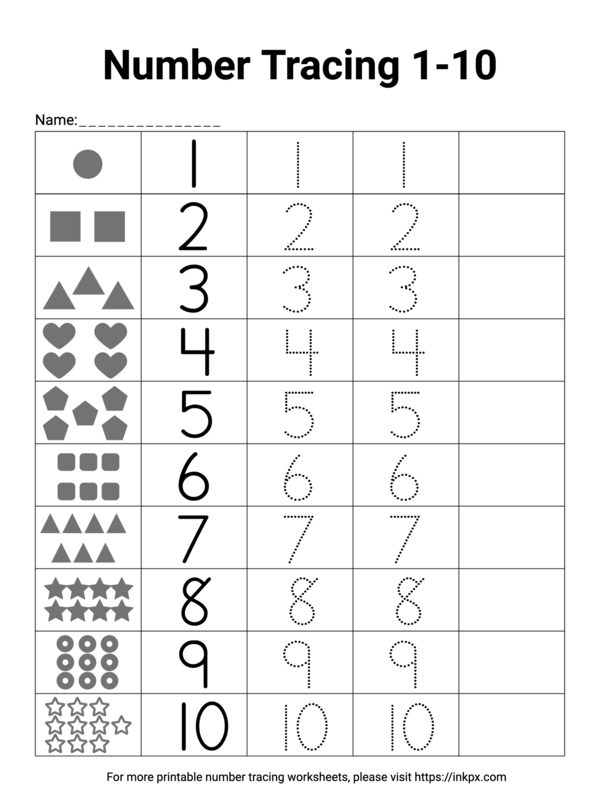
The layout moves far beyond standard repetitious tracing sheets by systematically deconstructing digits one through ten into distinct visual and physical components. Each numeral receives dedicated workspace that guides young writers through stroke directionality, sequential counting, and quantity association. Children do not merely copy a finished shape; they experience how every digit is constructed from foundational lines and curves. Exploring these patterns reinforces spatial awareness, visual-motor integration, and directional tracking from left to right. It is common to watch a child struggle when attempting to write a complex digit like a five or an eight without structural guidance. This board provides clear visual cues, anchor dots, and directional arrows that demystify the physical formation process. For more related activities, check out our Learn To Write Letters And Numbers Dotted.
Key Learning Outcomes
Engaging with this systematic board yields several interconnected developmental milestones for early learners. Accurate numeral formation and proper stroke order are established early, preventing the formation of awkward, inefficient habits that cause hand fatigue down the road. According to the National Association for the Education of Young Children, intentionally integrating fine motor practice with early mathematical concepts solidifies both cognitive retention and physical dexterity in young children. Learners simultaneously strengthen their pencil control, refining the dynamic tripod grasp or accepted transitional grasps through targeted tracing paths. Hand-eye coordination improves markedly as little eyes track starting points through completion lines. Finally, true one-to-one correspondence and quantity recognition solidify as children connect the written symbol to its physical breakdown.
How to Use This Worksheet
Maximizing the effectiveness of this printable board involves more than handing over a pencil and hoping for the best. Preparation sets the stage for success, especially for children who experience frustration with writing tasks. Printing the sheets on heavy cardstock or sliding them inside clear dry-erase pockets instantly transforms a single-use paper into a reusable, low-pressure station. When children know a mistake can simply be wiped away with a finger, anxiety drops and willingness to experiment increases exponentially. Pairing the pencil tracing with tactile manipulatives—such as forming the numbers out of playdough or tracing the large outlines with a finger first—engages kinesthetic learners before any writing implement touches the page.
Practical Tips for Parents and Teachers
Adult support makes all the difference when guiding early learners through structured writing exercises. Begin by modeling correct pencil grip and showing where the pencil touches the paper before letting the child try. Scaffolding the activity means breaking a sitting session into short, five-minute bursts rather than demanding the completion of all ten numbers at once. If a child begins at the bottom of a stroke instead of the top, gently guide their hand to the proper starting point with a verbal cue like “start at the sky and slide down to the ground.” Extending the learning is easy when adults ask children to find physical objects around the room that match the numeral they just traced, bridging the gap between paper practice and real-world counting.
Age-Appropriate Recommendations
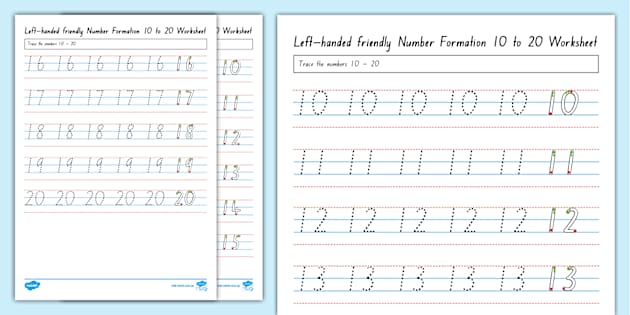
Developmental readiness dictates how children interact with number tracing materials across the early childhood span. Aligned with the CDC developmental milestones for young children, toddlers around ages two and three benefit most from large-scale tactile exploration, finger-tracing the oversized numeral outlines, and building pre-writing muscle tone through play. By ages four and five, children enter the ideal window for structured pencil work, utilizing the detailed breakdown boards to refine stroke order, directional control, and pencil pressure. Kindergarteners and early elementary students aged six through eight utilize the board to master automaticity, correct sizing on primary lines, and accurate numerical sequencing. For educators seeking to expand this foundation, exploring additional resources like Tracing Number and Fine Motor and Pre-Writing Skills provides complementary tools tailored to these exact developmental stages.
Foundational fine motor manipulation and proximal stability must develop in tandem with cognitive number sense to ensure fluid, fatigue-free handwriting. — American Occupational Therapy Association
Frequently Asked Questions
Clear guidance helps families and educators implement these tracing tools effectively in homes and classrooms.
Explore More Free Printable Tracing Worksheets
Supporting a child’s journey toward confident writing requires a diverse toolkit of engaging, developmentally sound resources. Beyond numerical practice, children benefit immensely from exploring letter formation, seasonal motifs, and foundational stroke control. Browse the full collection of learning materials available across Tracing Worksheets and discover targeted practice sheets for every stage of development. For specialized writing practice, educators and parents frequently utilize Alphabet And Numbers Tracing alongside seasonal activities found in Seasonal and Fun Themes. Every printable housed at KidTraces.com is designed with care to foster independence, fine motor mastery, and a lifelong love of learning.
Quick Wiring Specifications & Terminal Guide
| Component / Circuit | Standard Wire Gauge | Recommended Protection |
|---|---|---|
| Control & Trigger Signals | 18 – 20 AWG | 5A – 7.5A Inline Fuse |
| Standard Auxiliary Load | 14 – 16 AWG | 15A – 20A Circuit Breaker |
| Main Power Feed / Supply | 10 – 12 AWG | 30A – 40A Heavy-Duty Relay |
Images References