Introduction
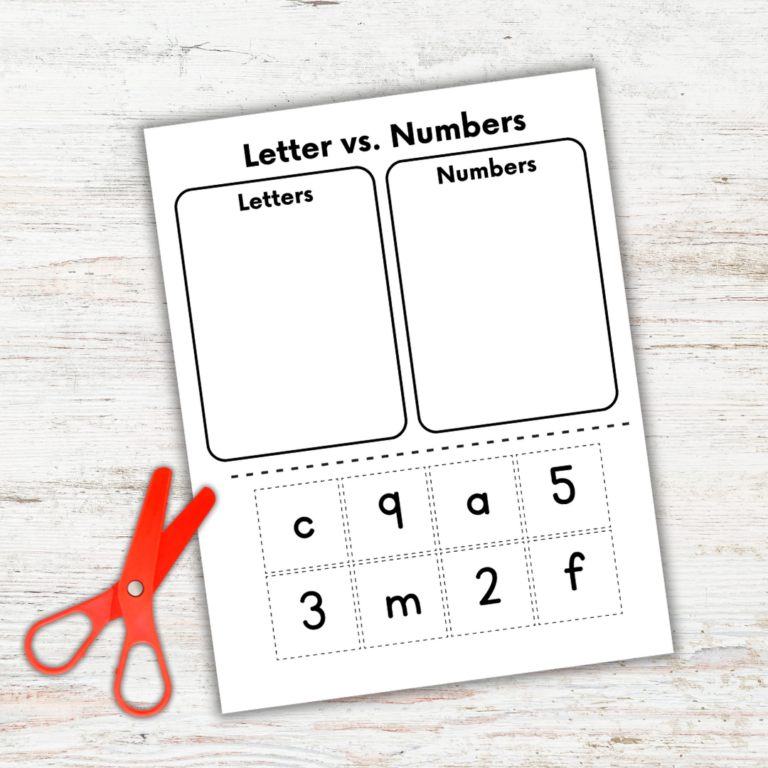
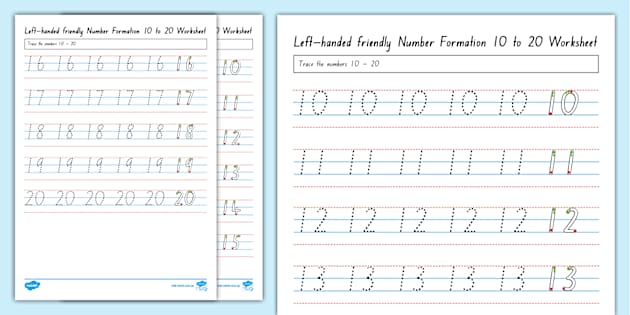
Many children recognize letters and numbers long before their fine motor coordination and hand strength allow them to cleanly form those symbols on paper. According to the National Association for the Education of Young Children (NAEYC), early writing development relies heavily on meaningful, developmentally appropriate practice that honors the physical capabilities of young learners. Bridging that gap between cognitive recognition and physical execution takes patience, purposeful guidance, and the right tools. Enter the free printable number and letter writing pages for kids template, a resource specifically designed to guide young hands through the foundational mechanics of early literacy. It sounds simple, and that’s the point: structured tracing pages remove the cognitive overload of deciding what to write, allowing children to focus entirely on pencil control, stroke order, and spatial awareness.
💡 Educational Key Takeaways:
- Core Skill: Structured Number And Letter Writing Pages For Kids Template focused on developing pencil grip, stroke control, and early literacy/math confidence.
- Target Scope: Suited for homeschoolers, preschool, kindergarten, and elementary learners.
- Best Recommendation: Practice 10–15 minutes daily with ergonomic writing tools to reinforce muscle memory without hand fatigue.
What This Worksheet Covers
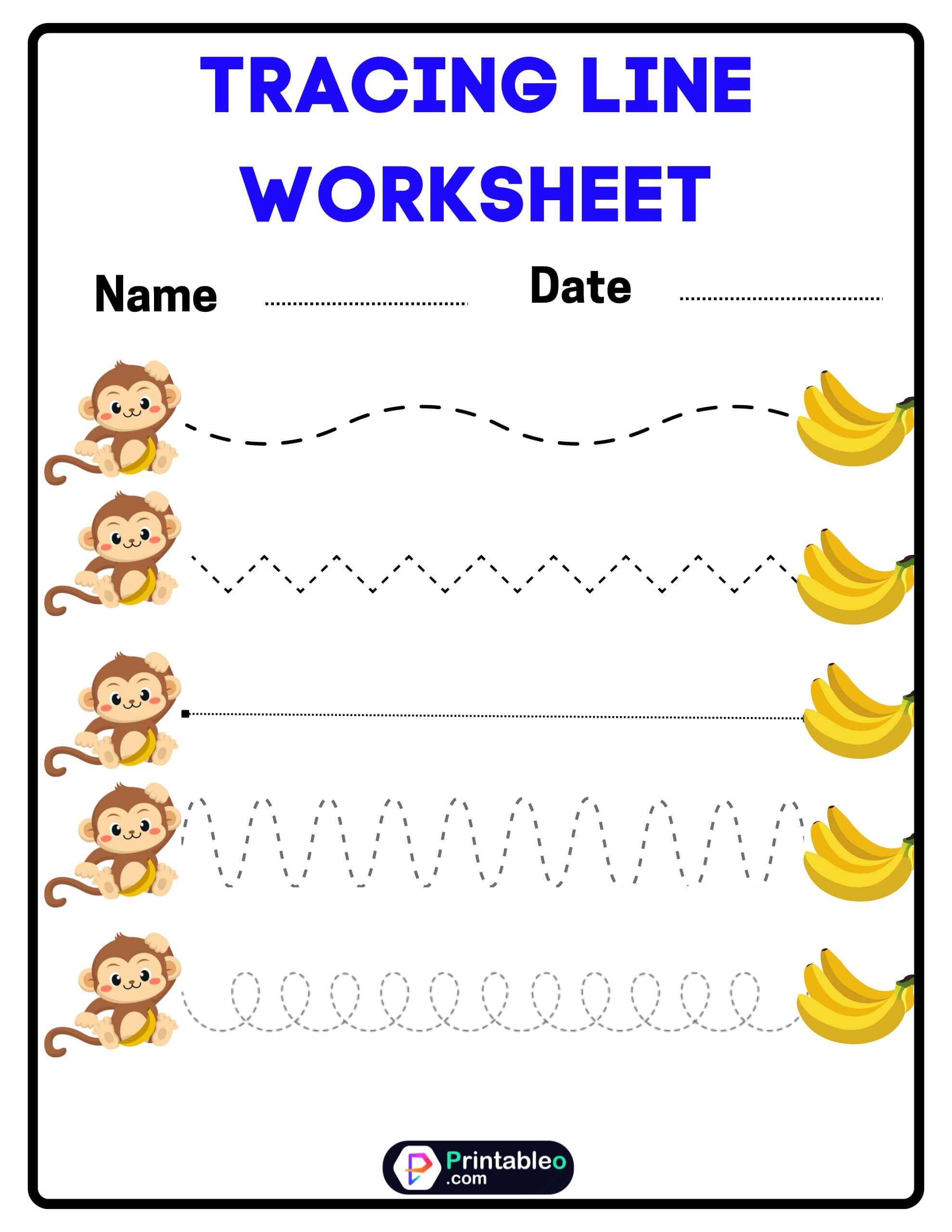
Mastering the physical act of writing requires navigating a complex sequence of visual-spatial skills, motor planning, and postural stability. This specific template targets the foundational stroke patterns, directional habits, and proportional sizing necessary for legible handwriting. Children encounter structured opportunities to practice vertical lines, horizontal lines, intersecting crosses, and curved strokes that form the bedrock of both manuscript letters and numeric digits. It anchors each stroke with clear visual start points and directional arrows, reducing frustration and preventing the formation of inefficient motor habits that prove difficult to correct later.
Key Learning Outcomes
Working through these pages helps children internalize correct stroke order, ensuring that letters and numbers start from the top and move downward or left-to-right in accordance with standard manuscript instruction. Learners build essential finger dexterity and intrinsic hand muscle strength through repetitive, controlled tracing paths found within the Alphabet And Numbers Tracing collection. Spatial awareness improves naturally as young writers learn to contain their marks within defined boundaries and baseline guidelines. Additionally, hand-eye coordination sharpens with every completed curve and straight segment, transforming shaky, uncoordinated pencil movements into smooth, deliberate gestures that support early literacy success.
How to Use This Worksheet
Success with handwriting templates relies less on the sheer volume of pages completed and more on the quality of engagement during the process. Adults should introduce the pages in short, focused sessions lasting no more than five to ten minutes, prioritizing posture, relaxation, and proper pencil grasp over rushing to the bottom of the page. Placing the paper on a slight slant or a vertical surface, such as an easel, can naturally encourage an efficient tripod grip and a neutral wrist extension. Here’s what makes this worksheet different: it adapts seamlessly to various intervention strategies, whether used during a structured classroom literacy center, a quiet homeschool morning, or targeted occupational therapy sessions focusing on Fine Motor and Pre-Writing Skills.
Practical Tips for Parents and Teachers
Adults play a vital coaching role by actively modeling correct grip and verbalizing stroke directions out loud, using friendly phrases like “start at the top dot and slide down.” Scaffolding the activity appropriately means hand-over-hand assistance can be provided gently for younger toddlers, while older children can practice independently while receiving feedback on pressure regulation. To keep motivation high, use colorful markers, chunky crayons, or textured writing utensils that provide rich sensory feedback through the fingers. When children struggle with a particular curved letter, transition briefly to larger movement patterns in sand or shaving cream before returning to the paper template to reinforce the motor plan.
Age-Appropriate Expectations
According to the American Occupational Therapy Association (AOTA), children typically progress through predictable stages of pencil grasp and pre-writing skill development between the ages of two and eight. Younger toddlers between ages two and four generally grasp writing tools with a whole-hand palmar or digital pronate grip, making simple vertical and horizontal line imitation developmentally appropriate. By ages five through eight, aligned with the Common Core Kindergarten standard CCSS.ELA-LITERACY.L.K.1.a for printing upper- and lowercase letters, children refine their grasp into a dynamic tripod and gain the finger isolation required to form complex diagonal strokes, numbers, and letters with accurate proportional spacing. Educators can further expand this progression by exploring Dotted Letters For Tracing as learners transition from rigid lines to guided letter formations.
Children achieve functional pencil grasp and letter formation milestones through progressive developmental stages that integrate visual, tactile, and proprioceptive feedback systems. — American Occupational Therapy Association (AOTA)
Frequently Asked Questions
Navigating early childhood writing instruction often brings up common questions regarding materials, readiness, and implementation strategies for growing hands.
Explore More Free Printable Tracing Worksheets
Supporting a young writer involves offering a rich variety of engaging, low-pressure practice materials that grow alongside their developing skills. Building confidence takes time, and rotating through fresh, thematic templates keeps enthusiasm high during daily practice routines. Caregivers and educators can discover an extensive library of supplementary resources, seasonal templates, and targeted skill builders by visiting the complete collection at KidTraces.com to ensure every child finds a fun, accessible path toward lifelong writing success.
Developmental Milestone & Activity Table
| Development Stage | Recommended Daily Duration | Primary Learning Objective |
|---|---|---|
| Preschool & Pre-K | 10 – 15 Minutes | Pencil grip development & basic pre-stroke lines |
| Kindergarten | 15 – 20 Minutes | Letter/number formation & spatial line awareness |
| Early Elementary (Grade 1–2) | 20 – 30 Minutes | Fluency, sentence construction & neatness |
Images References