Introduction
Many children recognize numerals long before their fine motor control allows them to form those same digits on paper. According to the American Occupational Therapy Association, foundational fine motor skills—such as hand strength, bilateral coordination, and refined finger dexterity—are essential precursors to functional academic tasks like handwriting. Mastering numeral formation requires more than rote memorization; it demands precise visual-motor integration and consistent stroke sequencing. Bridging the gap between cognitive understanding and physical execution often benefits from structured, scaffolded practice tools. Enter the free printable dotted numbers 0-100, designed to provide the gradual visual guidance young learners need to transition from recognizing quantities to confidently writing digits. Consistent interaction with guided tracing materials helps build muscle memory, correct directional habits, and foster early numeracy skills in a low-stress format.
💡 Technical Key Takeaways:
- Core Focus: Diagnostic schematic and terminal connection layout for Dotted Numbers 0-100.
- Target Scope: Field technicians, automotive DIYers, and residential/commercial electricians.
- Safety Rule: Always disconnect the primary power source/battery terminal and verify zero voltage with a multimeter before touching wires.
What This Worksheet Covers
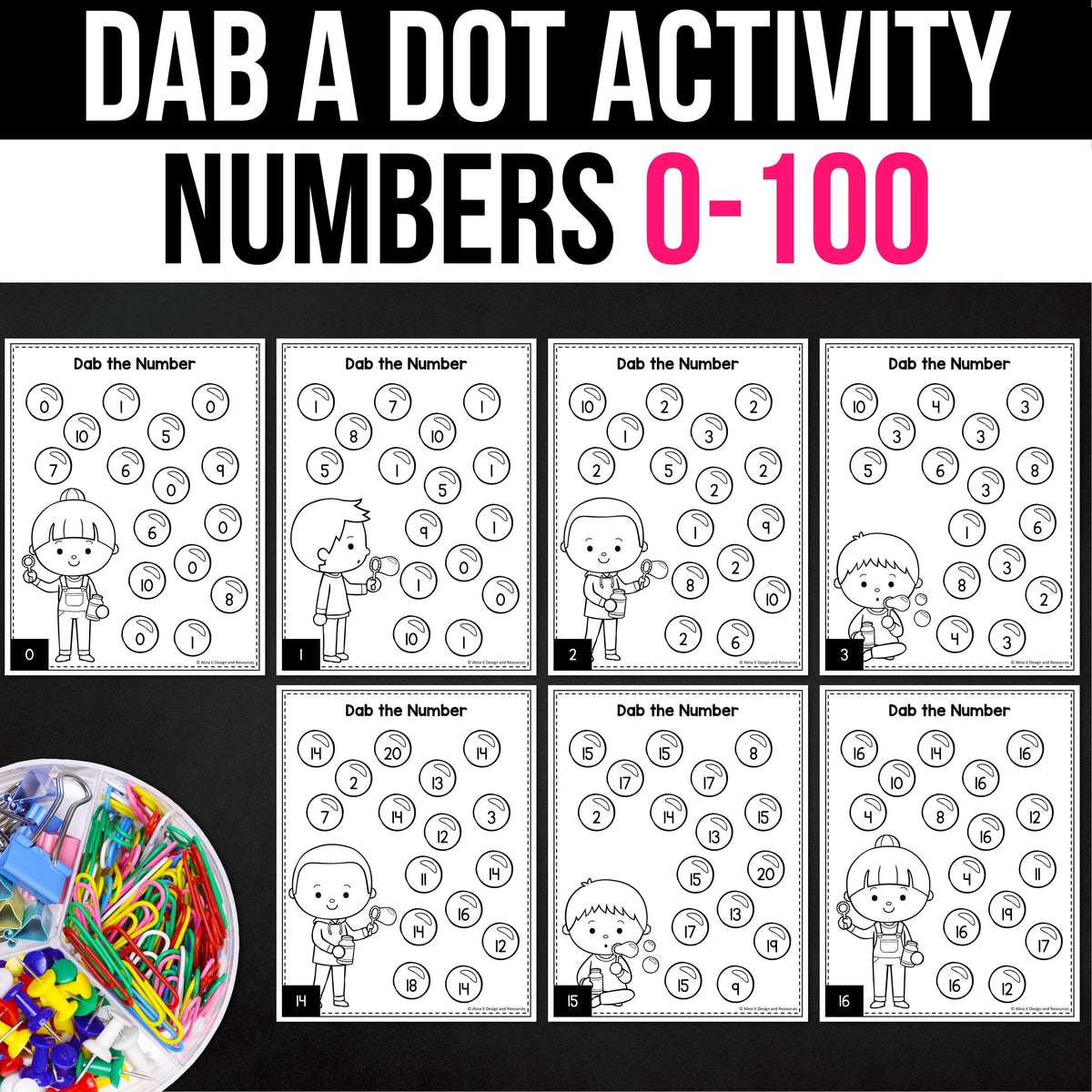
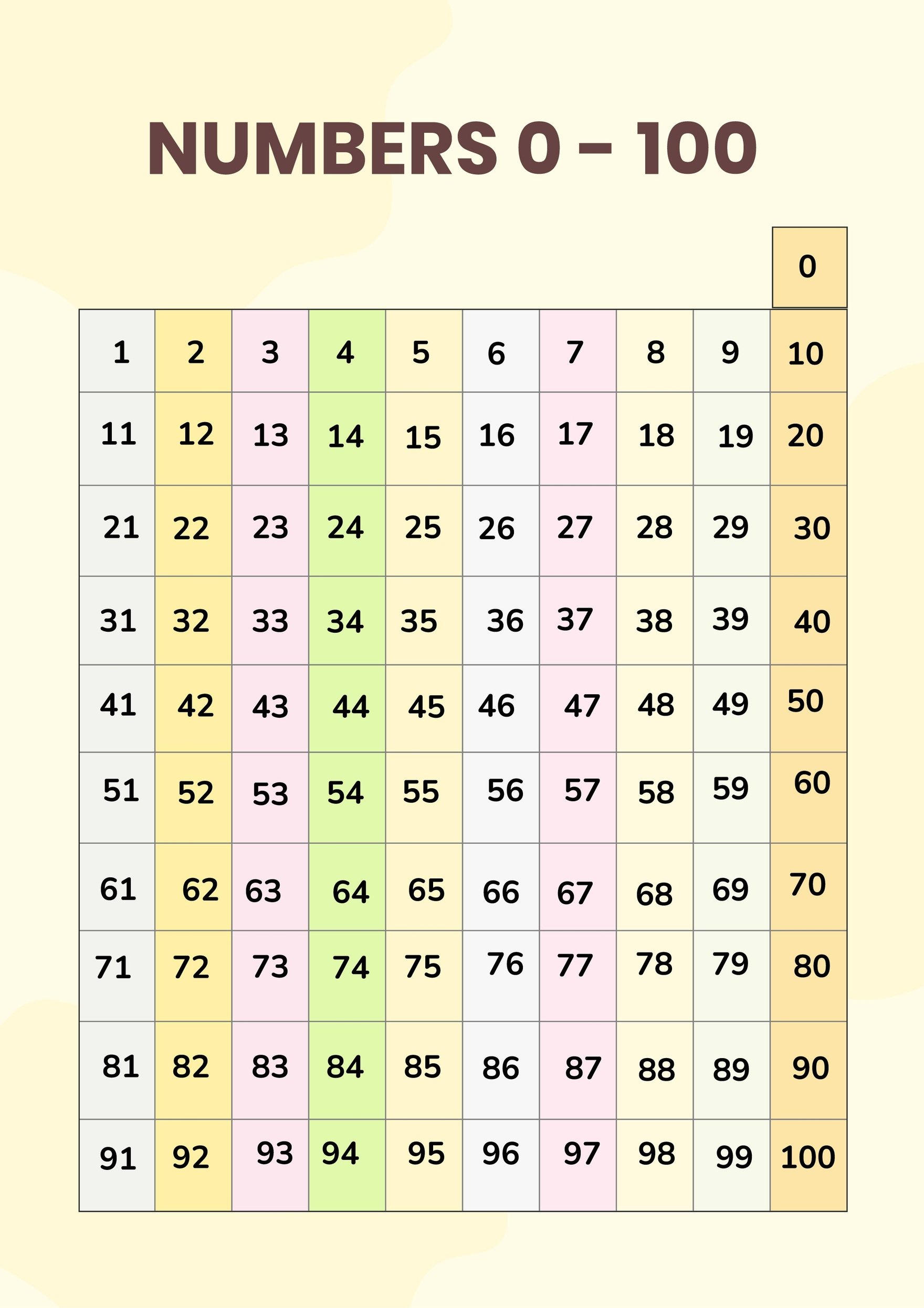
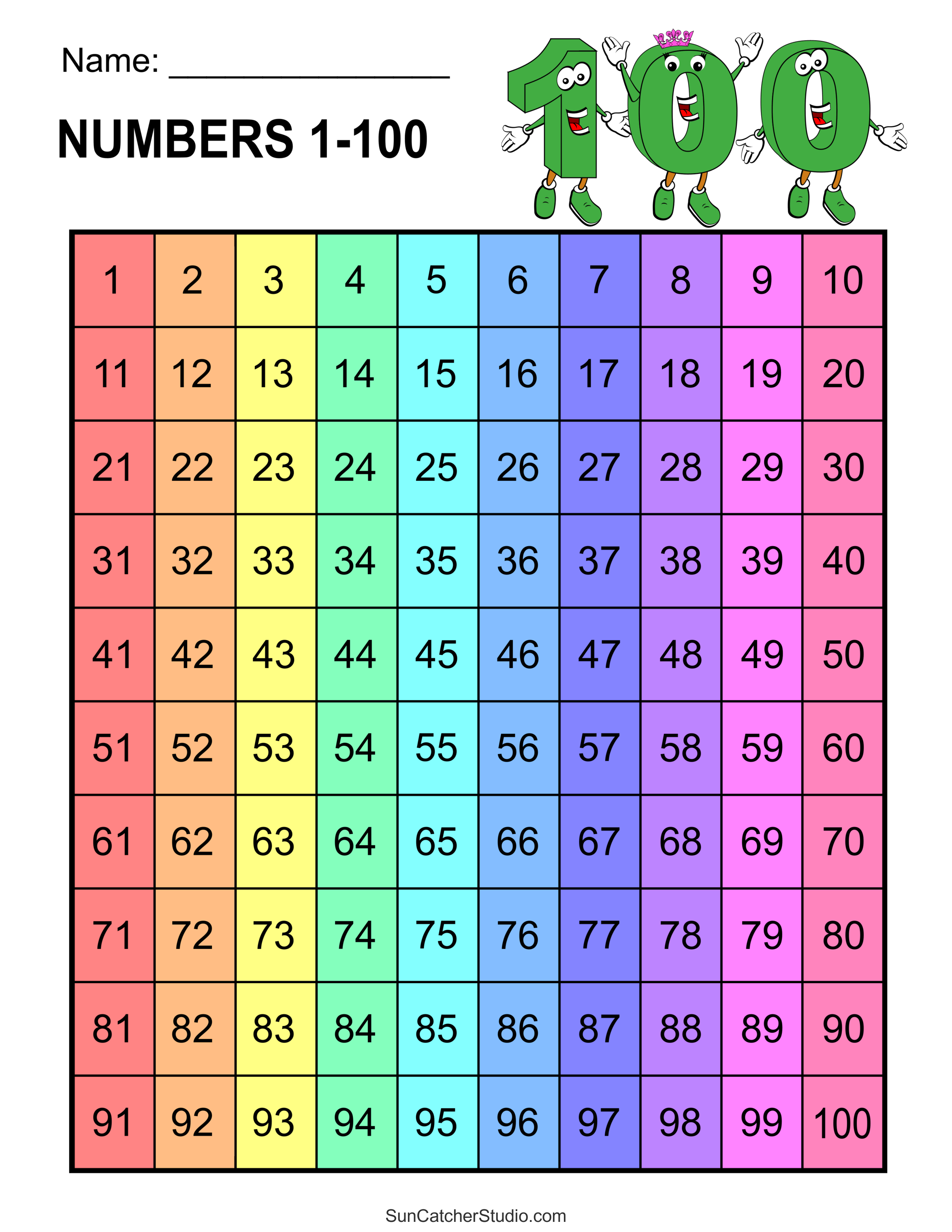
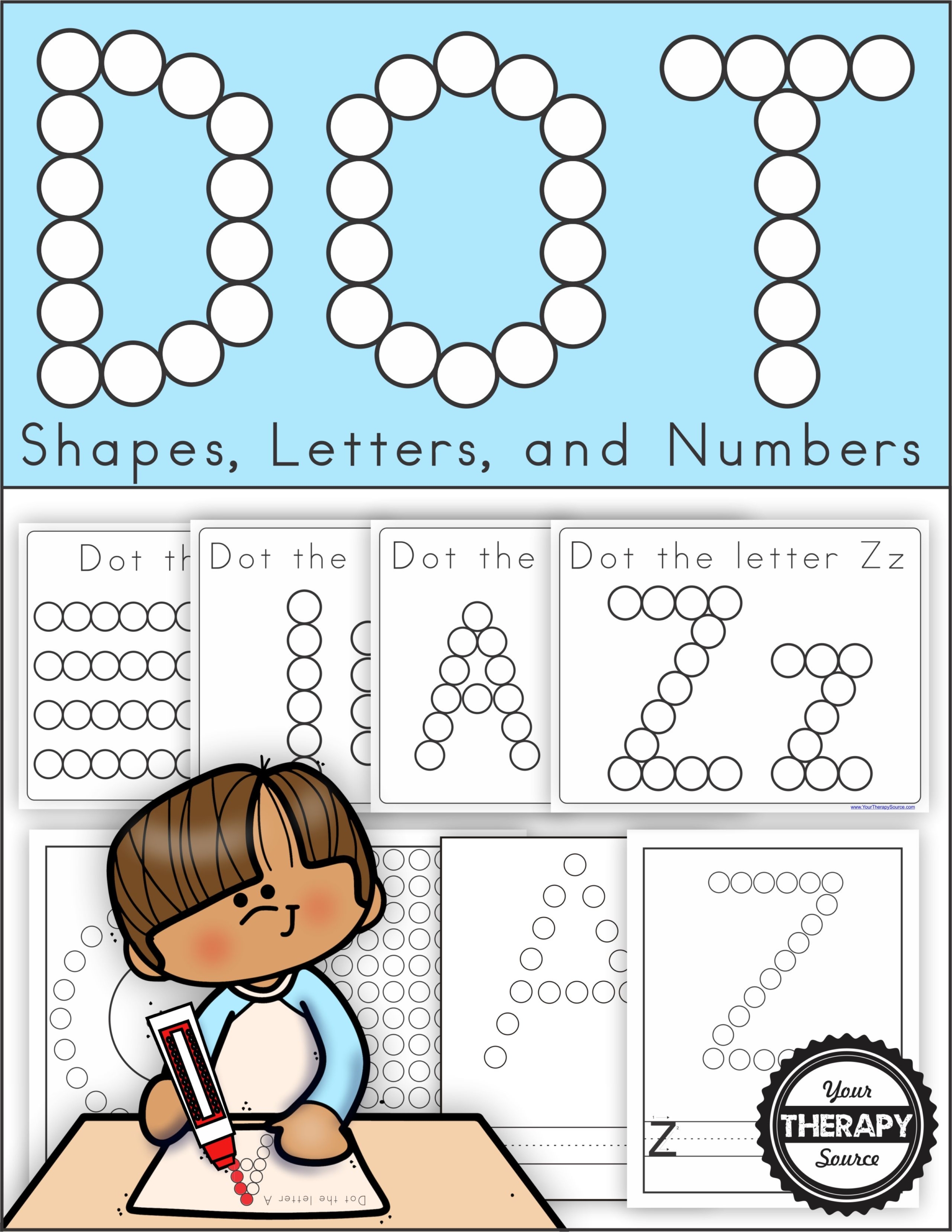
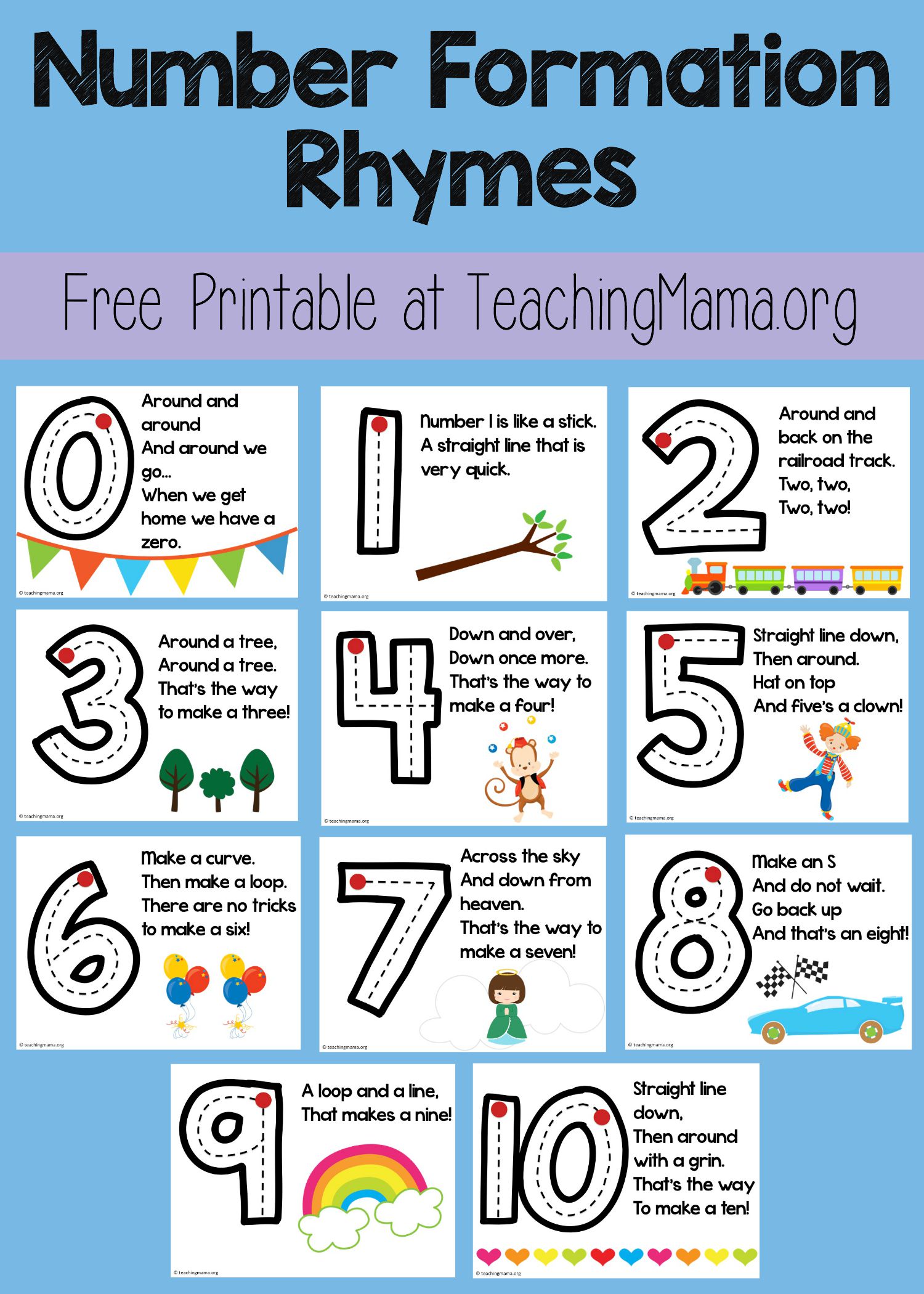
The dotted numbers 0-100 resource provides a comprehensive progression through foundational numeracy and pencil control. Each page presents large, clearly formatted digits composed of distinct dots that guide the hand through the correct starting points and directional paths. By breaking down complex numerals like eight, five, and three into sequential strokes, the layout prevents bad habits such as bottom-up formations or improper looping. Beyond simple tracing, this printable reinforces number sequencing, visual tracking across rows, and spatial awareness on a page. Early childhood educators and occupational therapists frequently notice that children thrive when they can see the entire sequence from zero to one hundred laid out in an organized, predictable structure. It sounds simple, and that is precisely the point: reducing visual clutter allows the brain to focus entirely on motor execution and pencil control. For more related activities, check out our Tracing Numbers 1-10 With Pictures.
Key Learning Outcomes
Engaging with this resource yields multiple developmental benefits that extend far beyond math readiness. Learners refine their visual-motor integration as their eyes track each dot and guide the writing utensil along the intended path. Consistent practice also strengthens intrinsic hand muscles, fostering the endurance required for longer writing tasks without hand fatigue. Additionally, children internalize correct stroke order and directional habits for every numeral from zero to one hundred, establishing automaticity that frees up cognitive space for higher-level math concepts later on. Finally, completing the full sequence instills a powerful sense of accomplishment, boosting academic confidence and encouraging a positive attitude toward structured pencil-and-paper tasks.
How to Use This Worksheet
Successful integration of tracing materials depends heavily on timing, environment, and physical posture. Setting up a workspace with an appropriately sized chair and table ensures that the child’s feet rest flat on the floor, providing proximal stability for distal fine motor control. Adults should introduce the pages in manageable chunks rather than demanding all one hundred numbers in a single sitting. Beginning with numbers zero through nine and gradually expanding the range prevents cognitive overload and physical exhaustion. Here’s what makes this worksheet different: the extensive range allows adults to customize practice sessions based on the exact developmental stage of the child, targeting specific problem digits without purchasing separate workbooks.
Practical Tips for Parents and Teachers
Adults play a vital role in scaffolding these early writing experiences by modeling correct pencil grip and directional strokes before the child begins. Encouraging a functional tripod or quadrupod grasp prevents early cramping and promotes smooth, controlled lines. According to the National Association for the Education of Young Children, active adult scaffolding during foundational skill-building helps children bridge the gap between current abilities and independent mastery. When a child struggles with a specific numeral, physical hand-over-hand guidance or tracing the dot pattern with a finger first can provide the necessary kinesthetic feedback. Turning the activity into a game by finding objects in the room that match the targeted number adds a multisensory dimension that deepens retention.
Age-According Recommendations
Aligning tracing activities with established developmental frameworks ensures that expectations match physical and cognitive maturity. For toddlers and preschoolers ages two to four, the focus centers on gross pre-writing strokes, finger dexterity, and exploring the Fine Motor and Pre-Writing Skills collection to build foundational hand strength. According to the Head Start Early Learning Outcomes Framework, children in this age bracket benefit greatly from large-scale tracing and sensory-rich number exploration. Moving into kindergarten and early elementary grades ages five to eight, learners tackle formal numeral formation, pencil pressure regulation, and number sequencing. During this stage, structured resources like the Tracing Number section provide targeted practice to meet early math and handwriting benchmarks, such as those outlined in the Common Core standards for counting and cardinality.
Foundational fine motor skills, including hand strength and visual-motor integration, are directly correlated with academic success in early writing and mathematics. — American Occupational Therapy Association
Frequently Asked Questions
Explore More Free Printable Tracing Worksheets
Supporting a child’s journey toward confident writing involves a rich variety of engaging materials tailored to different interests and developmental milestones. Exploring the broader library available at KidTraces.com reveals numerous avenues for continued practice, from playful Seasonal and Fun Themes that spark motivation to foundational Shape and Line Tracing pages designed for early stroke control. Every child progresses at a unique pace, and having access to diverse, high-quality printables ensures that learning remains an enjoyable, rewarding adventure.
Quick Wiring Specifications & Terminal Guide
| Component / Circuit | Standard Wire Gauge | Recommended Protection |
|---|---|---|
| Control & Trigger Signals | 18 – 20 AWG | 5A – 7.5A Inline Fuse |
| Standard Auxiliary Load | 14 – 16 AWG | 15A – 20A Circuit Breaker |
| Main Power Feed / Supply | 10 – 12 AWG | 30A – 40A Heavy-Duty Relay |
Images References