Introduction
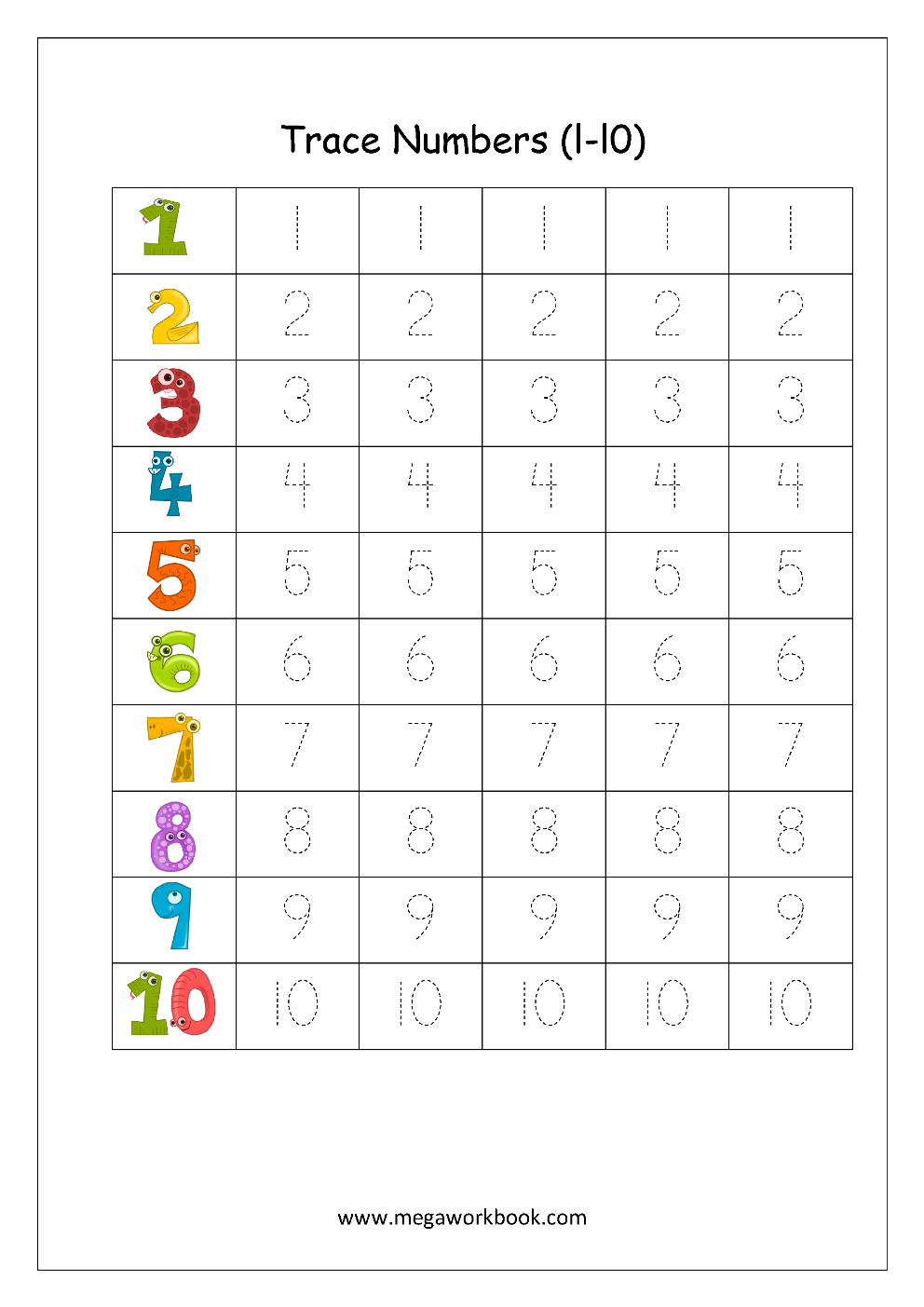
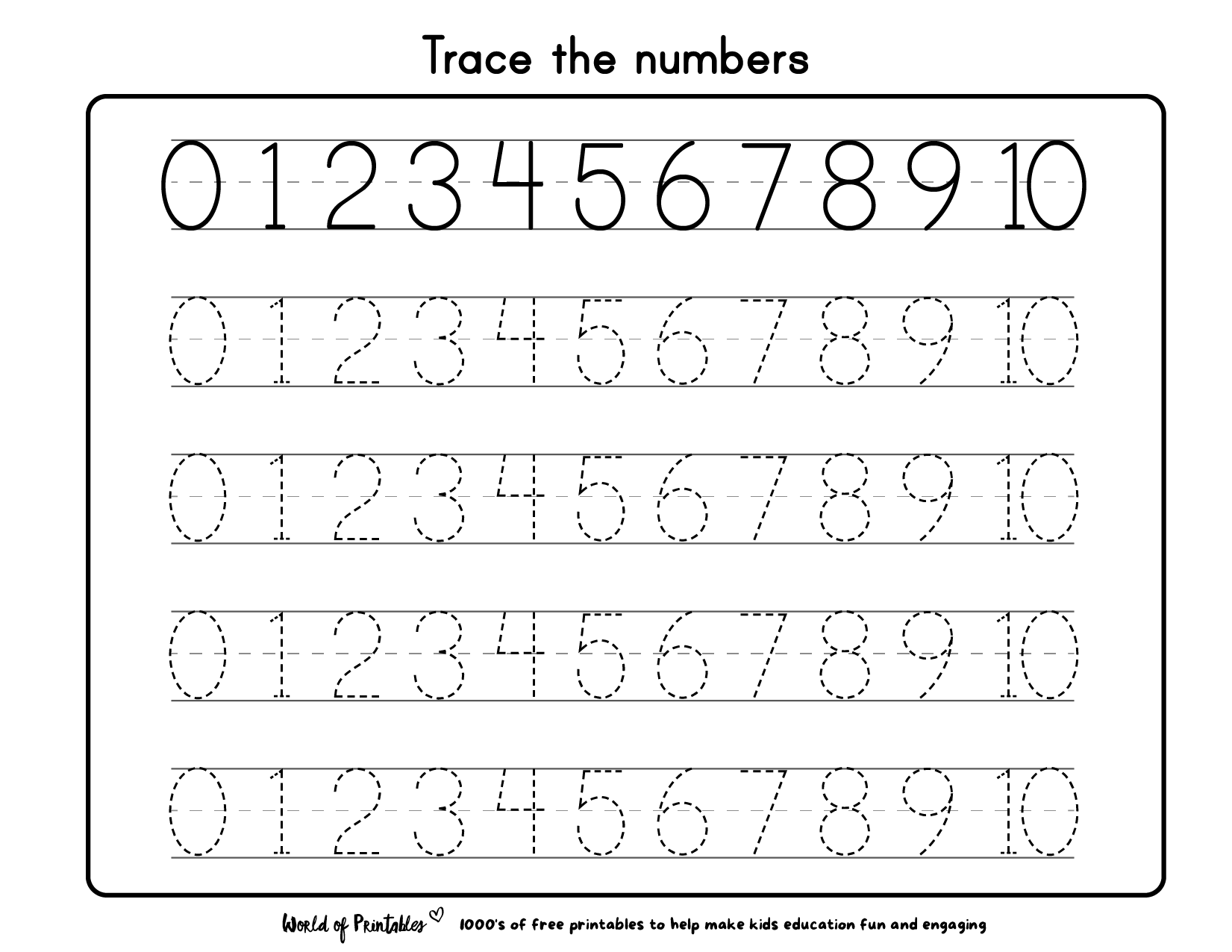
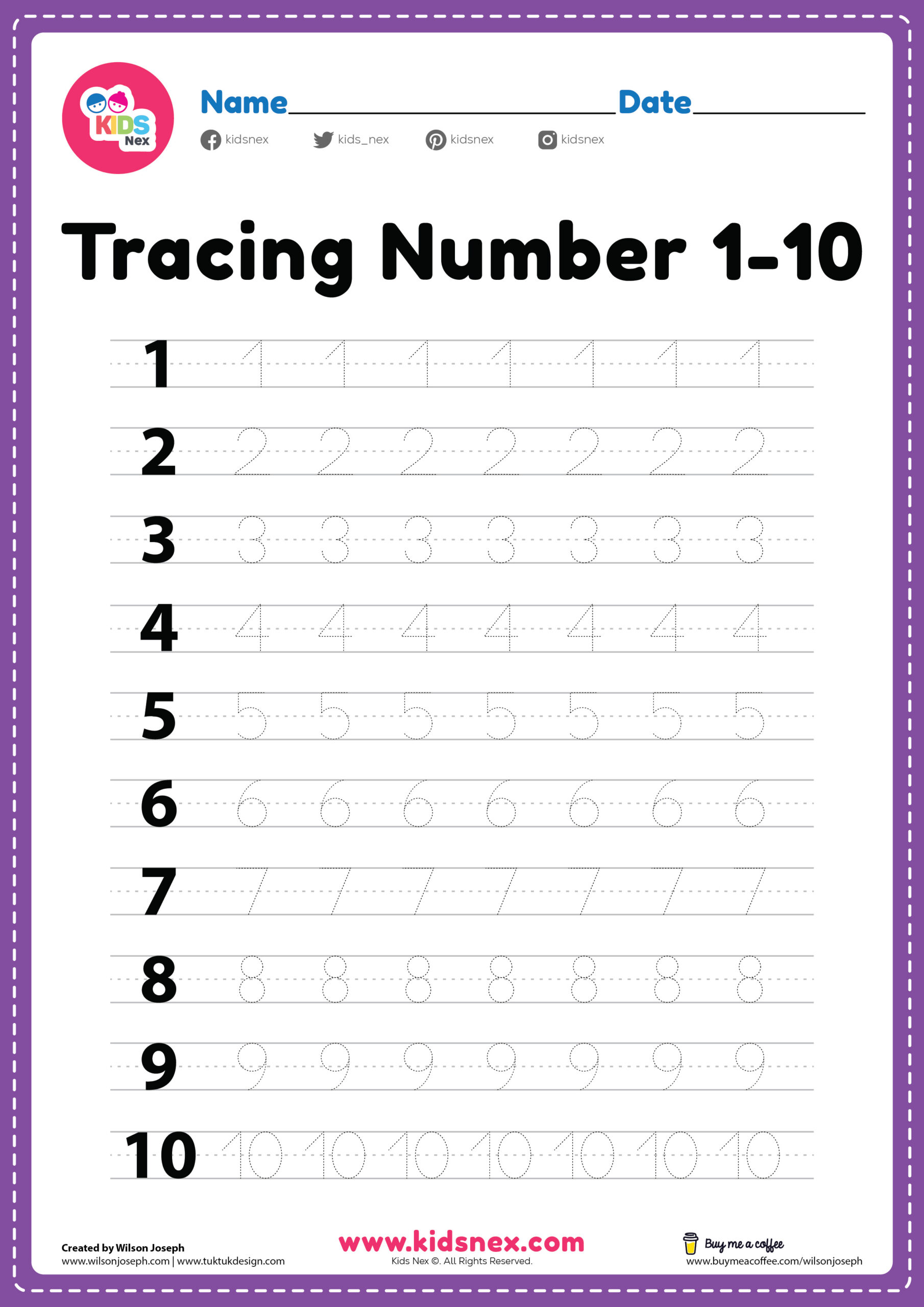
Many children recognize numerals long before their hands possess the strength and dexterity required to cleanly form them on paper. According to the American Occupational Therapy Association, foundational fine motor control and bilateral hand coordination must develop sequentially before a child can master controlled pencil strokes. Witnessing a four-year-old eagerly point to a number nine while struggling to hold a writing utensil reveals the precise gap that targeted practice must bridge. The printable number tracing 1 10 serves as a vital bridge between cognitive number recognition and physical execution. It sounds simple, and that is the exact point. Scaffolded tracing sheets reduce cognitive load so the hand can focus entirely on motor planning, directionality, and muscle memory without the added burden of mathematical computation.
💡 Educational Key Takeaways:
- Core Skill: Structured Printable Number Tracing 1 10 focused on developing pencil grip, stroke control, and early literacy/math confidence.
- Target Scope: Suited for homeschoolers, preschool, kindergarten, and elementary learners.
- Best Recommendation: Practice 10–15 minutes daily with ergonomic writing tools to reinforce muscle memory without hand fatigue.
What This Worksheet Covers
Every numeral from one to ten presents unique biomechanical challenges, requiring a deliberate mix of vertical lines, curves, and diagonal slants. Mastering these distinct strokes is essential for lifelong handwriting legibility. According to the National Association for the Education of Young Children, purposeful early writing experiences support essential neural pathways that link visual perception with physical manipulation. The printable number tracing 1 10 offers guided pathways, directional arrows, and start dots that teach children where pencil contact begins and where the stroke terminates. This structured format prevents bad habits, such as starting numerals from the bottom up, which later slows down writing speed and compromises neatness during elementary school years. Exploring the broader collection of Tracing Number resources reveals how systematic practice builds confidence one stroke at a time.
Key Learning Outcomes
Structured numeral tracing yields profound developmental benefits that extend far beyond simple number formation. Children enhance their visual-motor integration by matching eye movements with exact hand placements on the page. Fine motor control improves significantly as tiny intrinsic hand muscles engage to keep the pencil tip within narrow dotted paths. Directional awareness strengthens as learners navigate sequential movements like the smooth loop of a zero or the sharp angle of a four. Furthermore, repeated exposure to these tactile formations solidifies memory traces in the brain, ensuring that numeric symbols transition easily from working memory to automatic recall during math instruction.
How to Use This Worksheet
Introducing a fresh tracing sheet requires more than handing over a marker and expecting perfection. Success often relies on creating an inviting, low-pressure environment where mistakes are treated as normal stepping stones. Placing the paper on a flat, stable surface helps maintain proper posture, while a supportive upright slant board can naturally position the wrist for optimal pencil control. It helps to observe the child’s grip before starting, gently encouraging a functional tripod grasp without forcing rigid perfection too early. Pairing pencil work with tactile variations, such as tracing numerals in a tray of sand before moving to paper, activates multi-sensory pathways that cement learning much faster than pencil-and-paper drills alone. Discovering additional ideas within the Fine Motor and Pre-Writing Skills section provides endless inspiration for hand-strengthening activities.
Practical Tips for Parents and Teachers
Adults play a powerful role in shaping a child’s early writing disposition through positive reinforcement and strategic scaffolding. Modeling correct stroke order by writing a large numeral in front of the learner provides a clear visual demonstration of where the pencil starts and stops. Scaffolding the activity means starting with thick, tactile markers that offer slight resistance on the page before transitioning to standard pencils as finger strength improves. Extending the challenge might involve asking the child to independently write the numeral right below the dotted guide without any tracing lines to lean on. Encouraging verbalization during practice—such as saying “around and down” while making a number two—combines auditory and kinesthetic learning for maximum retention. Guided practice also aligns with the standards found within Dotted Letters For Tracing materials.
Age-Appropriate Recommendations
Developmental readiness dictates how children interact with writing tools across different stages of early childhood. According to the CDC developmental milestones, toddlers around age two or three typically develop a palm-supinate grasp and enjoy scribbling vertical and horizontal lines, making large-scale pre-writing strokes appropriate. By ages four and five, children transition toward a mature static or dynamic tripod grasp, aligning well with the Handwriting Without Tears developmental progression that emphasizes starting capital letters and numbers at the top. For children ages six to eight, tracing sheets serve as a refined tool for perfecting sizing, alignment, and spatial awareness on standard primary lines. Ensuring that expectations match physical maturity prevents hand fatigue and fosters a lifelong love for writing.
Foundational fine motor control and bilateral coordination must develop sequentially before a child can master controlled pencil strokes. — American Occupational Therapy Association
Frequently Asked Questions
Navigating early writing development often raises practical questions regarding implementation, formatting, and skill progression at home or inside the classroom.
Explore More Free Printable Tracing Worksheets
Supporting a young writer’s journey requires a rich variety of engaging, accessible practice materials that keep boredom at bay. Rotating through different themed activities helps maintain high motivation levels while targeting various aspects of hand-eye coordination and pencil control. Exploring the complete library of resources available at KidTraces.com offers a wonderful way to discover everything from seasonal themes to alphabet sheets, ensuring that every child finds an approach that resonates with their unique learning style and developmental needs.
Developmental Milestone & Activity Table
| Development Stage | Recommended Daily Duration | Primary Learning Objective |
|---|---|---|
| Preschool & Pre-K | 10 – 15 Minutes | Pencil grip development & basic pre-stroke lines |
| Kindergarten | 15 – 20 Minutes | Letter/number formation & spatial line awareness |
| Early Elementary (Grade 1–2) | 20 – 30 Minutes | Fluency, sentence construction & neatness |
Images References