Introduction
Many children recognize letters, shapes, and numbers long before their fine motor skills can actually form them on paper. According to the National Association for the Education of Young Children (NAEYC), young children learn best through active, hands-on experiences that connect cognitive understanding with physical movement. Bridging this gap between visual recognition and physical execution requires intentional, structured practice that builds both hand strength and neural pathways. Utilizing engaging tools like fun tracing worksheets for letters numbers shapes india,3″,0″,0%”,2″” helps bridge this developmental milestone. These printables provide the scaffolding necessary for young learners to gain confidence as they master early literacy and numeracy foundations.
💡 Educational Key Takeaways:
- Core Skill: Structured Fun Tracing Worksheets For Letters Numbers Shapes India”,3″,0″,0%”,2″ focused on developing pencil grip, stroke control, and early literacy/math confidence.
- Target Scope: Suited for homeschoolers, preschool, kindergarten, and elementary learners.
- Best Recommendation: Practice 10–15 minutes daily with ergonomic writing tools to reinforce muscle memory without hand fatigue.
What This Worksheet Covers
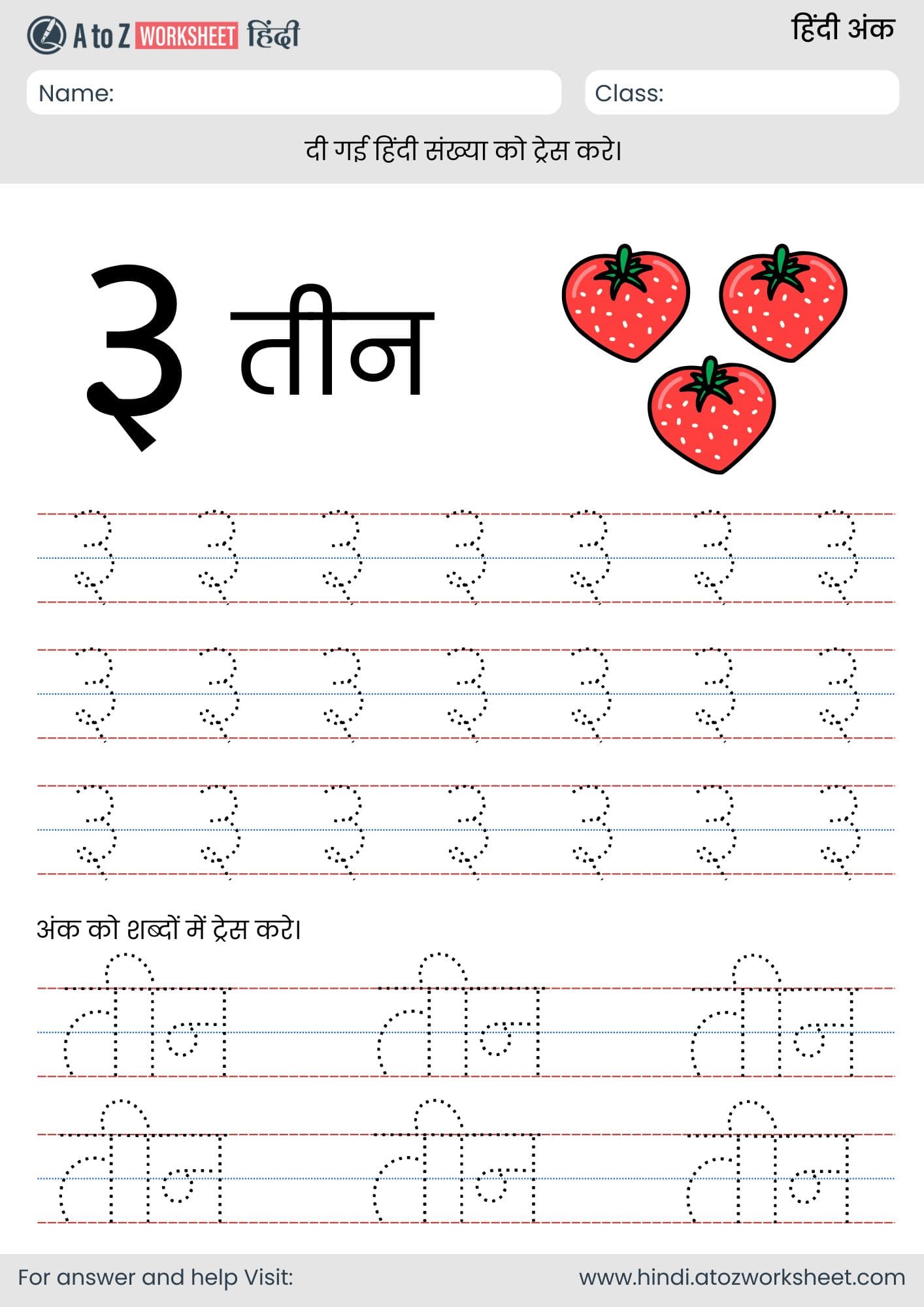
Comprehensive early learning materials must address multiple foundational domains simultaneously to prepare children for formal schooling. This specific resource targets foundational strokes, directional control, and visual-motor integration across multiple developmental domains. Children engage with vertical lines, horizontal lines, intersecting paths, and curving paths that form the building blocks of both handwriting and drawing. Beyond basic lines, the resource introduces uppercase and lowercase letter formation alongside numeral recognition and foundational geometric shapes. It sounds simple, and that’s the point. By stripping away extraneous distractions, children can focus entirely on pencil control, starting points, and stroke directionality without cognitive overload. Explorations of these concepts can be further expanded through specialized collections such as Alphabet And Numbers Tracing and Shape and Line Tracing, ensuring a well-rounded skill set.
Key Learning Outcomes
Working through these guided exercises yields several measurable benefits for early childhood development. First, children develop improved pincer grasp endurance and intrinsic hand muscle strength, which reduces hand fatigue during longer writing tasks. Second, consistent engagement reinforces correct stroke order, ensuring that letters and numbers are formed from top to bottom and left to right. Third, visual tracking improves significantly as eyes learn to follow dotted paths across the page smoothly. Finally, self-regulation and patience are cultivated as children learn to slow down and stay within structured boundaries, transforming impulsive scribbles into deliberate, purposeful marks.
How to Use This Worksheet
Maximizing the effectiveness of any educational print asset relies heavily on the environment and facilitation style chosen by the adult. Start by selecting a comfortable workspace where the child’s feet rest flat on the floor and the table sits at elbow height. Slide the worksheet inside a heavy-duty dry-erase pocket or laminate the page to allow for repeated, low-pressure practice with whiteboard markers. When children make mistakes, wiping away a stray line becomes an effortless, frustration-free reset rather than an eraser-tearing ordeal. This approach encourages experimentation and reduces performance anxiety, keeping motivation high during early writing sessions. Educators seeking supplementary resources can integrate materials from Dotted Letters For Tracing to maintain variety.
Practical Tips for Parents and Teachers
Adults play a crucial role in shaping a child’s early relationship with writing through gentle guidance and thoughtful scaffolding. Model correct pencil grip explicitly, using short crayons or golf pencils to naturally encourage a functional tripod or quadripod grasp. Verbalize directional cues aloud while tracing, using playful language like “start at the top sun and slide down the slippery slide” to anchor memory. Scaffold the experience by physically guiding a hand through the first two strokes before stepping back to let the child complete the rest independently. Celebrate small victories, focusing praise on effort and steady concentration rather than absolute perfection.
Age-Appropriate Recommendations
Developmental readiness varies wildly among young children, making differentiated expectations essential for success. According to CDC developmental milestones, toddlers around ages two to three typically master vertical and horizontal stroke imitation, while preschoolers ages four to five begin tracing cross shapes, circles, and simple capital letters. Aligning with NAEYC Developmentally Appropriate Practice, children in the two-to-four age bracket should focus heavily on gross motor line tracing and sensory-rich pre-writing patterns. For children ages five to eight, the focus shifts toward precise letter sequencing, proportional sizing, and sustained line control that adheres to standard educational expectations. For broader foundational ideas, explore the resources available at Fine Motor and Pre-Writing Skills.
Young children learn best through active, hands-on experiences that connect cognitive understanding with physical movement. — National Association for the Education of Young Children (NAEYC)
Frequently Asked Questions
Explore More Free Printable Tracing Worksheets
Supporting a child’s journey toward independent writing is a continuous process that benefits from a diverse toolkit of engaging, accessible materials. The complete library at KidTraces.com offers countless free resources designed to nurture fine motor control, pencil dexterity, and early literacy joy. Whether expanding into thematic seasonal activities or reinforcing daily handwriting habits, consistent and playful practice remains the ultimate key to lifelong academic success.
Developmental Milestone & Activity Table
| Development Stage | Recommended Daily Duration | Primary Learning Objective |
|---|---|---|
| Preschool & Pre-K | 10 – 15 Minutes | Pencil grip development & basic pre-stroke lines |
| Kindergarten | 15 – 20 Minutes | Letter/number formation & spatial line awareness |
| Early Elementary (Grade 1–2) | 20 – 30 Minutes | Fluency, sentence construction & neatness |
Images References