Introduction
According to the American Occupational Therapy Association, foundational fine motor control and visual-motor integration are critical prerequisites for successful handwriting development in early childhood. Many children recognize numerals long before their developing hands possess the intrinsic strength required to form them on paper. Bridging that gap takes patience, consistency, and the right developmental tools. Utilizing structured number tracing worksheets pdf free,3″,0″,0%”,23.333333333333332″” resources allows young learners to build essential muscle memory while mastering correct stroke sequencing. These printable materials offer targeted practice that transforms abstract mathematical symbols into concrete physical movements, setting the stage for lifelong writing fluency.
💡 Educational Key Takeaways:
- Core Skill: Structured Number Tracing Worksheets Pdf Free”,3″,0″,0%”,23.333333333333332″ focused on developing pencil grip, stroke control, and early literacy/math confidence.
- Target Scope: Suited for homeschoolers, preschool, kindergarten, and elementary learners.
- Best Recommendation: Practice 10–15 minutes daily with ergonomic writing tools to reinforce muscle memory without hand fatigue.
What This Worksheet Covers
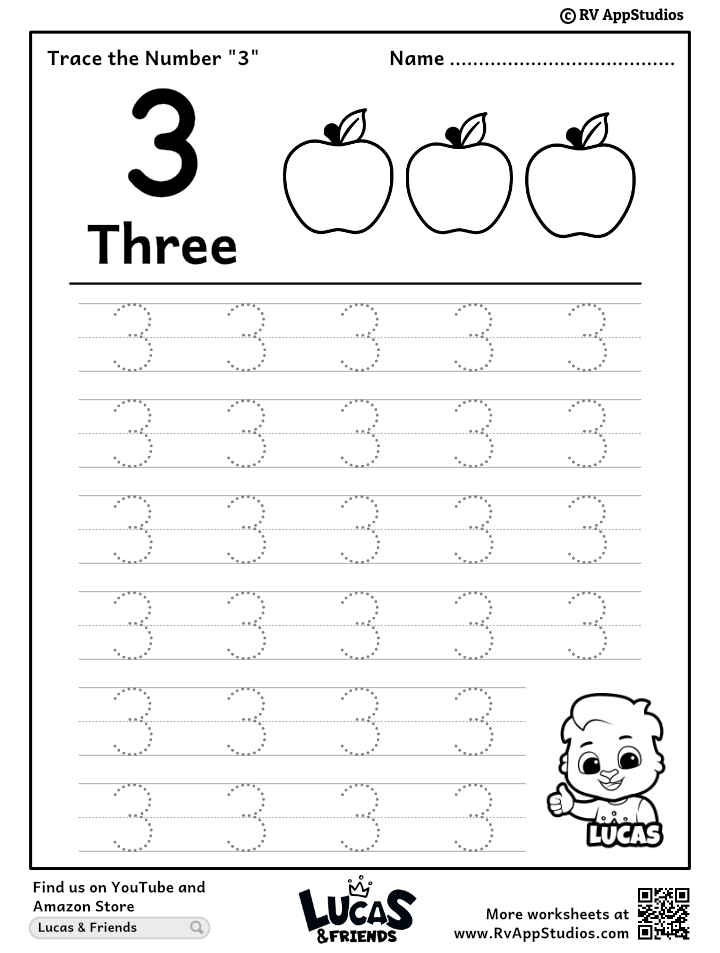
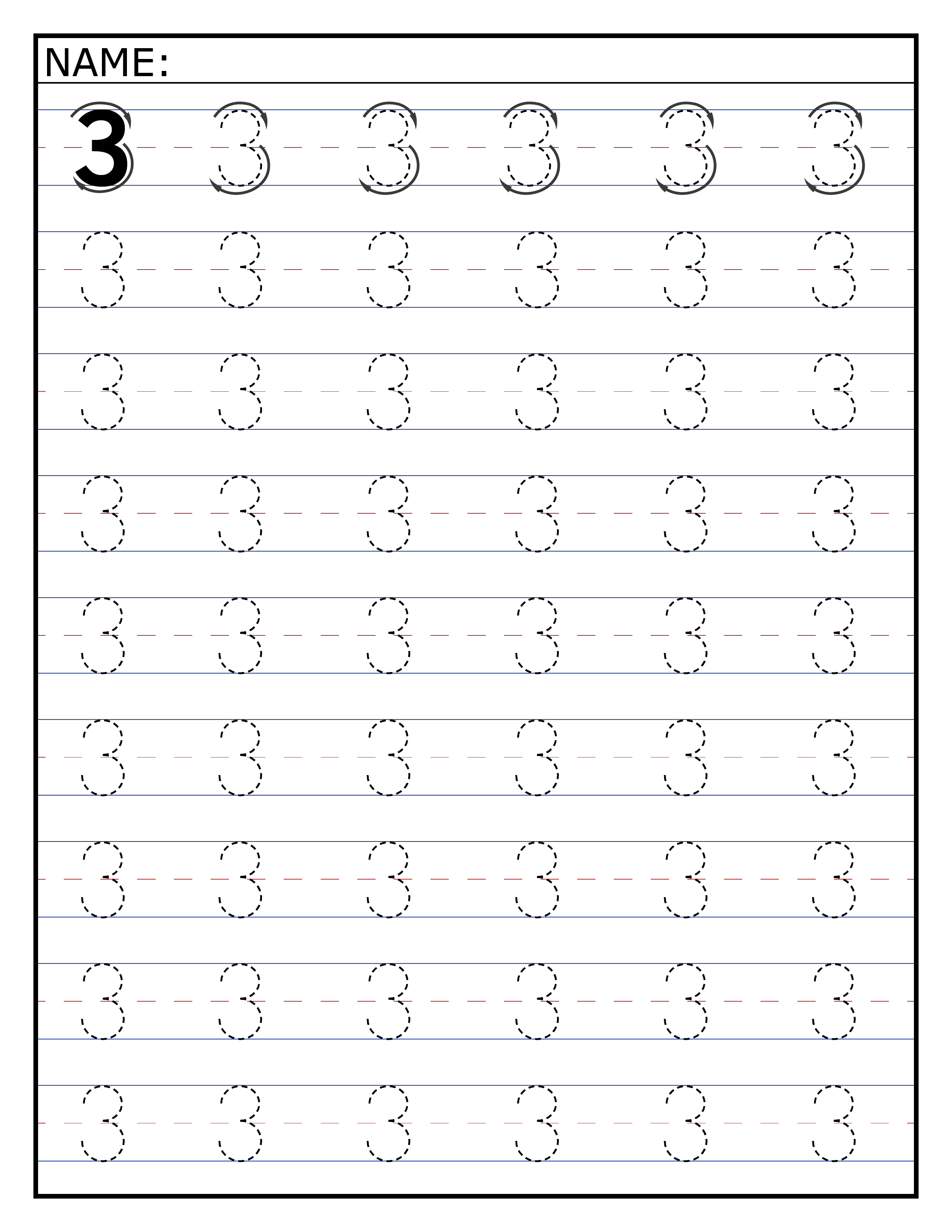
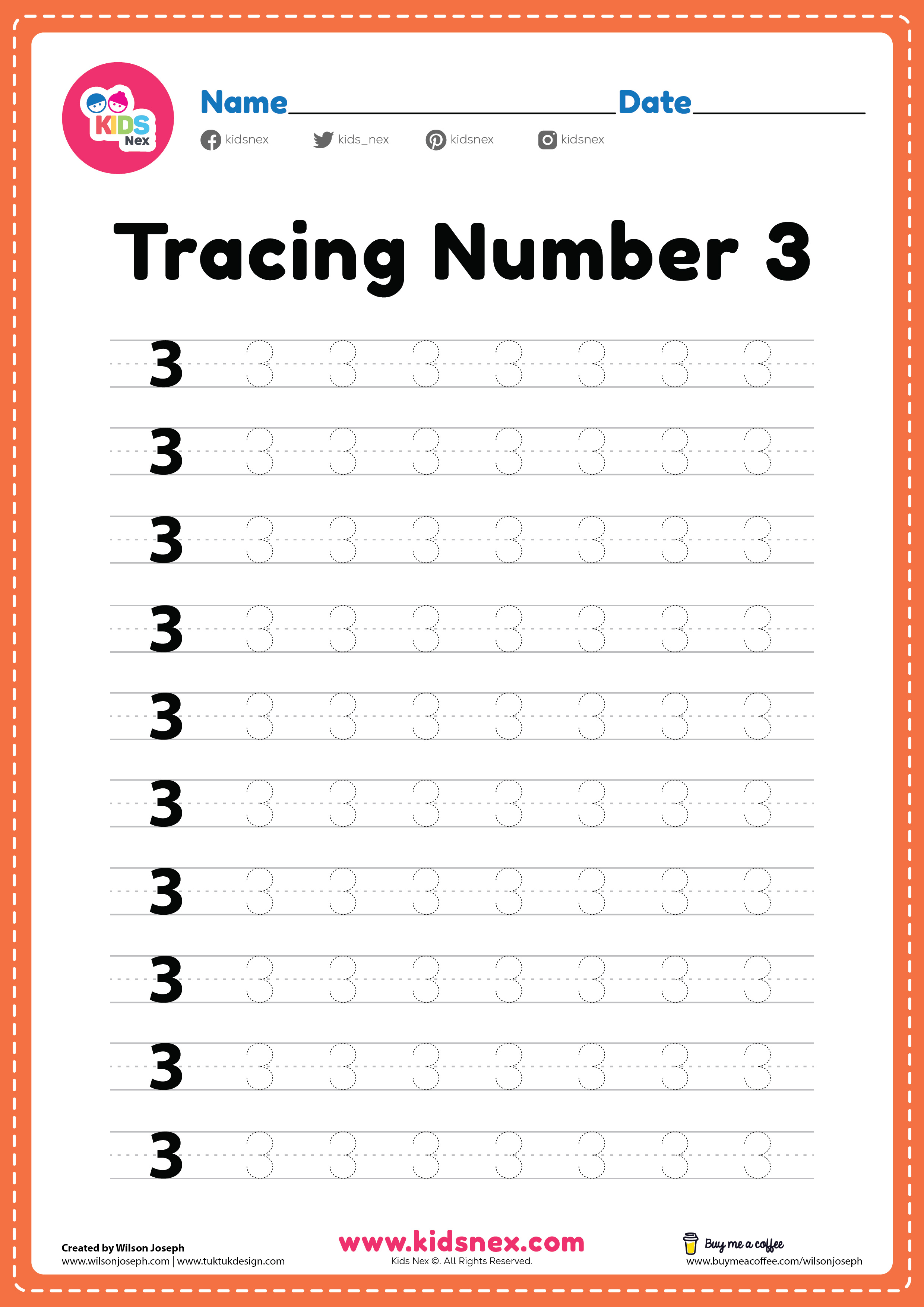
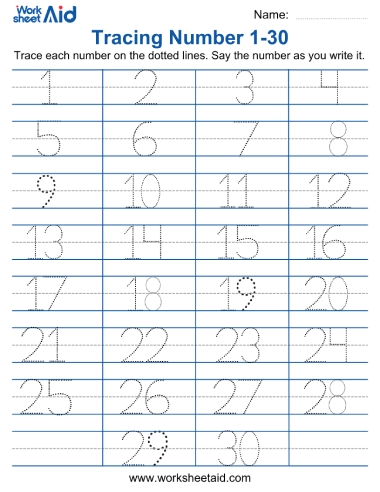
Numeral formation requires specific directional paths, starting points, and spatial awareness that differ significantly from alphabetical letters. The featured resource focuses heavily on precise stroke order, beginning with the number zero and progressing through nine. Each numeral is presented with clear visual cues, such as directional arrows and explicit starting dots, which guide the hand along the correct trajectory. Children navigate through oversized digits before transitioning to standard-sized tracing lines, gradually shrinking their range of motion and improving pencil control.
Key Learning Outcomes
Working through these pages fosters rapid improvements in visual-motor integration and bilateral hand coordination. Learners internalize the correct spatial orientation of digits, which drastically reduces common reversals like writing backward threes or fives. Hand strength and endurance naturally increase through sustained, controlled pencil strokes along dotted lines. Furthermore, regular interaction with these numerals reinforces early number recognition, bridging foundational math concepts directly with early literacy and pre-writing proficiency.
How to Use This Worksheet
Successful implementation relies on keeping sessions short, engaging, and pressure-free for young minds. Printing these pages on standard cardstock or slipping them inside clear dry-erase pouches instantly transforms them into reusable practice boards. Children benefit from trying out different tactile mediums before touching a traditional pencil, such as tracing the large numerals with a finger, a cotton swab dipped in paint, or a dry-erase marker. This multi-sensory approach activates neural pathways in the brain, making the physical motion of writing far more intuitive when it comes time for standard Alphabet And Numbers Tracing activities.
Practical Tips for Parents and Teachers
Adults play a vital role in modeling proper pencil grasp and body posture during every session. According to Reading Rockets, explicit instruction in letter and numeral formation significantly improves legibility and writing speed. Educators and caregivers should always watch for a functional tripod grasp, ensuring the thumb, index, and middle fingers share the workload without excessive tension. Scaffolding the activity by hand-over-hand guidance at first helps hesitant learners feel the correct movement before they attempt independent execution. When fatigue sets in, pausing the session prevents bad habits and hand cramping from forming.
Age-Appropriate Recommendations
Developmental expectations vary widely depending on the age and maturation stage of the child. For toddlers and preschoolers ages two through four, aligned with the National Association for the Education of Young Children Developmentally Appropriate Practice framework, large-format numbers and tactile tracing take precedence over standard pencil work. During this stage, children explore Shape and Line Tracing to build foundational hand control. For kindergarteners and early elementary students ages five through eight, expectations shift toward independent stroke execution, correct proportional sizing, and adherence to baseline boundaries found within Tracing Worksheets.
Explicit instruction in stroke order and formation significantly reduces numeral reversals and increases writing fluency in early elementary students. — Reading Rockets
Frequently Asked Questions
Navigating early childhood writing tools often brings up questions regarding formats, printing best practices, and developmental appropriateness. The answers below address the most common inquiries from parents, teachers, and dedicated homeschool educators seeking to support their young learners.
Explore More Free Printable Tracing Worksheets
Expanding a child’s skill set requires exposure to a diverse variety of guided practice materials beyond numbers alone. Exploring dedicated collections like Dotted Letters For Tracing or specialized Tracing Number exercises can keep engagement high. For older children working on handwriting mechanics, incorporating Word and Name Tracing adds meaningful personal context to daily writing routines. To keep learning fresh across changing seasons and holidays, educators often turn to Seasonal and Fun Themes to maintain high motivation. The complete library of resources available across KidTraces.com supports every phase of fine motor development, ensuring children build confidence stroke by stroke.
Developmental Milestone & Activity Table
| Development Stage | Recommended Daily Duration | Primary Learning Objective |
|---|---|---|
| Preschool & Pre-K | 10 – 15 Minutes | Pencil grip development & basic pre-stroke lines |
| Kindergarten | 15 – 20 Minutes | Letter/number formation & spatial line awareness |
| Early Elementary (Grade 1–2) | 20 – 30 Minutes | Fluency, sentence construction & neatness |
Images References