Introduction
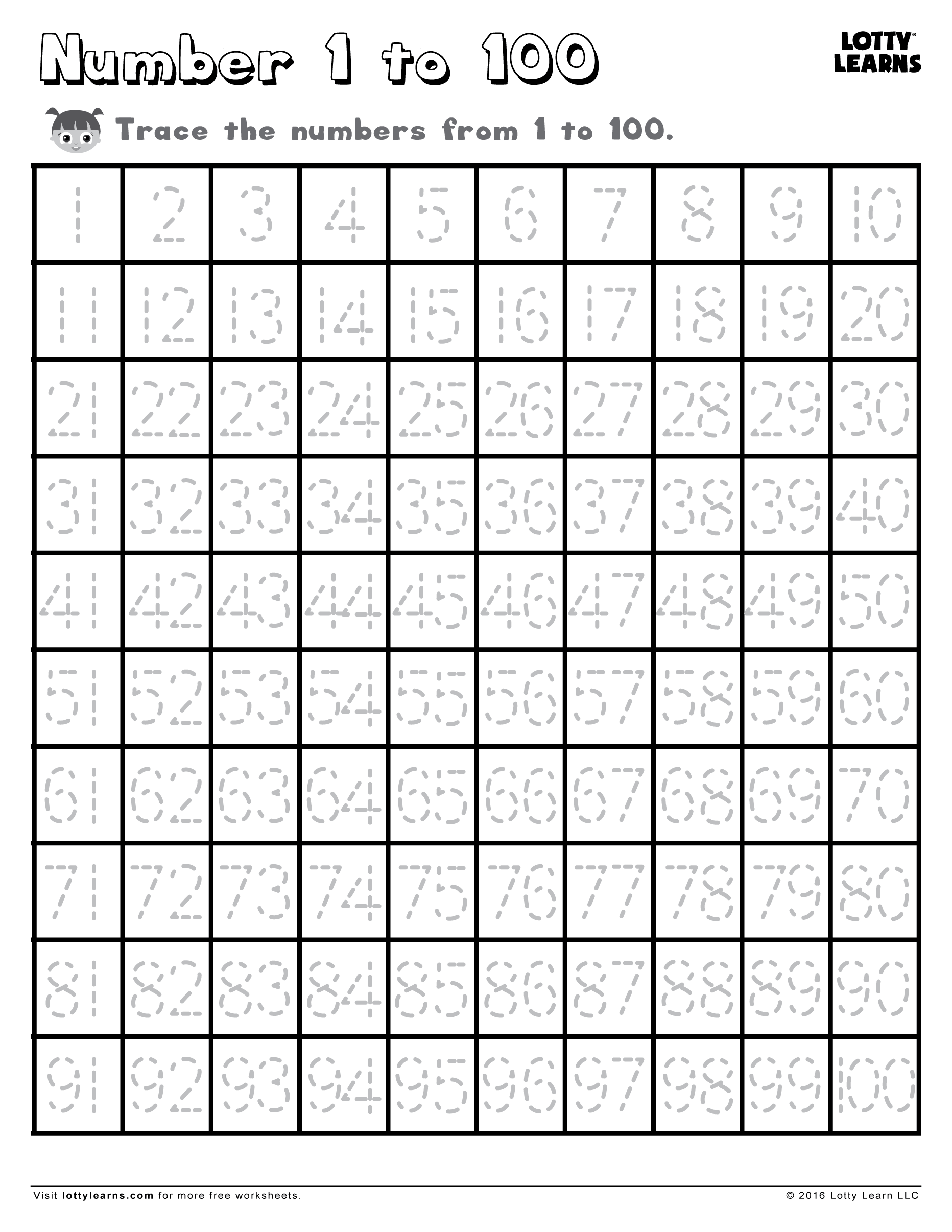
Many children recognize numerals long before their developing hands possess the intrinsic muscle strength required to form them on paper. According to the American Occupational Therapy Association, foundational fine motor control and bilateral coordination must develop synchronously to support functional handwriting tasks. Young learners often possess a clear mental picture of numbers well before pencil control catches up to intent. Bridging this gap requires structured, repeatable practice that respects physical development while building cognitive mastery. The free printable resource for tracin number 1-100 serves as an essential bridge, guiding young hands through the precise strokes needed for numeral formation without causing hand fatigue or frustration.
💡 Technical Key Takeaways:
- Core Focus: Diagnostic schematic and terminal connection layout for Tracin Number 1-100.
- Target Scope: Field technicians, automotive DIYers, and residential/commercial electricians.
- Safety Rule: Always disconnect the primary power source/battery terminal and verify zero voltage with a multimeter before touching wires.
What This Worksheet Covers
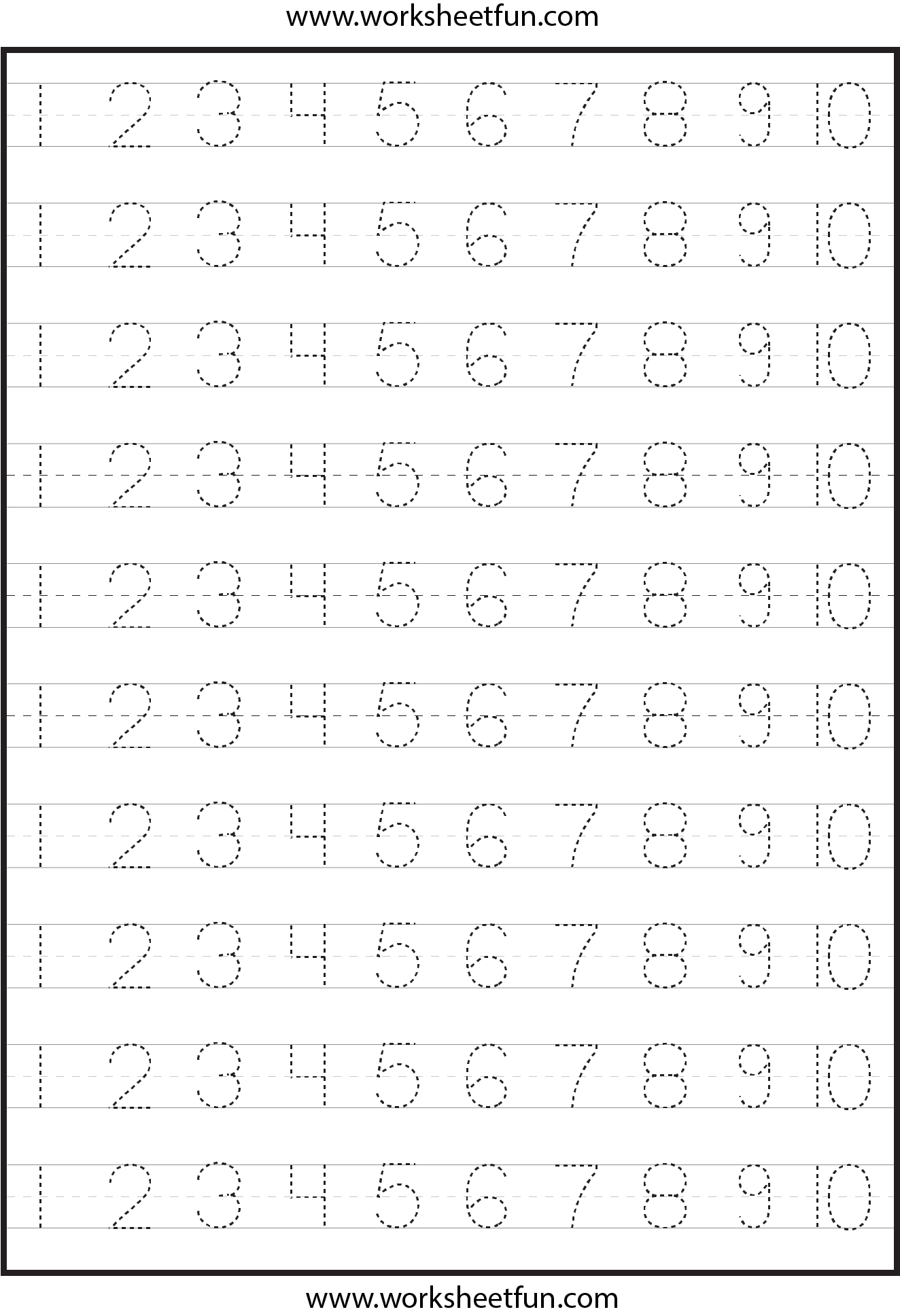
Mastering numerical symbols demands an understanding of stroke order, spatial awareness, and directional consistency. This resource provides a systematic progression from single digits through the hundreds chart, giving children ample space to build muscle memory. Every row introduces clear starting points and directional arrows that teach proper formation habits early. It sounds simple, and that’s the point: removing visual clutter helps learners focus purely on the motor plan required for each digit. Children encounter repeated exposures to foundational strokes like vertical lines, curves, and loops, which reinforces both mathematical sequencing and graphomotor control simultaneously. Exploring related tools found in Tracing Number collections can further support this foundational numerical fluency.
Key Learning Outcomes
Consistent interaction with these pages yields measurable gains across multiple developmental domains. Learners internalize standard numeral formation habits, ensuring that numbers like 6, 8, and 5 are approached with correct stroke sequences rather than erratic scribbles. Spatial orientation improves dramatically as children learn to stay within designated lines and maintain appropriate sizing across the page. Counting sequence fluency strengthens simultaneously, connecting the tactile act of writing with numerical value comprehension. Hand-eye coordination also sharpens, as visual tracking guides the pencil tip precisely along the dotted paths from left to right and top to bottom. For broader foundational skill-building, pairing these activities with resources from Fine Motor and Pre-Writing Skills helps prepare small hands for extended writing tasks.
How to Use This Worksheet
Implementation requires a balance of structure and gentle guidance to keep young learners motivated. Educators and caregivers should introduce the sheets during calm periods when children are physically rested and ready to concentrate. It helps to laminate pages or slide them into clear plastic sleeves for use with dry-erase markers, allowing children to wipe away mistakes and try again without paper tearing or discouragement. According to Reading Rockets, multisensory strategies significantly improve letter and number retention among early learners. Incorporating tactile elements, such as having a child trace the numeral in the air or in a tray of salt before touching the pencil to paper, builds stronger neural pathways for formation.
Practical Tips for Parents and Teachers
Adults play a critical role in modeling appropriate pencil grip and posture before marking begins. Ensure the feet flat on the floor and the non-dominant hand stabilizes the paper to encourage bilateral integration. Scaffolding is vital; rather than demanding completion of all one hundred numbers in a single sitting, break the pages into manageable chunks like rows of ten. Adults should observe closely for fatigue, indicated by an overly tight white-knuckle grip or drooping posture, and pause the activity when hands grow tired. Extending the learning naturally can involve counting physical objects in the room that match the numbers currently being traced, merging abstract symbols with concrete reality. Additional guided formation practice is also available through Dotted Letters For Tracing categories.
Age-Appropriate Recommendations
Developmental expectations must align with child capabilities based on recognized educational frameworks. According to the National Association for the Education of Young Children Developmentally Appropriate Practice guidelines, children aged two to four benefit primarily from large-motor tracing, vertical surface work, and early pre-writing strokes rather than prolonged desk work. For this younger cohort, exploring shapes and lines found in Shape and Line Tracing builds the requisite shoulder and wrist stability. Conversely, children aged five to eight are developmentally primed for the refined finger dexterity required by the full one-hundred chart, aligning directly with early elementary math and handwriting milestones.
Foundational fine motor control and bilateral coordination must develop synchronously to support functional handwriting tasks. — American Occupational Therapy Association
Frequently Asked Questions
Clear answers to common questions help caregivers maximize the benefits of these printable resources while supporting a positive, stress-free learning environment at home or inside the classroom.
Explore More Free Printable Tracing Worksheets
Supporting a child through the journey of early literacy and numeracy requires a diverse collection of engaging, accessible tools. The complete library at KidTraces.com offers hundreds of carefully designed resources covering everything from alphabet formation to seasonal handwriting practice. Caregivers and educators can easily find materials tailored to specific developmental stages, ensuring every child receives the right level of challenge and encouragement. Explore the full range of options across categories like Tracing Worksheets and Alphabet And Numbers Tracing to keep early writing sessions fresh, purposeful, and fun every single day.
Quick Wiring Specifications & Terminal Guide
| Component / Circuit | Standard Wire Gauge | Recommended Protection |
|---|---|---|
| Control & Trigger Signals | 18 – 20 AWG | 5A – 7.5A Inline Fuse |
| Standard Auxiliary Load | 14 – 16 AWG | 15A – 20A Circuit Breaker |
| Main Power Feed / Supply | 10 – 12 AWG | 30A – 40A Heavy-Duty Relay |
Images References