Introduction
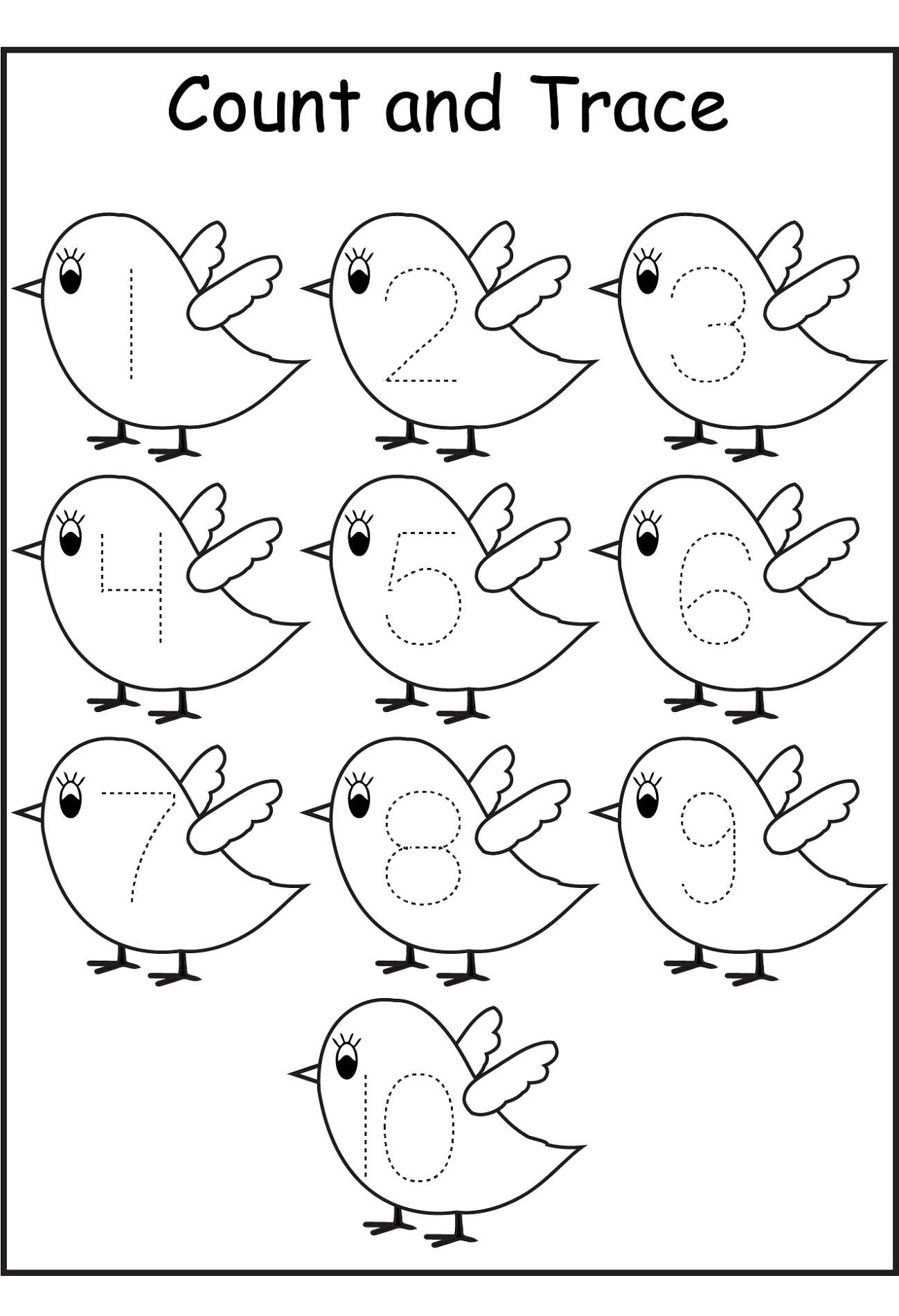
Many children recognize numerals long before their fine motor control allows them to properly form those digits on paper. According to the National Association for the Education of Young Children (NAEYC), developmentally appropriate practice requires supporting young learners through hands-on, meaningful exploration rather than rote desk drills. Mastering numeral creation is a critical milestone that bridges early cognitive math concepts with physical literacy. The free printable number formation ideas kindergarten,3″,1″,33.33%”,10″” provides structured, multi-sensory tracing pathways designed to build confidence. Bridging the gap between seeing a number and successfully writing it demands deliberate scaffolding, patience, and the right toolset.
💡 Technical Key Takeaways:
- Core Focus: Diagnostic schematic and terminal connection layout for Number Formation Ideas Kindergarten”,3″,1″,33.33%”,10″.
- Target Scope: Field technicians, automotive DIYers, and residential/commercial electricians.
- Safety Rule: Always disconnect the primary power source/battery terminal and verify zero voltage with a multimeter before touching wires.
What This Worksheet Covers
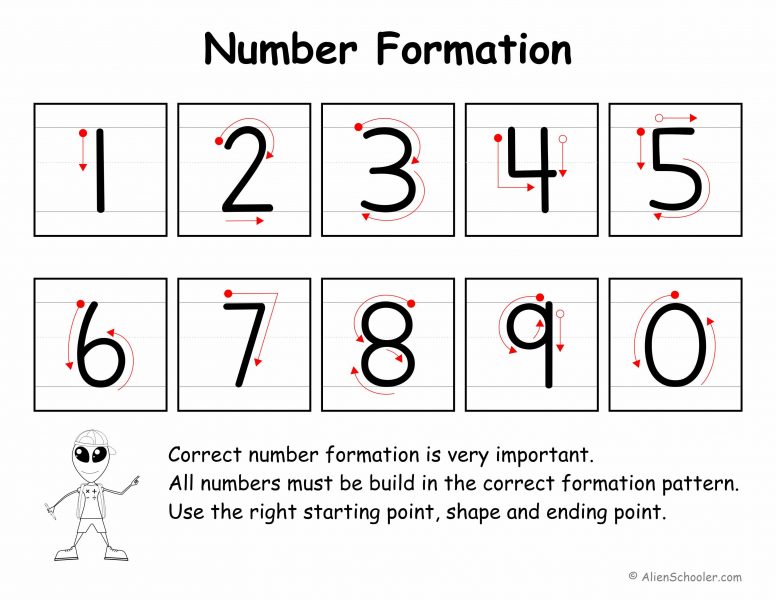
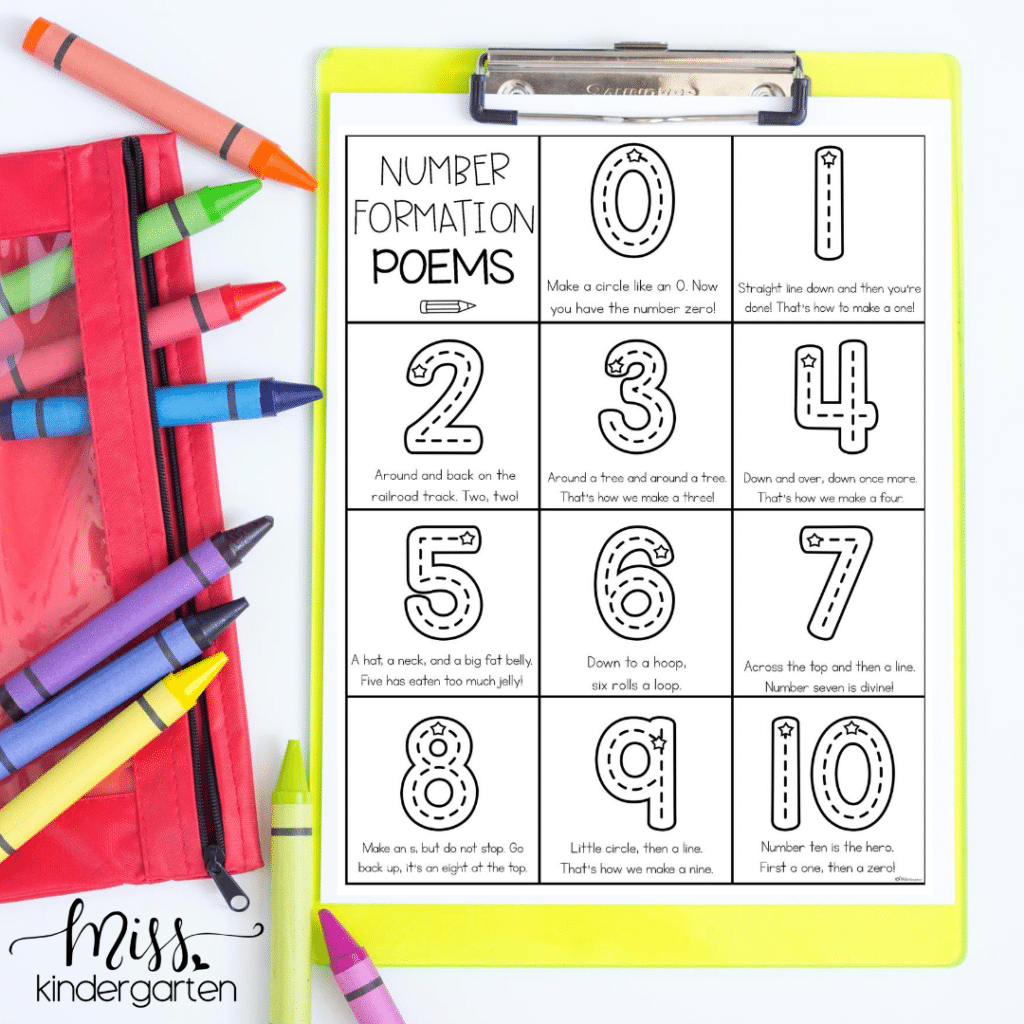
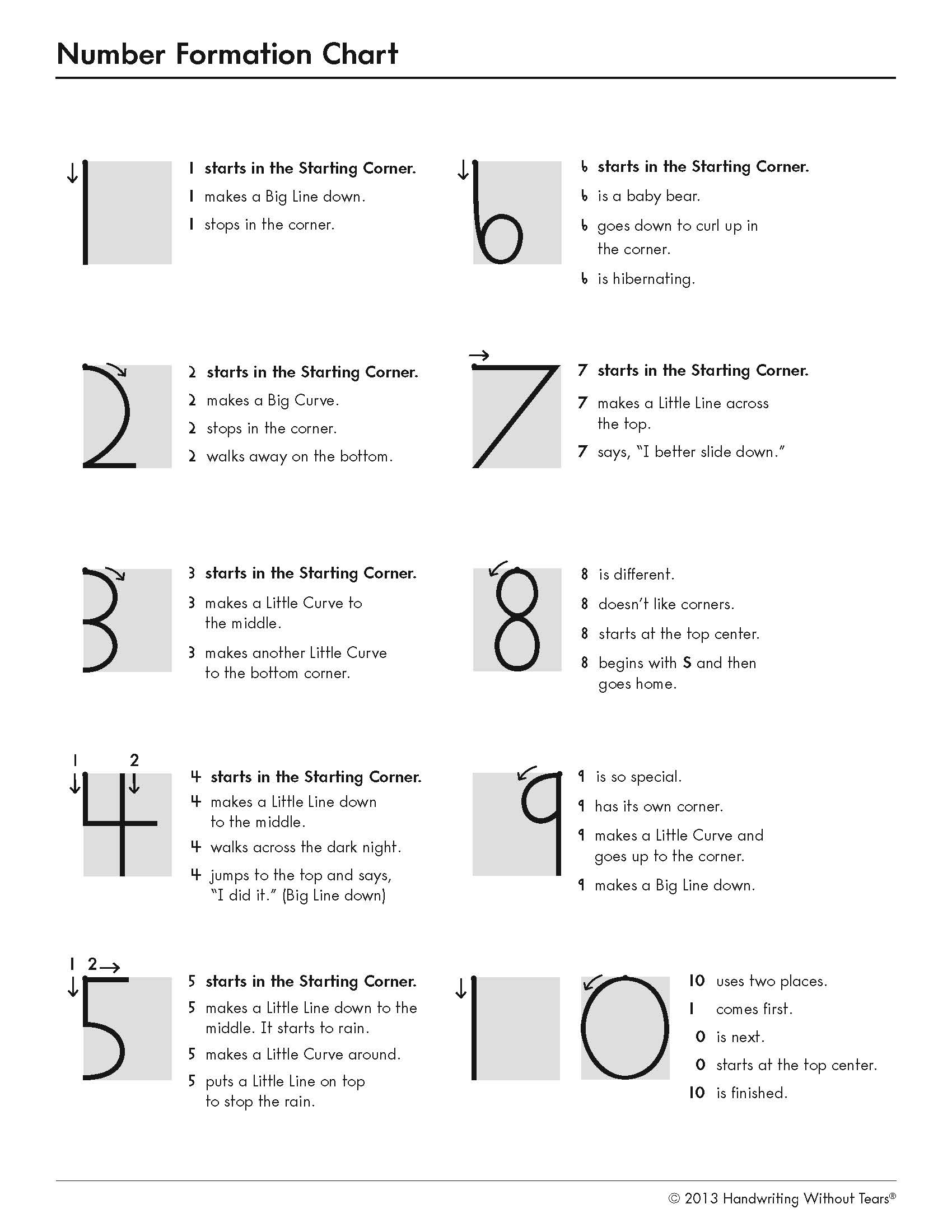
Building foundational math readiness requires deliberate practice with stroke order, directional arrows, and spatial orientation. This printable resource targets the precise mechanics of digit creation, helping learners understand where each stroke begins and ends. It sounds simple, and that’s the point: clear visual cues remove the guesswork from writing. Children transition from vague scribbles to controlled, recognizable digits by following distinct directional markers embedded within each character.
Key Learning Outcomes
Learners using these guides develop consistent stroke sequencing, starting at the correct orientation every single time. Visual-motor integration improves as hand-eye coordination guides pencils along targeted paths. Spatial awareness is reinforced as digits fit neatly within structured writing boundaries. Additionally, muscle memory takes root, turning mechanical hand movements into automatic habits that reduce writing fatigue during longer school tasks.
How to Use This Worksheet
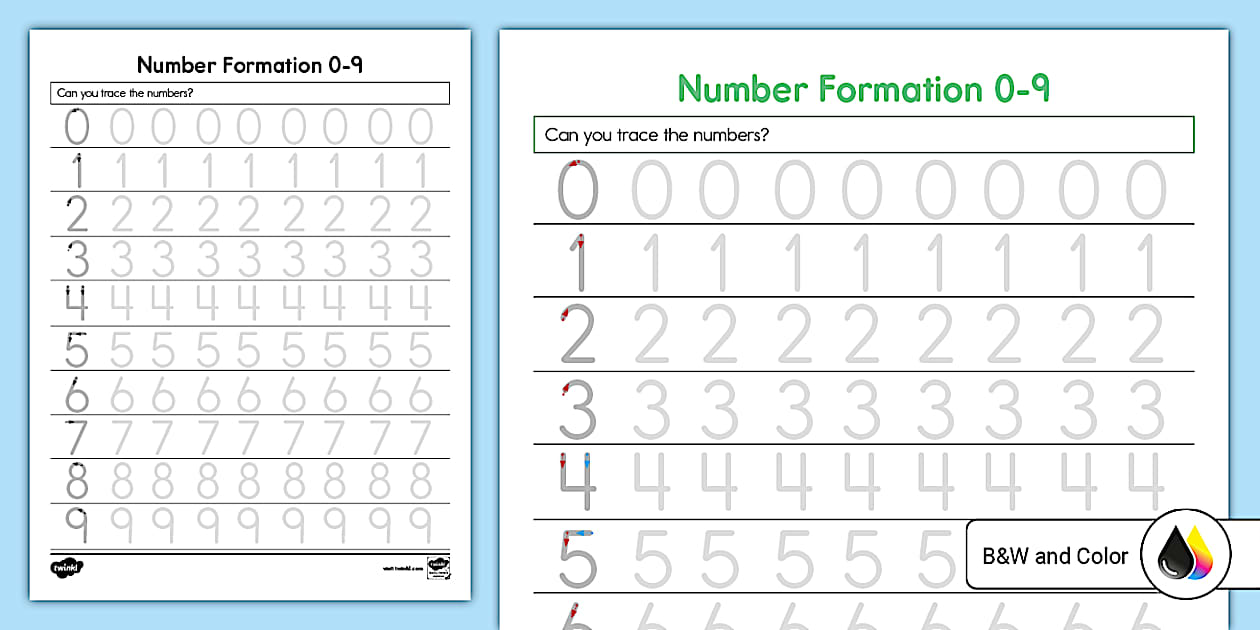
Effective implementation turns a simple sheet of paper into an engaging, low-stress learning session. Educators and caregivers should begin by modeling the stroke in the air or on a textured surface before touching a pencil to the page. It helps to pair the printable with tactile experiences, such as tracing the large featured digits with a finger dipped in sand or paint. Observing how a child holds a writing tool during this process ensures poor grip habits are gently corrected early on, preventing long-term strain.
Practical Tips for Parents and Teachers
Scaffolding instruction means meeting the learner at the exact current ability level. Adults can demonstrate proper pencil grip, encouraging a dynamic tripod grasp without forcing rigid finger positioning that causes hand cramping. Laminating the sheet or placing it inside a reusable dry-erase pocket invites low-stakes experimentation, allowing children to wipe away mistakes and try again immediately. When fatigue sets in, stop the session and transition to gross motor Fine Motor and Pre-Writing Skills activities like squeezing playdough or playing on monkey bars to build foundational shoulder and hand strength naturally.
Age-Appropriate Recommendations
For younger children ages two to four, the focus remains on gross motor movements, large vertical surfaces, and pre-writing strokes found in Shape and Line Tracing before tackling formal digit creation. According to the Centers for Disease Control and Prevention (CDC) developmental milestones, children typically begin drawing recognizable shapes and lines around preschool age, laying the groundwork for more complex writing tasks. Kindergarteners and early elementary students ages five through eight are ready for structured Tracing Number pages that emphasize pencil control, accurate start points, and consistent sizing within defined lines.
According to the American Occupational Therapy Association (AOTA), purposeful fine motor activities directly support classroom engagement and academic success. — AOTA Practice Guidelines
Frequently Asked Questions
Clear answers to common questions help caregivers maximize the benefits of daily writing practice.
Explore More Free Printable Tracing Worksheets
Supporting a young writer involves offering a diverse variety of engaging practice materials tailored to every developmental stage. Exploring the full collection of resources available across KidTraces.com gives educators and families endless options for targeted skill-building. Discover seasonal practice sheets by visiting Seasonal and Fun Themes, or explore foundational letter formation with Alphabet And Numbers Tracing. Every child deserves access to high-quality tools that transform learning into a joyful daily habit.
Quick Wiring Specifications & Terminal Guide
| Component / Circuit | Standard Wire Gauge | Recommended Protection |
|---|---|---|
| Control & Trigger Signals | 18 – 20 AWG | 5A – 7.5A Inline Fuse |
| Standard Auxiliary Load | 14 – 16 AWG | 15A – 20A Circuit Breaker |
| Main Power Feed / Supply | 10 – 12 AWG | 30A – 40A Heavy-Duty Relay |
Images References