Introduction
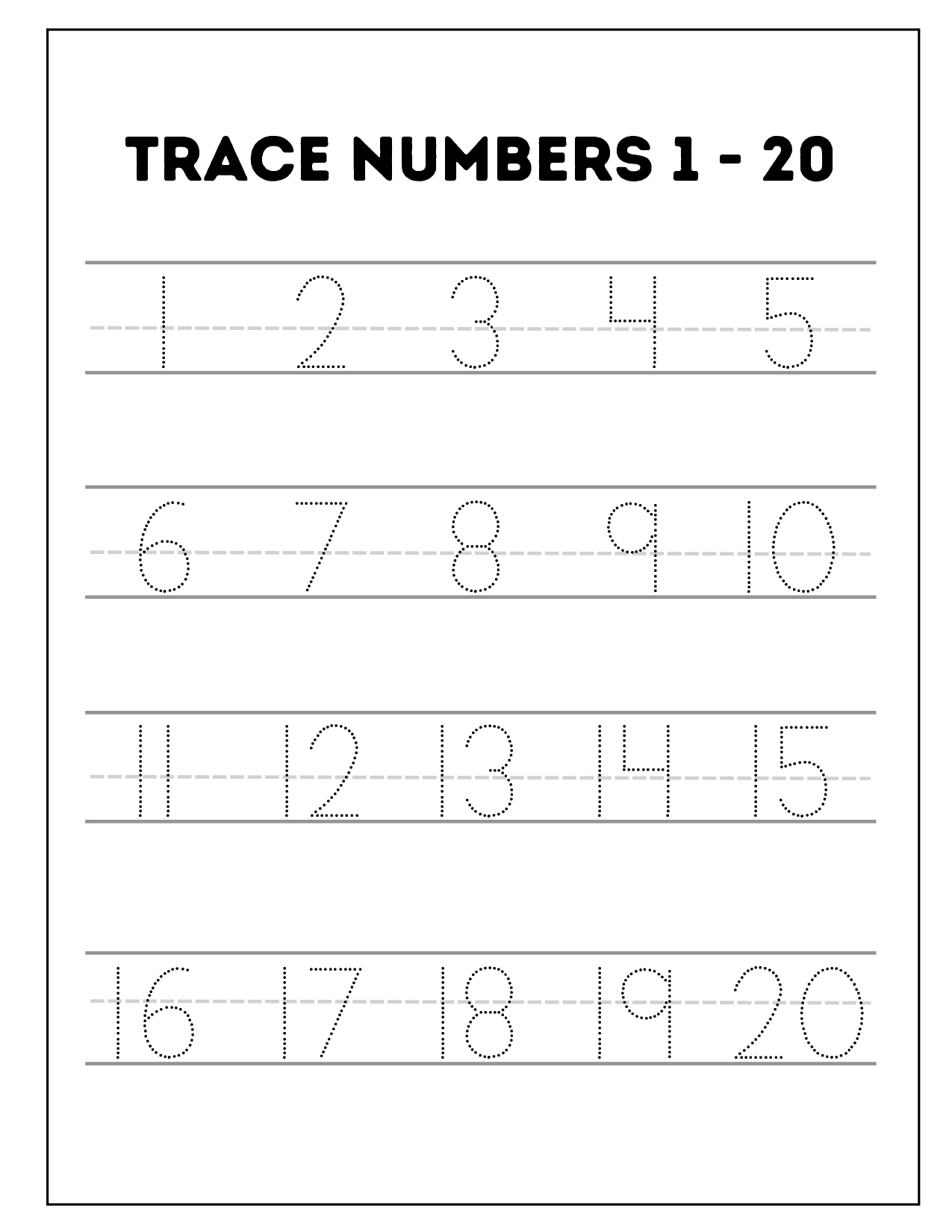
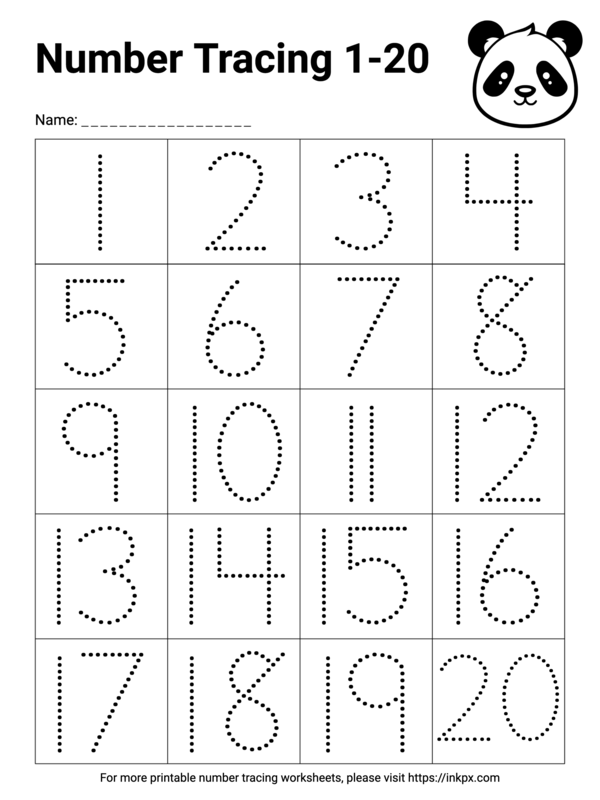
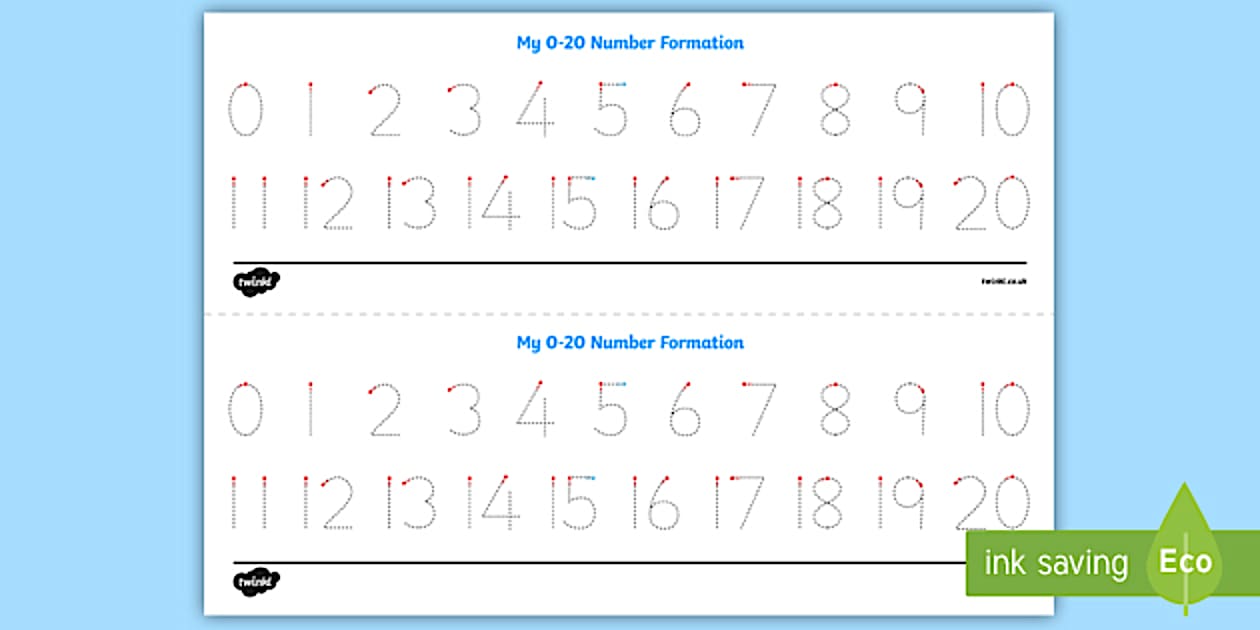
Many children recognize numerals long before their developing hands possess the precise finger dexterity and intrinsic muscle strength required to form them cleanly on paper. According to the American Occupational Therapy Association, foundational fine motor control and bilateral coordination are essential prerequisites for functional handwriting and numeral formation. Bridging this gap between cognitive understanding and physical execution requires intentional, structured guidance that supports muscle memory without causing hand fatigue. The free printable 1-20 number formation practise provides an ideal canvas for young learners to master stroke order, pencil control, and directional habits. Every stroke matters when building lifelong writing confidence, and starting with reliable Tracing Number resources sets the stage for academic success. Early childhood environments thrive on materials that honor physical readiness while encouraging purposeful skill acquisition through systematic repetition.
💡 Technical Key Takeaways:
- Core Focus: Diagnostic schematic and terminal connection layout for 1-20 Number Formation Practise.
- Target Scope: Field technicians, automotive DIYers, and residential/commercial electricians.
- Safety Rule: Always disconnect the primary power source/battery terminal and verify zero voltage with a multimeter before touching wires.
What This Worksheet Covers
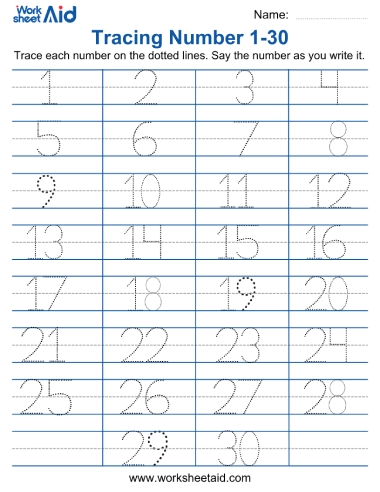
This targeted educational resource guides children systematically through the foundational numbers from one to twenty, reinforcing correct stroke sequences and spatial awareness. Each numeral features explicit visual cues, including clear starting points and directional arrows that teach children how to move their writing tools fluidly from top to bottom and left to right. Young learners often struggle with reversals, such as writing backwards threes or mirrored fives, which makes structured layout design particularly crucial for cognitive retention. By isolating each digit within dedicated tracing lines, the layout prevents visual clutter and helps children maintain focus on individual motor plans. Exploring these structured number sheets naturally complements broader foundational work found across various Tracing Worksheets, ensuring a well-rounded approach to early pencil mastery.
Key Learning Outcomes
Engaging with this systematic number formation resource helps children internalize correct stroke sequences, reducing the likelihood of ingrained motor habits that cause hand strain later in elementary school. Learners develop critical visual-motor integration skills as their eyes guide their hands along the dotted pathways, matching physical output with visual expectations. Spatial awareness improves significantly as children practice fitting numbers neatly within designated writing boundaries, balancing size and proportion across the entire page. Furthermore, consistent engagement builds intrinsic hand strength and endurance, transforming shaky, hesitant lines into smooth, confident strokes across all twenty numerals.
How to Use This Worksheet
Facilitating successful tracing sessions involves balancing independence with gentle, real-time posture and grip corrections. Adults should encourage children to sit with both feet flat on the floor, hips and knees at ninety-degree angles, and paper slightly slanted to match the natural angle of the writing hand. It sounds simple, and that is the point: ergonomic positioning prevents early fatigue and supports sustained focus during longer practice blocks. Adults can introduce each number by air-writing the digit together, letting the child trace the shape in the air or on a textured surface before touching pencil to paper. This multisensory preparation activates neural pathways associated with motor planning, making the transition to the printed page remarkably smooth.
Practical Tips for Parents and Teachers
Modeling correct pencil grip remains paramount; encourage a functional tripod grasp where the pencil rests comfortably against the middle finger while stabilized by the thumb and index finger. Scaffolding the activity helps prevent overwhelm, meaning adults might isolate just numbers one through five during initial sessions before introducing the full numerical sequence up to twenty. Extending the learning comes naturally by having children count physical objects, such as counting out twenty counting bears or clapping twenty times, to connect abstract numerals with concrete quantities. Pausing frequently to shake out hands prevents cramping and keeps the experience positive, low-stress, and developmentally appropriate for young, growing joints.
Age-Appropriate Recommendations
According to the CDC developmental milestones, children typically begin recognizing and attempting to copy basic numbers and shapes around ages four to five. For younger learners aged two to four, the focus centers on gross motor preparation, pre-writing strokes, and finger isolation, aligning closely with the principles of Developmentally Appropriate Practice outlined by the National Association for the Education of Young Children. For older children in kindergarten through second grade, spanning ages five to eight, this resource serves as an effective tool for remediating reversals, refining pencil pressure, and building automated fluency. Teachers and homeschooling parents can integrate these pages seamlessly into math centers, morning work routines, or occupational therapy intervention plans to support diverse developmental profiles.
Foundational fine motor control and bilateral coordination are essential prerequisites for functional handwriting and numeral formation. — American Occupational Therapy Association
Frequently Asked Questions
Quick answers regarding downloading, printing, and maximizing the developmental benefits of these educational number formation printables.
Explore More Free Printable Tracing Worksheets
Supporting a child through every stage of early writing development requires a diverse collection of engaging, accessible printables. Alongside number mastery, exploring related foundational concepts helps cement overall pre-writing competence. Educators and families can discover a wide variety of supplementary materials by visiting the full library at KidTraces.com to find targeted practice pages tailored to every unique learning style.
Quick Wiring Specifications & Terminal Guide
| Component / Circuit | Standard Wire Gauge | Recommended Protection |
|---|---|---|
| Control & Trigger Signals | 18 – 20 AWG | 5A – 7.5A Inline Fuse |
| Standard Auxiliary Load | 14 – 16 AWG | 15A – 20A Circuit Breaker |
| Main Power Feed / Supply | 10 – 12 AWG | 30A – 40A Heavy-Duty Relay |
Images References