Introduction
Many children recognize letters, shapes, and numbers long before their fine motor skills can physically form them on a page. This common gap between cognitive understanding and physical execution often leads to frustration during early writing instruction. According to the National Association for the Education of Young Children, young children learn best through active engagement and hands-on experiences that bridge visual concepts with physical movement. Bridging that developmental gap requires purposeful practice that builds hand strength, spatial awareness, and visual-motor integration without causing burnout. Exploring the free printable resource examining what does line tracing in prek reinforce reveals a powerful pathway for developing foundational pencil control. Systematic tracing sheets offer low-stakes opportunities to master foundational pre-writing strokes before expecting complex letter formation.
💡 Educational Key Takeaways:
- Core Skill: Structured What Does Line Tracing In Prek Reinforce? focused on developing pencil grip, stroke control, and early literacy/math confidence.
- Target Scope: Suited for homeschoolers, preschool, kindergarten, and elementary learners.
- Best Recommendation: Practice 10–15 minutes daily with ergonomic writing tools to reinforce muscle memory without hand fatigue.
What This Worksheet Covers
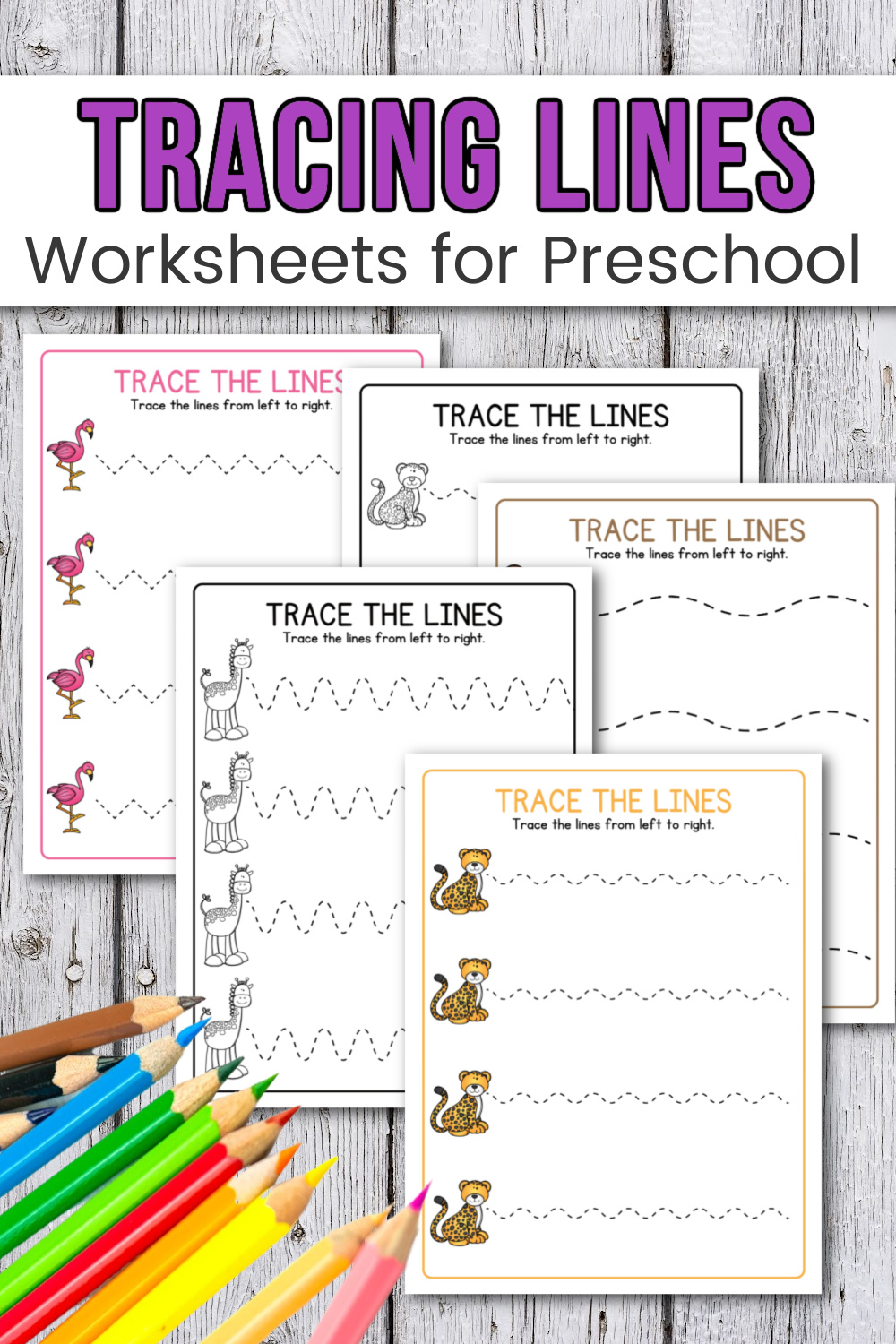
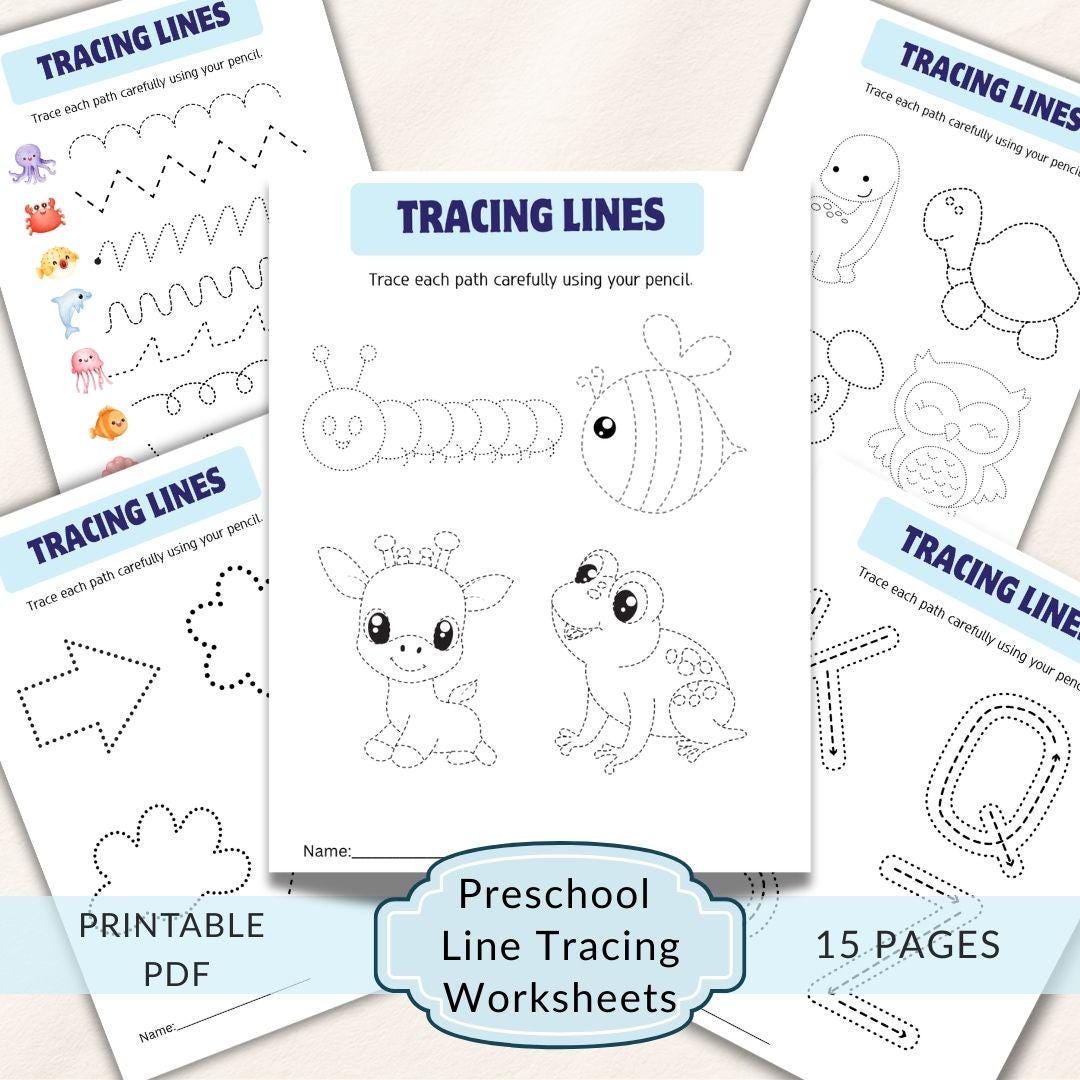
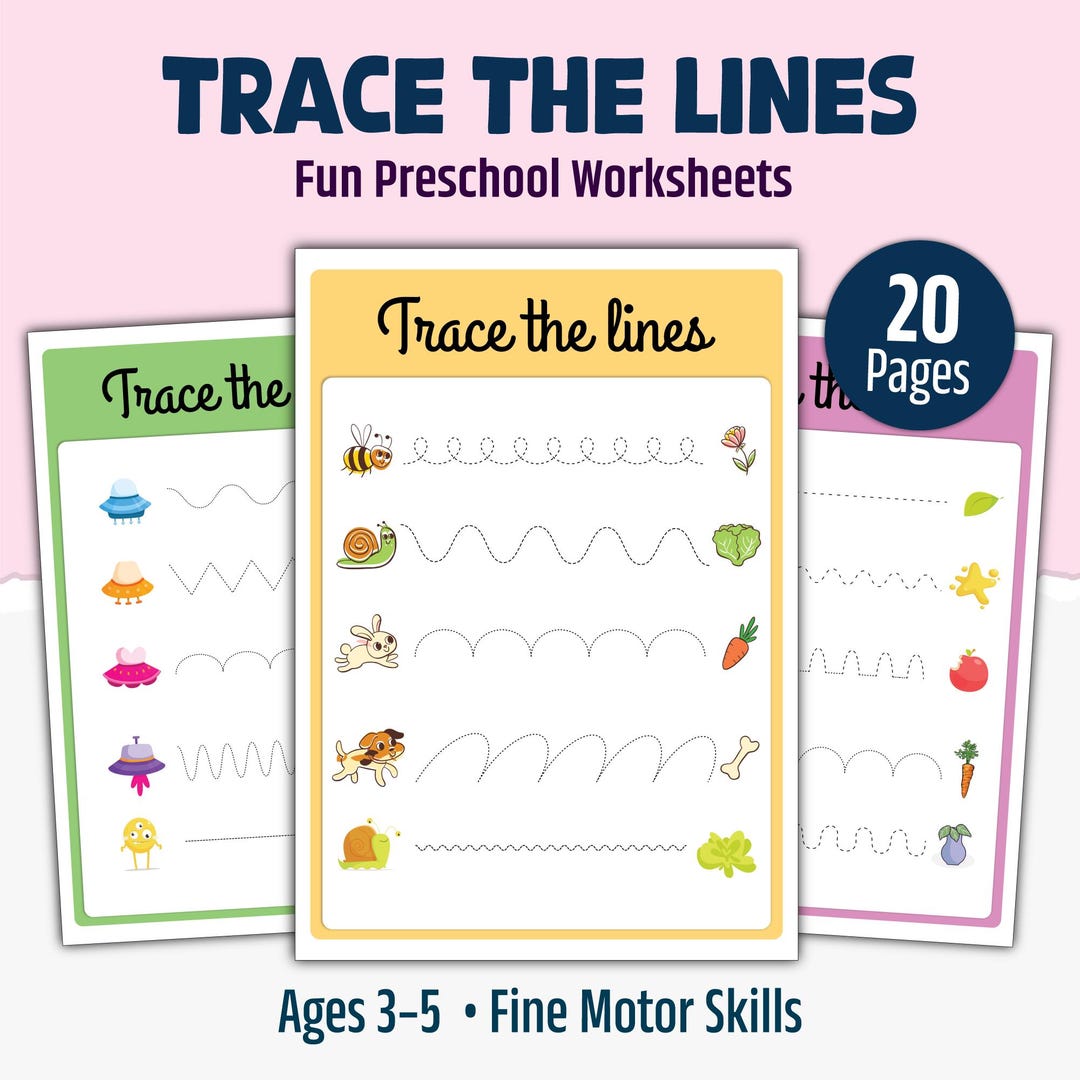
This targeted printout focuses explicitly on foundational pre-writing strokes, directional tracking, and pencil control through a structured progression of lines and simple geometric shapes. Children encounter vertical, horizontal, diagonal, and curved paths designed to mimic the exact motor patterns required for future handwriting success. It sounds simple, and that’s the point. By stripping away the pressure of spelling or letter recognition, learners concentrate entirely on maintaining continuous contact between the writing tool and the paper. Such targeted practice directly supports physical stamina in the small muscles of the hand. Caregivers seeking complementary skill-builders often explore comprehensive collections dedicated to Shape and Line Tracing to reinforce these essential physical habits.
Key Learning Outcomes
Working through these guided paths strengthens intrinsic hand muscles while refining pincer grasps essential for sustained writing. Learners naturally develop bilateral coordination by stabilizing the paper with one hand while executing precise movements with the dominant hand. Visual-motor integration improves significantly as eyes track ahead of the moving pencil tip to anticipate directional changes in curves and corners. Furthermore, repeated exposure to directional lines establishes crucial left-to-right visual tracking habits that directly impact future reading fluency. This careful preparation prevents awkward grip formations and reduces hand fatigue during longer academic tasks.
How to Use This Worksheet
Successful implementation relies on keeping the environment low-pressure and playful rather than demanding rigid perfection on every stroke. Adults should introduce the activity by demonstrating proper pencil grip and slow, controlled movement along the designated path. Allowing children to trace paths first with a bare index finger helps build sensory-motor memory before introducing a writing utensil. Laminating the sheet or slipping it inside a dry-erase sleeve transforms a single-use paper into a reusable center activity. Additional challenges can be found by navigating through specialized categories such as Fine Motor and Pre-Writing Skills.
Practical Tips for Parents and Teachers
Adults play a vital role in scaffolding this development by observing hand fatigue and knowing when to pause the activity. If a child’s knuckles turn white or the wrist hooks awkwardly, switching to shorter writing utensils like broken crayons or golf pencils naturally encourages a tripod grasp. Teachers often utilize vertical surfaces like easels or taped-up wall sheets to engage shoulder and wrist stability, which enhances distal control in the fingers. When struggling learners show signs of frustration, gently guiding their hand through the initial strokes builds the necessary confidence and muscle memory. Reinforcing success through consistent encouragement keeps motivation high during these critical developmental stages.
Age-Appropriate Recommendations
According to the CDC developmental milestones, toddlers around ages two and three typically begin imitating vertical and horizontal strokes, making simple continuous lines an ideal starting point. By ages four and five, children align with NAEYC developmentally appropriate practice standards by mastering complex diagonal lines, intersecting shapes, and controlled curve trajectories. Early childhood educators should scaffold expectations based on individual physical stamina rather than strict chronological age. For children ready to transition from abstract lines into early letter structures, exploring materials found under Alphabet And Numbers Tracing provides a seamless next step.
Young children develop foundational fine motor control and visual-motor integration through repetitive, playful engagement with pre-writing stroke patterns before mastering formal handwriting. — National Association for the Education of Young Children (NAEYC)
Frequently Asked Questions
Navigating early childhood writing instruction raises practical questions for educators and families supporting young learners at home or inside the classroom environment.
Systematic tracing of lines and shapes builds the exact visual-motor control, hand strength, and stroke fluency required for letter formation. — American Occupational Therapy Association (AOTA)
Explore More Free Printable Tracing Worksheets
Supporting a young writer requires a steady supply of engaging, developmentally appropriate materials that grow alongside the child’s expanding capabilities. Every learner progresses at an individual pace, benefiting from diverse themes and gradual complexity increases that maintain high intrinsic motivation. Educators, homeschooling families, and caregivers can discover an extensive library designed to foster confidence and joyful learning by visiting KidTraces.com for all printing needs. Browse through curated categories including Seasonal and Fun Themes to keep practice fresh and exciting throughout the entire academic year.
Developmental Milestone & Activity Table
| Development Stage | Recommended Daily Duration | Primary Learning Objective |
|---|---|---|
| Preschool & Pre-K | 10 – 15 Minutes | Pencil grip development & basic pre-stroke lines |
| Kindergarten | 15 – 20 Minutes | Letter/number formation & spatial line awareness |
| Early Elementary (Grade 1–2) | 20 – 30 Minutes | Fluency, sentence construction & neatness |
Images References