Introduction
Many young children recognize letters, shapes, and numbers long before their fine motor systems possess the strength and coordination to cleanly form them on standard paper. According to the National Association for the Education of Young Children (NAEYC), developmentally appropriate practice requires engaging young learners through multisensory experiences that build foundational physical control before demanding strict pencil-and-paper mastery. Long before a child grips a standard writing instrument, the tactile foundation for handwriting is built through large-muscle movements, sensory exploration, and continuous curve control. The “tracing circles in sand” activity bridges this exact developmental gap by offering a tactile, low-pressure environment where pre-writing movements can take root naturally. It sounds simple, and that is precisely the point. By channeling movement through sensory mediums, children develop the spatial awareness and muscle memory essential for future writing success without the early frustration of graphite on paper.
💡 Educational Key Takeaways:
- Core Skill: Structured Tracing Circles In Sand focused on developing pencil grip, stroke control, and early literacy/math confidence.
- Target Scope: Suited for homeschoolers, preschool, kindergarten, and elementary learners.
- Best Recommendation: Practice 10–15 minutes daily with ergonomic writing tools to reinforce muscle memory without hand fatigue.
What This Worksheet Covers
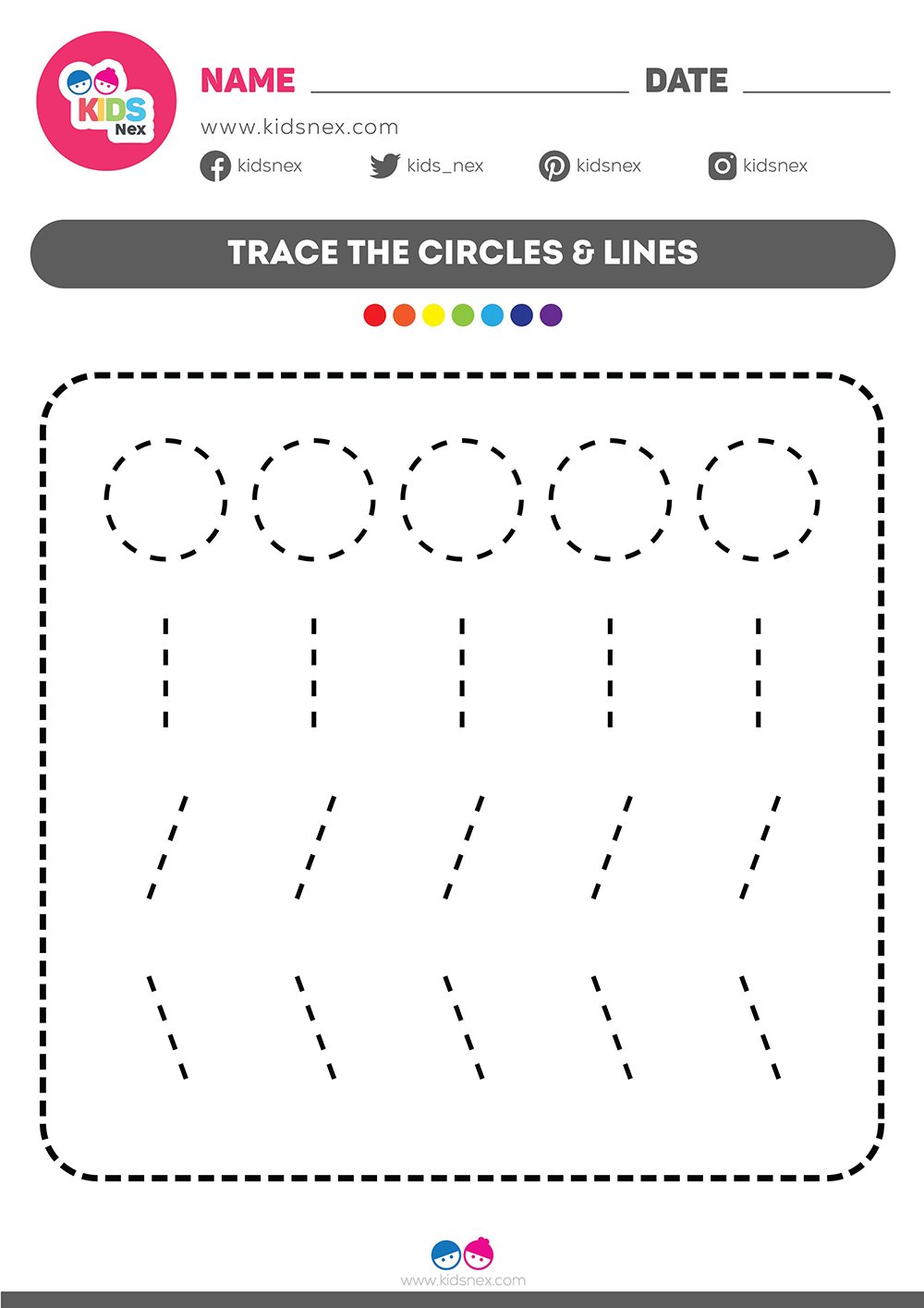
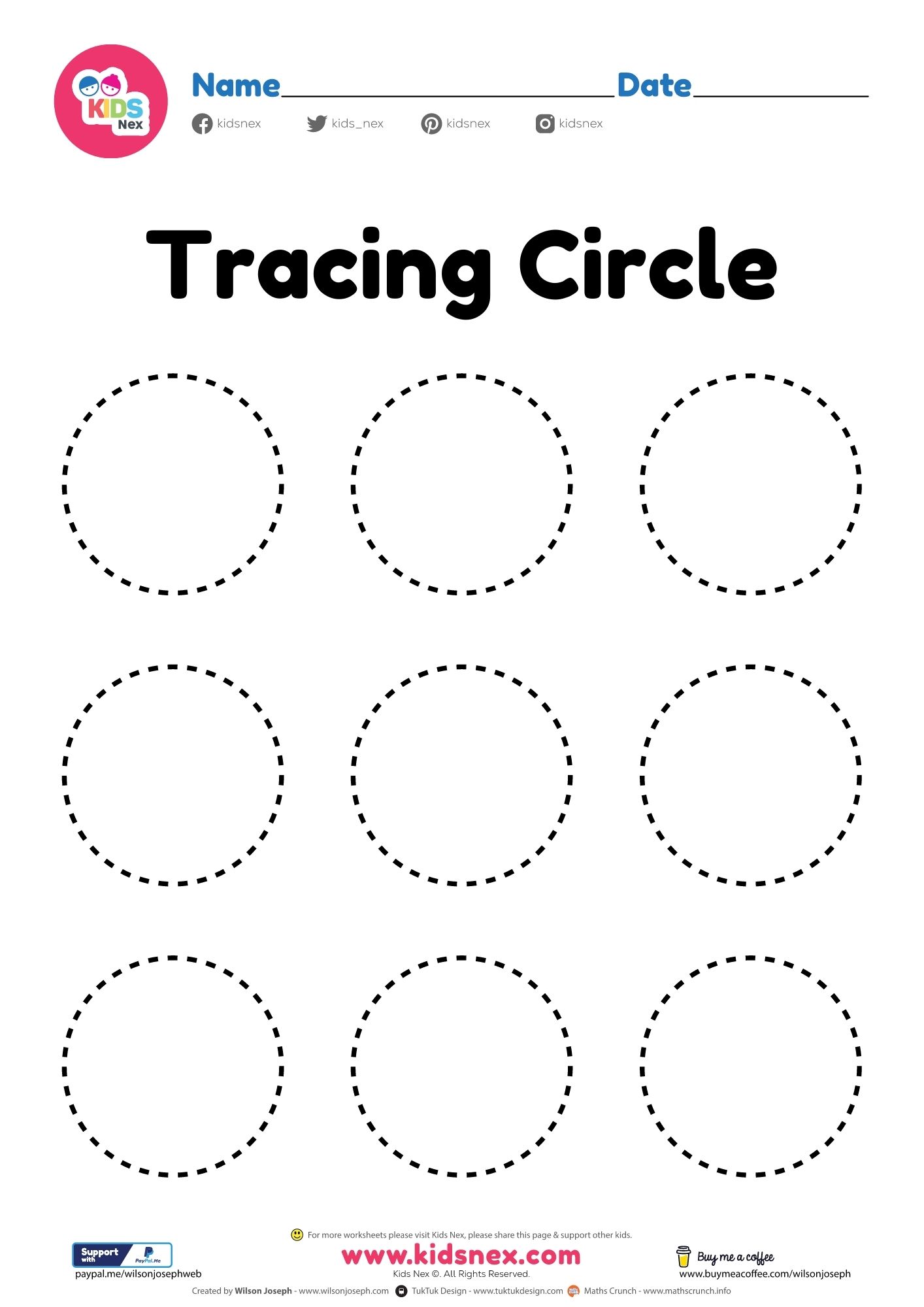
This foundational resource centers on continuous curve control, bilateral coordination, and fluid stroke directionality. Tracing circles requires a coordinated blend of visual-motor integration and sustained wrist rotation, which challenges young hand muscles differently than straight-line practice. Practitioners often observe that while children readily draw vertical and horizontal strokes, curved and circular motions demand greater proprioceptive feedback from the shoulder, elbow, and wrist joints. This printable guide provides structured visual cues that help children conceptualize the continuous flow required to close a loop properly. Transitioning from large, whole-arm circular motions down to smaller, wrist-and-finger-led formations represents a major milestone in early childhood development. This progression directly supports the mechanics found in comprehensive Shape and Line Tracing curricula, preparing young hands for the complex demands of formal letter and number formation.
Key Learning Outcomes
Engaging with this circular tracking activity fosters continuous fluid movement, teaching children how to maintain consistent contact and pressure along a curved trajectory. Learners naturally build anti-clockwise or clockwise stroke habits that align with standard letter formation patterns for characters like ‘c’, ‘o’, ‘a’, and ‘g’. The physical resistance provided by simulated or physical sand strengthens the intrinsic hand muscles and stabilizes the arches of the palm, which ultimately combats writing fatigue. Furthermore, visual tracking improves as the eyes guide the hand smoothly along a continuous perimeter, reinforcing the left-to-right scanning patterns critical for early literacy. Children also gain emotional confidence because errors are instantly erasable with a gentle wipe, transforming potential frustration into an inviting game of repetition and mastery.
How to Use This Worksheet
Implementation begins by establishing a comfortable seating posture where the feet rest flat on the floor and the hips and knees form comfortable ninety-degree angles. Adults can introduce the concept by first tracing the circular paths in the air, utilizing whole-arm movements originating from the shoulder to engage large muscle groups. When transitioning to tactile exploration, placing a shallow tray of real sand, salt, or cornmeal directly over or beside the visual prompts provides instant sensory feedback. It sounds simple, but watching the resistance of the medium teaches children how much downward pressure is necessary for stable control. As learners grow more confident, the activity shifts toward tighter, more controlled wrist movements that mirror the precision required for standard Fine Motor and Pre-Writing Skills development.
Practical Tips for Parents and Teachers
Encouraging an optimal grasp involves letting children use their index fingers rather than whole-hand raking motions to trace the curved paths. Adults should model starting at the correct clock-face position, typically the top-center or two-o’clock position, to establish healthy directional habits early on. Scaffolding the experience means guiding a child’s hand gently through the first few rotations before allowing them to complete the remaining circles independently. When fatigue sets in, pausing the activity prevents the formation of poor compensatory hand postures that can be difficult to correct later. Introducing variations, such as using a blunt cotton swab or paintbrush handle instead of a finger, adds an extra layer of grip conditioning that bridges the gap between tactile play and traditional pencil use, perfectly complementing broader Tracing Worksheets practice.
Age-Appropriate Recommendations
For toddlers aged two to four, the focus aligns closely with the NAEYC guidelines on sensory-rich, exploratory play where large-scale arm movements and bilateral coordination take precedence over precision. At this stage, children explore circles as whole-body or whole-arm gestures, building the foundational shoulder stability required for later fine motor tasks. As children transition into the five-to-eight age bracket, expectations shift toward refined wrist and finger dissociation, aligning with developmental benchmarks outlined in standard occupational therapy frameworks. Older children use these circular pathways to fine-tune letter closure, spacing, and proportional control, ensuring their handwriting remains legible and fluid. According to the American Occupational Therapy Association (AOTA), purposeful sensory-based motor activities significantly enhance the neural pathways responsible for functional hand skills in early childhood education.
Purposeful sensory-motor activities significantly enhance the neural pathways responsible for functional hand skills in early childhood education. — American Occupational Therapy Association (AOTA)
Frequently Asked Questions
Finding clear answers regarding early motor development and resource usage helps caregivers maximize the benefits of these printable tracing tools.
Explore More Free Printable Tracing Worksheets
Supporting a child’s journey toward confident writing involves a rich variety of engaging, developmentally appropriate practice materials that keep young learners motivated. Exploring diverse pre-writing paths helps maintain enthusiasm while systematically targeting different muscle groups and cognitive milestones. Every child progresses at a unique pace, and having access to a broad library of targeted resources makes it easy to adapt to changing developmental needs. Discover the full collection of learning aids and printable resources by visiting KidTraces.com to support every step of the early childhood handwriting journey.
Developmental Milestone & Activity Table
| Development Stage | Recommended Daily Duration | Primary Learning Objective |
|---|---|---|
| Preschool & Pre-K | 10 – 15 Minutes | Pencil grip development & basic pre-stroke lines |
| Kindergarten | 15 – 20 Minutes | Letter/number formation & spatial line awareness |
| Early Elementary (Grade 1–2) | 20 – 30 Minutes | Fluency, sentence construction & neatness |
Images References