Introduction
Many young children recognize complex shapes and letters long before their fine motor systems possess the strength and coordination to actually form them on paper. According to the American Occupational Therapy Association, foundational hand strength and tactile feedback are essential prerequisites for successful pencil control and handwriting mastery. Bridging this developmental gap requires multisensory tools that build intrinsic hand muscles without causing early fatigue or frustration. The wiki stix tracing shapes free download offers a brilliant hands-on bridge, allowing learners to press pliable, wax-coated yarn directly onto geometric outlines. It sounds simple, and that’s the point. By transforming abstract lines into tangible, tactile pathways, adults can guide children through critical pre-writing strokes using the Shape and Line Tracing collection long before a traditional pencil touches a sheet of paper.
💡 Educational Key Takeaways:
- Core Skill: Structured Wiki Stix Tracing Shapes Free Download focused on developing pencil grip, stroke control, and early literacy/math confidence.
- Target Scope: Suited for homeschoolers, preschool, kindergarten, and elementary learners.
- Best Recommendation: Practice 10–15 minutes daily with ergonomic writing tools to reinforce muscle memory without hand fatigue.
What This Worksheet Covers
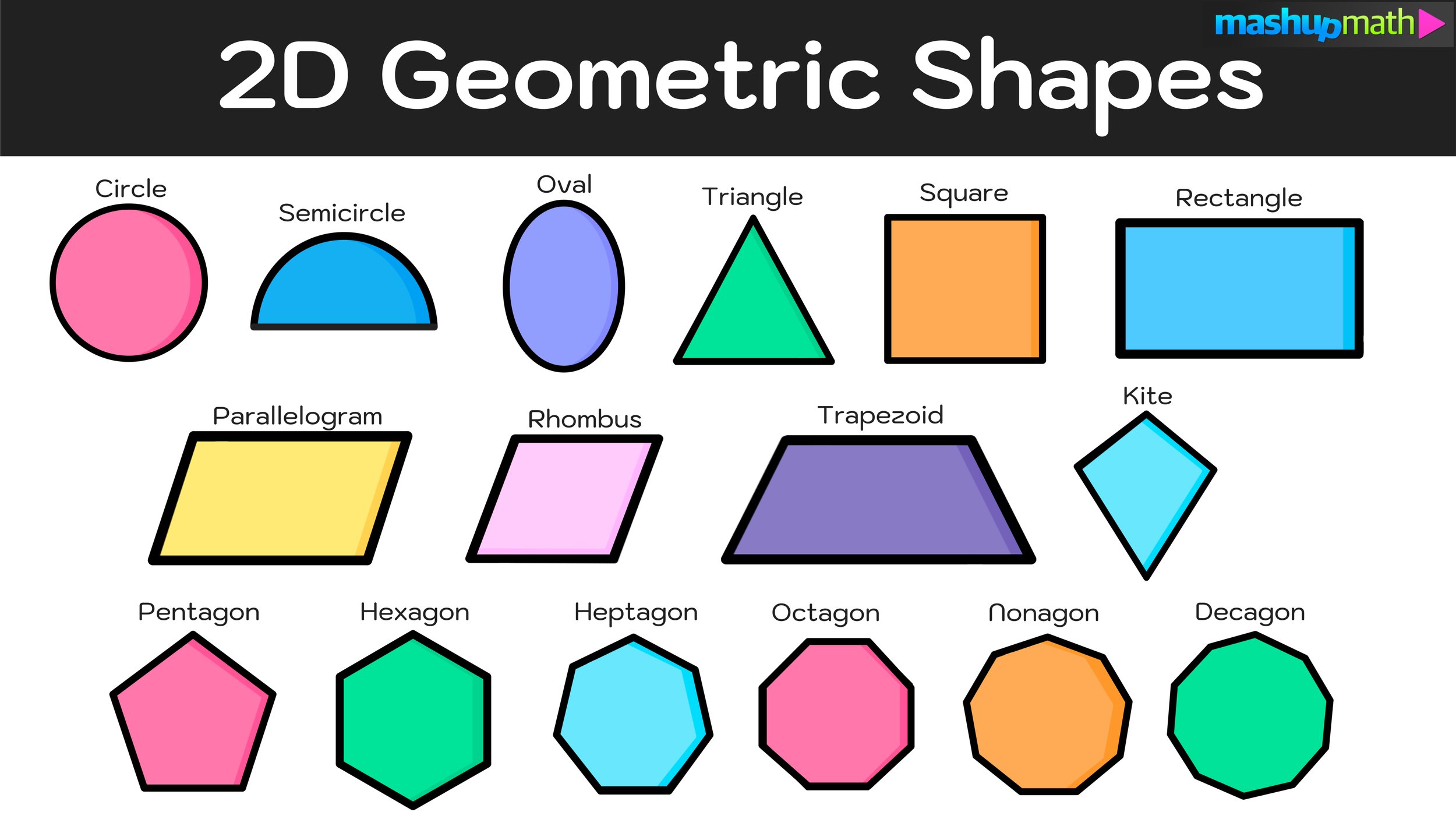
This versatile printable material focuses on foundational geometry and linear control, featuring clean outlines of circles, squares, triangles, rectangles, and complex intersecting paths. Each printable sheet is specifically engineered to give young hands clear boundaries, offering both visual and physical guidance as learners manipulate flexible wax yarn along the contours. The activity directly targets the visual-motor integration skills required to process what the eyes see and translate those exact spatial patterns into controlled hand movements. Practitioners frequently observe that children who struggle with standard pencil worksheets suddenly thrive when given a tactile medium that stays put on the page. Exploring the broader Fine Motor and Pre-Writing Skills hub reveals how these foundational geometric shapes form the literal building blocks of uppercase and lowercase alphabet construction.
Key Learning Outcomes
Engaging with this tactile shape activity yields measurable developmental milestones across multiple domains of early childhood education. Learners build profound bilateral coordination by holding the paper steady with one hand while precisely pressing and bending wax strips with the dominant hand. Finger isolation and intrinsic hand strength improve dramatically as children squeeze, shape, and flatten the wax yarn against the printed outlines. Visual-spatial awareness deepens organically as learners navigate corners, curves, and closed loops, mastering the precise directionality required for future letter formation. Hand-eye coordination is constantly reinforced as the brain monitors the alignment between the physical yarn and the printed graphic boundaries. Furthermore, completing these tactile circuits fosters sustained focus, self-regulation, and genuine confidence in early learners facing new academic challenges.
How to Use This Worksheet
Implementing this resource effectively starts with laminating the printable templates or sliding them inside heavy-duty clear plastic sheet protectors to ensure durability. Children select colorful strands of flexible wax yarn, gently pressing the material down along the printed shape borders from designated starting points. According to the National Association for the Education of Young Children, active, hands-on manipulation of physical materials significantly enhances cognitive retention and motor planning in early childhood. Adults can easily adapt the difficulty of the task by introducing more complex intersecting lines or asking learners to recreate shapes freehand adjacent to the template. For those seeking supplementary practice materials across different developmental domains, browsing the comprehensive Tracing Worksheets archive provides endless opportunities for scaffolded learning.
Practical Tips for Parents and Teachers
Adults should always model the correct finger placement and initial anchoring technique before inviting children to independently tackle a new geometric template. Scaffolding the experience involves gently guiding a child’s hand through the trickier curved corners of a circle or the sharp angles of a triangle during initial attempts. Extending the activity is just as simple; encourage learners to count the number of corners on a shape or identify objects in the room that match the printed template. Providing verbal cues about pressure—such as pressing down firmly like a sleepy bear—helps children calibrate the exact amount of fingertip force needed. Allowing children to peel the wax strips up and reposition them fosters a growth mindset, turning accidental misalignments into valuable trial-and-error learning moments.
Age-Appropriate Recommendations
For toddlers and preschoolers aged two to four, align activities with NAEYC Developmentally Appropriate Practice by focusing heavily on large, simple circles and horizontal lines that require grosser arm movements. At this stage, children explore spatial awareness and sensory processing without worrying about pencil grip endurance. For older children aged five to eight, integrate the resource using Handwriting Without Tears developmental progressions, shifting the focus toward sharp corners, intersecting diagonal lines, and precise control of start-and-stop points. Educators can easily locate supplementary thematic resources by visiting Seasonal and Fun Themes to keep engagement exceptionally high throughout the academic year.
Multisensory tactile inputs significantly enhance motor planning and spatial memory in children developing foundational pre-writing skills — American Occupational Therapy Association
Frequently Asked Questions
Find quick, direct answers regarding the download process, developmental benefits, and expert-backed guidelines for utilizing these specialized shape-tracing materials effectively.
Pre-writing shape control directly predicts later legibility and writing speed in primary school students — National Association for the Education of Young Children
Explore More Free Printable Tracing Worksheets
Supporting a young child’s journey toward writing fluency requires a rich variety of engaging, developmentally appropriate practice materials tailored to every unique skill level. Educators, parents, and therapists can discover an extensive collection of expert-designed resources available at KidTraces.com to keep little hands motivated day after day. Whether building early pencil stamina, mastering proper letter formation, or exploring seasonal concepts, every printable is crafted with care to ensure joyful learning. Take a moment to explore the complete library and build a customized, confidence-boosting practice routine today.
Developmental Milestone & Activity Table
| Development Stage | Recommended Daily Duration | Primary Learning Objective |
|---|---|---|
| Preschool & Pre-K | 10 – 15 Minutes | Pencil grip development & basic pre-stroke lines |
| Kindergarten | 15 – 20 Minutes | Letter/number formation & spatial line awareness |
| Early Elementary (Grade 1–2) | 20 – 30 Minutes | Fluency, sentence construction & neatness |
Images References